What specific features distinguish a genuinely authentic Japanese katana sword from a decorative rep
Updated Feb 2026
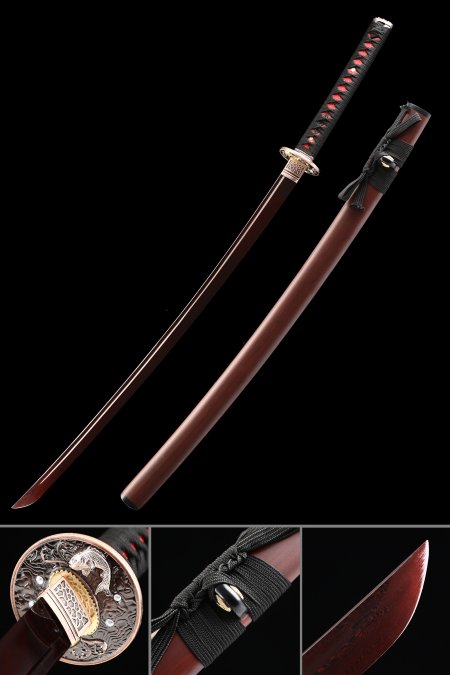
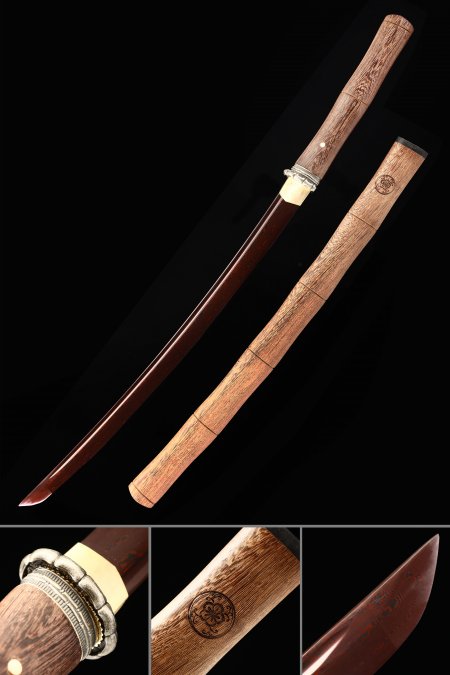
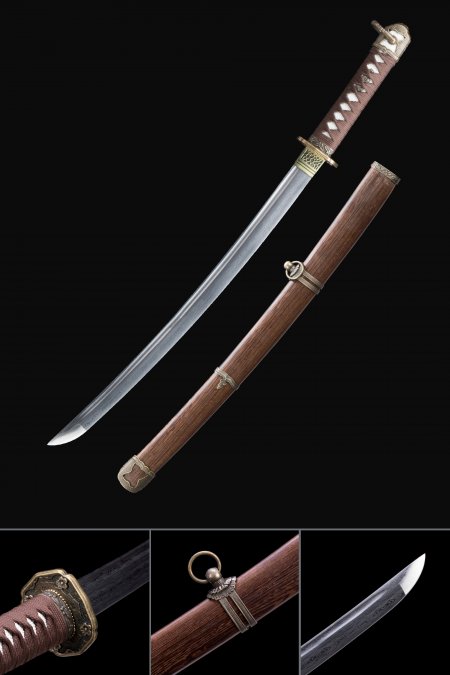
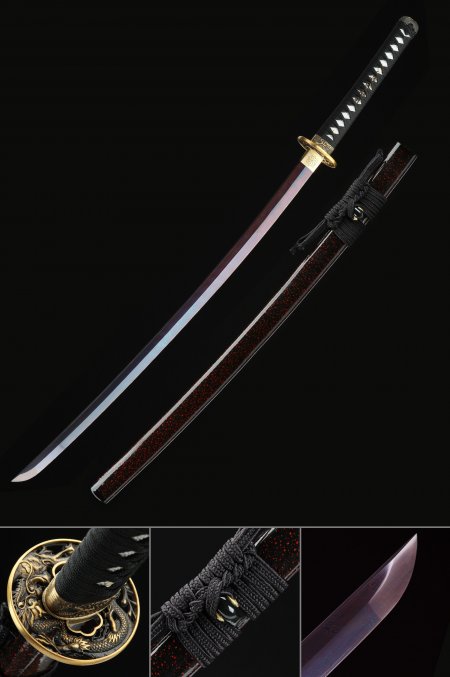
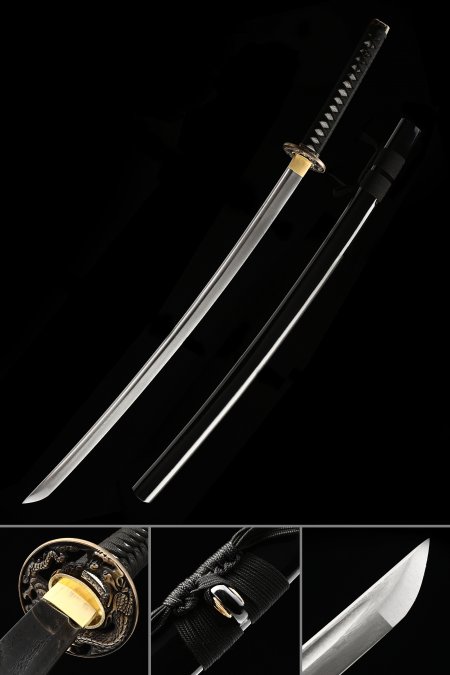
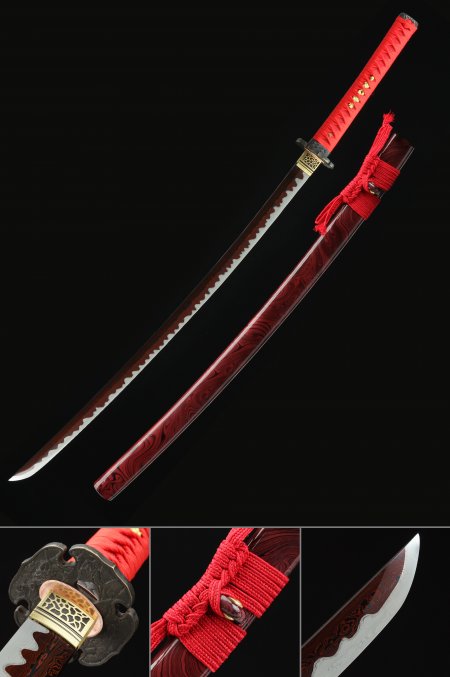
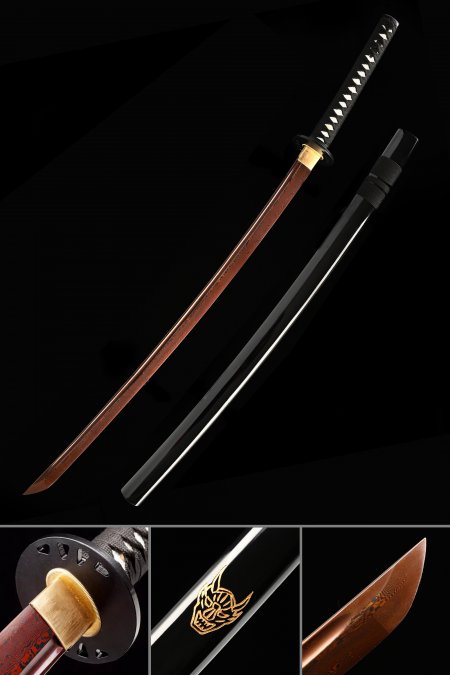
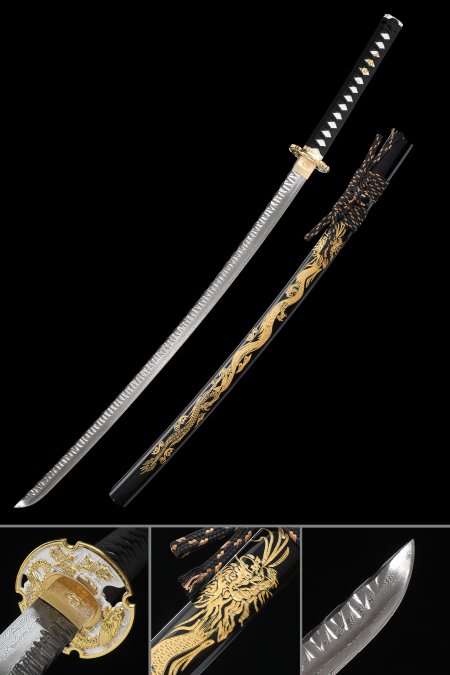
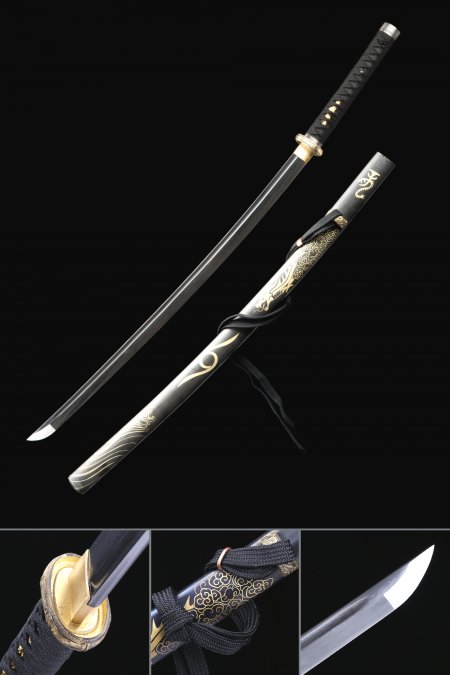
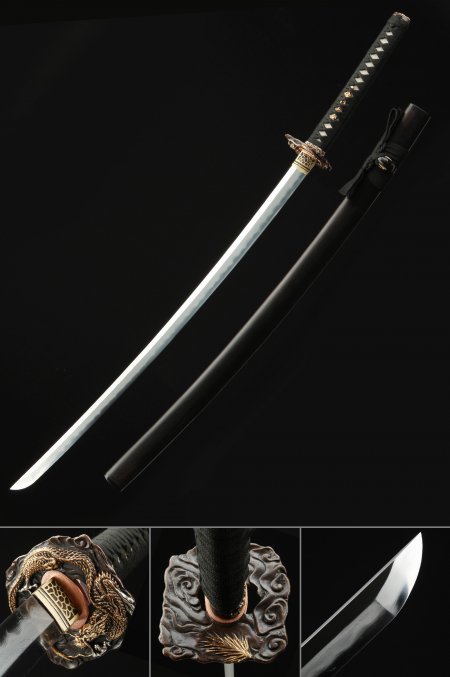
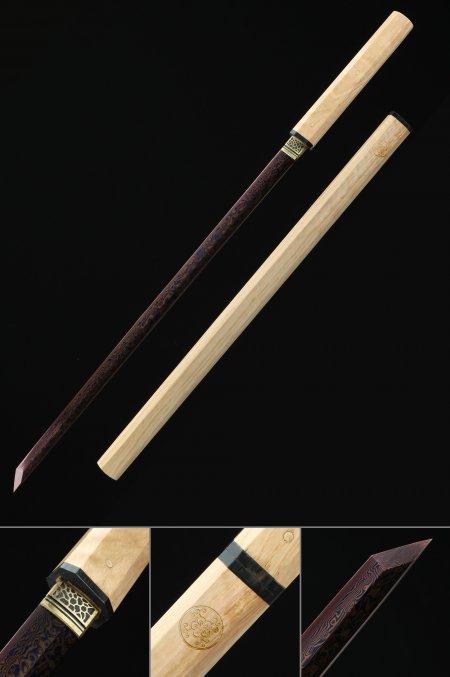
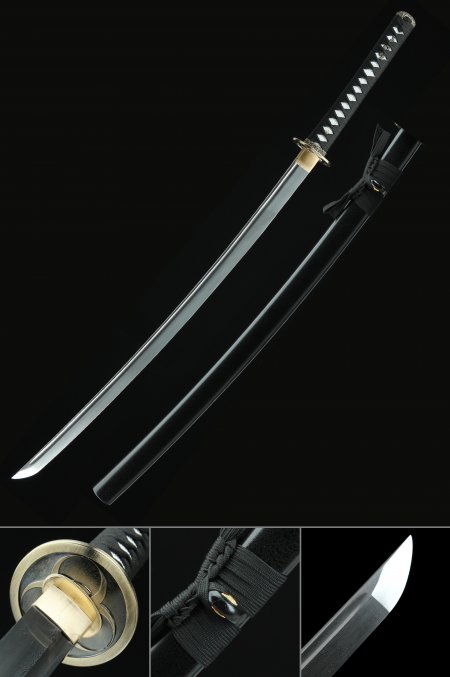
Authenticity in a Japanese katana comes down to materials, method, and construction working together. The blade must be forged from a suitable high-carbon steel - T10, 1095, or folded Damascus are all appropriate choices - and shaped by hand through repeated heating and hammering, not stamped or cast. The heat treatment must be differential: clay tempering is the traditional method, where the spine is insulated during quenching to remain tough while the edge hardens, producing a visible hamon as a direct record of the process. Full-tang construction, where the steel runs continuously from tip to pommel, is essential for structural integrity. The fittings should be individually fitted rather than generic drop-in parts, and the handle wrapped in genuine or high-quality ito over real ray skin. Decorative wall hangers typically skip most of these elements - they may look similar at a glance but lack the internal construction and material quality that define an authentic piece. Every sword in this collection is built to meet both the functional and aesthetic standards of genuine Japanese sword craftsmanship.