How do Tibetan knives differ from Chinese dao or Japanese tanto?
Updated Mar 2026
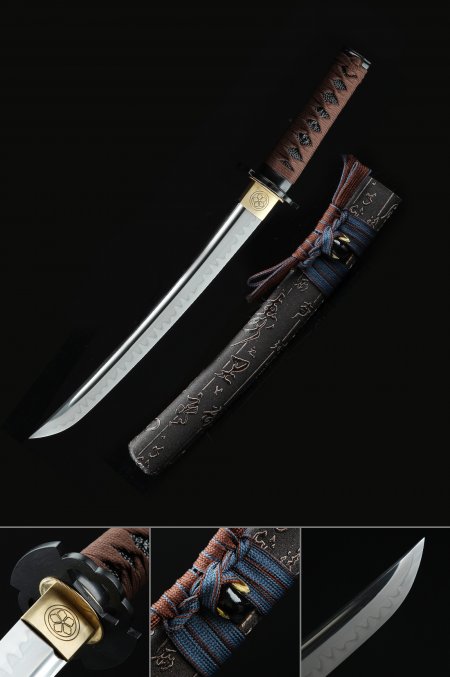
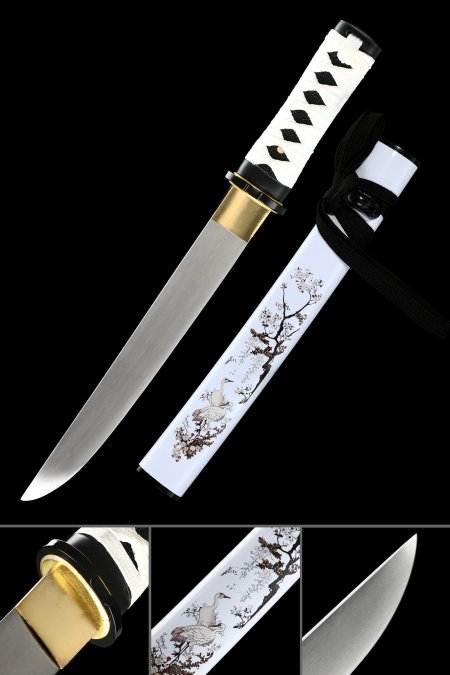
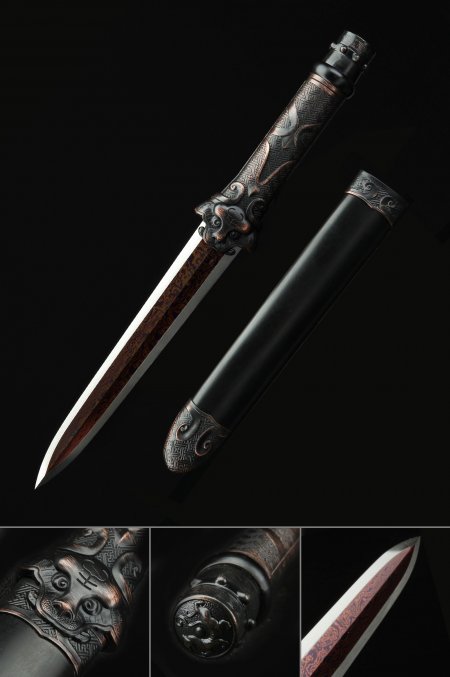
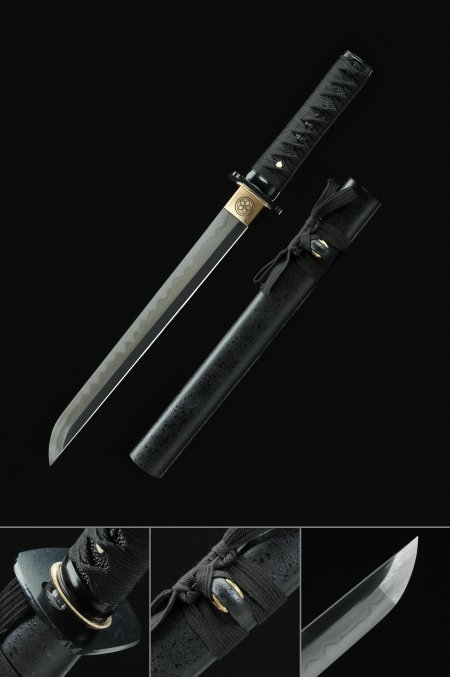
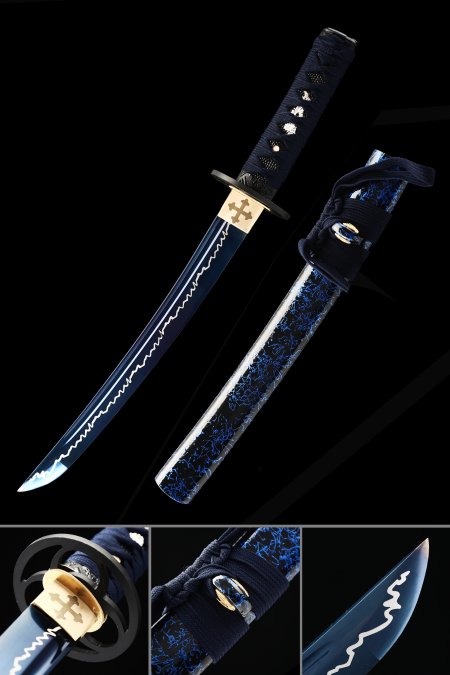
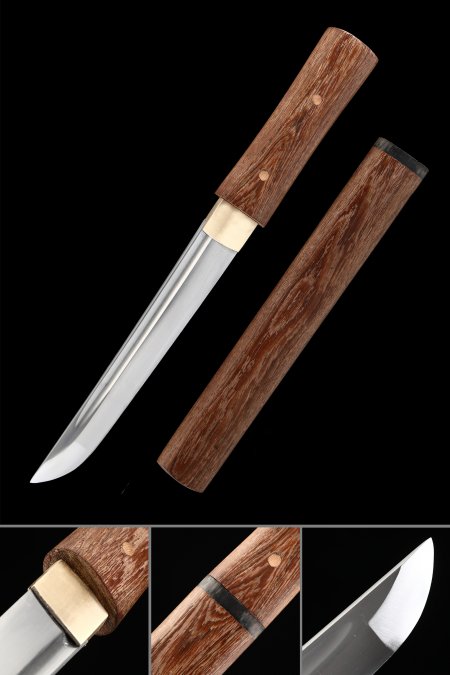
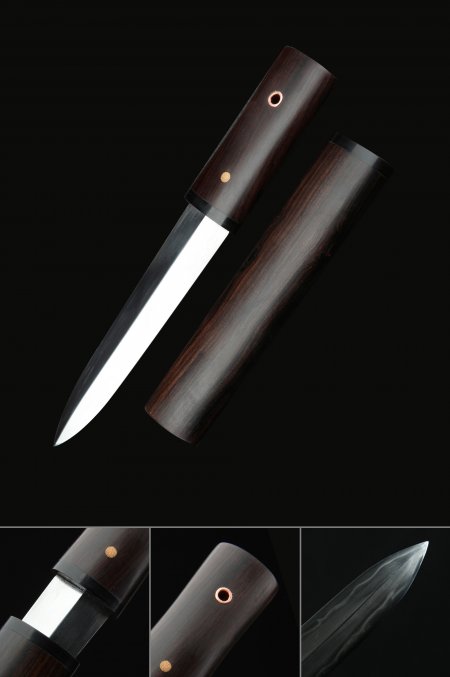
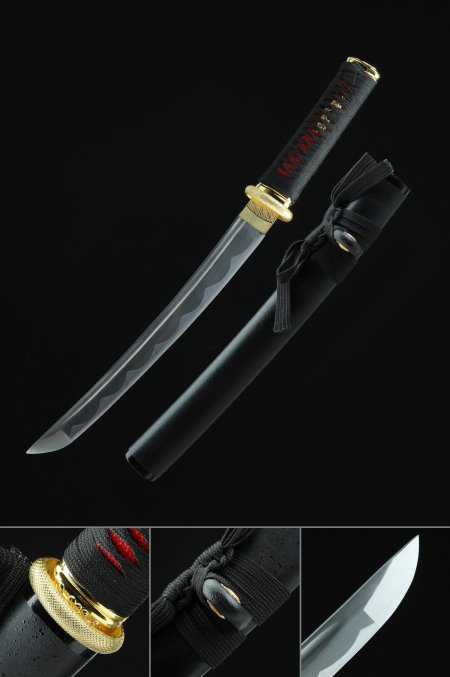
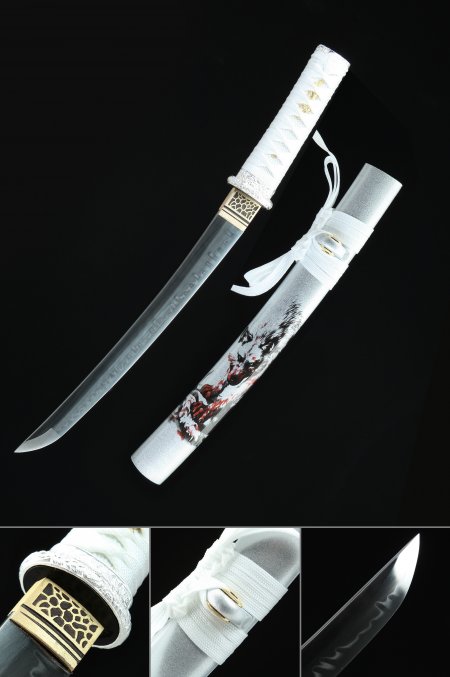
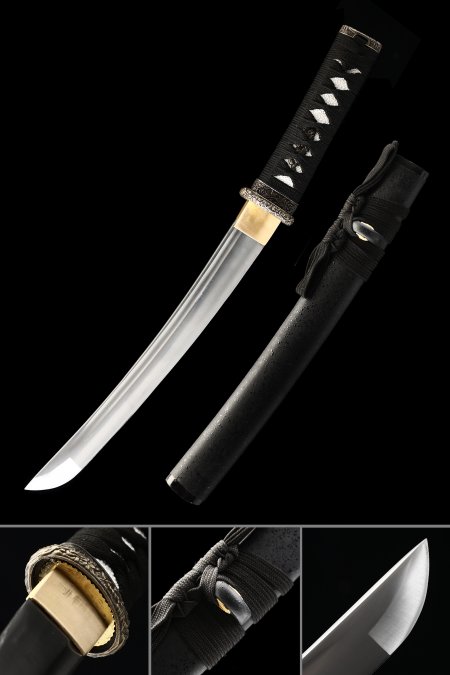
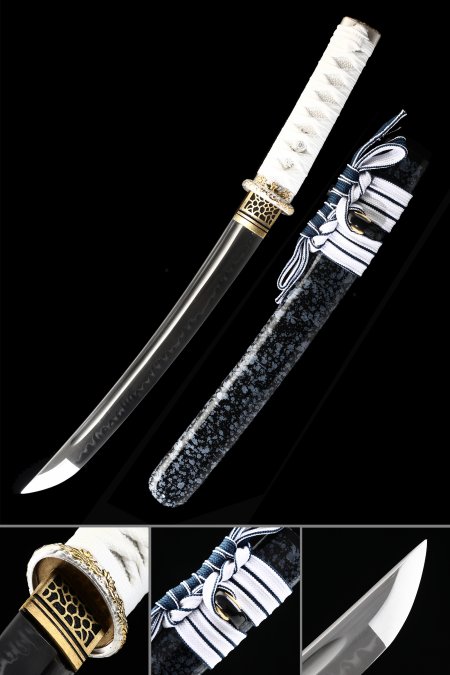
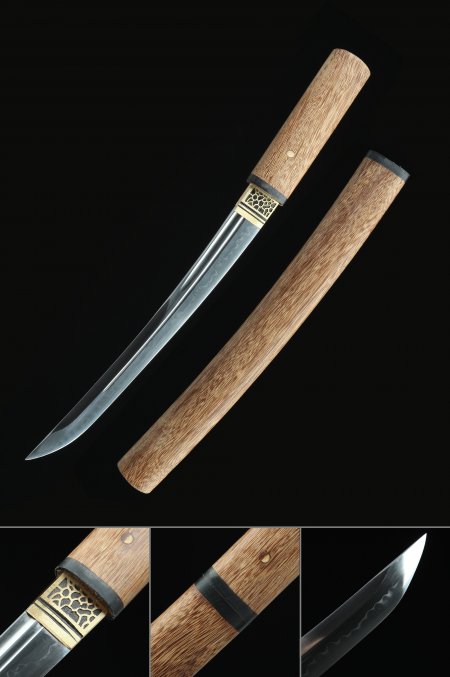
The most immediate difference is ornamental density. Chinese dao and Japanese tanto are typically defined by restrained hardware — ray skin, simple iron guards, lacquered wood. Tibetan knives invert that aesthetic entirely: the sheath and handle often carry more visual complexity than the blade itself, with silver filigree, coral, turquoise inlay, and embossed dragon motifs covering nearly every surface. The blade geometry also differs — Tibetan forms frequently feature a slight recurve or a pronounced tip flare that reflects regional design traditions distinct from East Asian conventions. Culturally, Tibetan edged pieces were as much ceremonial and status objects as anything else, which is why the metalwork surrounding the blade received such lavish attention. Collectors who display both traditions often find that Tibetan pieces provide strong visual contrast against the quieter lines of Japanese or Chinese blades.