What makes an aikuchi different from other tanto styles?
Updated Mar 2026
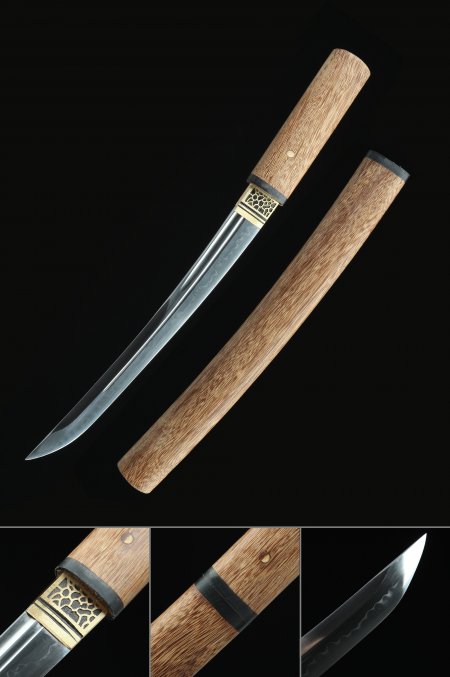
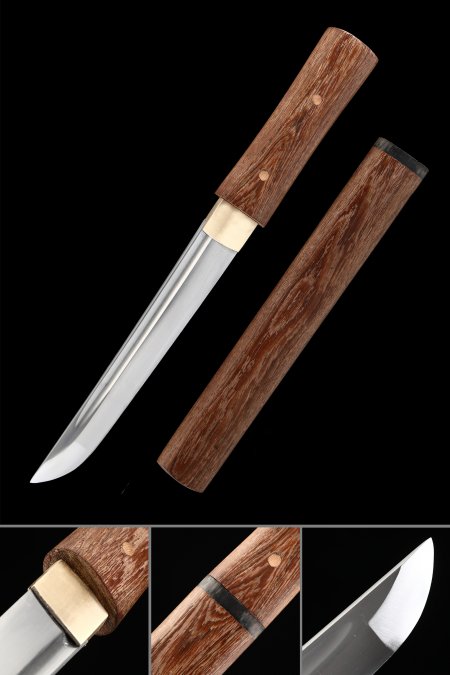
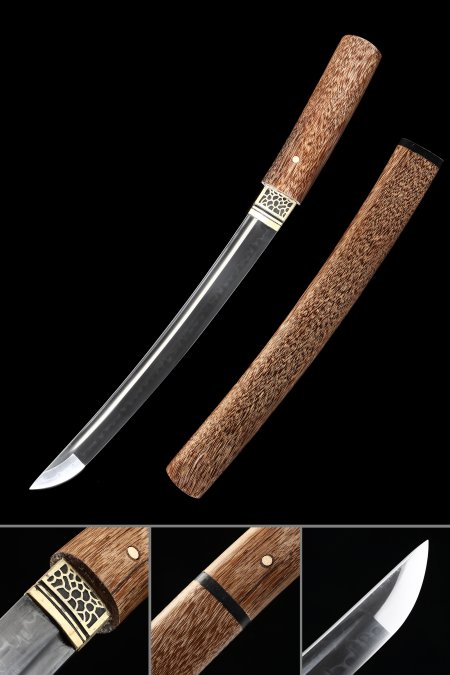
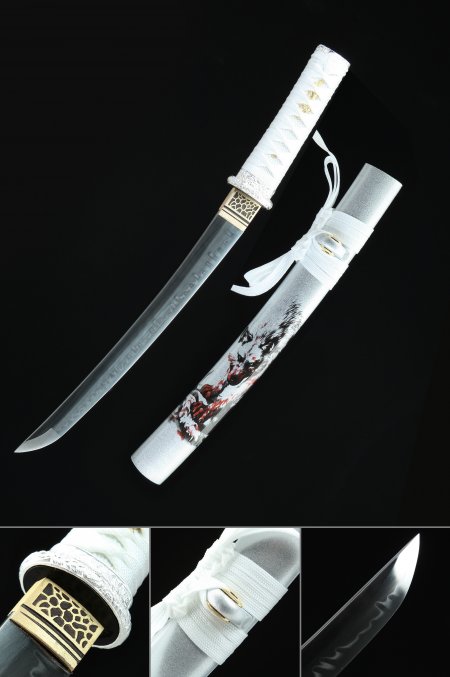
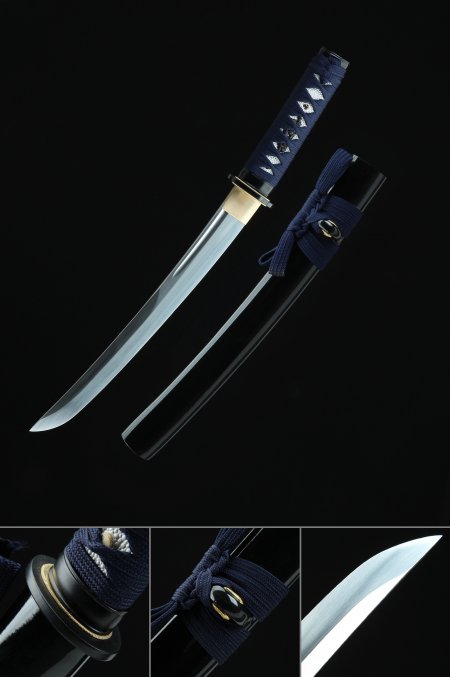
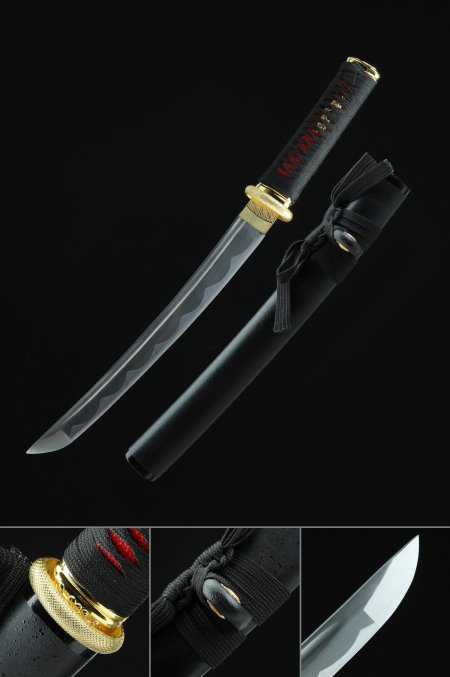
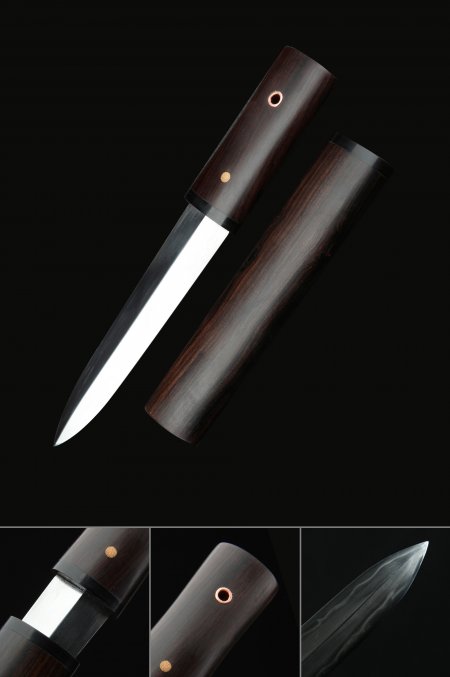
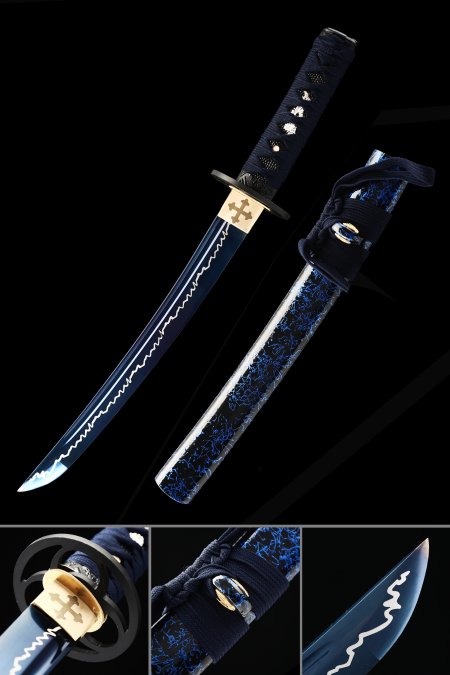
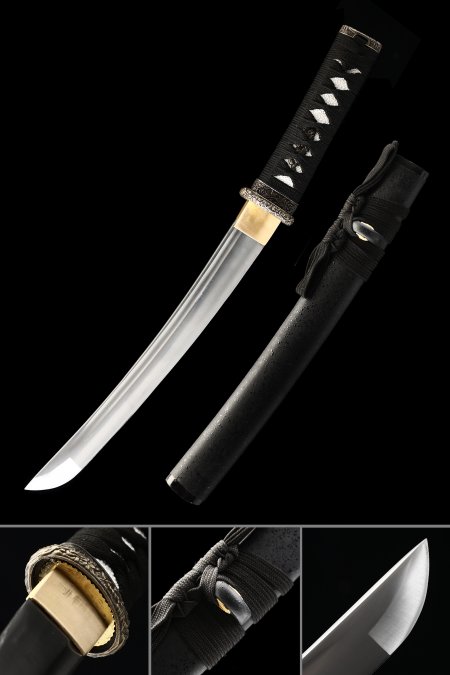
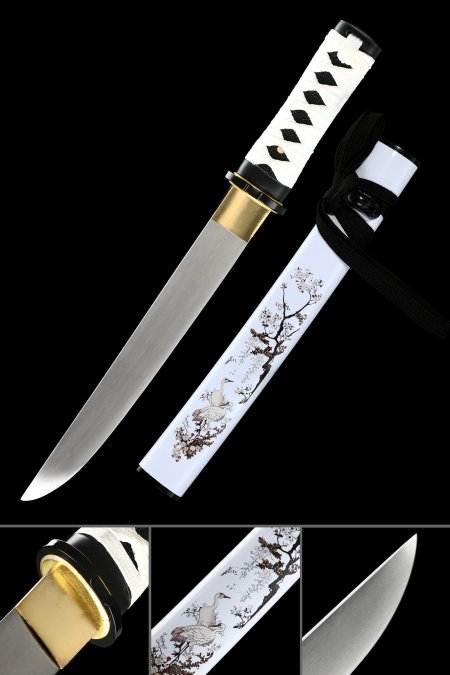
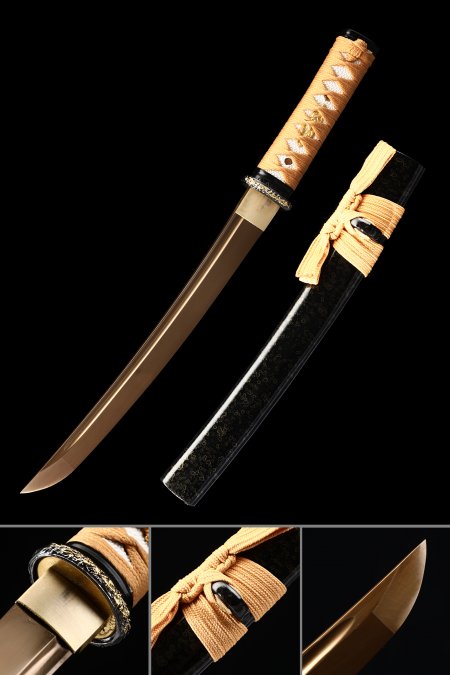
The defining feature of an aikuchi is the complete absence of a tsuba - the hand guard found on virtually every other Japanese blade form. This guardless construction creates an uninterrupted profile from the end of the handle to the tip of the blade, placing enormous emphasis on the proportions and finish of every component. Historically, aikuchi were associated with civilian formal wear in Edo-period Japan, where a low-profile blade that sat flush and discreet beneath robes was socially appropriate in settings where a visibly guarded sword would not be. For collectors today, this form is prized precisely because it strips away the decorative complexity of tsuba design and forces the eye to focus on blade geometry, handle material, and the quality of the fitting work.