What makes the hamidashi style different from aikuchi?
Updated Mar 2026
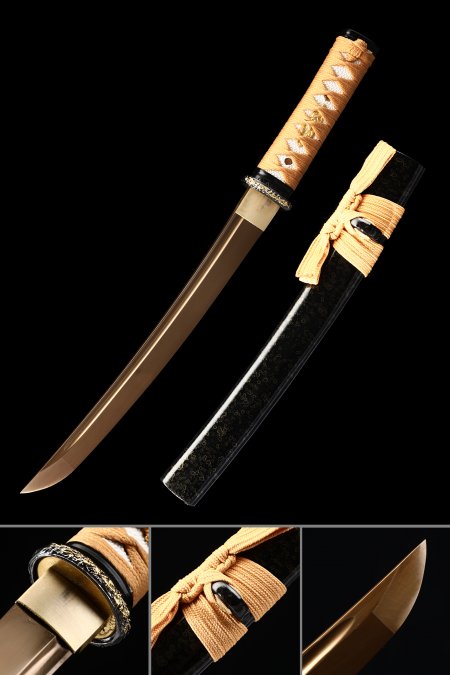
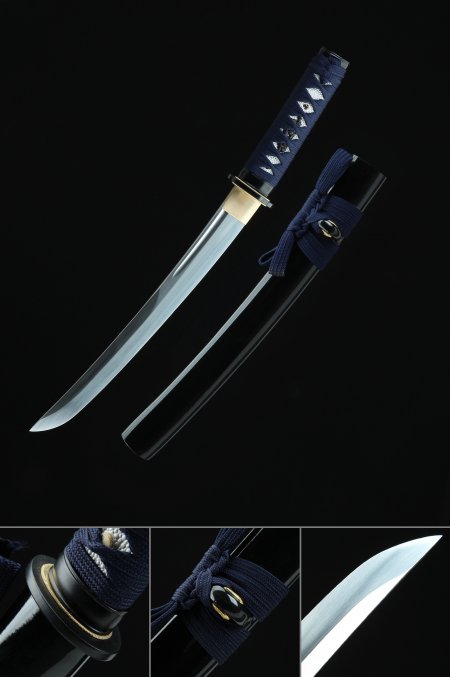
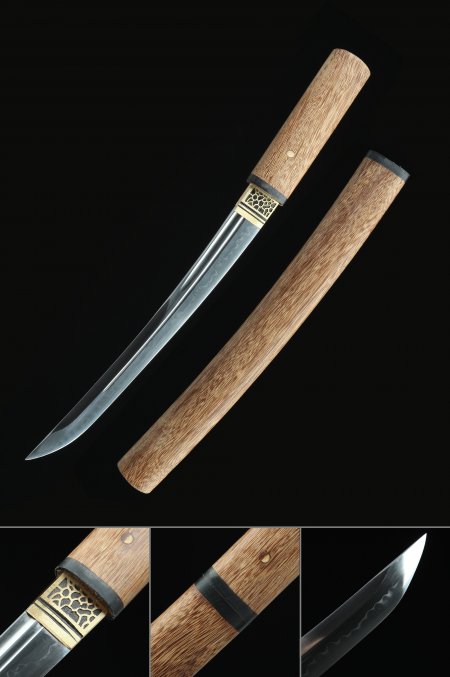
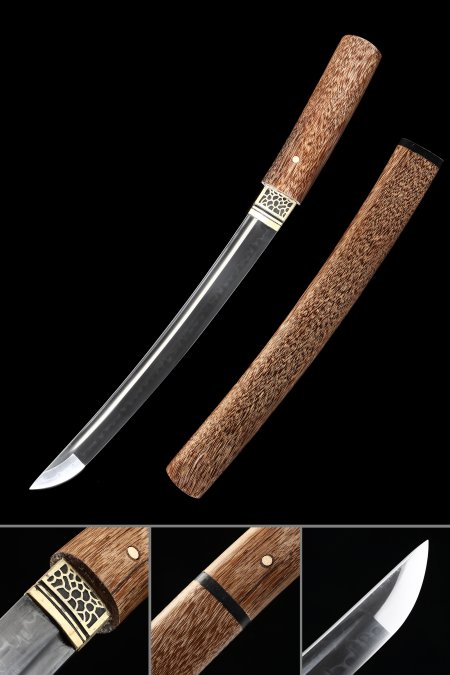
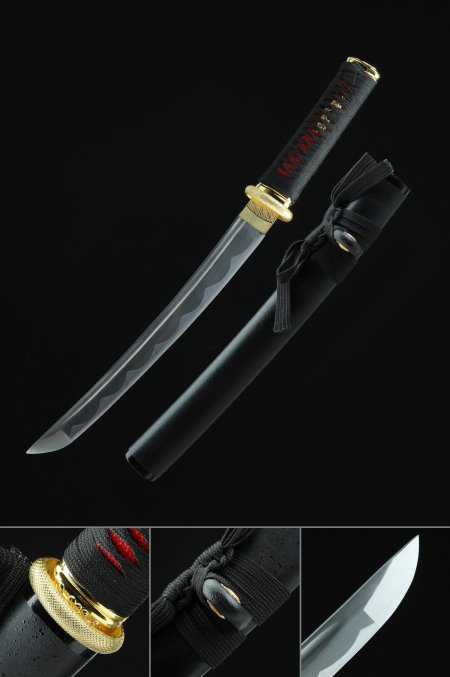
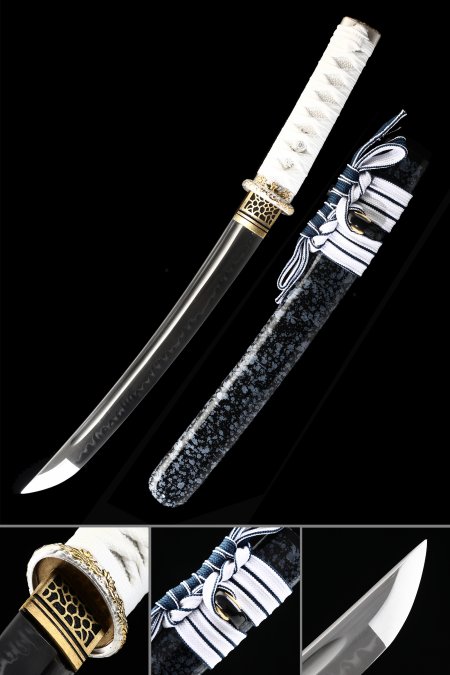
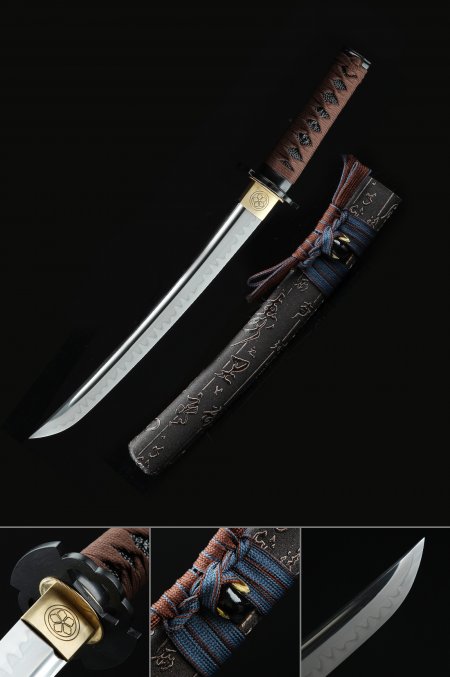
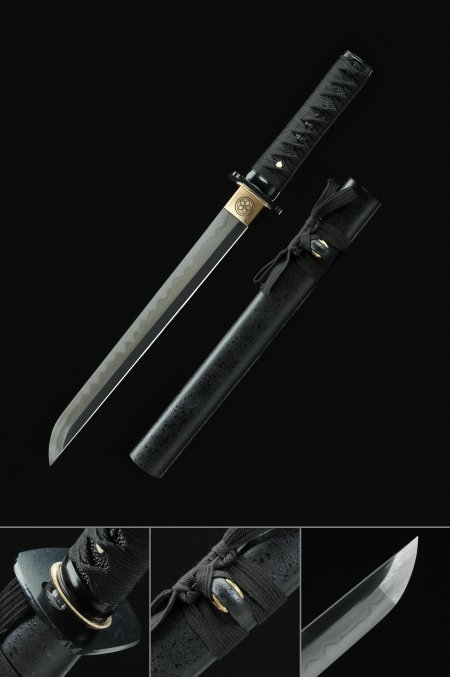
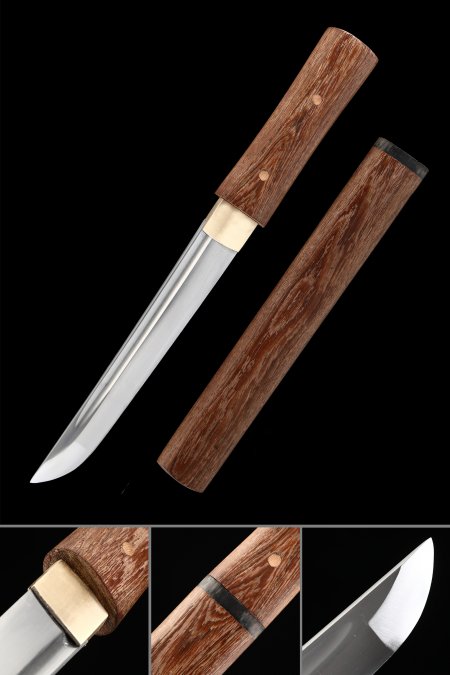
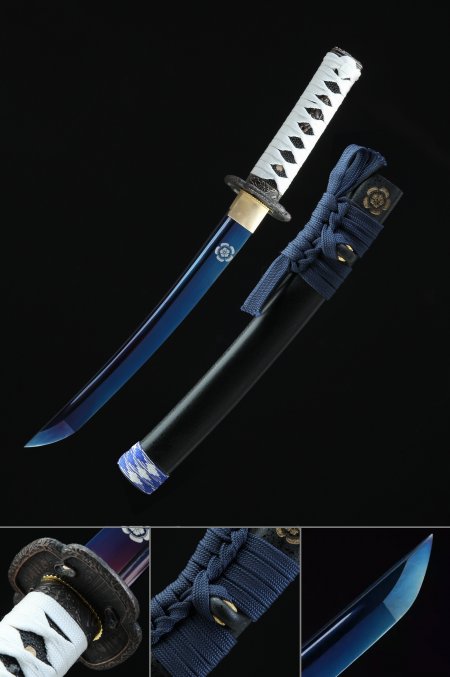
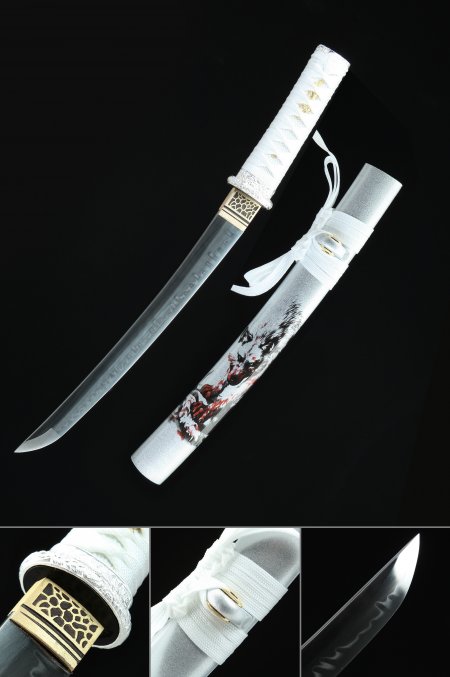
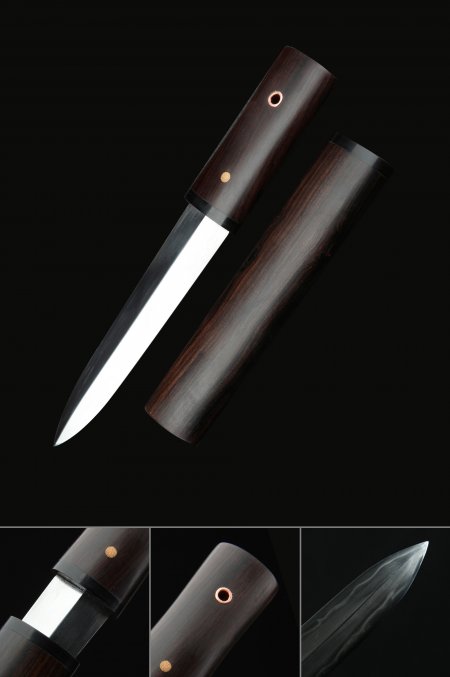
The hamidashi and aikuchi are both compact tanto-format collectibles, but they differ in one defining structural detail: the tsuba. An aikuchi mounting has no guard at all — the handle meets the saya in a clean, uninterrupted line. The hamidashi features a small tsuba that partially emerges from the koiguchi (scabbard mouth), creating a subtle but visually significant transition between handle and sheath. This exposed guard edge gives the hamidashi a more layered, architecturally complex silhouette. For collectors, this distinction matters both aesthetically and historically — the hamidashi style was associated with personal carry pieces where a full guard was considered unnecessary, yet some visual punctuation was still desired. When mounted with a brown saya, the small tsuba — often iron or copper — creates a striking tonal contrast against the warm wood grain.