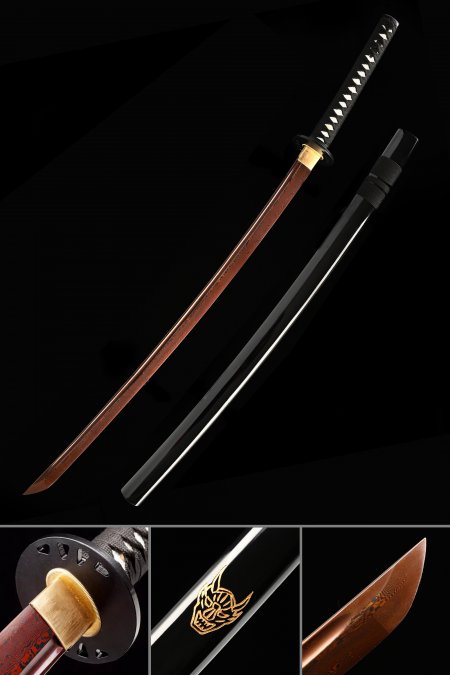
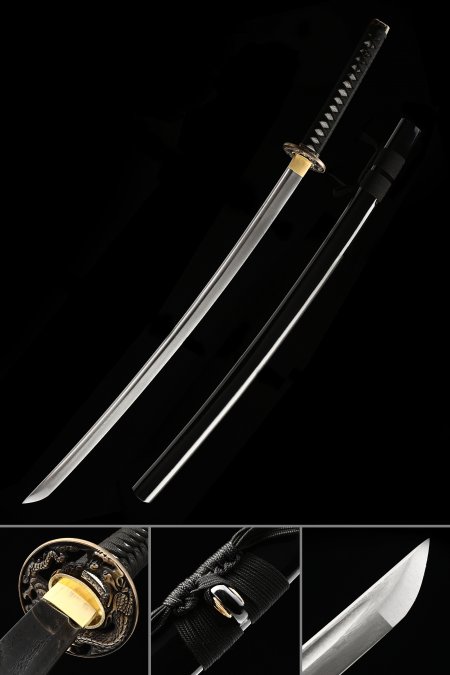
What makes Damascus steel visually distinct on a tachi blade?

 Updated Mar 2026

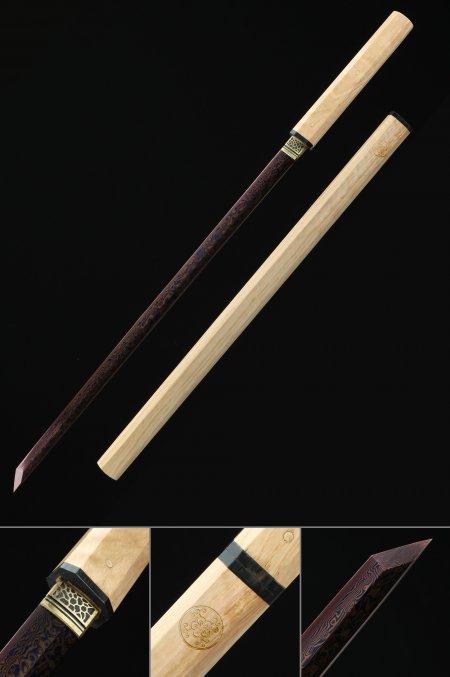
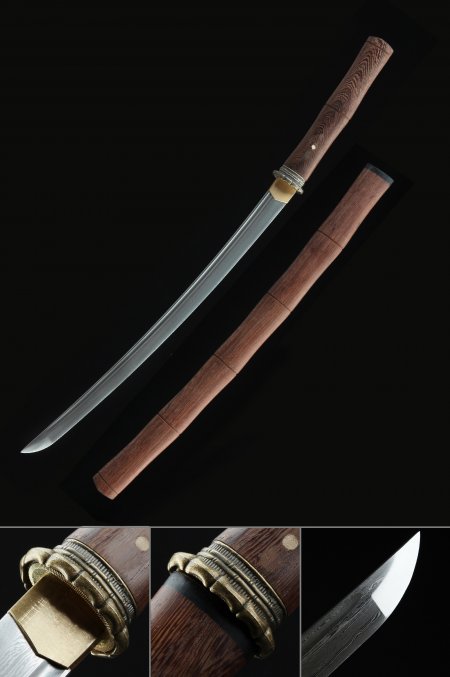
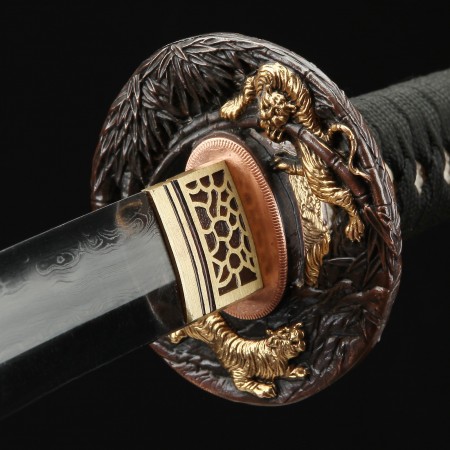
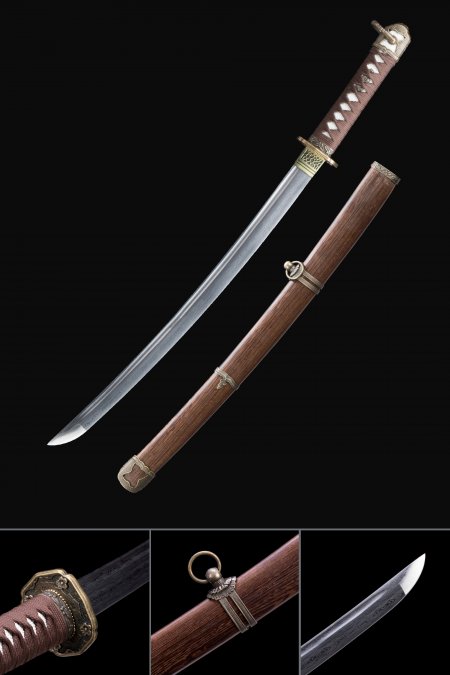
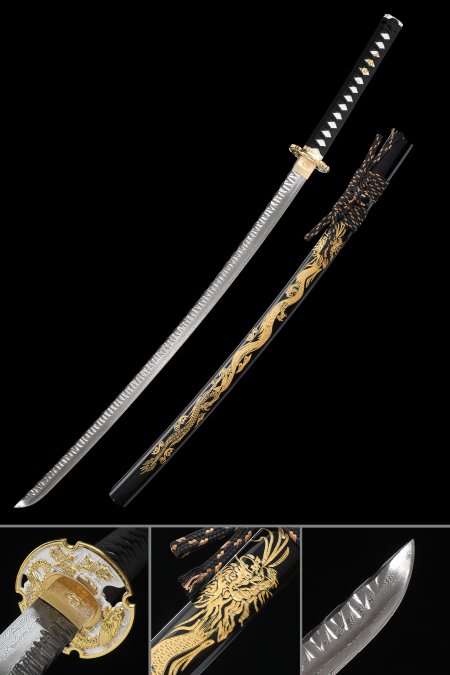
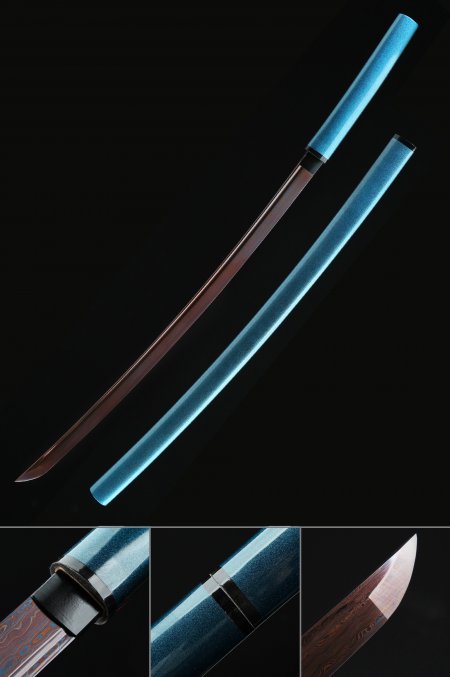
Damascus steel is produced by forge-welding multiple layers of steel together, then repeatedly folding and drawing out the billet. When the finished blade is acid-etched during the polishing process, differential oxidation between the steel layers reveals flowing, contour-like surface patterns - sometimes described as woodgrain, water ripples, or flowing smoke. Because the pattern emerges from the actual internal structure of the steel rather than surface treatment alone, no two Damascus blades carry an identical design. On a tachi, where the longer blade length provides a wider and more extended surface, these patterns have more room to develop across the flat, making the visual effect especially pronounced and collectible as a display centerpiece.
Popular Products

15% OFFkatana sword
199.00 USD
229.00 USD
20% OFFdamascus katana
619.00 USD
769.00 USD
15% OFFshikomizue sword
229.00 USD
269.00 USD
15% OFFshort katana
199.00 USD
239.00 USD
15% OFFreal katana
649.00 USD
769.00 USD
15% OFFww2 wakizashi
169.00 USD
199.00 USD
20% OFFjapanese katana
229.00 USD
289.00 USD
15% OFFgolden katana
199.00 USD
229.00 USD
20% OFFdamascus katana
279.00 USD
349.00 USD
15% OFFshirasaya katana
209.00 USD
249.00 USD
15% OFFkill bill sword
199.00 USD
229.00 USD
20% OFFblack katana
159.00 USD
199.00 USD
15% OFFkatana sword
199.00 USD
229.00 USD
20% OFFdamascus katana
619.00 USD
769.00 USD
15% OFFshikomizue sword
229.00 USD
269.00 USD
15% OFFshort katana
199.00 USD
239.00 USD
15% OFFreal katana
649.00 USD
769.00 USD
15% OFFww2 wakizashi
169.00 USD
199.00 USD
20% OFFjapanese katana
229.00 USD
289.00 USD
15% OFFgolden katana
199.00 USD
229.00 USD
20% OFFdamascus katana
279.00 USD
349.00 USD
15% OFFshirasaya katana
209.00 USD
249.00 USD
15% OFFkill bill sword
199.00 USD
229.00 USD
20% OFFblack katana
159.00 USD
199.00 USD

Explore Our Collections