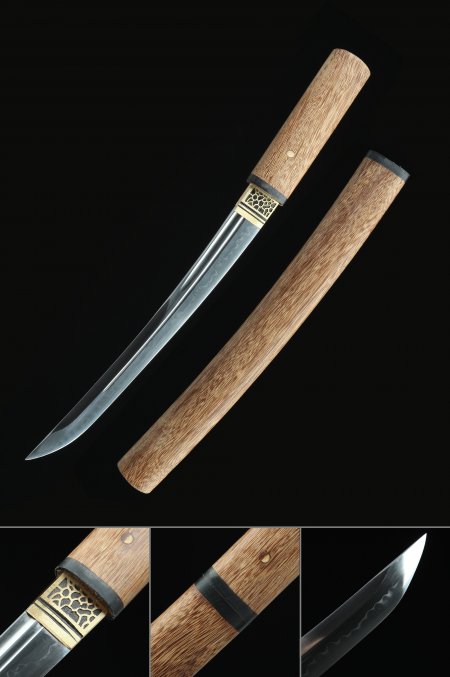
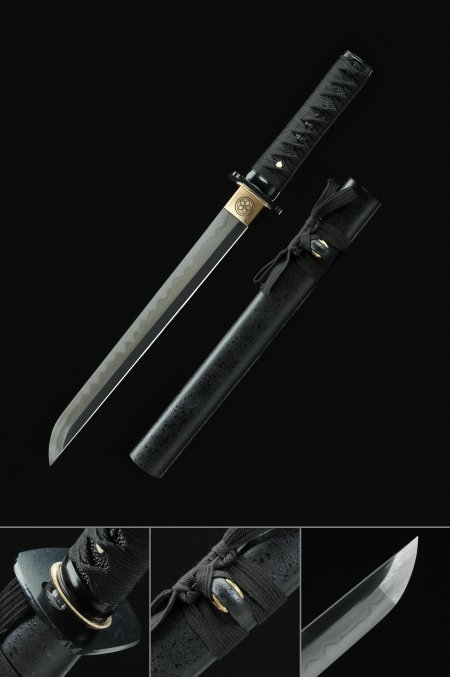
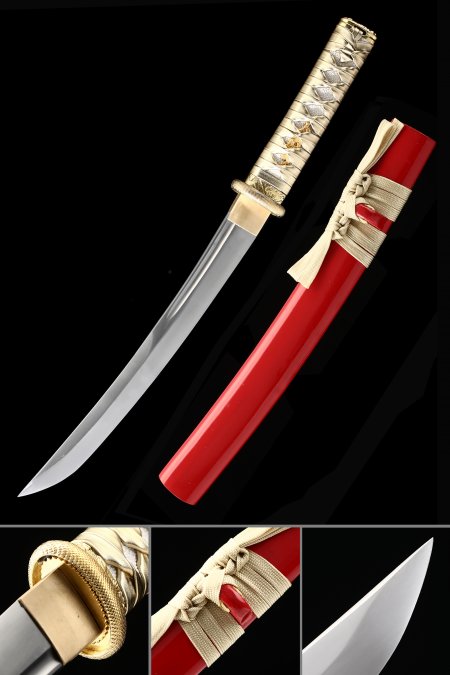
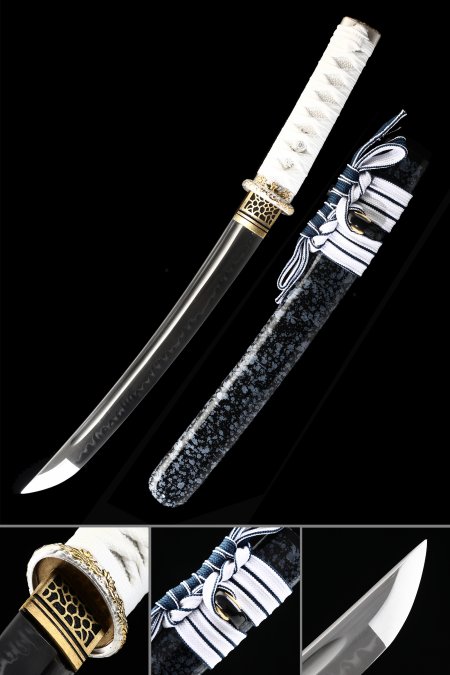
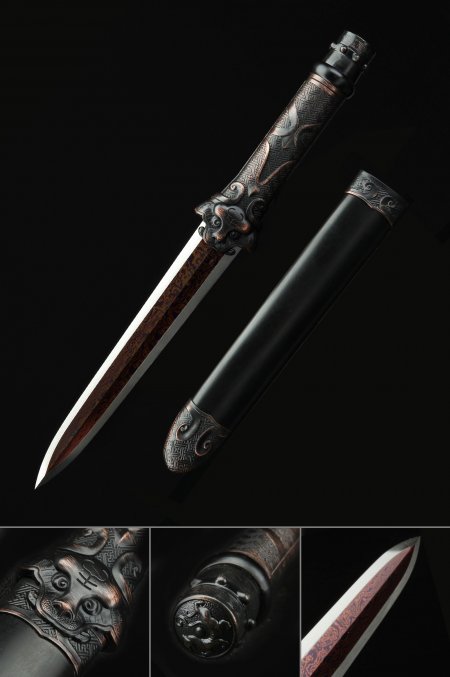
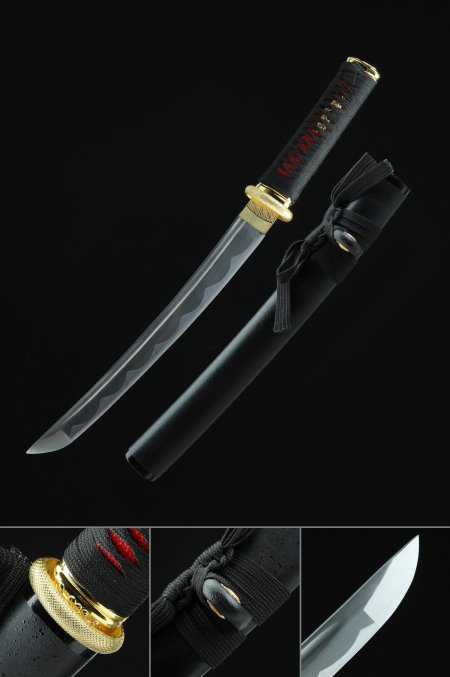
What makes an aikuchi different from a standard tanto mounting?

 Updated Mar 2026

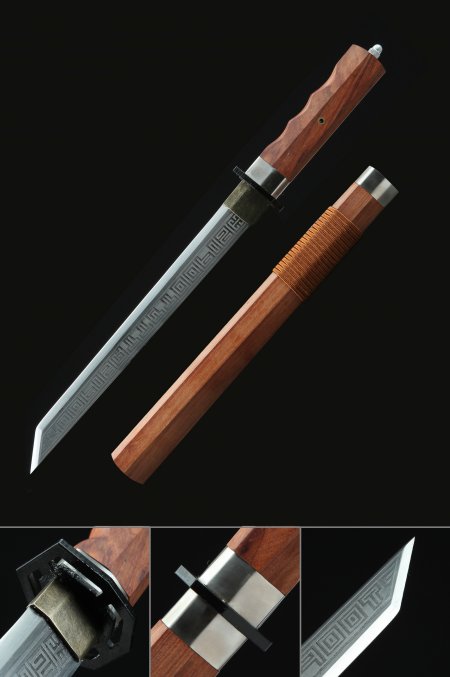
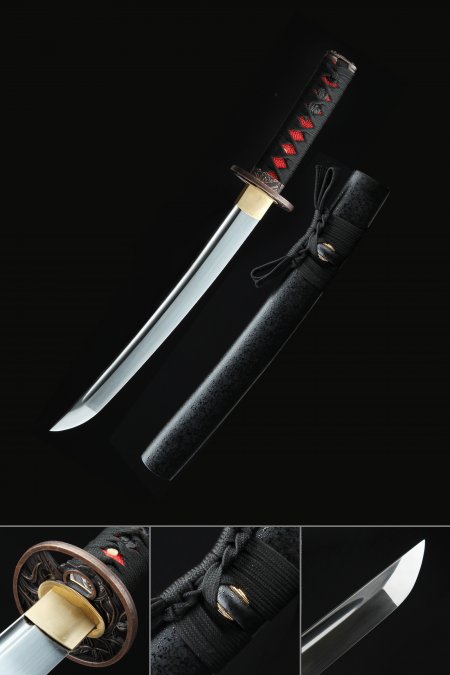
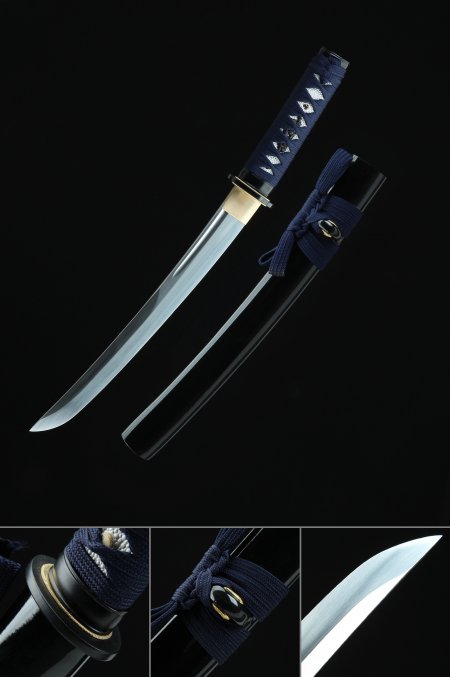
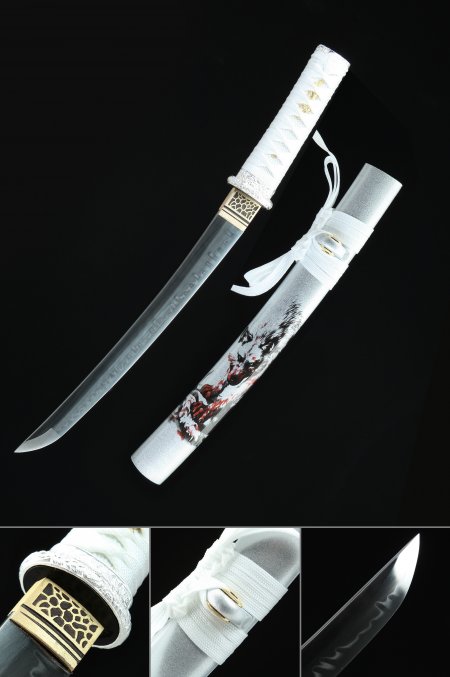
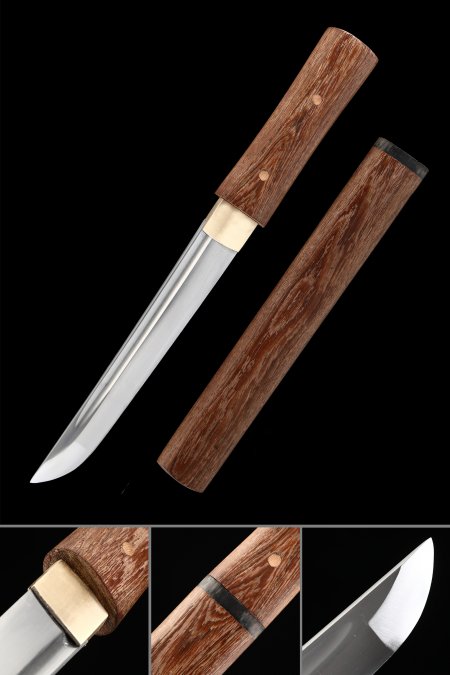
The defining feature of an aikuchi is the complete absence of a tsuba, or hand guard. On a standard tanto, the tsuba serves as both a functional separator between blade and handle and a decorative focal point. The aikuchi eliminates it entirely, allowing the habaki (blade collar) to sit flush against the handle fitting in one continuous line. This guardless design originated in Japanese court culture, where aikuchi were favored by nobles and civil officials as a form carried for status rather than overt utility. The resulting silhouette is noticeably more linear and understated than a guarded tanto, making it one of the most compositionally elegant forms in classical Japanese blade collecting.
Popular Products

20% OFFtanto sword
109.00 USD
139.00 USD
15% OFFdouble edge tanto
189.00 USD
219.00 USD
15% OFFdouble edge tanto
159.00 USD
189.00 USD
15% OFFshirasaya tanto
149.00 USD
179.00 USD
15% OFFtanto sword
179.00 USD
209.00 USD
15% OFFtanto sword
139.00 USD
169.00 USD
15% OFFtanto
149.00 USD
179.00 USD
20% OFFaikuchi tanto
139.00 USD
169.00 USD
15% OFFtanto sword
89.00 USD
109.00 USD
15% OFFshirasaya tanto
149.00 USD
179.00 USD
20% OFFshort katana
139.00 USD
179.00 USD
15% OFFtanto sword
89.00 USD
109.00 USD
20% OFFtanto sword
109.00 USD
139.00 USD
15% OFFdouble edge tanto
189.00 USD
219.00 USD
15% OFFdouble edge tanto
159.00 USD
189.00 USD
15% OFFshirasaya tanto
149.00 USD
179.00 USD
15% OFFtanto sword
179.00 USD
209.00 USD
15% OFFtanto sword
139.00 USD
169.00 USD
15% OFFtanto
149.00 USD
179.00 USD
20% OFFaikuchi tanto
139.00 USD
169.00 USD
15% OFFtanto sword
89.00 USD
109.00 USD
15% OFFshirasaya tanto
149.00 USD
179.00 USD
20% OFFshort katana
139.00 USD
179.00 USD
15% OFFtanto sword
89.00 USD
109.00 USD

Explore Our Collections