How does a naginata tsuba differ from a katana tsuba in design?
Updated Mar 2026
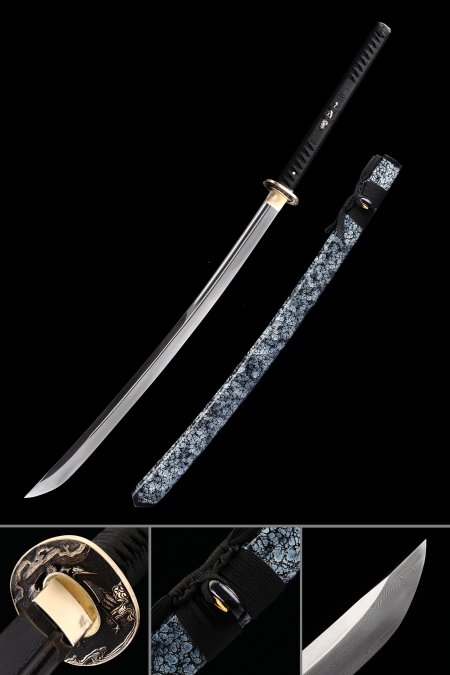
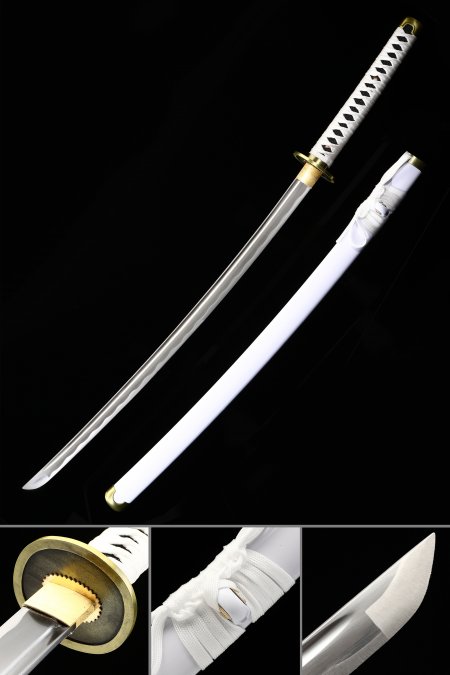
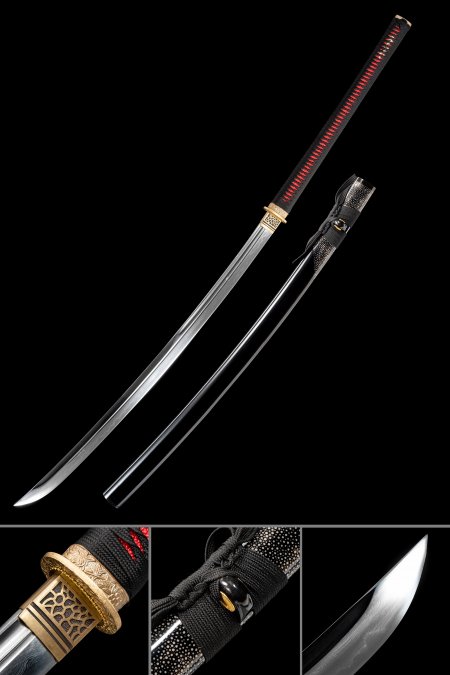
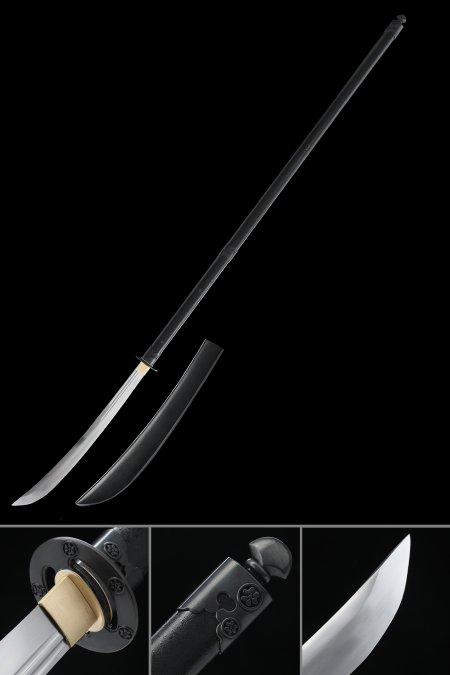
The functional geometry is similar — both are hand guards that sit between grip and blade — but the visual role differs significantly. On a katana hung vertically, the tsuba reads as a horizontal accent near the top of the display. On a naginata displayed diagonally or horizontally, the tsuba sits at the visual center of the entire piece, making it the natural focal point for the viewer's eye. For this reason, naginata tsuba are often designed with slightly bolder relief or more pronounced silhouettes to carry that central visual weight. When evaluating a naginata as a display collectible, the tsuba's proportionality to the overall length of the pole is worth examining closely — a guard that looks modest on a katana can appear delicate on a full-length naginata shaft.