How is a ninjato different from a standard katana?
Updated Mar 2026
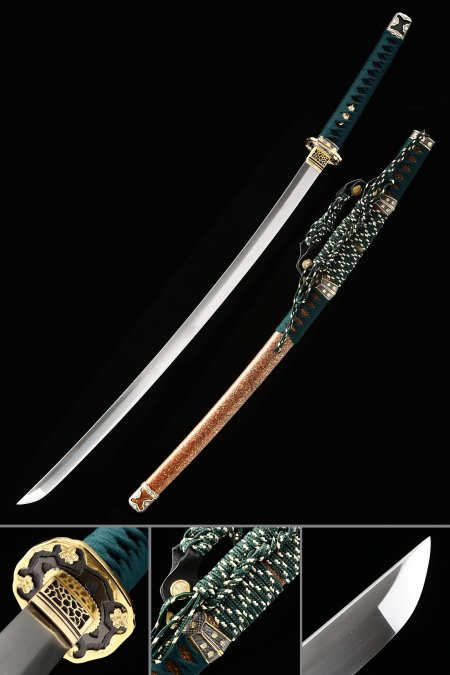
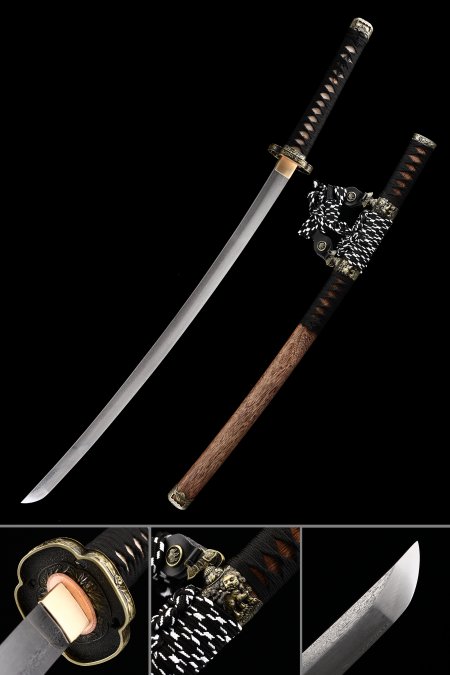
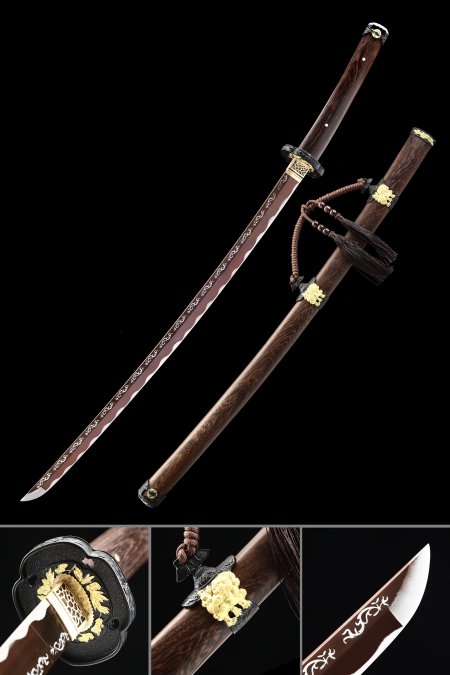
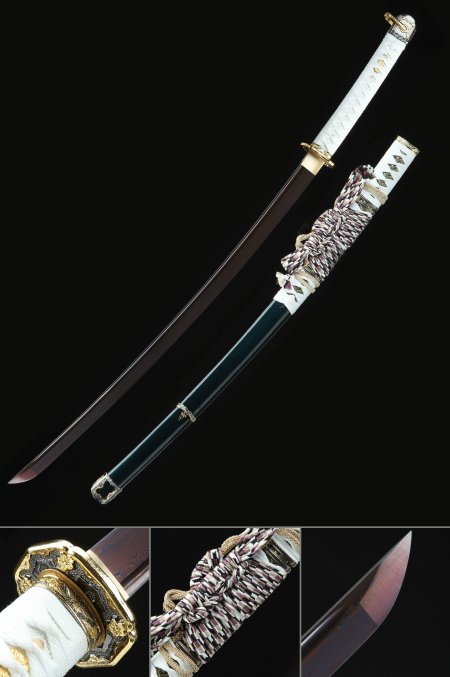
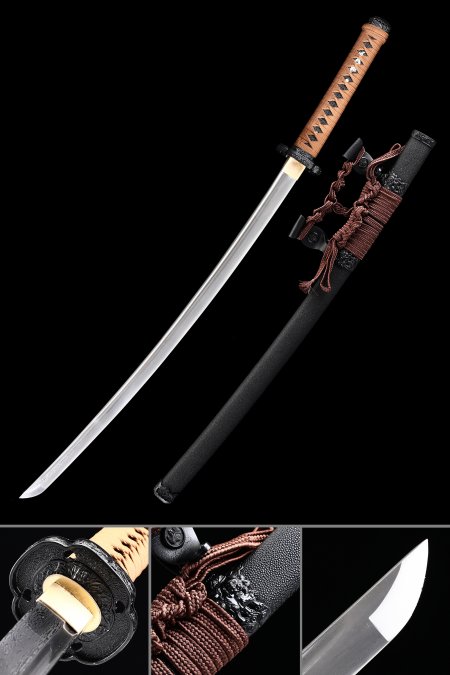
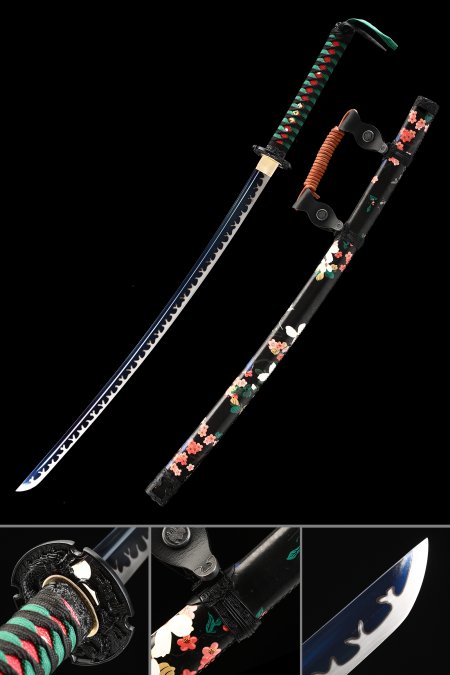
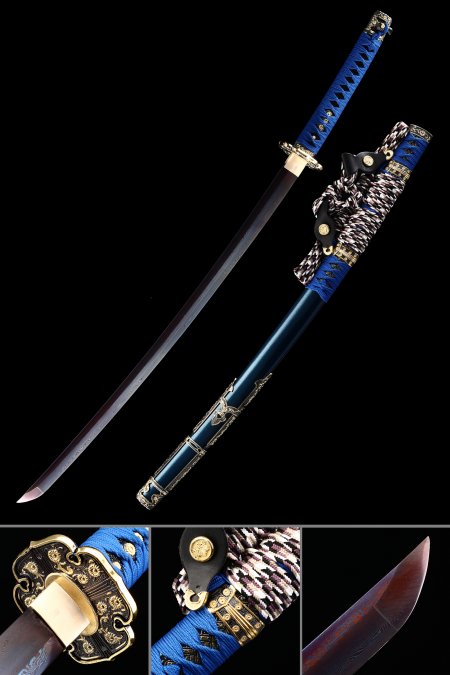
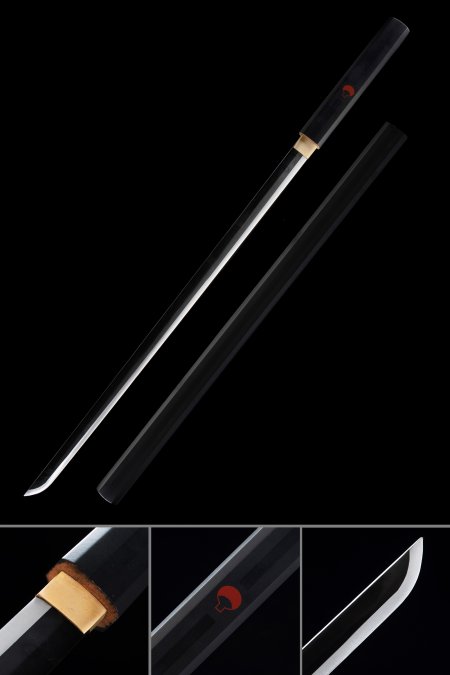
The most immediate difference is blade geometry. A katana features a pronounced curved profile—the result of a differential hardening process called tsuchioki that causes the spine and edge to cool at different rates, bending the steel. A ninjato, as depicted in the Naruto series and broader ninja folklore, uses a straight or near-straight blade, giving it a silhouette closer to a Chinese jian or a European short sword than to classical Japanese tachi-style blades. This straight profile requires a different grinding approach and produces a distinct visual character: angular rather than flowing. The guard (tsuba) and scabbard geometry also differ, with ninjato mountings typically appearing more utilitarian and less ornate than formal katana koshirae. For collectors, the ninjato occupies a separate aesthetic category even when built from the same materials.