How does historical Chinese battle sword construction differ from Japanese katana construction?
Updated Feb 2026
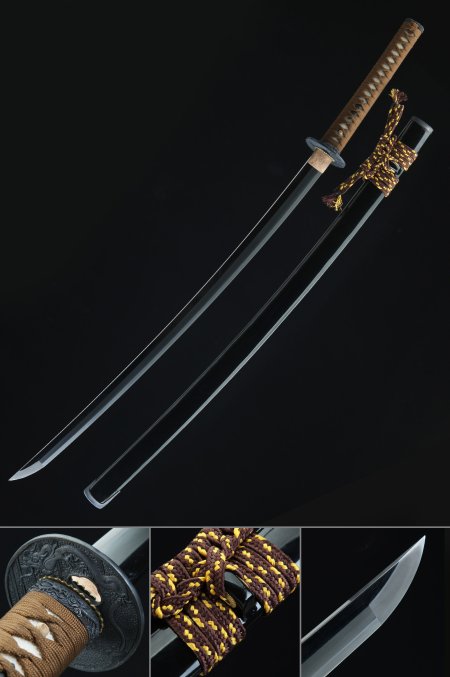
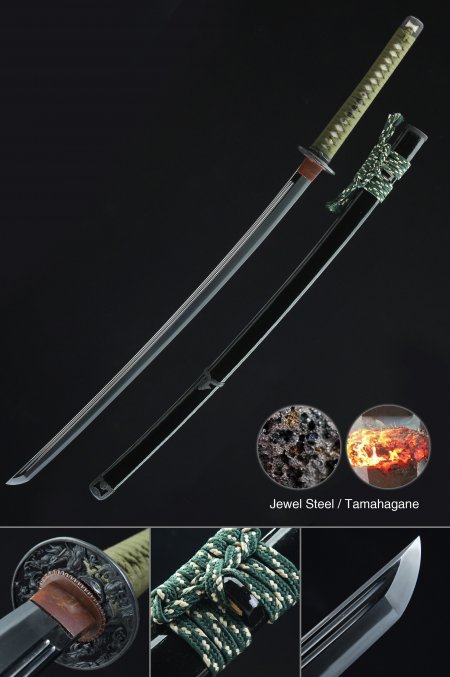
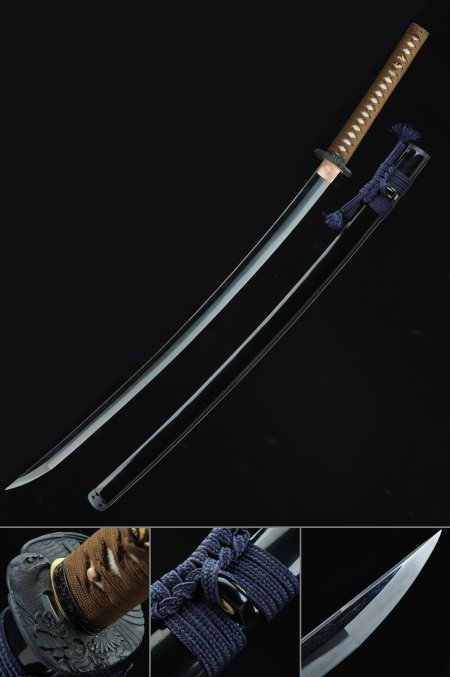
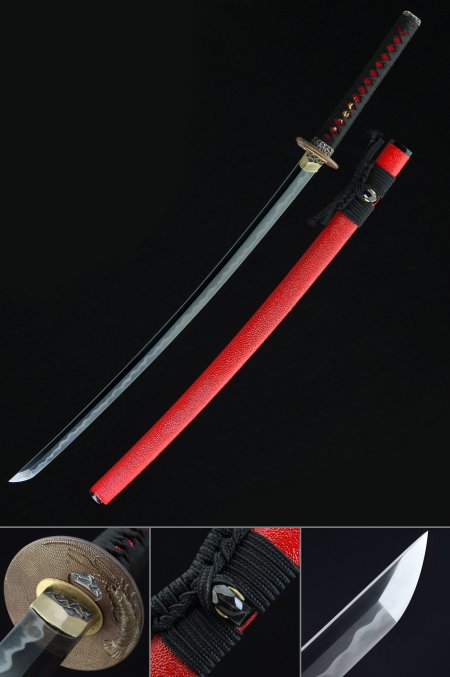
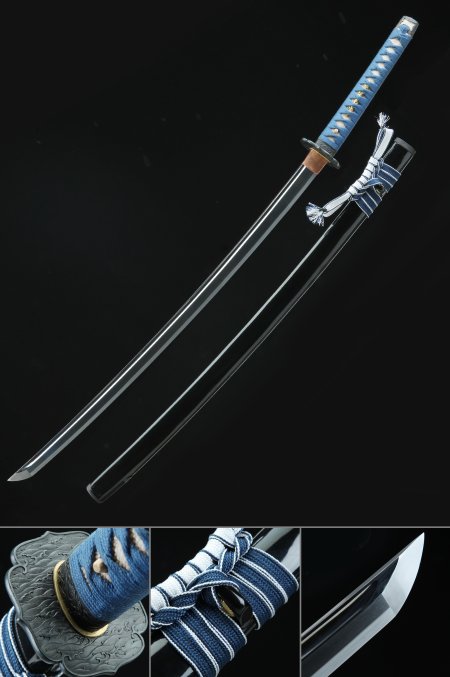
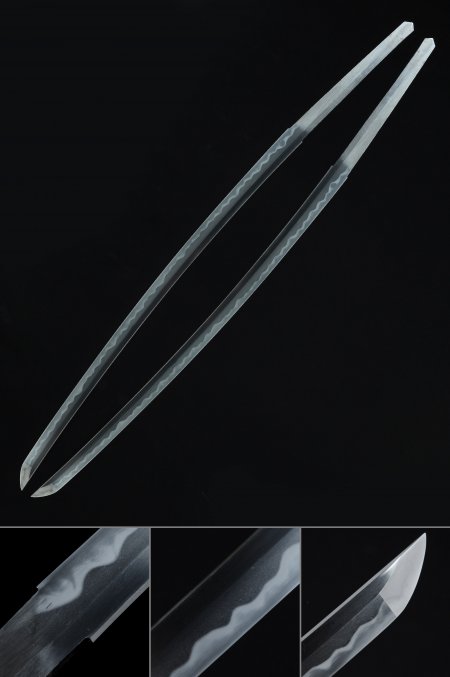
Historical Chinese battle sword construction and Japanese katana construction developed along parallel but distinct lines that reflect the different priorities and technical traditions of each sword-making culture. Both traditions prioritize high-carbon steel blade material and differential heat treatment for edge hardness, but the specific techniques differ. Chinese sword heat treatment historically used quenching methods that differ from the Japanese clay-tempered system, producing hardness without the visible hamon that clay tempering creates. Japanese katana construction is famous for its folding technique that creates the distinctive grain structure of tamahagane steel - Chinese sword construction used different folding and pattern-welding techniques that produced their own distinctive material character. Fitting systems are distinctly different: Japanese katana use the tsuba guard, mekugi pin retention system, and ito-wrapped handle in a highly standardized and refined fitting tradition, while Chinese swords use the disc or oval guard, ring pommel, and various handle wrapping approaches that are distinctly Chinese in character. Both traditions represent genuine sophistication in blade-making craft, achieving excellence through different technical means.