What does the Damascus steel pattern on these blades actually indicate?
Updated Mar 2026
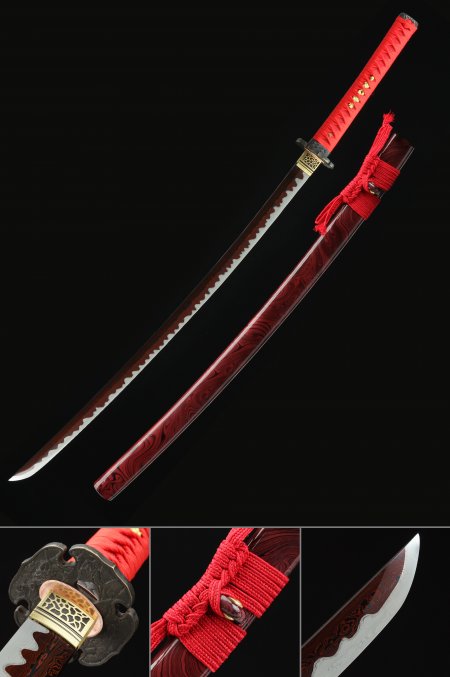
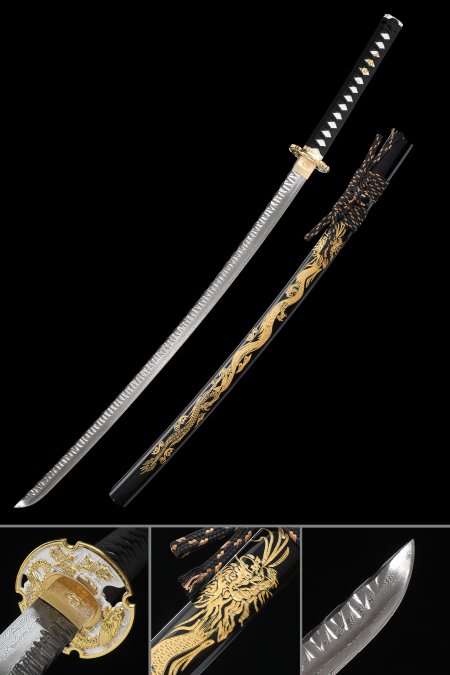
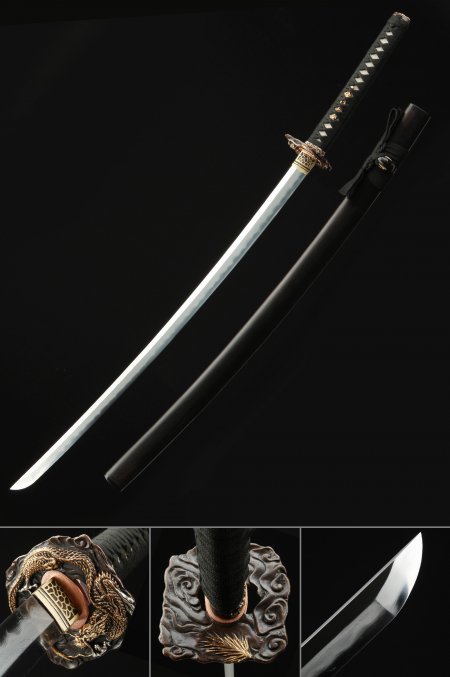
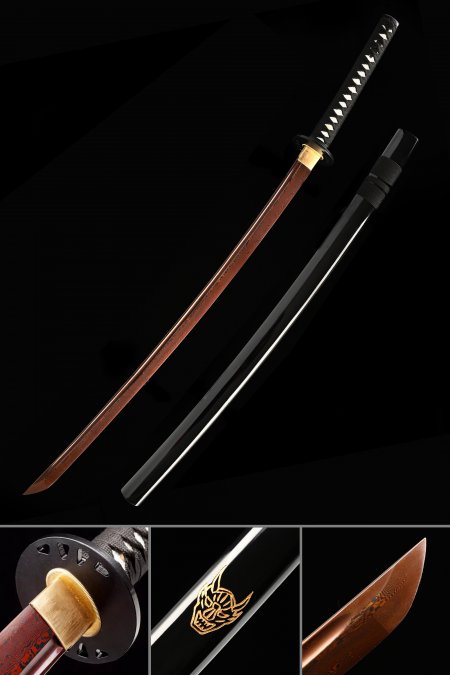
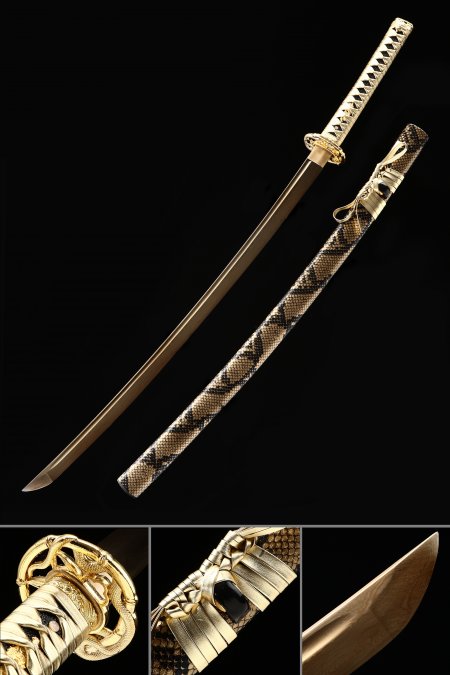
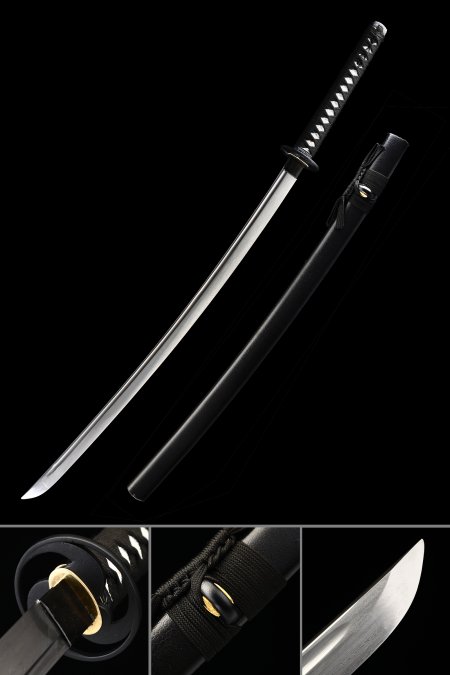
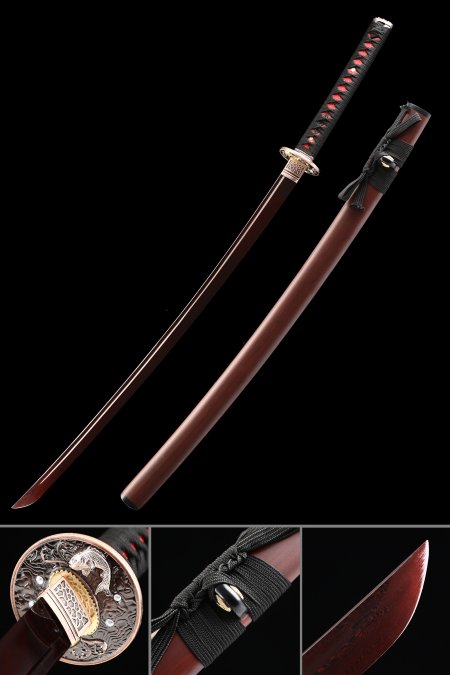
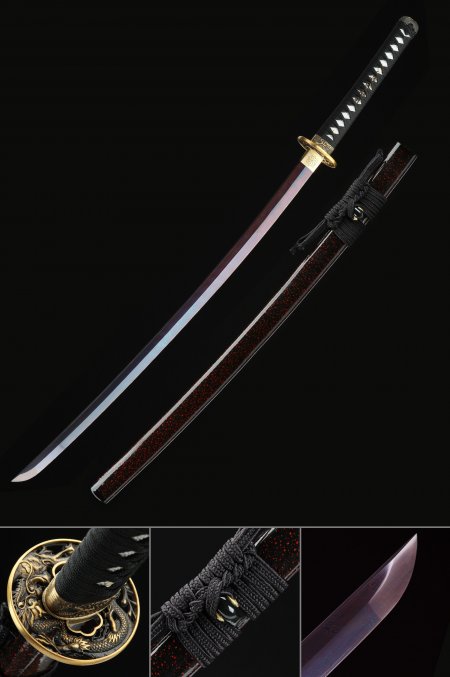
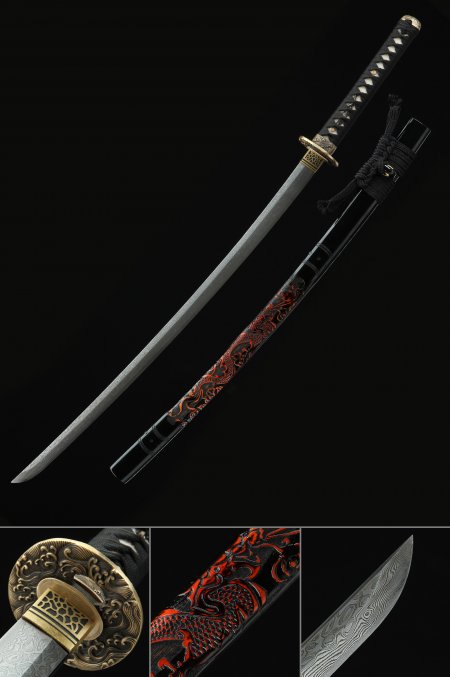
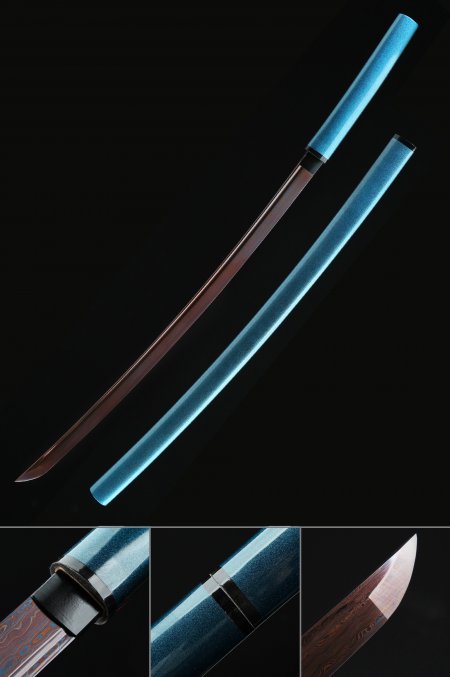
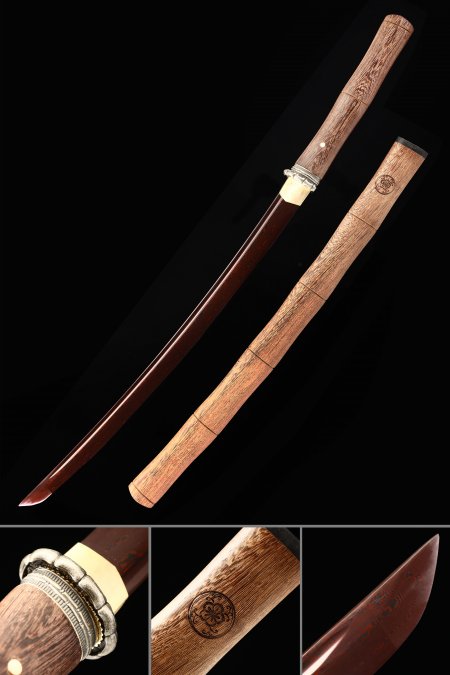
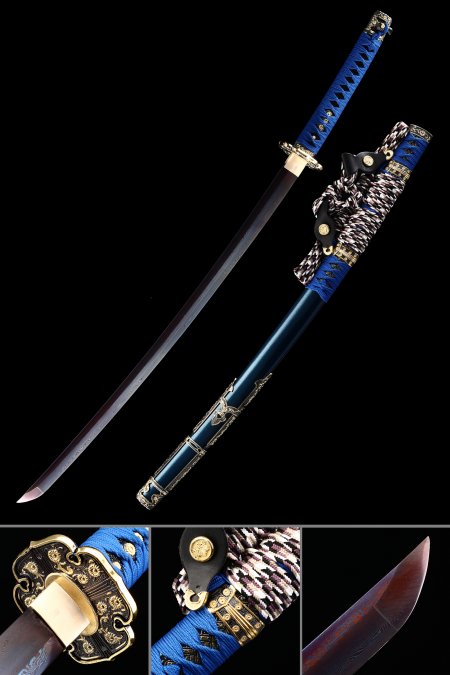
The Damascus patterning visible on these blades - sometimes called hada - results from repeatedly folding and forge-welding layers of steel during construction. As the layers compress and elongate, the different carbon content in each layer creates contrasting light and dark bands that become visible after grinding and polishing. On the olive tachi pieces, this patterning runs continuously across the flat of the blade and gives each sword a visually unique surface. No two Damascus blades are identical because the folding process distributes the layers differently each time. Collectors value this variability precisely because it makes each display piece one-of-a-kind rather than a mass-produced uniform finish.