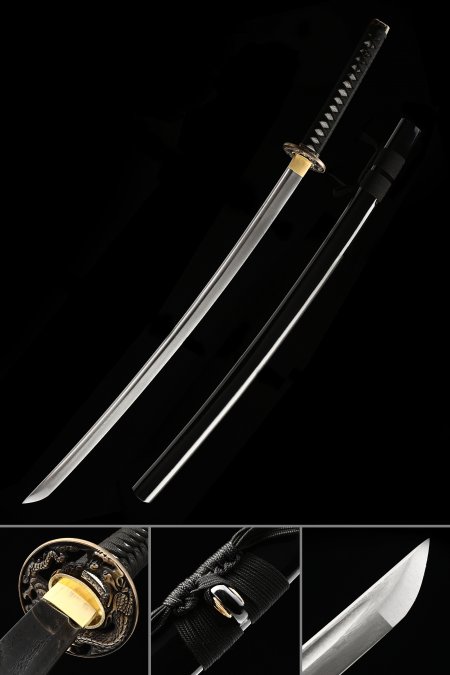
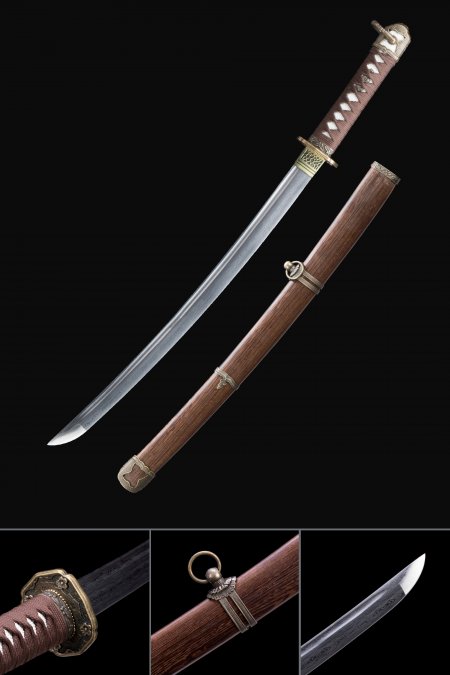
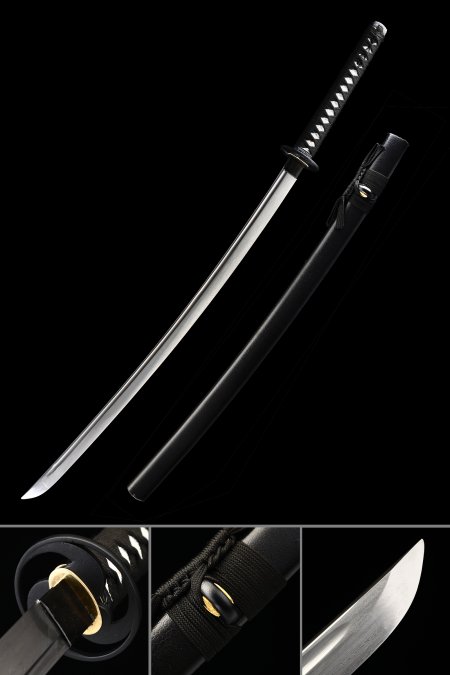
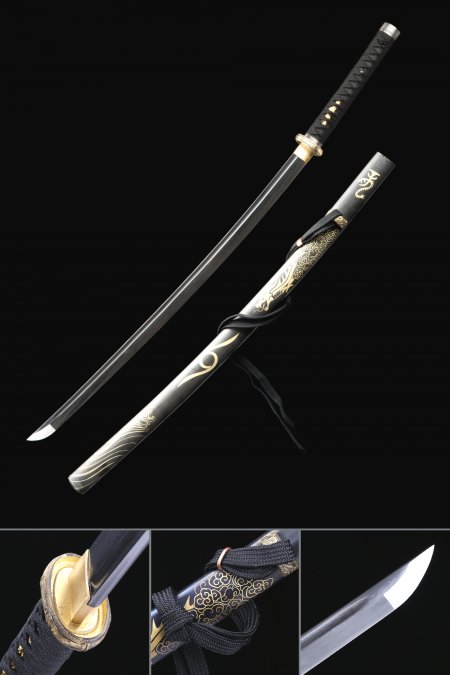
What makes Damascus steel tanto different from standard high-carbon blades?
Updated Mar 2026
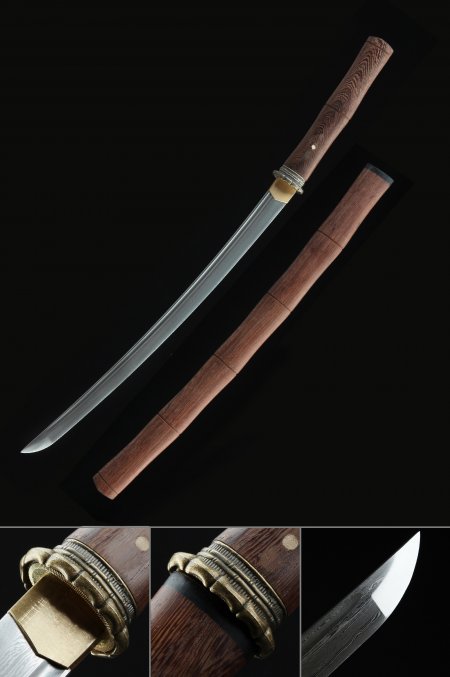
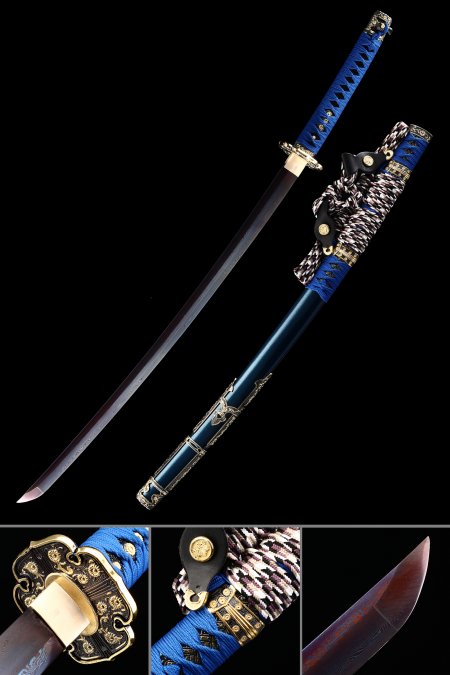
Damascus steel is produced by forge-welding multiple layers of steel with differing carbon content, then repeatedly folding and drawing out the billet under heat. This process creates the flowing, organic grain pattern visible on the blade's surface — a direct expression of the material's internal structure. Standard monosteel blades, even those made from premium high-carbon stock like 1095 or T10, present a uniform surface that relies on polishing and hamon activity for visual interest. Damascus tanto offer an additional layer of visual complexity: the pattern shifts as light moves across the blade, revealing depth that monosteel simply cannot replicate. For collectors, this distinction matters both aesthetically and in terms of the skill required to produce a coherent, well-distributed pattern across a short-blade format like the tanto.