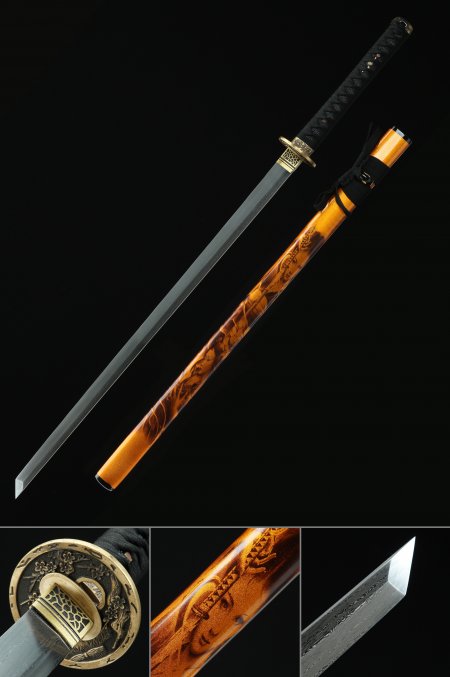
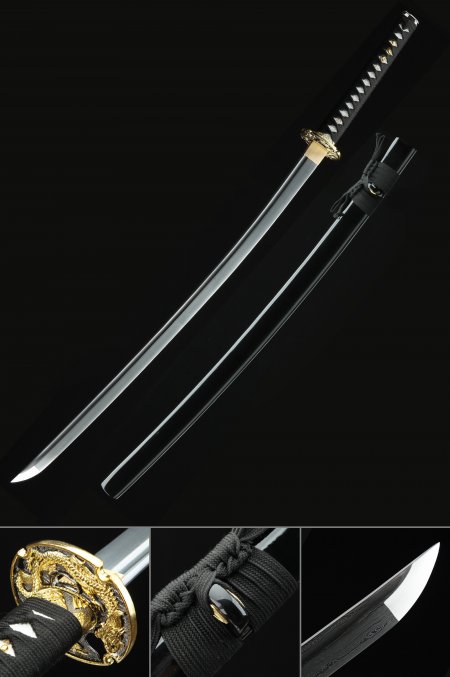
How does the gray finish form on these blades?

 Updated Mar 2026

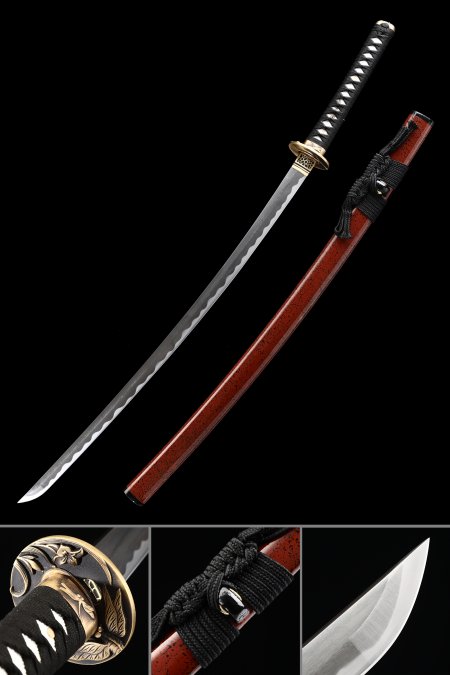
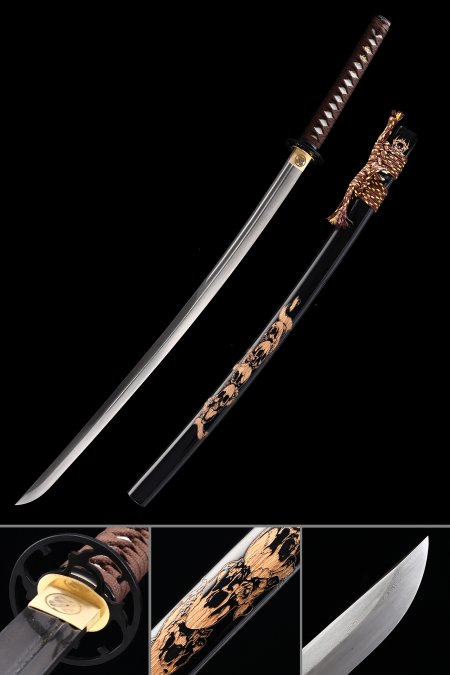
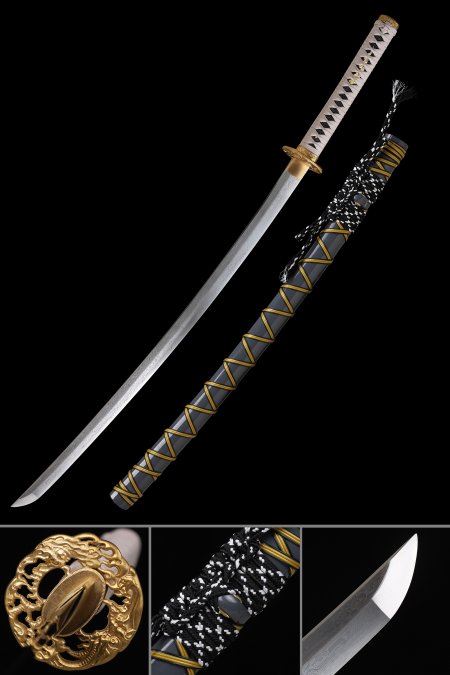
The gray tone on a melaleuca steel katana is not paint or powder coating - it develops naturally from controlled oxidation of the steel's iron content during heat treatment, combined with hand-polishing that brings the surface to a muted pewter luster rather than a mirror shine. Because the folded layers contain varying carbon concentrations, different areas of the blade absorb and reflect light at subtly different rates, giving the gray finish its characteristic depth and movement. This restrained, cool-toned surface is intentionally chosen to complement gold lacquer sayas and gilt tsubas, creating a visual contrast that collectors describe as classically balanced rather than ostentatious.
Popular Products

0% OFFkatana
0.00 USD
289.00 USD
20% OFFsakabato
189.00 USD
239.00 USD
0% OFFblack and red katana
0.00 USD
279.00 USD
0% OFFt10 clay tempered katana
0.00 USD
229.00 USD
20% OFF
249.00 USD
309.00 USD
0% OFFtraditional katana
0.00 USD
229.00 USD
0% OFF
0.00 USD
309.00 USD
15% OFFred katana
189.00 USD
219.00 USD
20% OFFjapanese wakizashi
229.00 USD
289.00 USD
15% OFFshirasaya katana
239.00 USD
279.00 USD
0% OFFstraight katana
0.00 USD
269.00 USD
20% OFFblack katana
169.00 USD
209.00 USD
0% OFFkatana
0.00 USD
289.00 USD
20% OFFsakabato
189.00 USD
239.00 USD
0% OFFblack and red katana
0.00 USD
279.00 USD
0% OFFt10 clay tempered katana
0.00 USD
229.00 USD
20% OFF
249.00 USD
309.00 USD
0% OFFtraditional katana
0.00 USD
229.00 USD
0% OFF
0.00 USD
309.00 USD
15% OFFred katana
189.00 USD
219.00 USD
20% OFFjapanese wakizashi
229.00 USD
289.00 USD
15% OFFshirasaya katana
239.00 USD
279.00 USD
0% OFFstraight katana
0.00 USD
269.00 USD
20% OFFblack katana
169.00 USD
209.00 USD

Explore Our Collections