Gray Melaleuca Steel Katana
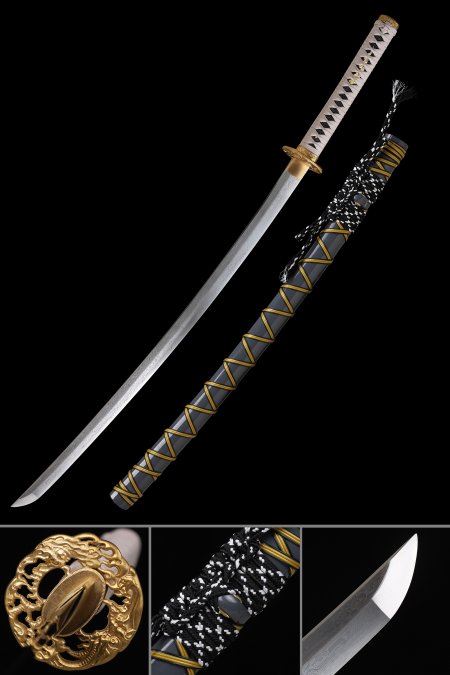
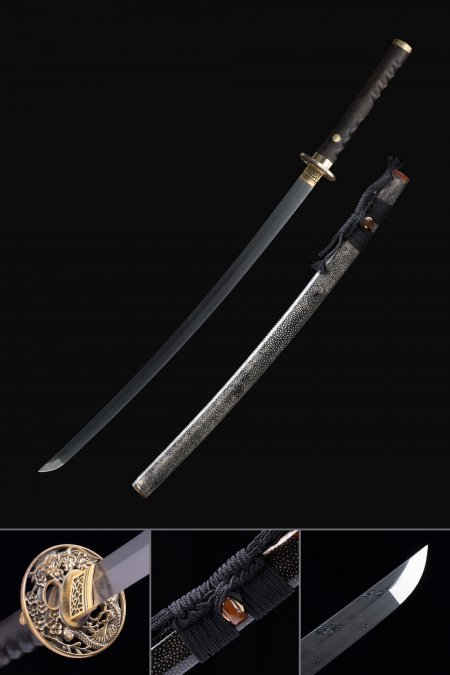
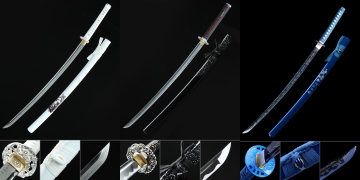
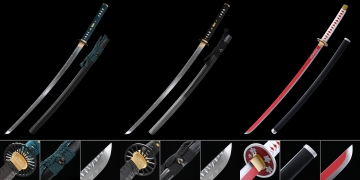
Gray Melaleuca Steel Katana showcases the timeless art of folded-layer forging, where repeated manipulation of high-carbon steel produces a distinctively patterned surface that collectors prize for its organic depth and visual complexity. Each piece in this collection pairs that layered metallurgy with hand-fitted rayskin grips, ornate cast tsubas, and lacquered sayas finished in refined gray and gold tones. Free standard shipping is included on every order, backed by our hassle-free return policy.
2 Reviews
ON SALE 15% OFF
$449.00$529.00
Related Collections
Frequently Asked Questions
What exactly is melaleuca steel in a katana?
Melaleuca steel refers to high-carbon steel that has been repeatedly folded and consolidated during the forging process, producing a blade surface covered in flowing, layered striations reminiscent of wood grain or tree bark - which is where the "tea tree" name originates. Each folding pass doubles the internal layer count, so a blade folded ten times contains over a thousand distinct layers. The result is a surface pattern that is entirely unique to each individual piece, impossible to replicate exactly, and visible to the naked eye once the blade is polished. This is why collectors specifically seek melaleuca-forged blades: the pattern is not decorative printing or acid etching but a direct expression of the smith's forging process, making the blade a permanent record of that handwork.
How does the gray finish form on these blades?
The gray tone on a melaleuca steel katana is not paint or powder coating - it develops naturally from controlled oxidation of the steel's iron content during heat treatment, combined with hand-polishing that brings the surface to a muted pewter luster rather than a mirror shine. Because the folded layers contain varying carbon concentrations, different areas of the blade absorb and reflect light at subtly different rates, giving the gray finish its characteristic depth and movement. This restrained, cool-toned surface is intentionally chosen to complement gold lacquer sayas and gilt tsubas, creating a visual contrast that collectors describe as classically balanced rather than ostentatious.
How is melaleuca steel different from T10 tool steel?
T10 tool steel is a monosteel - a single, chemically consistent alloy (high carbon, with added tungsten for wear resistance) that is not folded. Its grain structure is uniform throughout, and its appeal lies in hardness consistency and predictable performance characteristics valued by purists. Melaleuca steel, by contrast, introduces deliberate variation through folding: the visible grain pattern, the slight differences in surface reflectivity across the blade, and the one-of-a-kind aesthetic are products of that process. From a display and collectibility standpoint, T10 offers refined uniformity while melaleuca offers visible craft history. Both materials appear in this catalog, allowing collectors to compare surface philosophies side by side.
What's the best way to maintain the layered surface finish?
The folded surface of a melaleuca steel blade is more visually expressive than a polished monosteel blade, but it requires the same fundamental care. After any handling, remove fingerprint oils immediately with a lint-free cloth - skin oils accelerate surface oxidation and can obscure the grain pattern over time. Follow with a thin application of choji oil or camellia oil applied on a soft cotton pad, working from the spine toward the edge in one direction. Store the katana horizontally in its saya in a climate-controlled space with low humidity; moisture is the primary enemy of both the blade's finish and the lacquered saya. Avoid placing the piece near windows where UV exposure can fade the ito wrapping and saya lacquer. Reapply oil every two to three months during storage.
Are gray melaleuca steel katanas suitable as display gifts?
Yes - and they make particularly thoughtful gifts for collectors who already own one or two katanas and are looking to add a piece with visible craft distinction. The combination of a patterned gray blade, a sculpted gold tsuba (dragon or tiger motifs are both strong choices), and a color-coordinated lacquered saya means the piece presents well in a display stand without any additional framing or mounting required. For gifting purposes, the layered blade also provides an easy conversation point: the grain pattern is immediately visible and prompts natural curiosity about how the forging process works, making the piece educational as well as visually compelling. Pair with a katana display stand for a complete presentation.