What is a hamon, and why do collectors care about it?
Updated Mar 2026
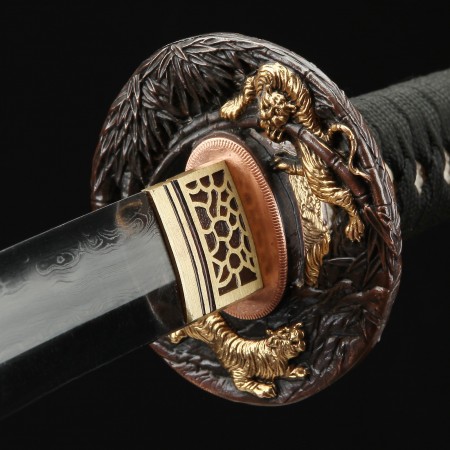
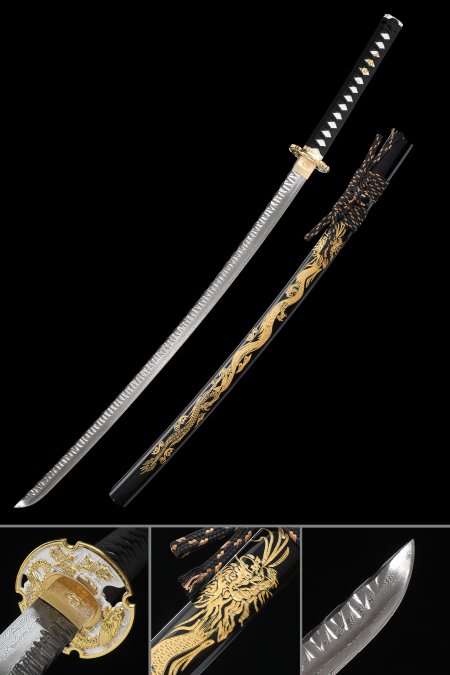
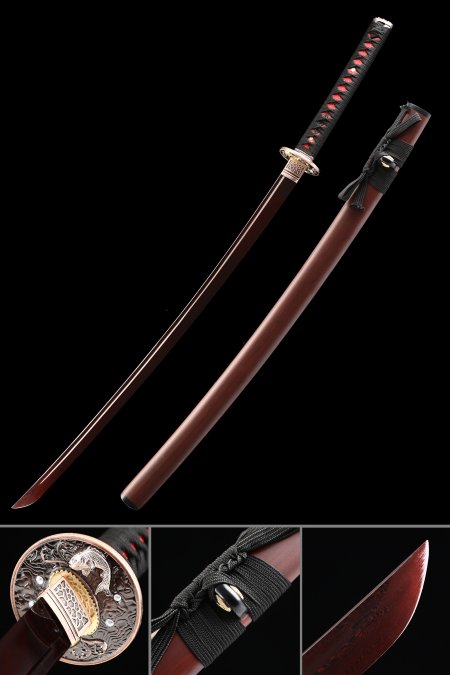
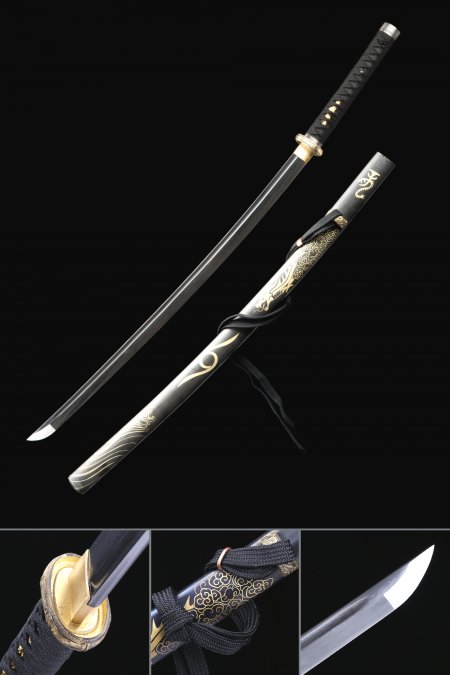
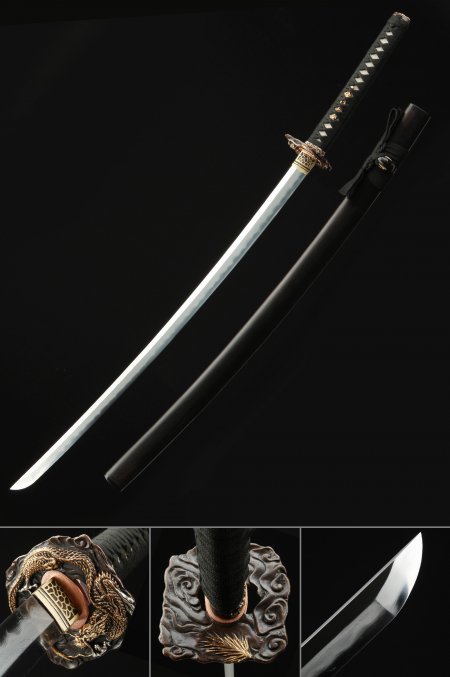
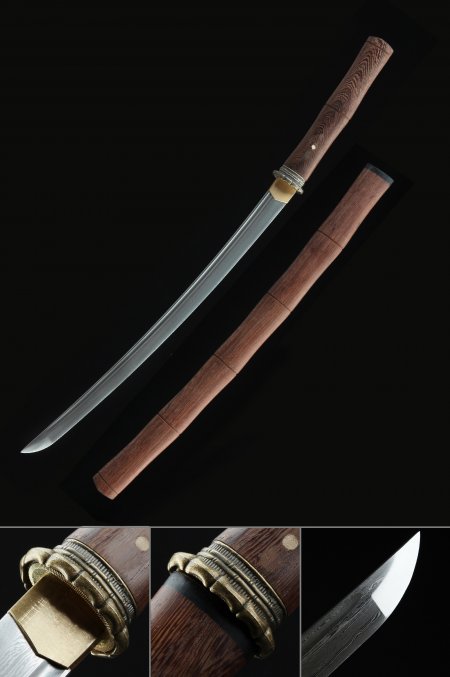
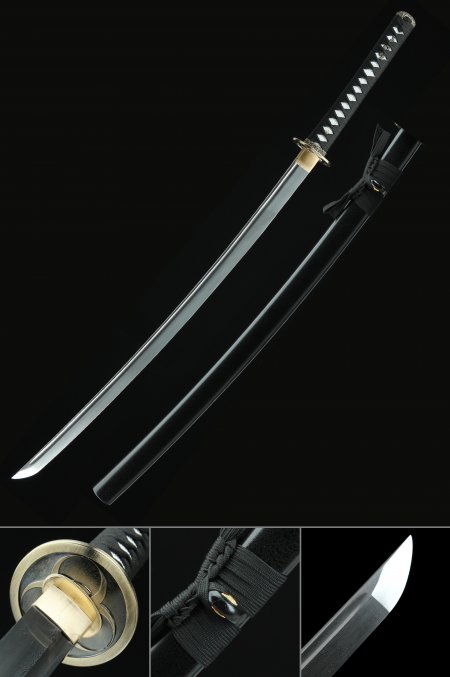
A hamon is the visible temper line that forms along a blade's edge during differential heat treatment, where the edge is heated and quenched more rapidly than the spine. In genuine differential heat treatment, this produces a martensitic edge and a softer pearlitic spine, with the boundary manifesting as a misty, cloud-like line visible after polishing. On display-grade Damascus wakizashi, a real hamon adds a second layer of surface artistry independent of the Damascus patterning — the two visual elements interact across the blade's width, with the hamon's irregular topography cutting across the steel's grain lines. Collectors value this because it signals authentic heat-treatment process rather than a cosmetic acid wash alone, and it adds depth and authenticity that elevates a piece from decorative replica to genuine craft object.