What is the difference between a T10 wakizashi and a Damascus wakizashi in this range?
Updated Feb 2026
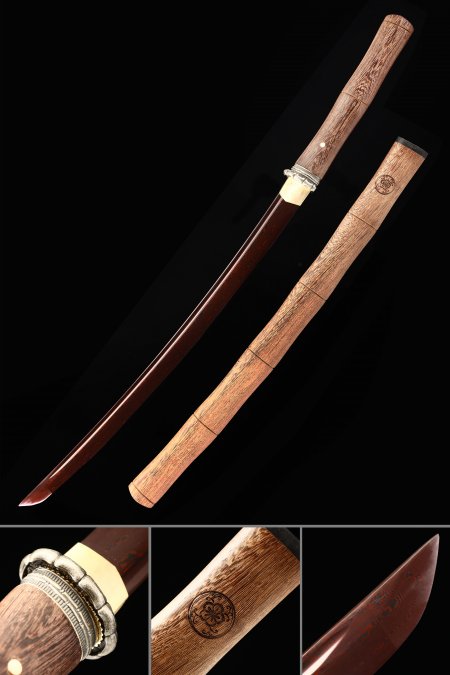
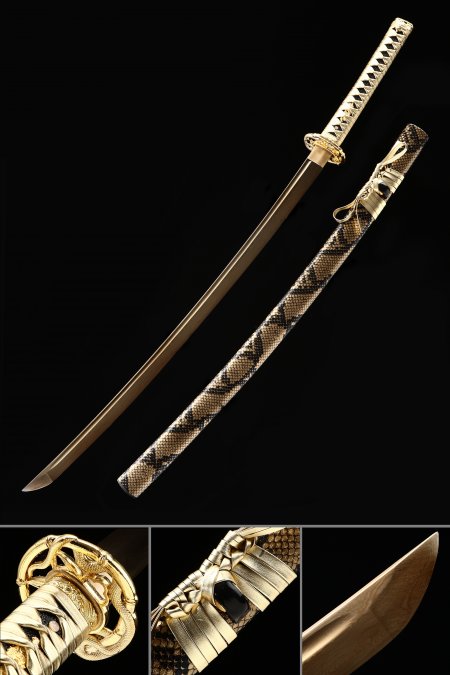
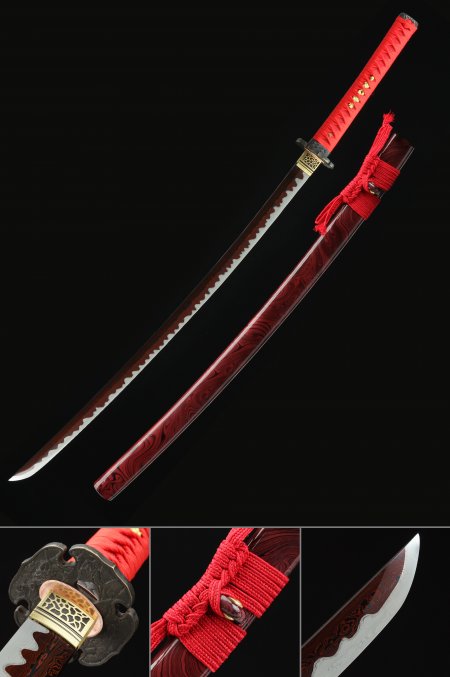
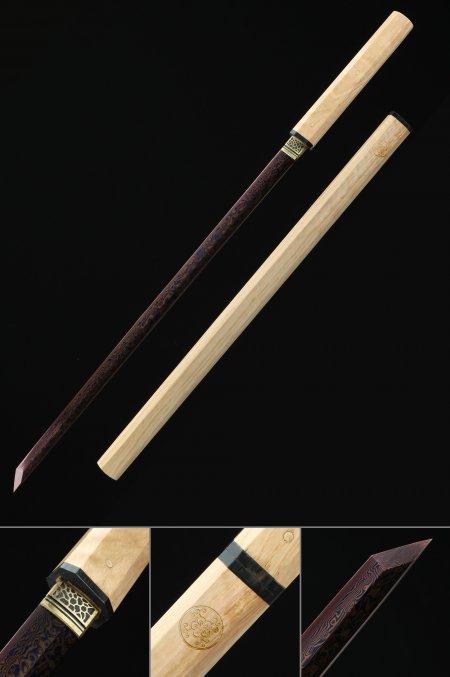
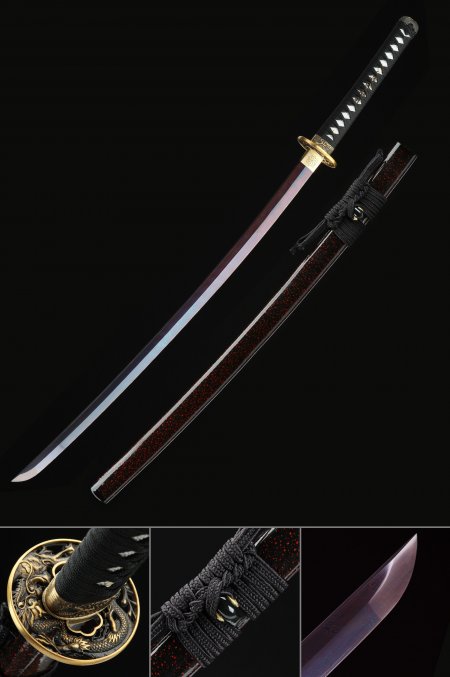
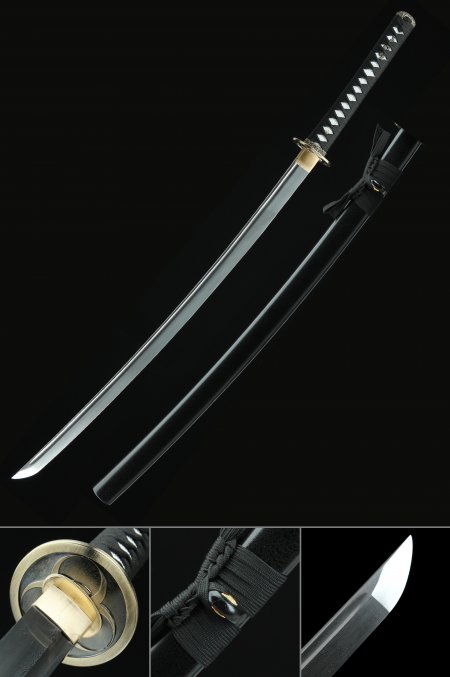
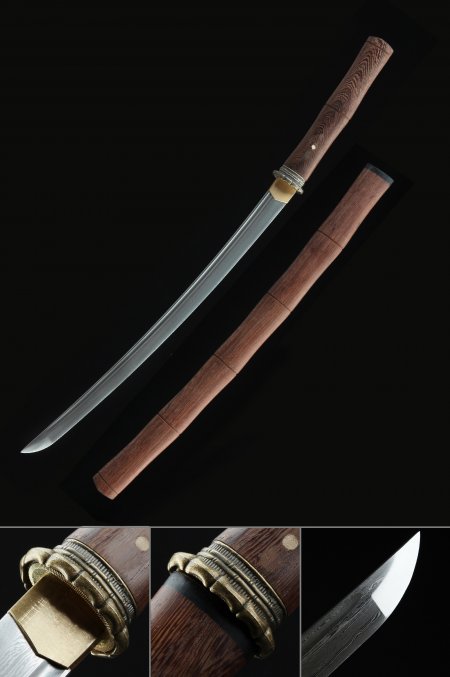
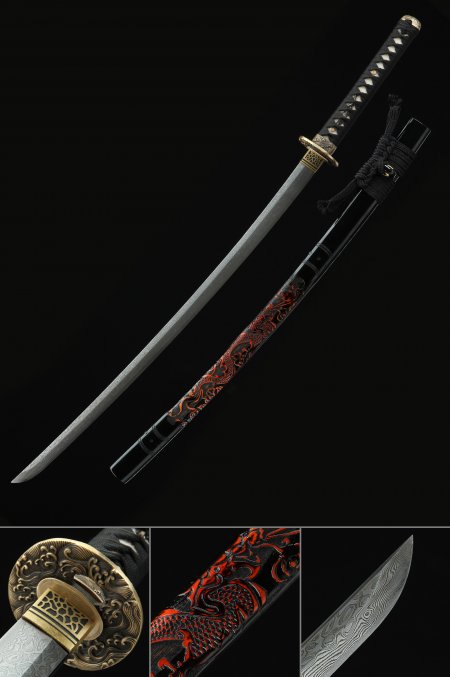
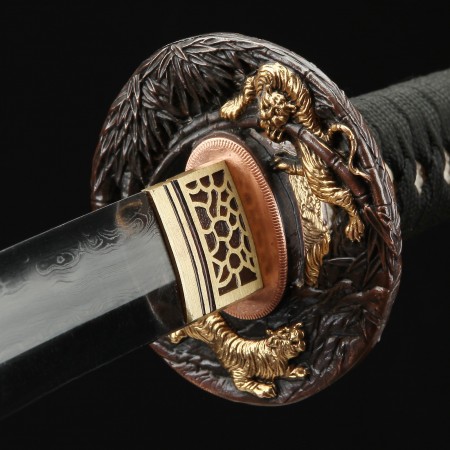
A T10 wakizashi and a Damascus wakizashi in this collection are both high-quality companion swords with full-tang construction, but they produce different visual and structural results. T10 clay-tempered steel is a high-carbon tool steel that, through the clay tempering process, produces a clear hamon along the edge - the differential hardening line that is one of the most prized aesthetic features of traditional Japanese sword production. The hamon on a T10 blade is a technical feature created by the differential hardening of the edge zone and the spine during the quench. Damascus pattern-welded steel is made by forge-welding multiple steel types together and working the billet to create flowing grain layers revealed by acid etching. The Damascus blade's visual character is in the grain pattern distributed across the full blade surface rather than in the edge zone specifically. Both are genuinely beautiful and technically interesting blades, and the choice between them comes down to whether you prefer the refined linear character of a hamon or the organic distributed pattern of Damascus grain.