Does the black aesthetic treatment process differ on handmade blades compared to factory-produced bl
Updated Feb 2026
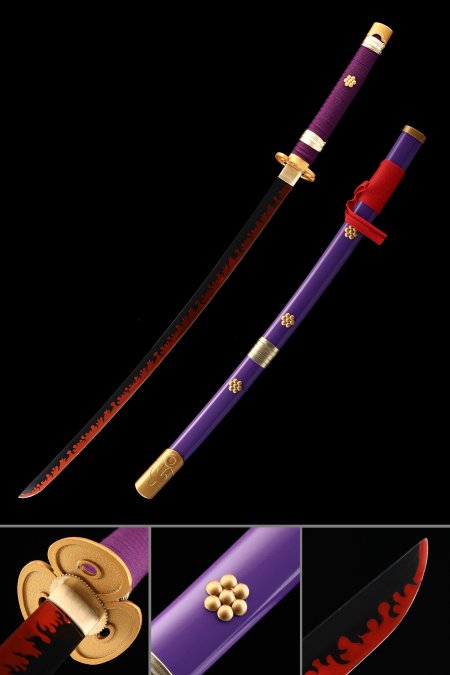
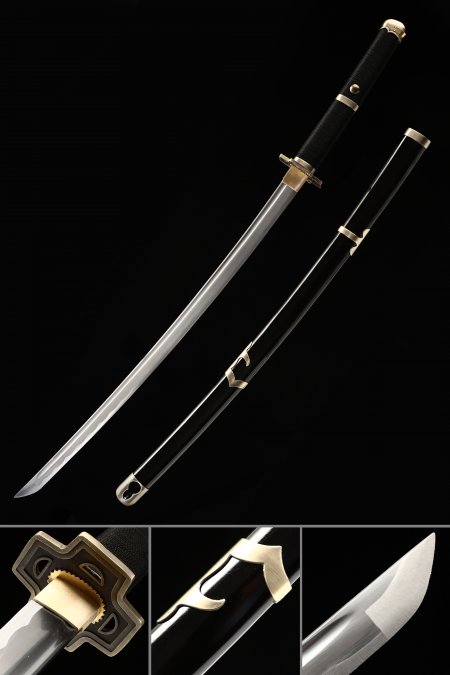
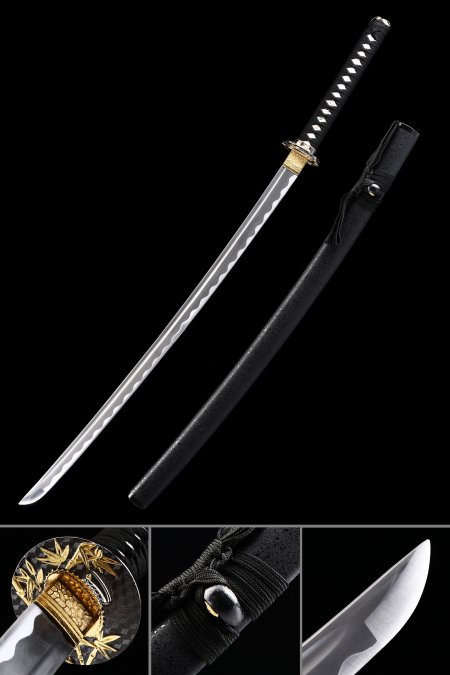
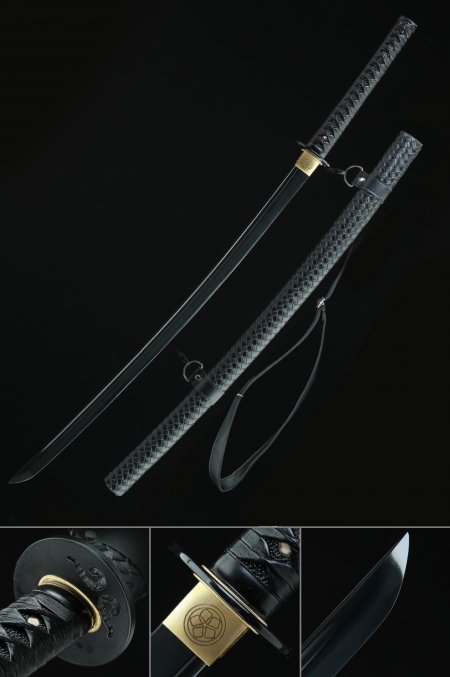
The black aesthetic application differs significantly between handmade and factory-produced blades, though both may appear similar in photographs. On handmade black katana, the blade darkening is typically achieved through controlled oxidation, acid-based patination, or traditional lacquer application methods that interact with the hand-forged steel surface. Because hand-forged steel has natural variations in carbon distribution and surface texture, the black coloring develops slightly different character across the blade — subtle depth variations that give the surface visual complexity under changing light. Factory black katana typically receive uniform chemical coating or paint applied by spray or dip methods to machine-ground surfaces, producing perfectly even coverage with no variation. The fittings on handmade pieces are individually blackened through processes like oil quenching for iron components, producing natural dark patina, while factory pieces typically use uniform powder coating or electroplating. The practical difference for collectors is that handmade black katana develop increasingly distinctive character over time as the natural patina evolves, while factory coatings remain static or simply degrade.