What creates the visible grain patterns on folded steel katana blades, and why is each one unique?
Updated Feb 2026
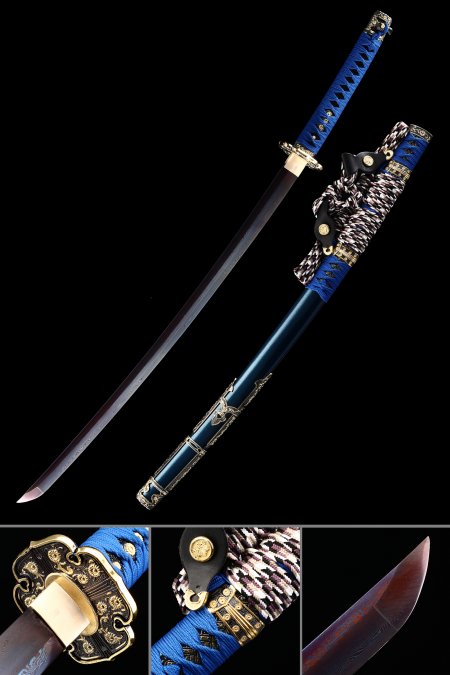
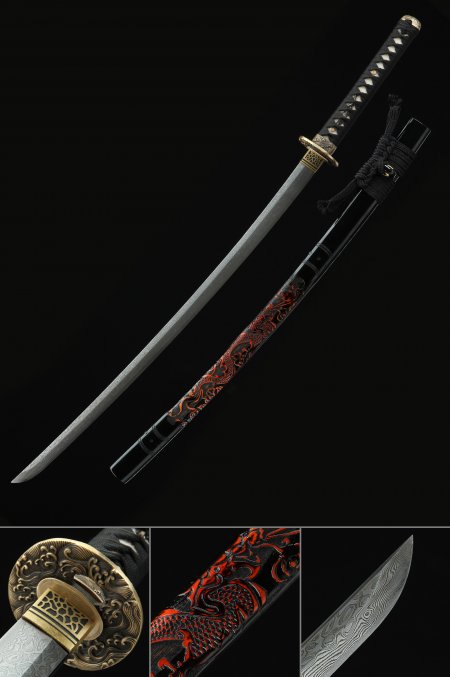
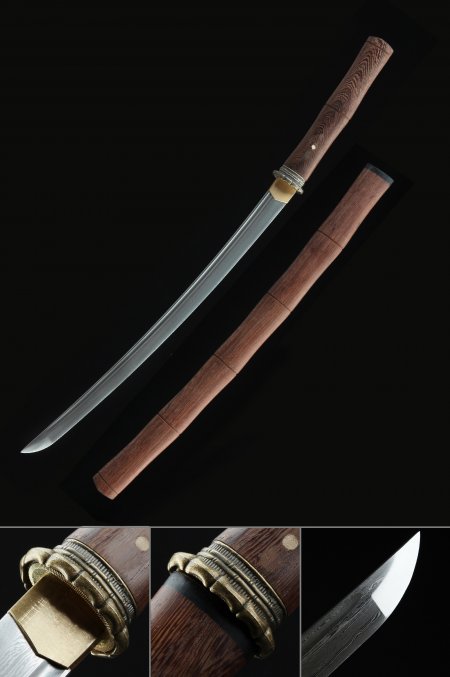
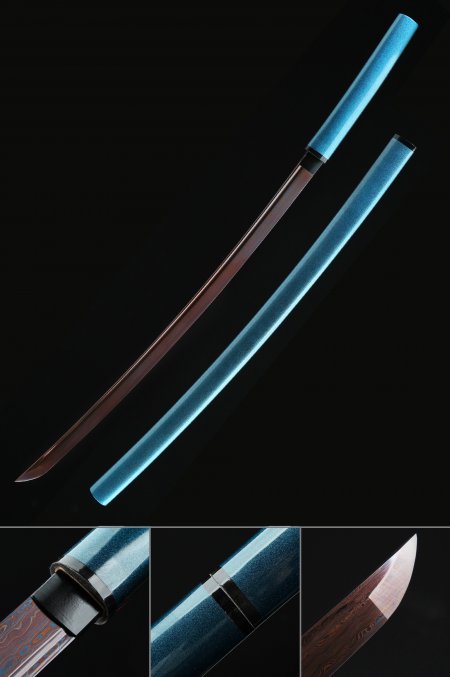
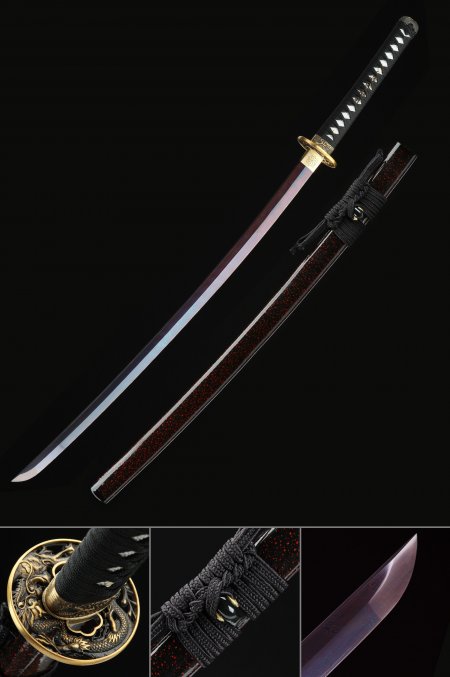
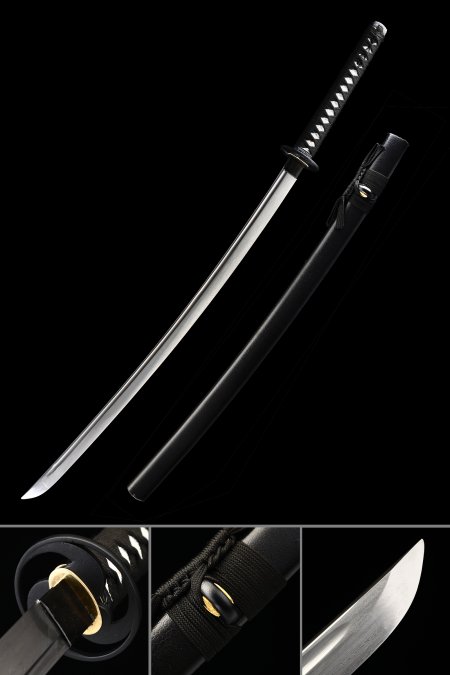
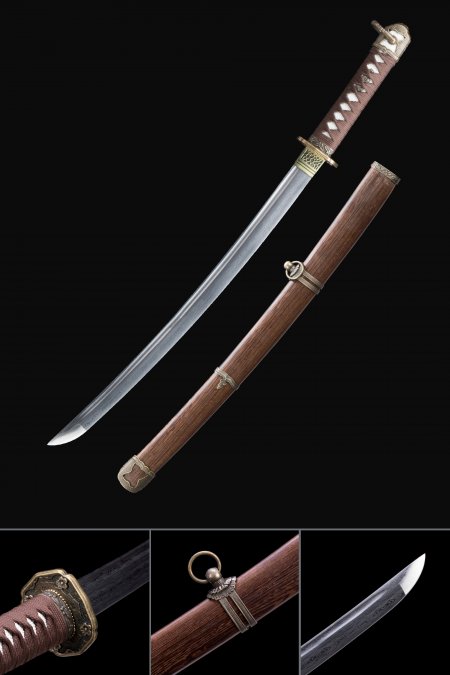
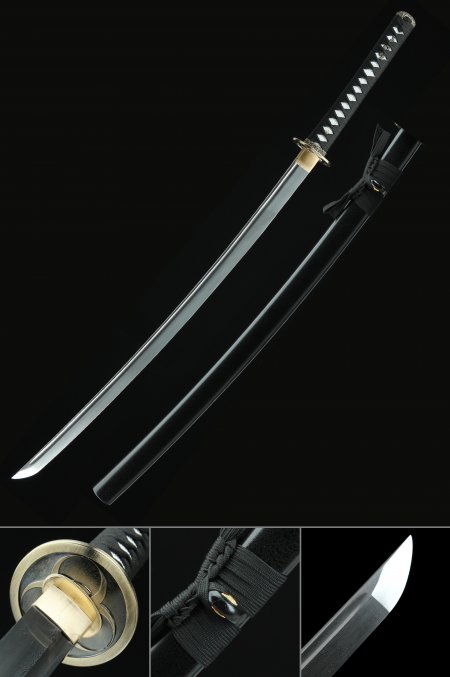
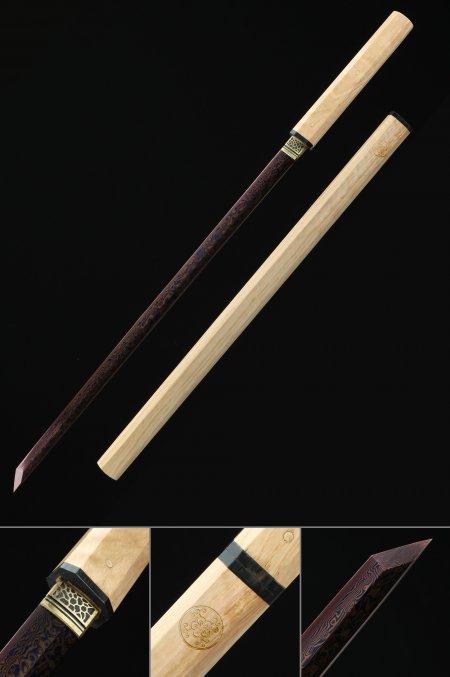
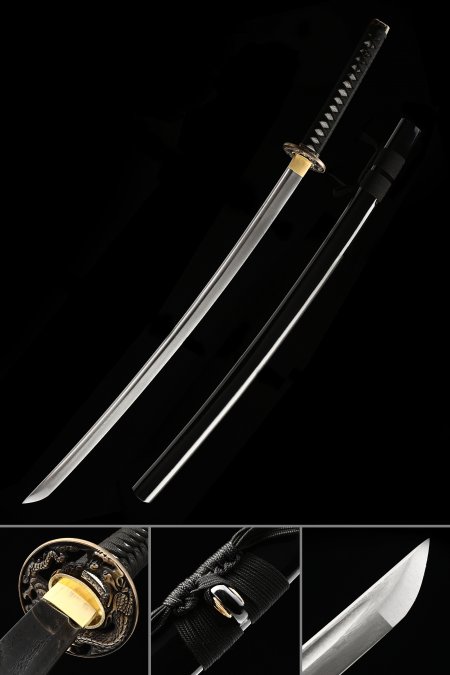
The grain patterns result from the folding and forge-welding process used to create the blade. The smith heats a steel billet, hammers it flat, folds it over itself, and welds the layers together through further hammering at high temperature. Each fold doubles the layer count and creates a new interface between the steel surfaces. When the finished blade is polished and etched with mild acid, these layer interfaces become visible as flowing patterns in the steel surface because the different layers respond slightly differently to the acid treatment. Each blade’s grain is unique because the exact way the steel folds, moves, and welds during forging is influenced by variables that cannot be precisely repeated: hammer force, temperature distribution, folding direction, and the natural behavior of the specific steel being worked. Two blades folded the same number of times by the same smith will show recognizably similar grain character but never identical patterns.