Which steel type produces the most authentic samurai katana?
Updated Feb 2026
1 Viewed
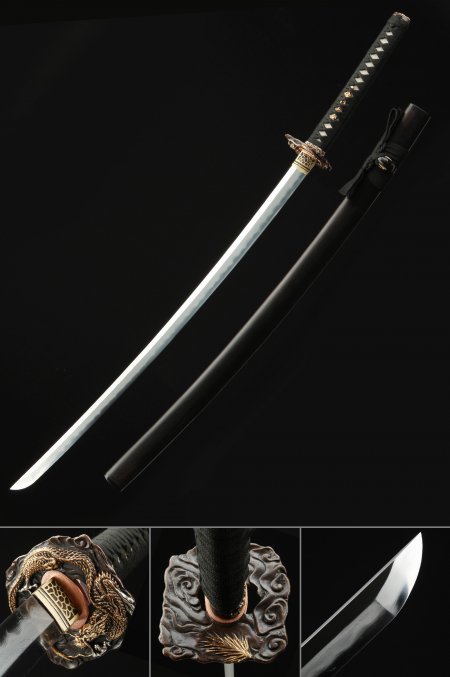
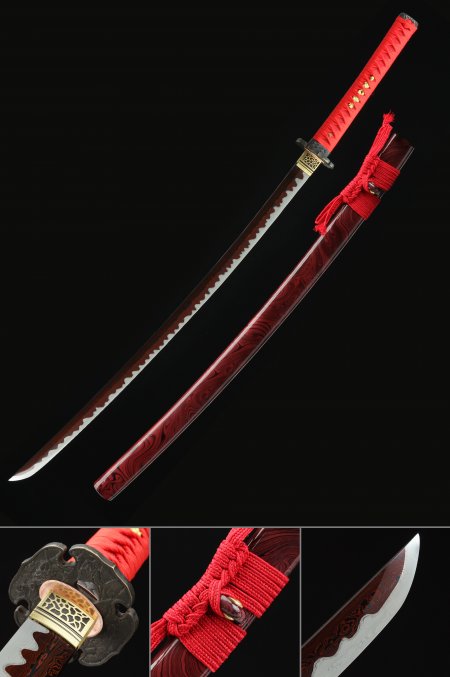
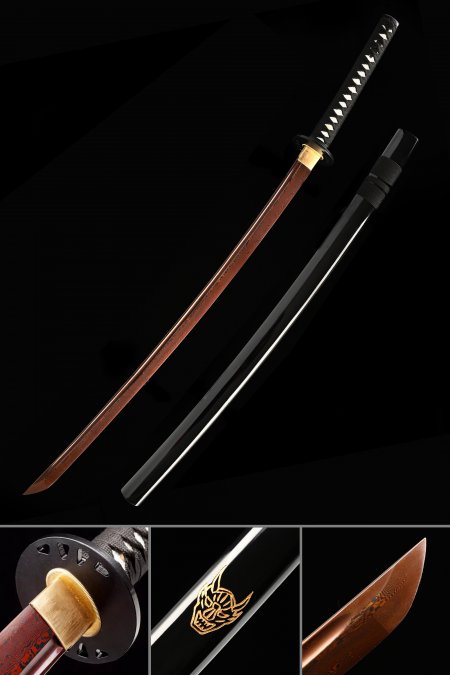
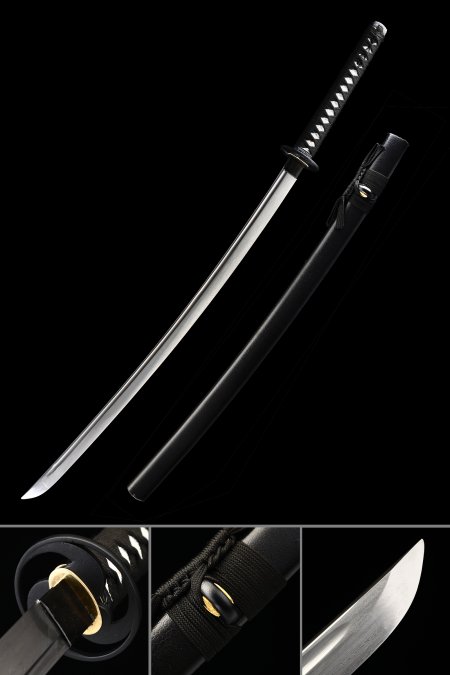
T10 tool steel and 1095 high-carbon steel produce the most traditionally accurate results. Both have high carbon content that responds exceptionally well to differential clay tempering, creating vivid and well-defined hamon temper lines with visible crystalline activity (nie and nioi) along the boundary. Damascus and folded steel katana add the historical technique of repeated folding, which was used by traditional Japanese smiths to homogenize the steel and remove impurities. For collectors prioritizing the most authentic forging process, a clay-tempered T10 or 1095 katana with a Damascus option for layered surface aesthetics represents the closest approximation to historical Japanese blade making available today.