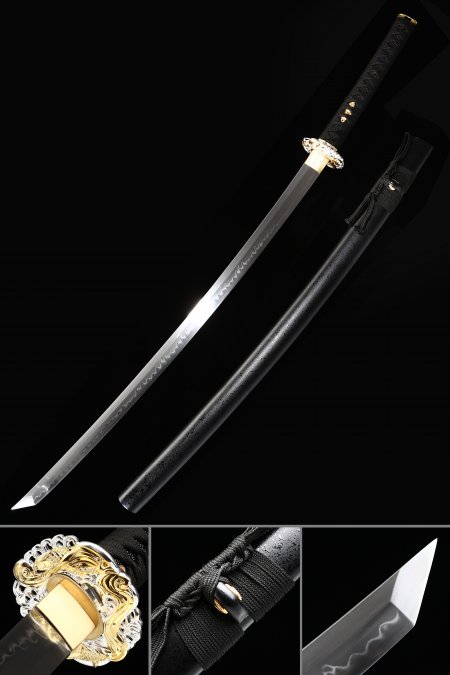
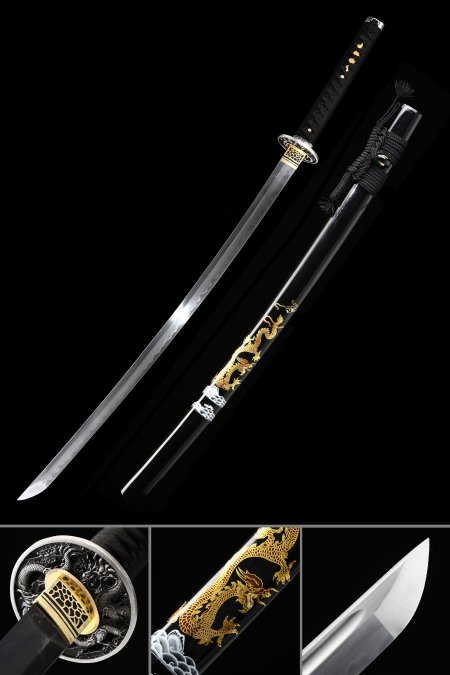
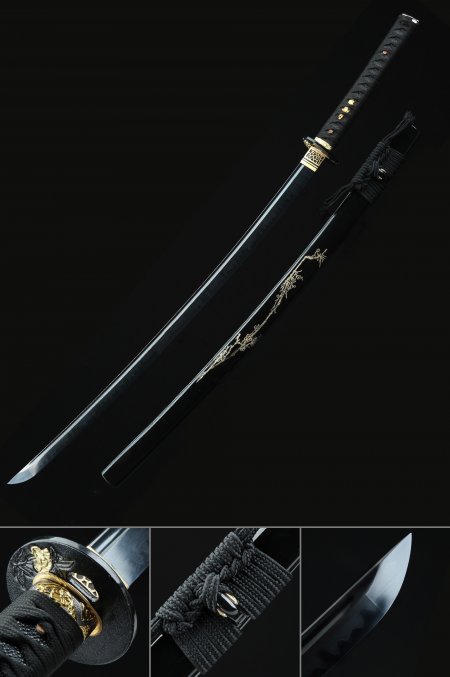
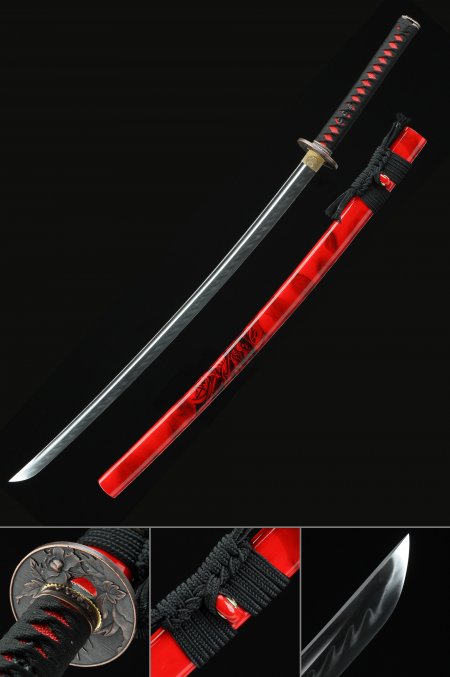
How does the hamon appear on T10 clay-tempered o-katana blades?
Updated Feb 2026
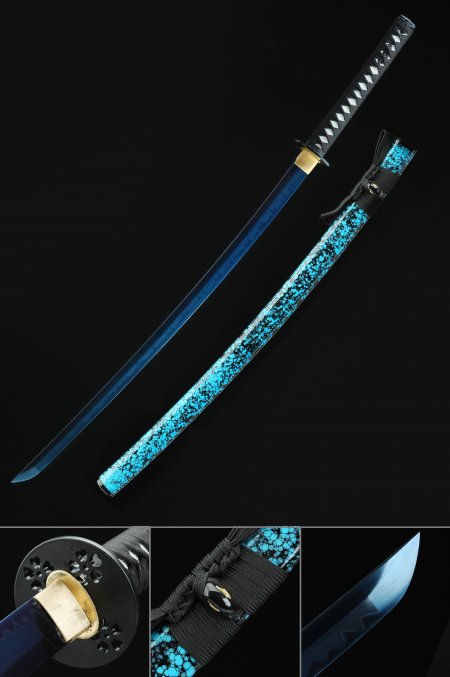
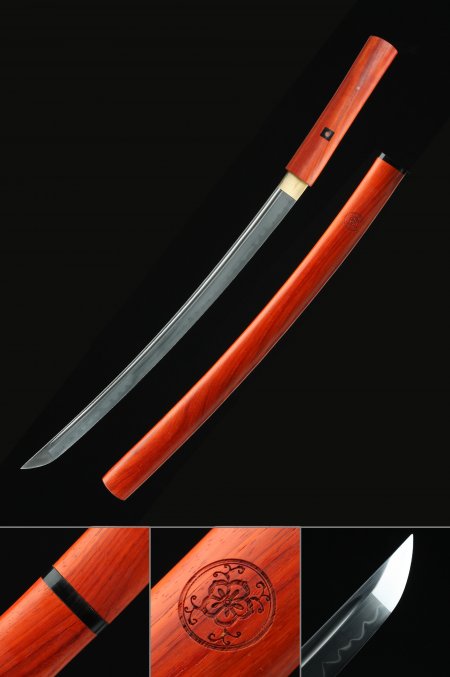
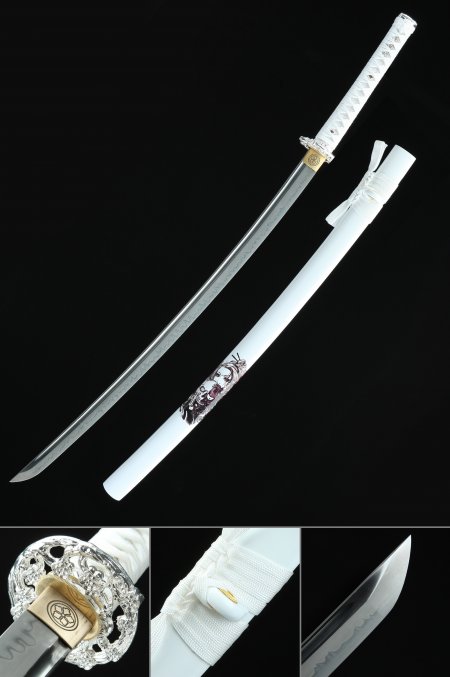
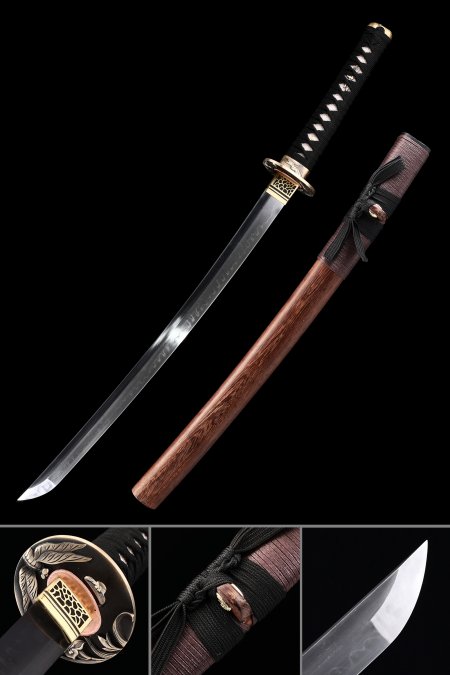
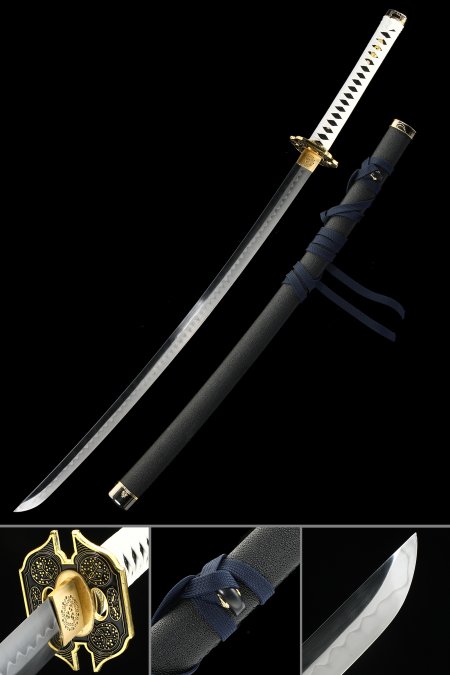
The hamon on a T10 clay-tempered o-katana blade is a visible line along the blade's edge that marks the boundary between the hardened edge zone and the unhardened body of the blade. On T10 steel, which has sufficient carbon content to develop a well-defined hardening boundary, the hamon is typically clearly visible with the naked eye and shows significant detail under examination with a light source angled across the blade surface. The hamon's shape - whether it runs in a straight line, in undulating waves, or in complex patterns - is determined by the pattern in which the smith applies the clay coating before quenching. The o-katana swords in this collection have individually applied clay tempering, which means each blade's hamon has a specific character rather than being uniform across the production range. On a longer blade, the hamon covers more of the sword's surface and creates a more extended visual feature - the line and its associated nie and nioi activity are visible across a greater proportion of the blade than on a standard-length katana.