What is the hamon like on a 1065 katana and how does it compare to T10?
Updated Feb 2026
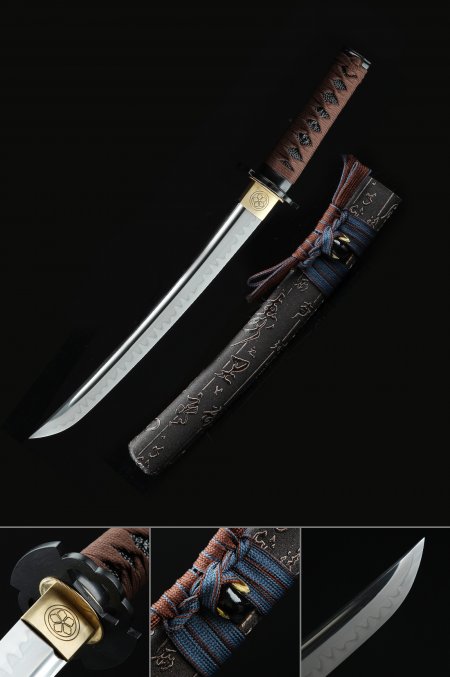
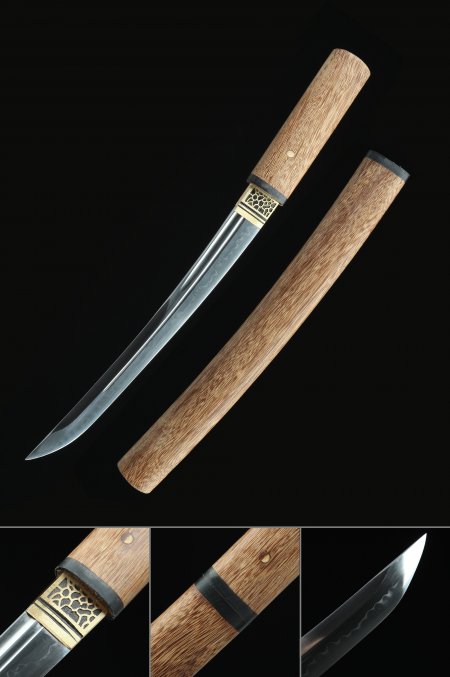
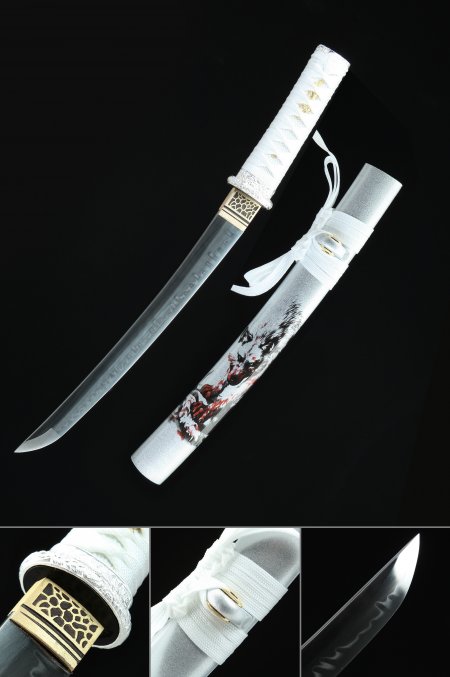
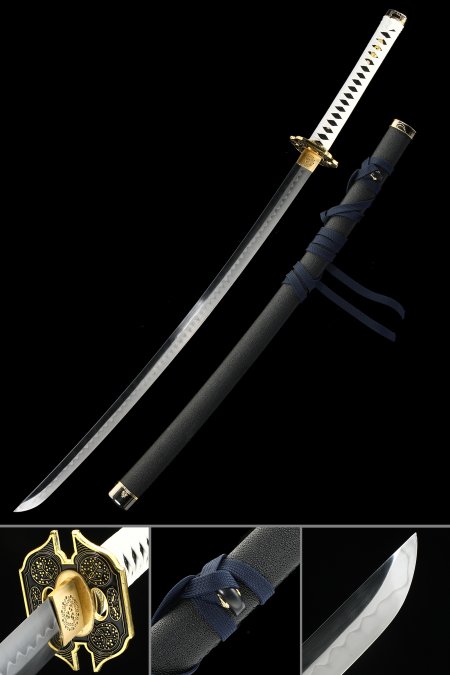
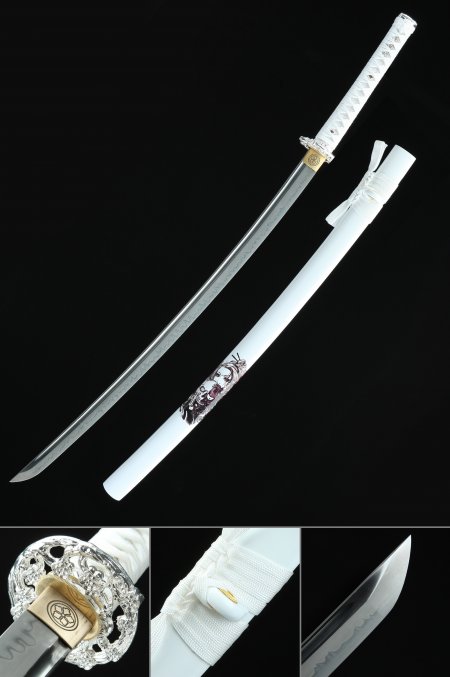
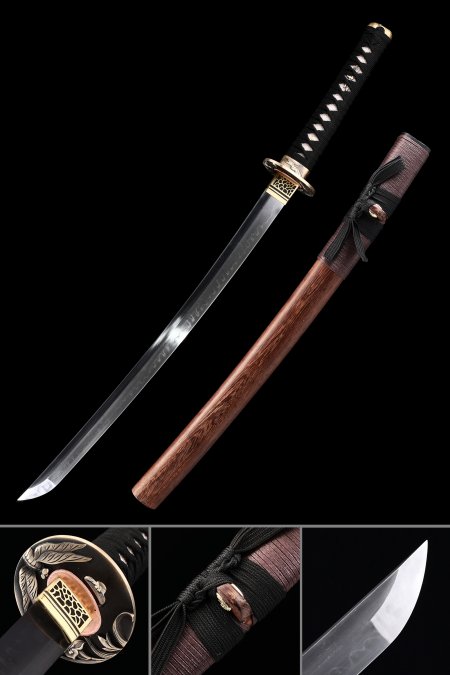
The hamon on a 1065 katana produced through standard heat treatment is a genuine differential hardening line that is visible under examination with angled light or a light source moved along the blade surface. It typically runs in a relatively straight or gently undulating line along the edge zone and shows some activity in the transition area between the hardened edge and the unhardened spine. Compared to T10 clay-tempered steel, the 1065 hamon is less defined and shows less of the fine crystalline activity - nie and nioi - visible in the transition zone of a well-tempered T10 blade. T10 clay tempering can produce hamon with complex shapes, significant nie activity, and a transition zone that rewards extended examination. The 1065 hamon is subtler - clearly present and technically real, but quieter in its visual character. For collectors who appreciate the presence of a real hamon without needing it to be the dominant visual feature of the sword, 1065 provides this in a sword that also has reliable structural integrity and accessible care requirements.