How does metal construction differ between quality tanto and decorative versions?
Updated Feb 2026
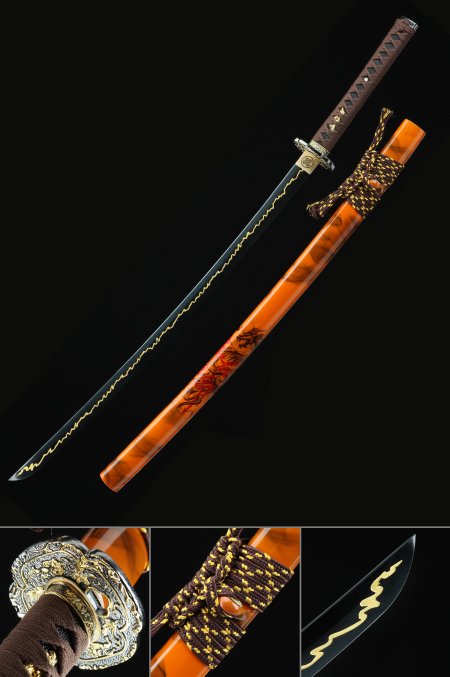
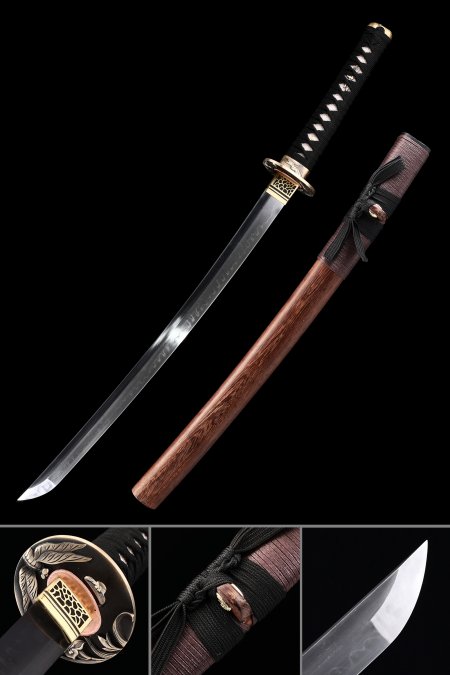
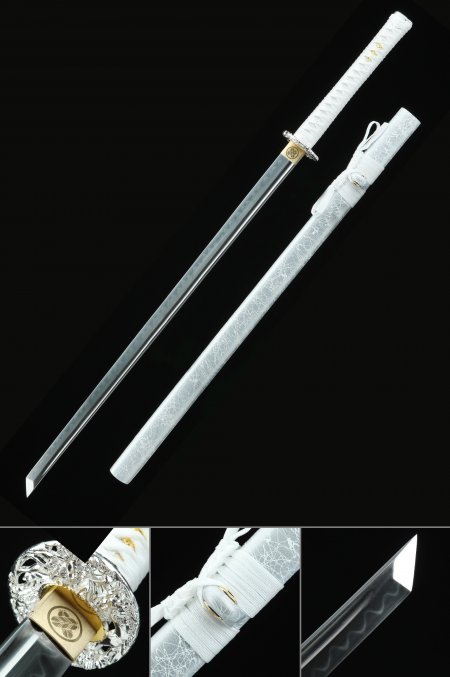
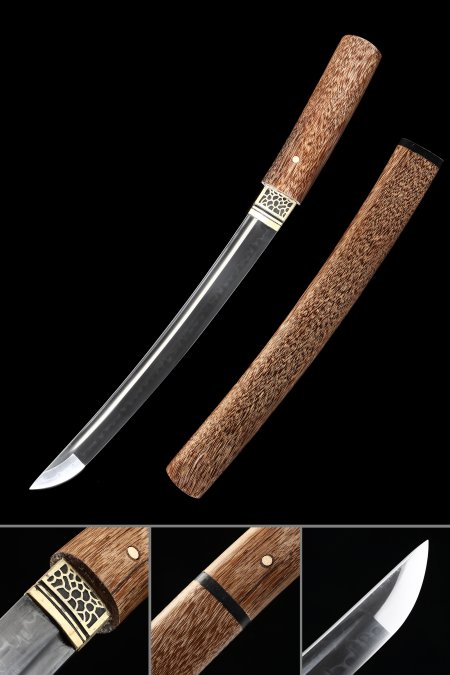
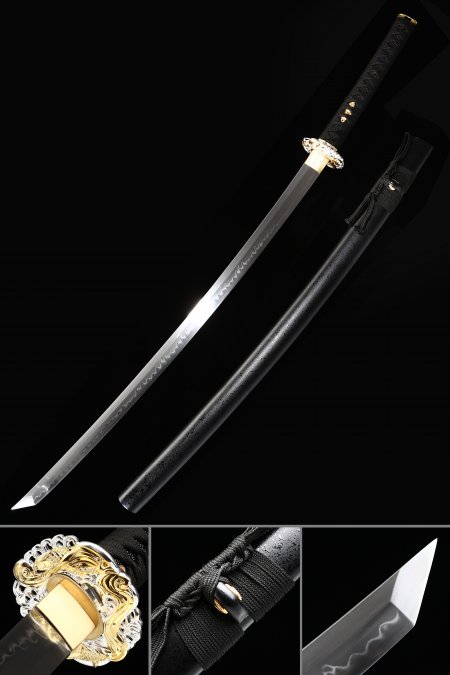
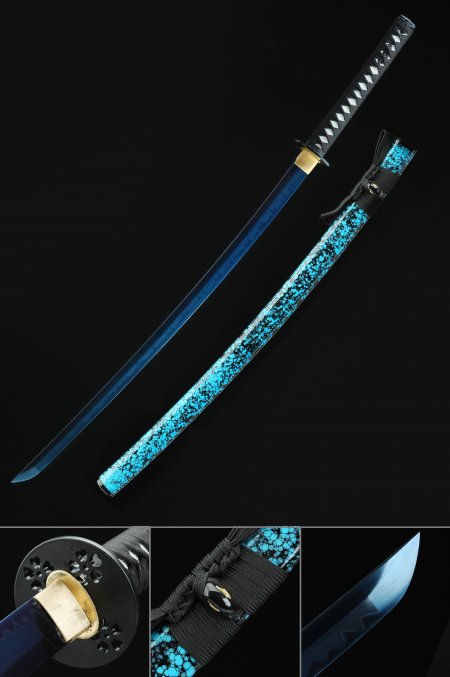
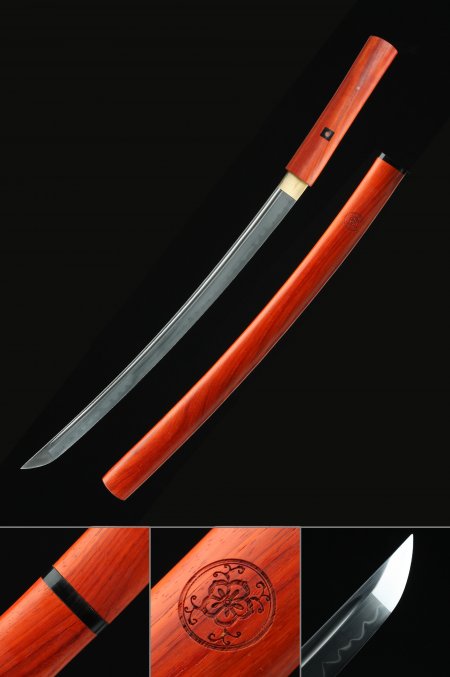
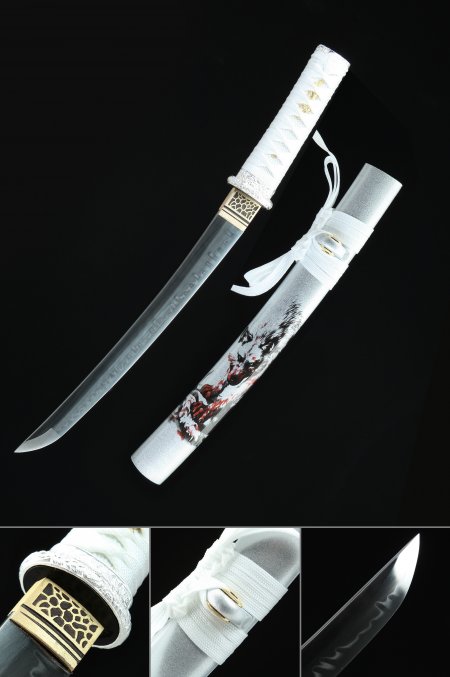
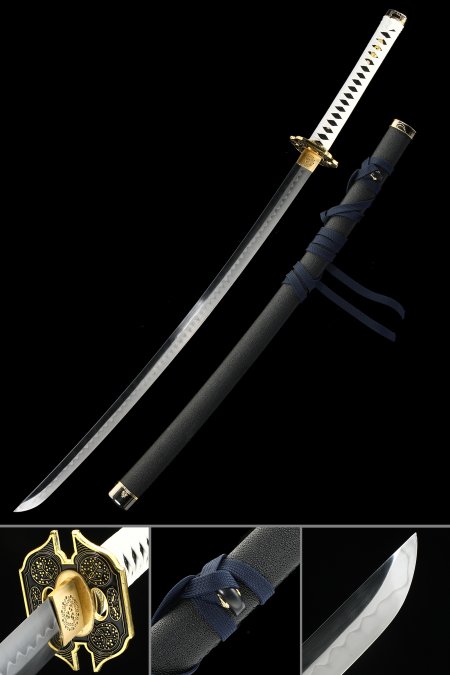
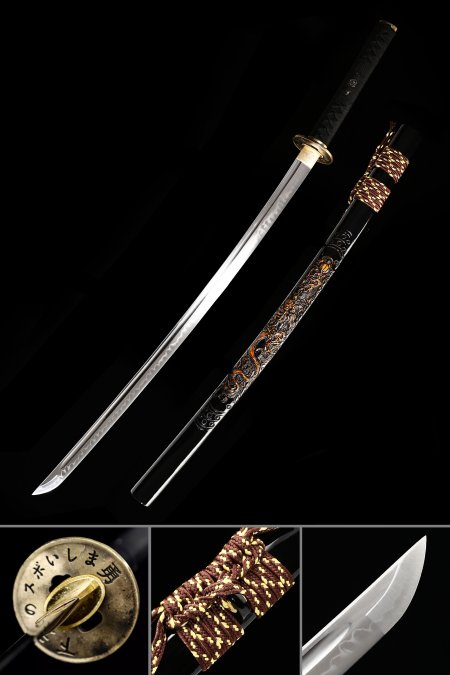
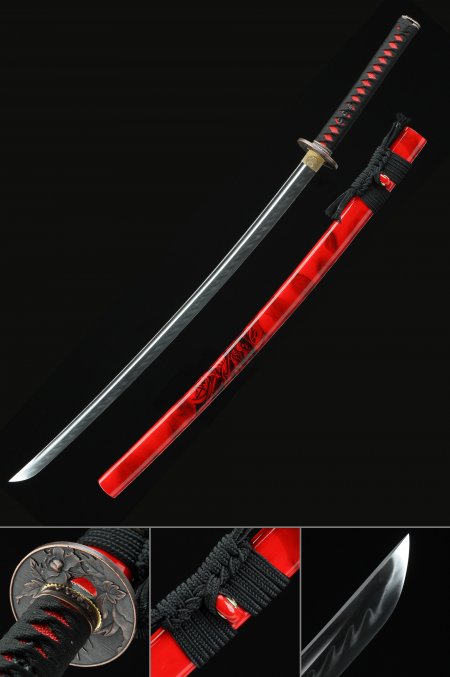
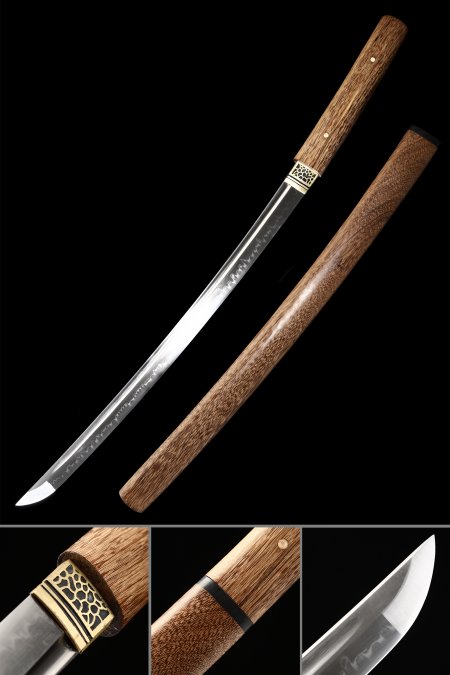
The most significant construction difference between a quality metal tanto and a decorative alternative lies in the blade steel and the tang construction. A quality metal tanto uses high-carbon steel - 1045, T10, or Manganese Steel - that has been properly forged and heat-treated to achieve genuine hardness appropriate to a collectible blade. Decorative tanto often use stainless steel, which cannot be properly heat-treated and produces a blade that is soft, brittle, or both despite its corrosion resistance. The tang construction is equally critical: a quality tanto has a full tang running from blade tip through the complete handle, secured by a mekugi retention pin. Decorative alternatives frequently use a partial tang - where the steel tapers to a narrow rod inside the handle - or a rat-tail tang attached only with adhesive. The metal fittings quality is the third differentiator: on a quality tanto, the tsuba, habaki, and seppa are solid metal pieces that fit precisely, while decorative alternatives may use pot metal castings or plastic fittings coated to look metallic. Each piece in this collection uses genuine high-carbon steel and full-tang construction.