What defines the traditional old katana aesthetic in Japanese sword collecting?
Updated Feb 2026
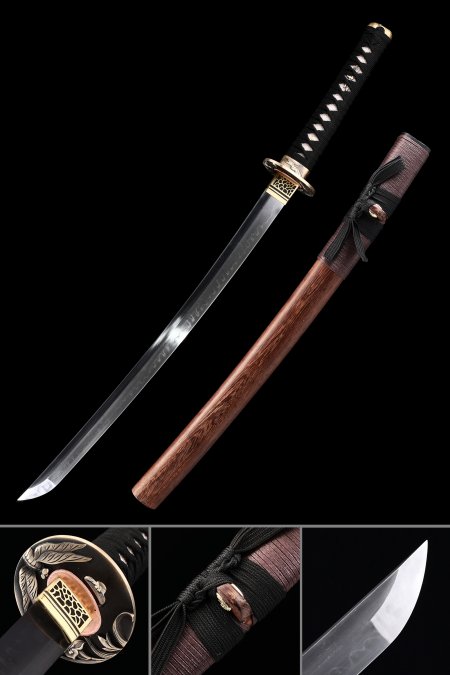
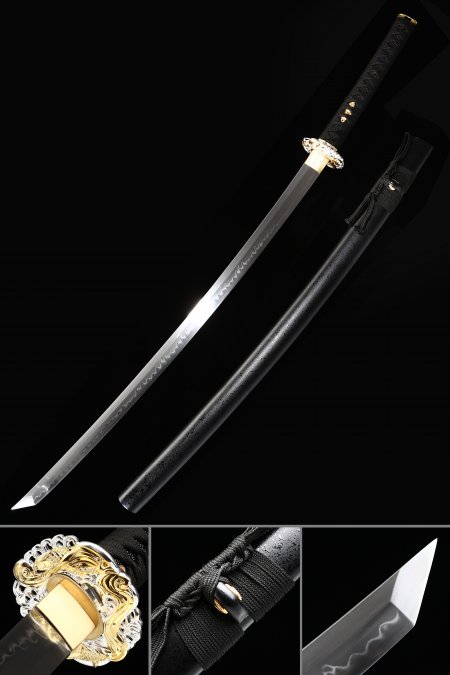
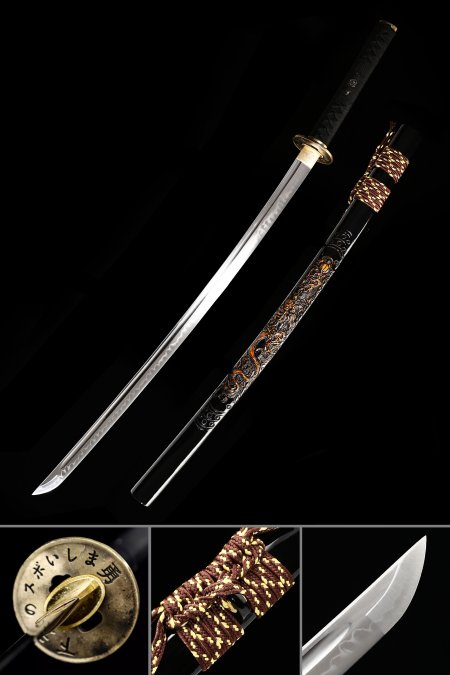
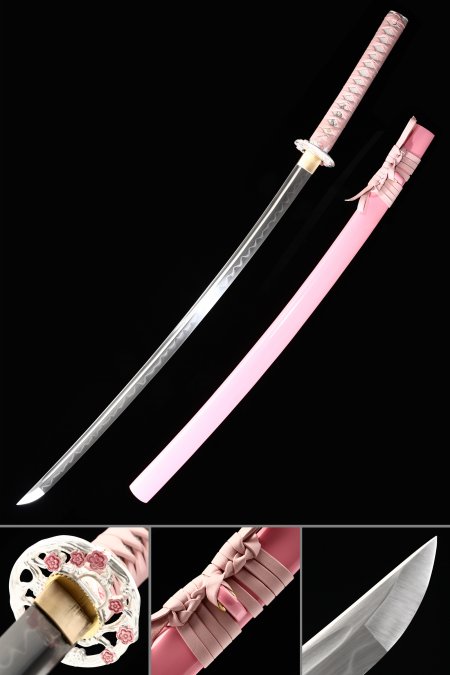
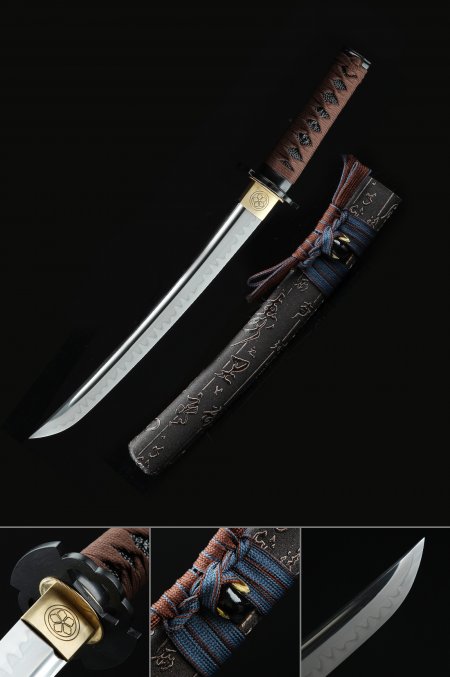
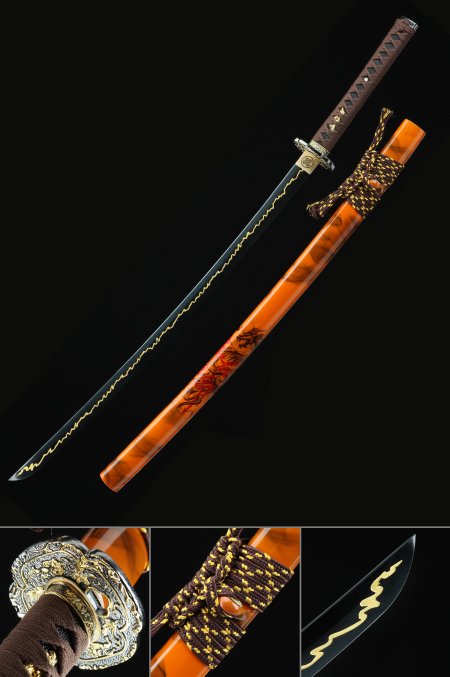
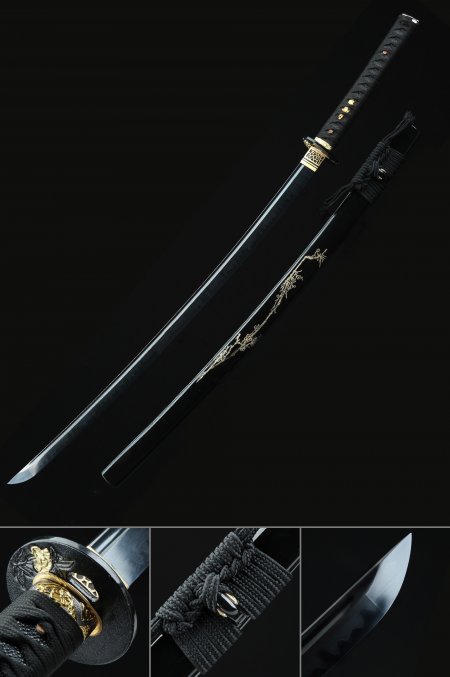
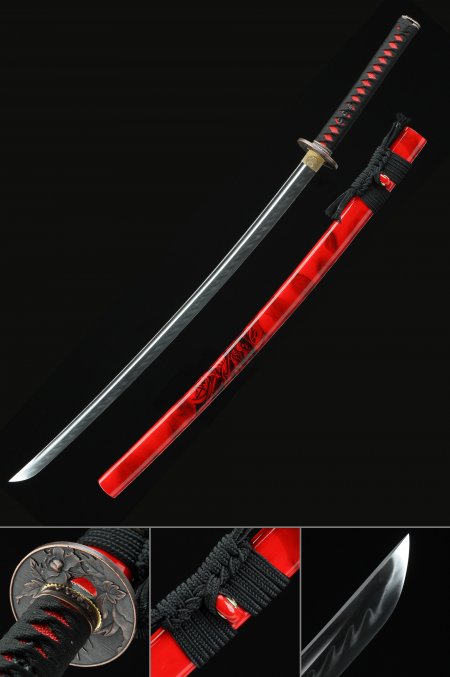
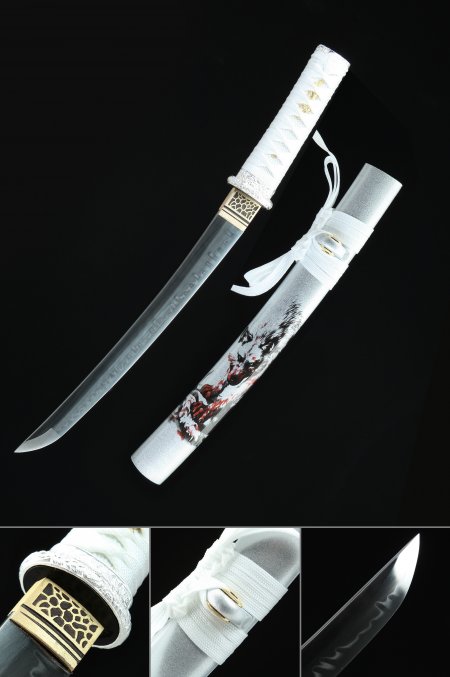
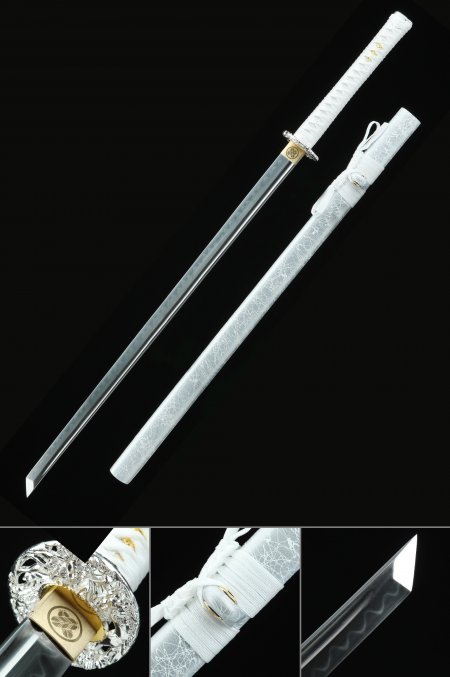
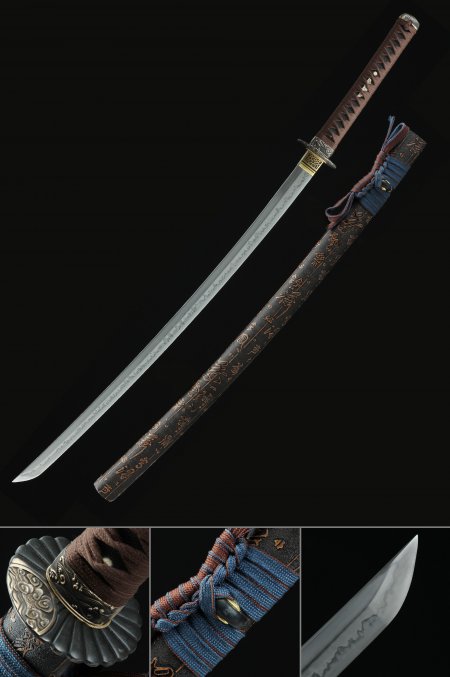
The traditional old katana aesthetic is defined by several consistent visual and material characteristics that distinguish it from more modern or stylized katana configurations. Natural material tones are the foundation: natural wood scabbards in their unfinished or lightly finished state, black or dark brown lacquered scabbards in the classic understated tones of the historical Japanese sword tradition, and brown or natural handle wrapping that complements the scabbard's material character. The blade's surface character is prioritized over decorative elaboration: a T10 clay-tempered blade with a well-defined hamon is the most classically valued blade configuration, and in an old katana aesthetic piece, the hamon is typically the primary visual attraction rather than a secondary detail. Traditional tsuba guard designs referencing historical Japanese decorative motifs - waves, bamboo, seasonal flowers, family crests - are preferred over modern geometric or non-traditional forms. The overall impression is of a piece where every element serves a traditional purpose and is executed in historically grounded materials and forms.