How does the Japanese naginata differ from a katana in construction and purpose?
Updated Feb 2026
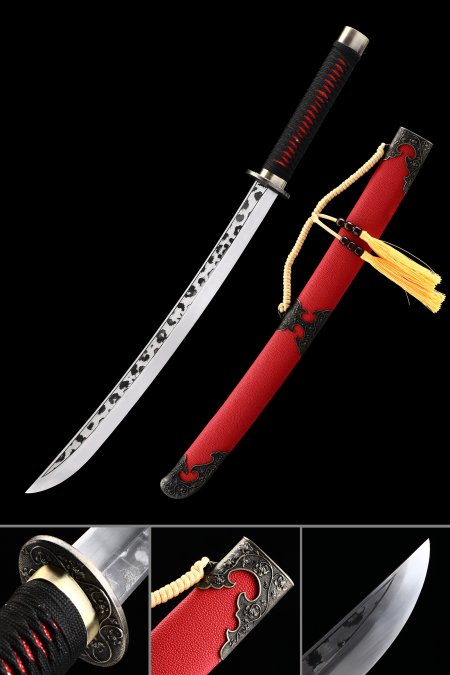
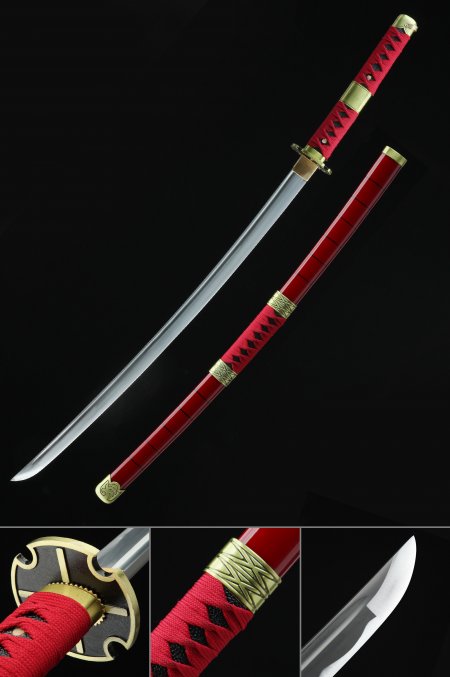
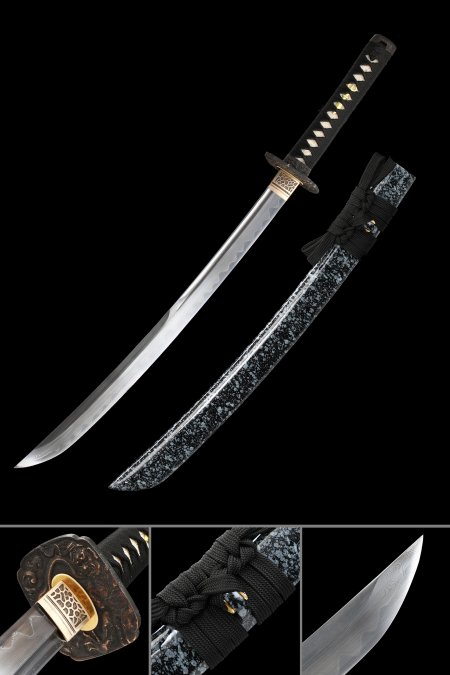
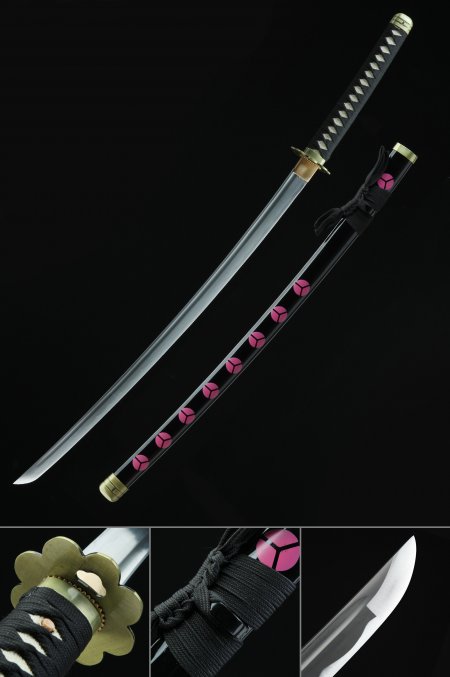
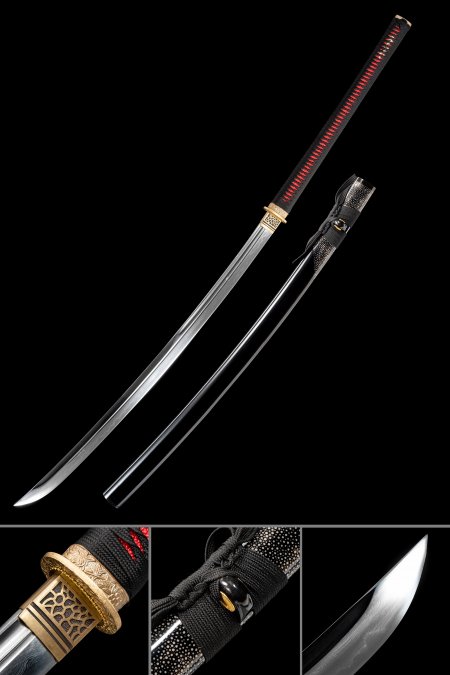
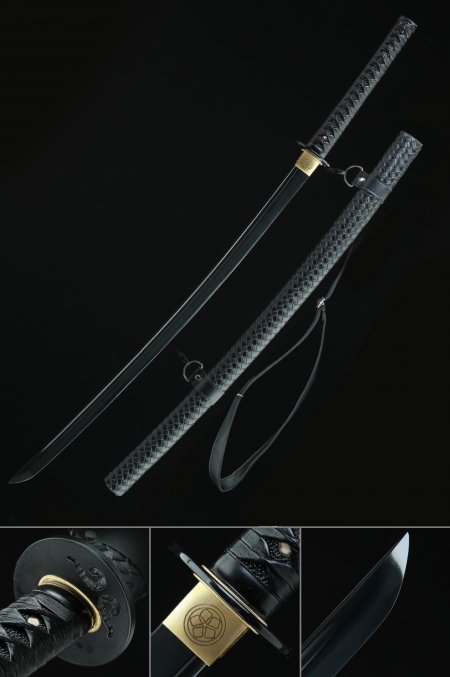
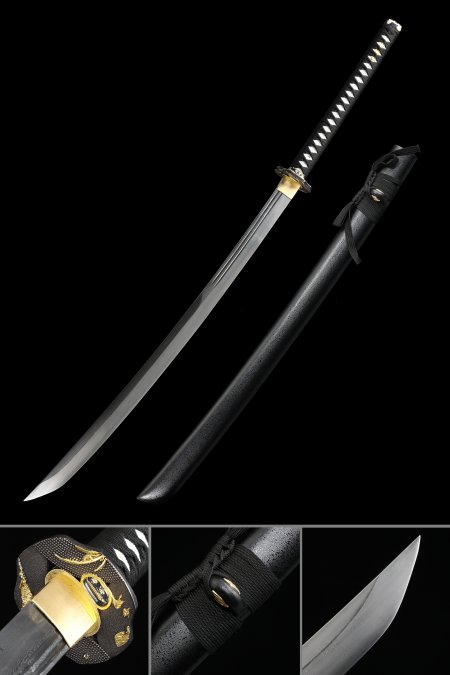
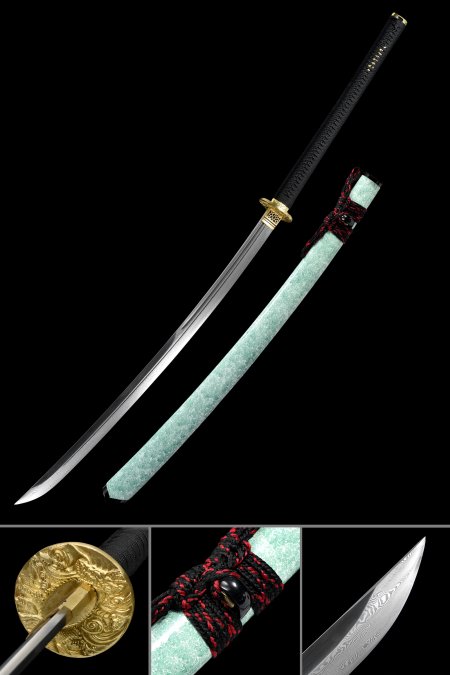
The Japanese naginata and the katana share the same blade tradition - both use a single-edged curved blade forged from high-carbon steel with the same heat treatment, polishing, and fitting standards - but differ fundamentally in mounting, scale, and the martial context for which they were designed. A katana is a personal sidearm: worn thrust through the belt with the edge up, drawn in a rapid upward cut from the hip, and used at the close distance of personal combat. The naginata is a polearm: the blade is mounted on an extended wooden handle - typically much longer than the blade itself - creating a bladed weapon that is used at significant reach from the wielder. The naginata's extended reach allows the wielder to control a larger space, making it effective against cavalry horses, multiple opponents, or opponents with shorter reach weapons. The curved blade geometry is optimized for sweeping cuts at polearm range rather than the close-quarters draw-and-cut of the katana. In the Japanese martial tradition, the katana and naginata represent two different solutions to different combat problems within the same overarching blade-making tradition.