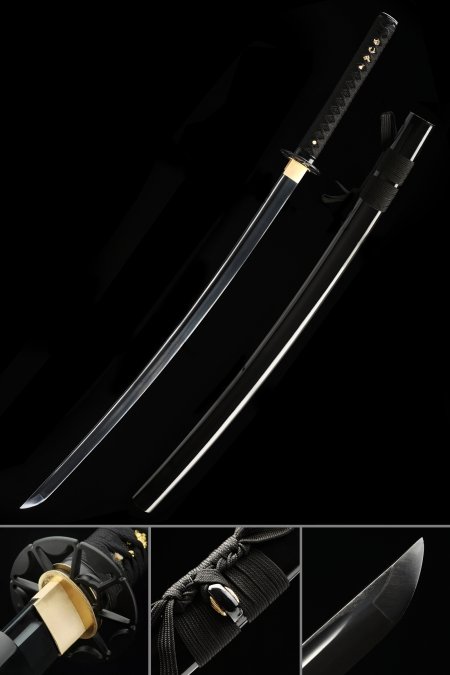
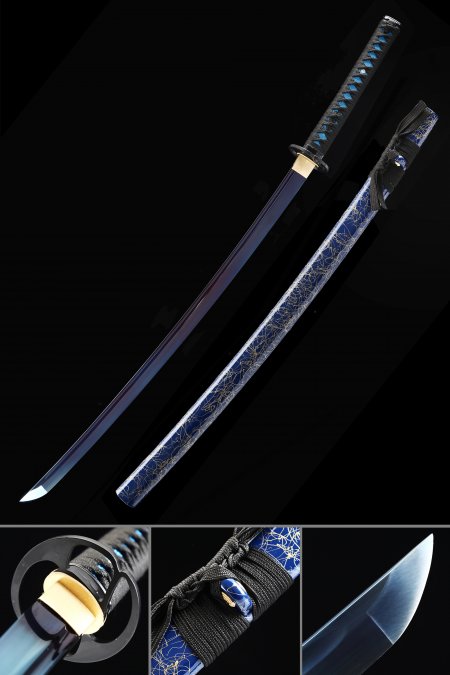
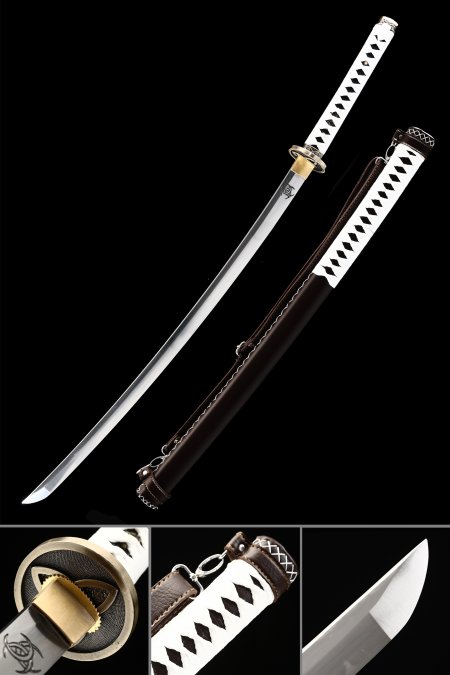
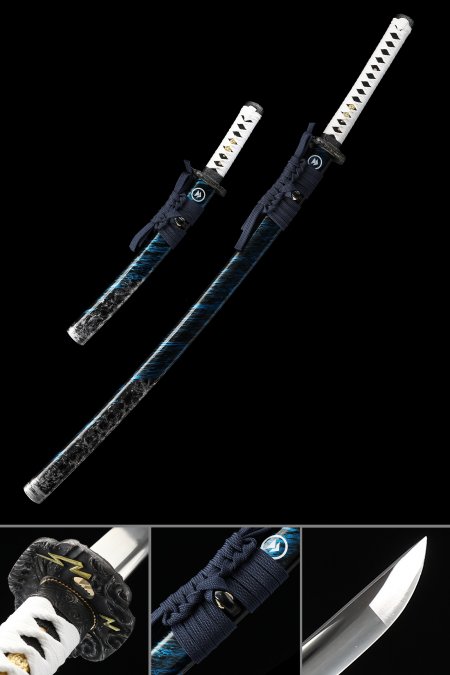
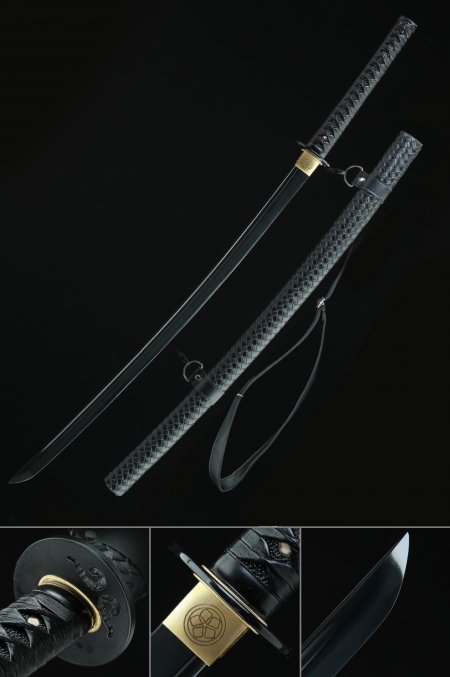
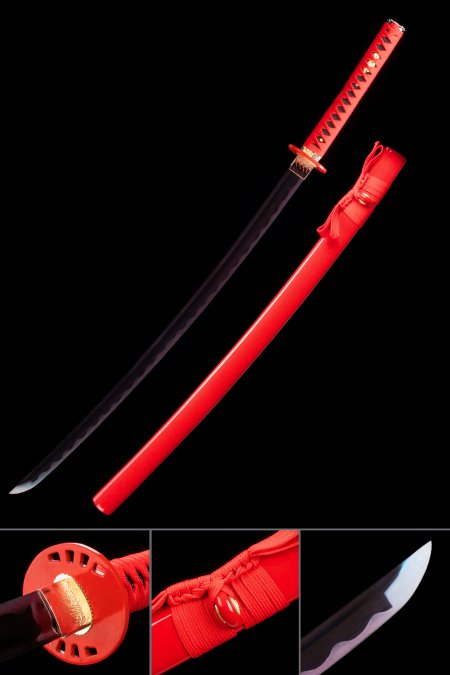
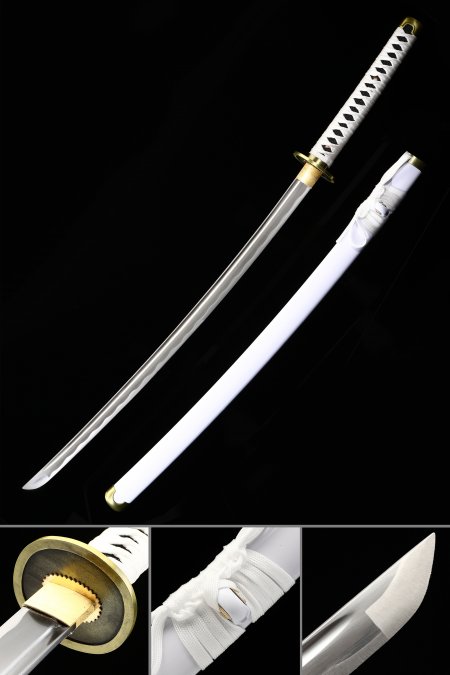
What visual characteristics distinguish a high-quality clay-tempered hamon?
Updated Feb 2026
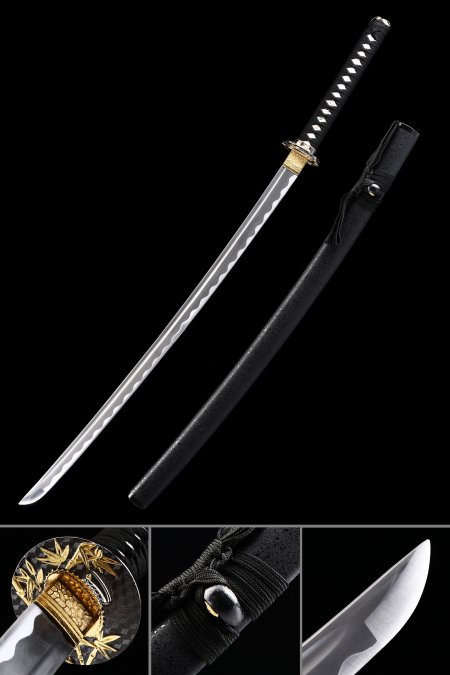
A high-quality clay-tempered hamon has several specific visual characteristics that experienced collectors use to evaluate the piece. The temper line should be well-defined and consistent - visible as a clear boundary between the harder edge zone and the softer spine without being vague or absent in sections. The hamon pattern should reflect intentional design by the smith: suguha straight patterns, notare undulating patterns, choji clove patterns, or combinations demonstrate controlled clay application rather than random variation. The most important quality indicator is nie activity in the boundary zone: the tiny crystalline particles that appear as a fine sparkle or mist in the hamon boundary under good light. High-activity nie indicates a well-executed quench with ideal temperature and timing. The boundary between nie and the transition zone should have visible detail rather than a flat, uniform appearance.