How does a Damascus steel dragon katana compare to a T10 clay-tempered dragon katana for display col
Updated Feb 2026
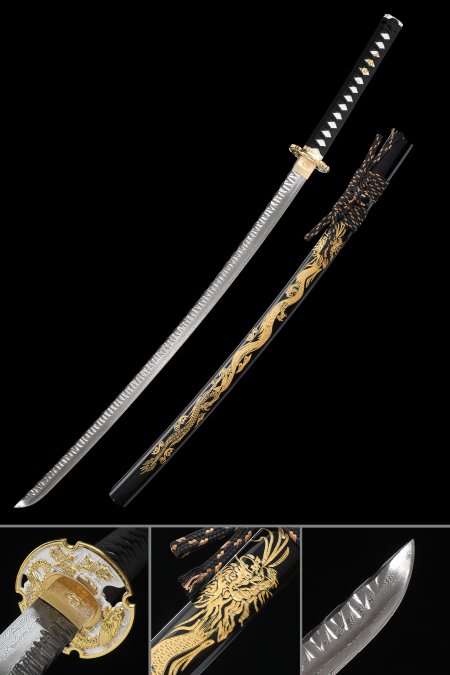
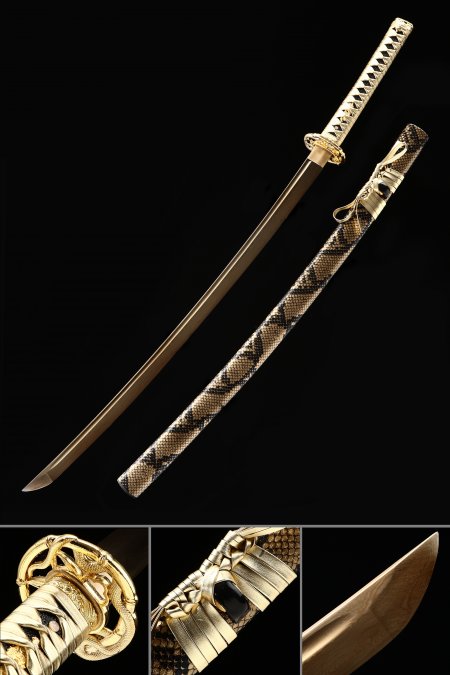
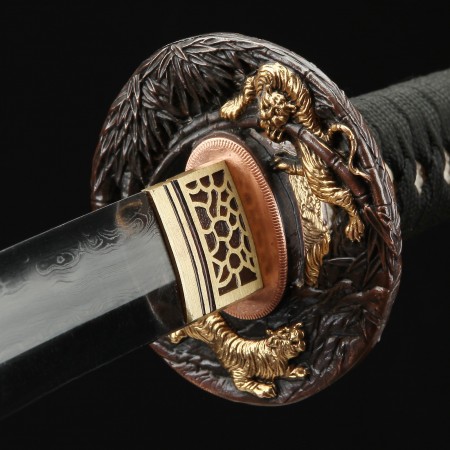
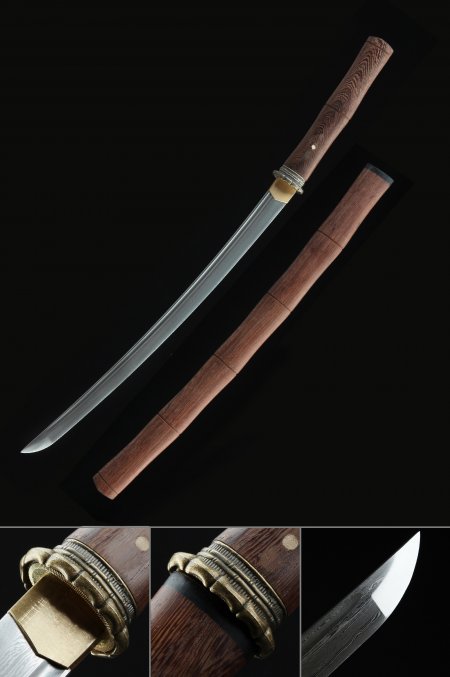
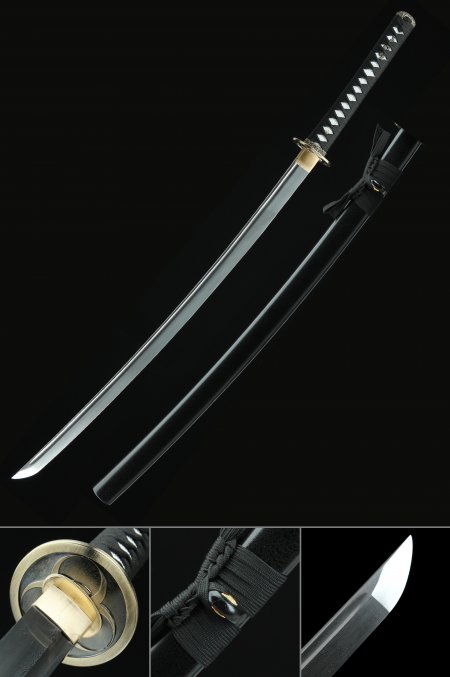
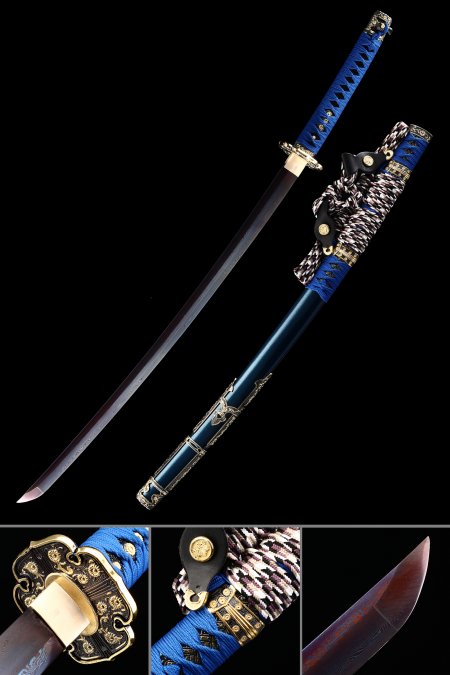
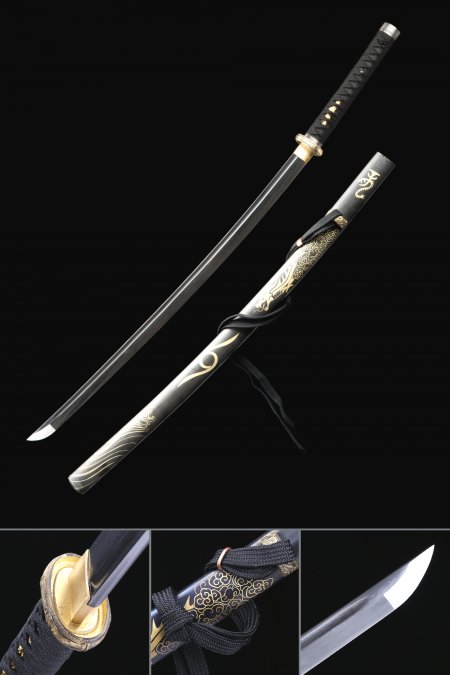
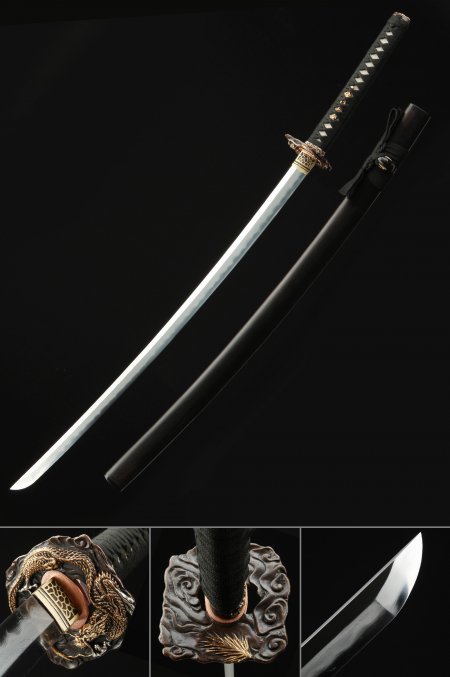
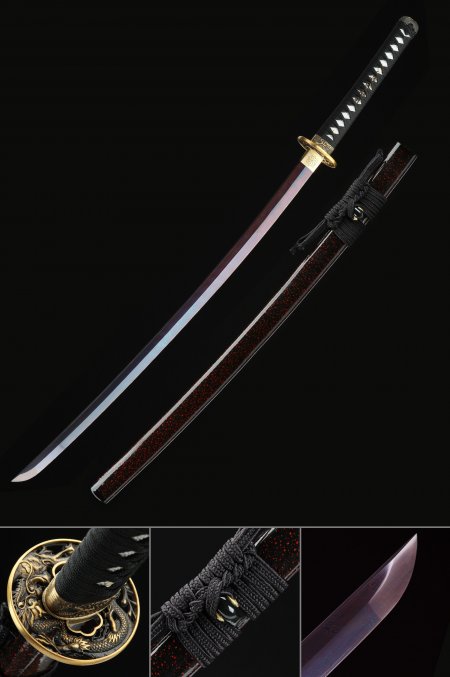
Both are excellent display choices but they appeal to different collecting sensibilities. A Damascus steel dragon katana draws its visual impact from the blade itself — the folding and forging process creates a flowing grain pattern across the surface that catches light dramatically and, when paired with a dragon theme, creates a visual echo between the steel's movement and the serpentine motif. The result feels like the dragon is embedded in the metal. A T10 clay-tempered dragon katana, by contrast, focuses its authenticity in the hamon — the visible temper line along the edge produced by the differential hardening process. This wavy or irregular line of crystalline activity is a hallmark of traditional Japanese blade-making and gives the piece a more historically grounded aesthetic. Collectors who prioritize forging tradition and visible craft evidence often favor T10 with hamon; collectors drawn to visual drama and surface artistry tend to prefer Damascus. Both feature full-tang construction and are finished with dragon-themed fittings.