What type of hamon can I expect on a 1095 spring steel katana?

 Updated Feb 2026

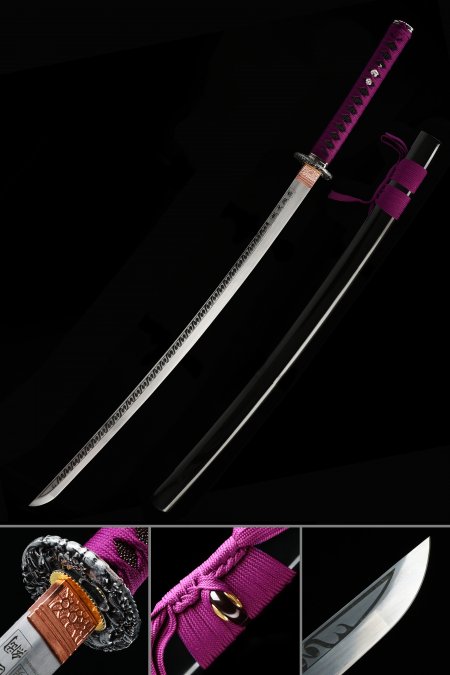
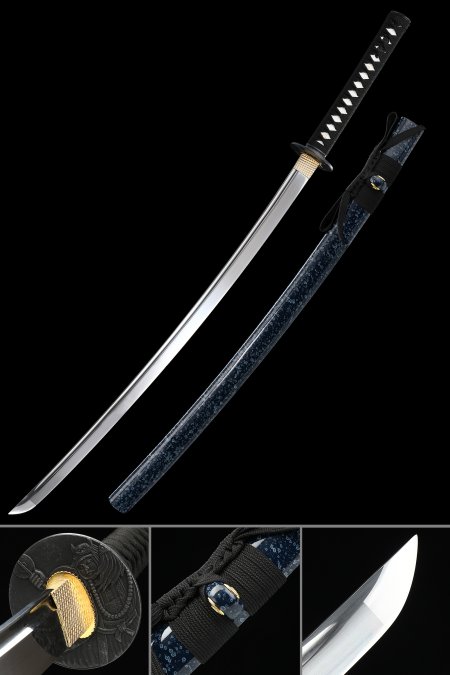
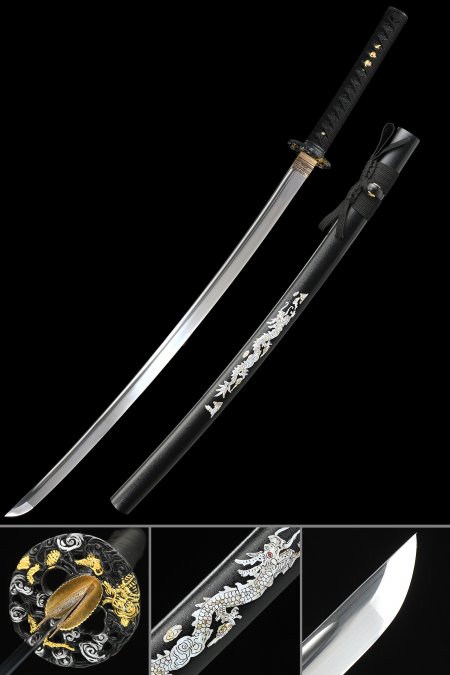
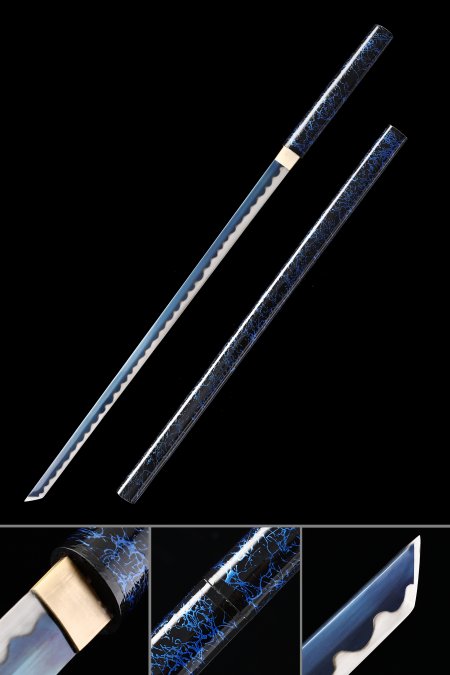
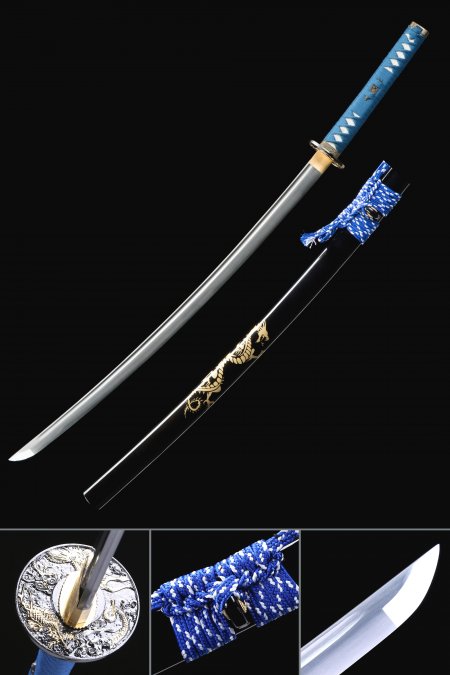
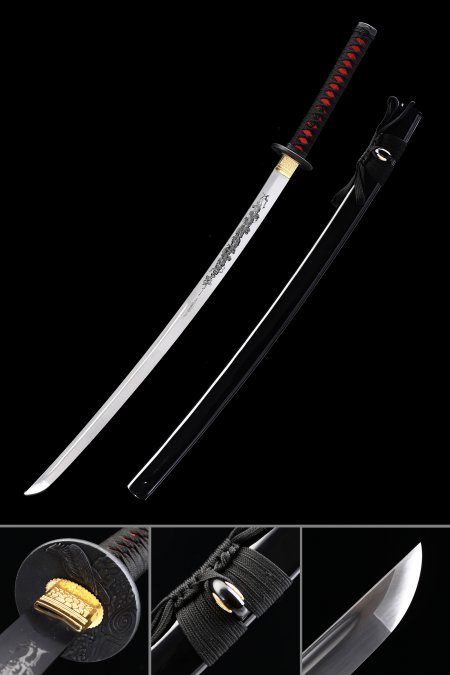
Because 1095 steel has a relatively high carbon content and responds well to differential clay tempering, it produces a genuine hamon β€” the visible temper line along the blade created by the contrast between the harder edge (martensite) and the softer spine (pearlite). The pattern depends on how the clay is applied before quenching: a straight application yields a suguha (straight) hamon, while wavy or irregular clay coatings create midare or choji patterns. Each blade's hamon is therefore one of a kind. Under natural or display lighting, the hamon on polished 1095 steel appears as a soft, milky white line with subtle crystalline activity called nie or nioi, which experienced collectors consider one of the most rewarding visual features of a traditionally forged katana.
Popular Products

20% OFFww2 katana
219.00 USD
279.00 USD
20% OFFsekiro's katana
229.00 USD
289.00 USD
15% OFFninjato katana
169.00 USD
199.00 USD
15% OFFpurple and black katana
159.00 USD
189.00 USD
30% OFF1095 steel katana
149.00 USD
209.00 USD
20% OFFblack katana
169.00 USD
209.00 USD
40% OFF1095 steel katana
139.00 USD
229.00 USD
30% OFF1095 steel katana
159.00 USD
229.00 USD
15% OFFzatoichi sword
189.00 USD
219.00 USD
15% OFFwhite katana
169.00 USD
199.00 USD
0% OFF1095 carbon steel katana
0.00 USD
239.00 USD
15% OFFblack katana
189.00 USD
219.00 USD
20% OFFww2 katana
219.00 USD
279.00 USD
20% OFFsekiro's katana
229.00 USD
289.00 USD
15% OFFninjato katana
169.00 USD
199.00 USD
15% OFFpurple and black katana
159.00 USD
189.00 USD
30% OFF1095 steel katana
149.00 USD
209.00 USD
20% OFFblack katana
169.00 USD
209.00 USD
40% OFF1095 steel katana
139.00 USD
229.00 USD
30% OFF1095 steel katana
159.00 USD
229.00 USD
15% OFFzatoichi sword
189.00 USD
219.00 USD
15% OFFwhite katana
169.00 USD
199.00 USD
0% OFF1095 carbon steel katana
0.00 USD
239.00 USD
15% OFFblack katana
189.00 USD
219.00 USD

Explore Our Collections