What is the practical difference between T10 carbon steel and Damascus steel in these katana swords?
Updated Feb 2026
1 Viewed
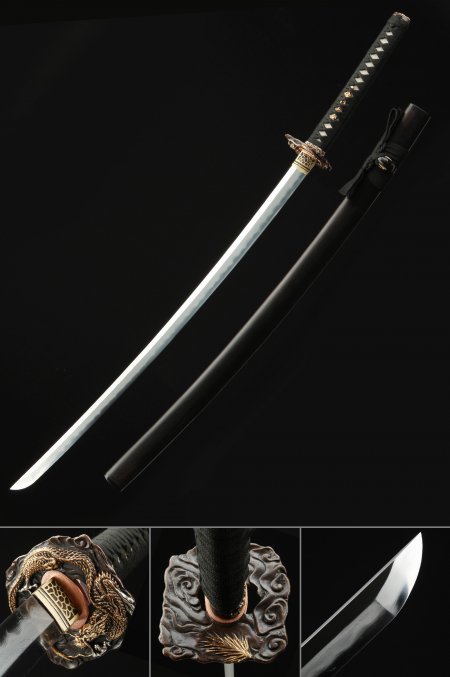
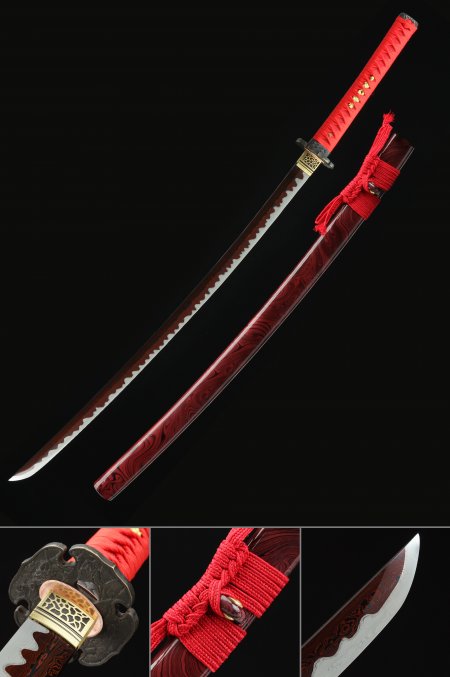
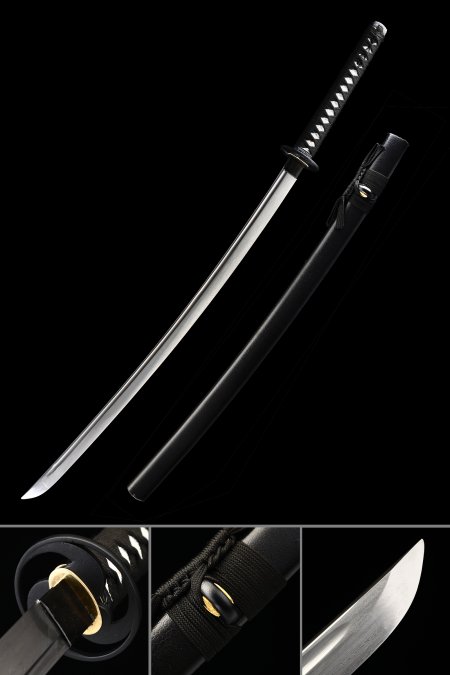
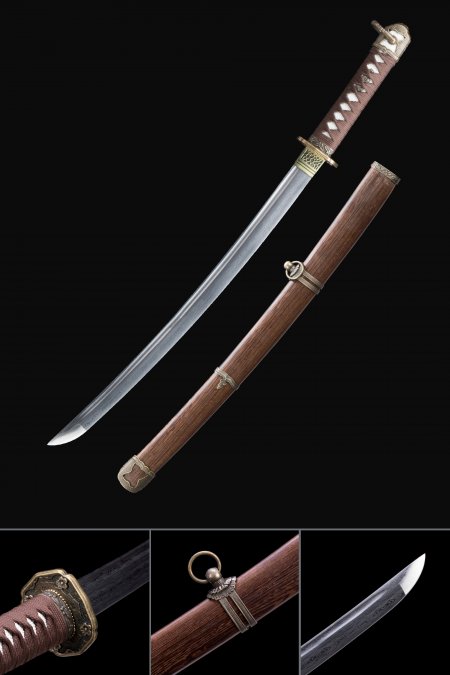
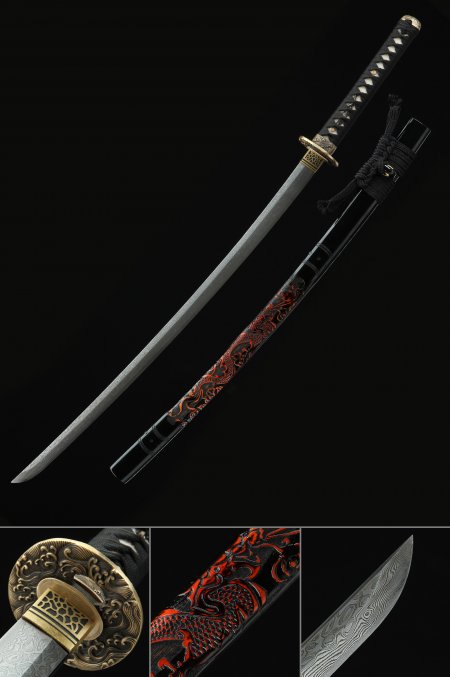
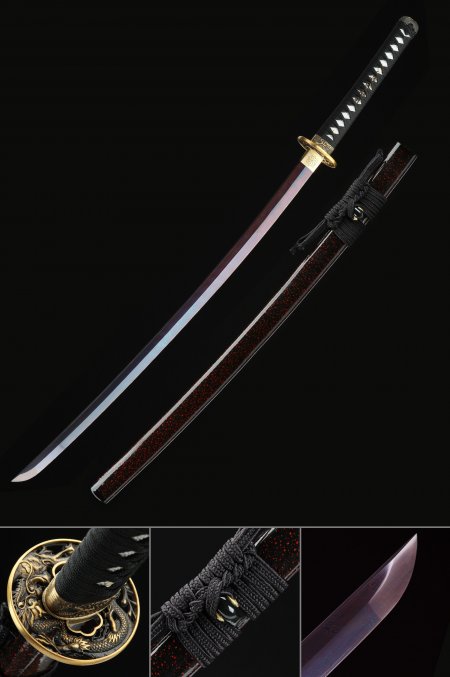
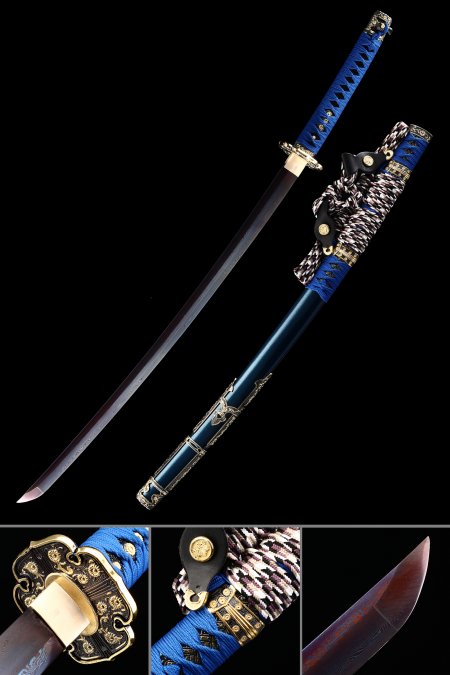
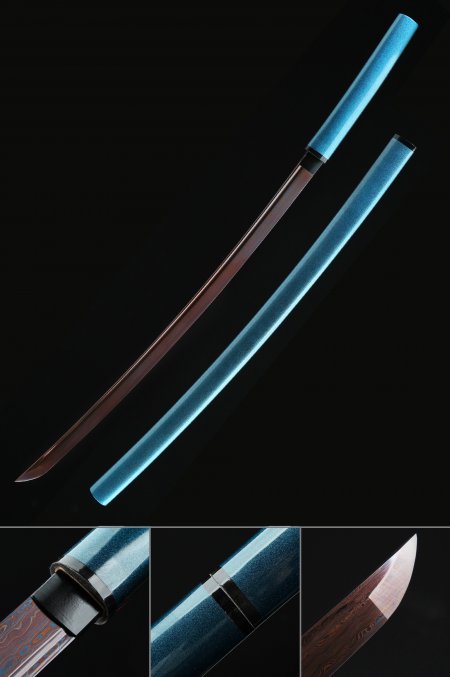
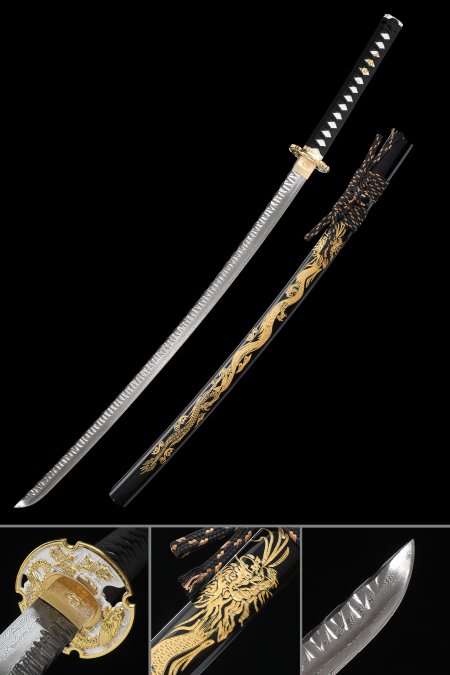
T10 is a high-carbon tool steel with a small tungsten content that improves wear resistance. It takes an extremely fine edge and is well-suited for traditional Japanese swordsmithing because it responds cleanly to clay tempering and produces a clear, active hamon. The finished blade has a polished look with the temper line as its primary visual feature - refined and classical in character. Damascus steel, in the context of modern katana, refers to pattern-welded steel made by layering and folding different steel alloys together, then etching the surface to reveal the flowing grain pattern. This creates a visually striking appearance that is entirely unique to each blade. Both materials are premium choices for display and light handling when properly heat-treated. The decision comes down to aesthetics: T10 suits collectors who prefer a clean, traditional presentation, while Damascus appeals to those drawn to bold, complex surface patterns. Neither has a meaningful advantage over the other for a collectible display piece.