
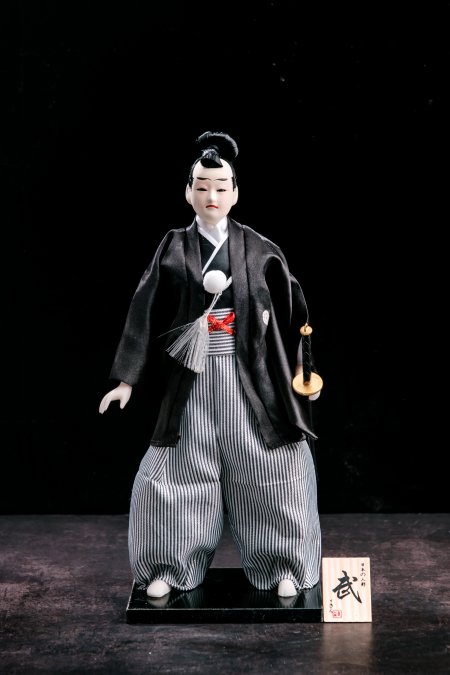
Black Japanese Samurai & Ninja Dolls
Black Japanese samurai and ninja dolls bring centuries of feudal artistry into your display space. Each figure is crafted with careful attention to costume detail, from layered armor silhouettes to flowing dark fabric, capturing the quiet authority of Japan's most iconic warrior archetypes. Explore our curated selection of hand-finished collectible figures - with free shipping and hassle-free returns on every order.
Frequently Asked Questions
What makes black the defining color for ninja and samurai figures?
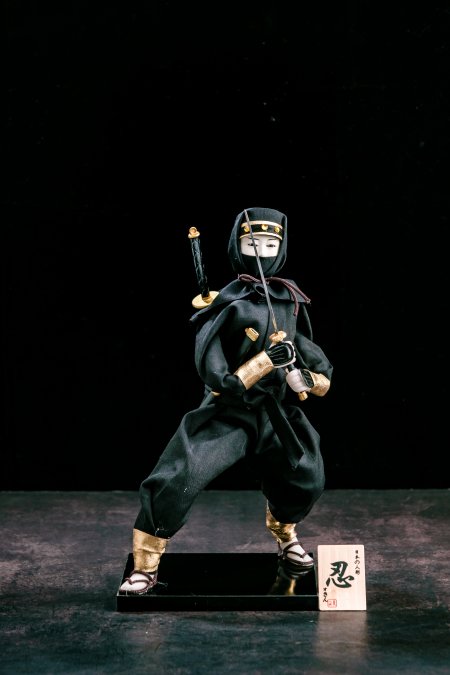
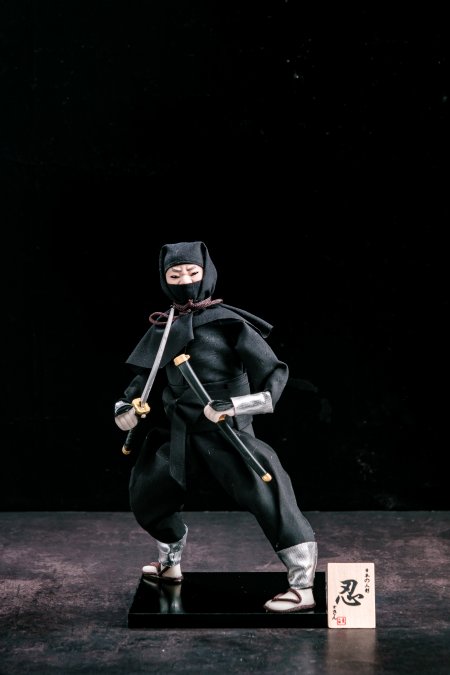
The black palette on these collectible figures carries genuine historical weight. Samurai armor lacquered in kuro-urushi-nuri (black lacquer) was considered a mark of discipline and high status during the Edo period. For ninja figures, dark tones reference the practical preference for indigo-dyed or charcoal-hued garments that minimized visibility at night. When a sculptor commits to an all-black costume, they are encoding both of these traditions into a single visual statement. Collectors who understand that context see the color choice as an authenticating detail rather than a stylistic shortcut - which is exactly what separates a thoughtfully designed figurine from a generic replica.
How do post-modern samurai dolls differ from traditional figurines?
Traditional samurai figurines prioritize historical accuracy - proportional anatomy, period-correct armor components like the do (chest plate), sode (shoulder guards), and kabuto (helmet), and realistic fabric textures. Post-modern samurai art dolls take the iconography as a starting point and then deliberately distort or reinterpret it. You might see elongated limbs, abstracted facial geometry, unconventional material choices, or armor forms that reference classical designs without replicating them exactly. These pieces are more at home on a gallery shelf alongside contemporary sculpture than in a strictly historical display. They appeal to collectors who value artistic interpretation and are comfortable owning something that asks a question rather than simply answering one.
How should I display dark-colored figurines to show off their detail?
Dark figurines present a specific lighting challenge because low contrast between the figure and a shadowed background can flatten the visual depth you paid for. The most effective approach is directional lighting from a warm LED source positioned at a 30 to 45 degree angle above and to the side of the figure. This rakes across the surface and creates micro-shadows inside fabric folds, armor joints, and facial features that reveal the sculptor's work. A glass-fronted display case adds a secondary benefit: the slight reflective surface introduces visual depth that makes dark pieces appear more three-dimensional. Avoid cool-white or blue-spectrum bulbs, which tend to make black surfaces look flat rather than rich.
Are these figures appropriate as gifts for Japanese culture enthusiasts?
Absolutely. Black samurai and ninja dolls occupy an interesting gift category because they work across multiple levels of engagement. A casual admirer of Japanese aesthetics will appreciate the visual drama and cultural symbolism. A more dedicated collector will notice construction quality, costume detail, and artistic intent. When selecting a figure as a gift, consider the recipient's existing display context - a post-modern art doll suits a contemporary interior, while a more traditionally styled ninja figure fits naturally into a curated historical arrangement. These are dust-resistant, structurally stable collectibles that hold their presentation quality over years, making them a more enduring gift choice than decorative items with shorter aesthetic lifespans.
How do I maintain fabric and resin components on collectible dolls?
The two main threats to a collectible figure's condition are dust accumulation and UV exposure. For fabric elements - sashes, haori, or uniform layers - use a soft natural-bristle brush or a low-pressure air blower to remove dust without disturbing the intentional draping. Never use damp cloths on fabric components, as moisture can cause dye migration or stiffness. Resin and painted surfaces can be lightly wiped with a dry microfiber cloth. Keep figures away from windows or any source of direct sunlight; UV degradation is gradual but irreversible, causing both fabric fading and resin yellowing over time. A sealed display case is the simplest and most effective long-term protection strategy.