Ceramics Japanese Sake Set
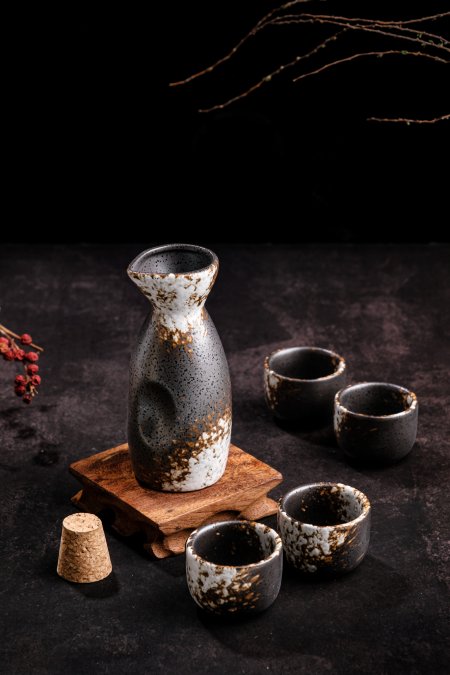
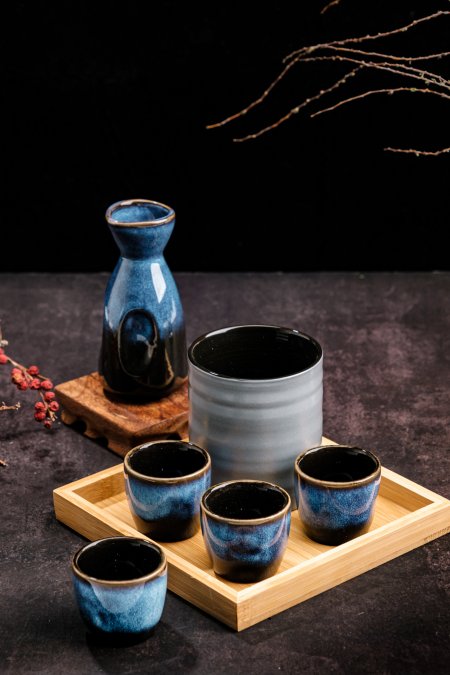
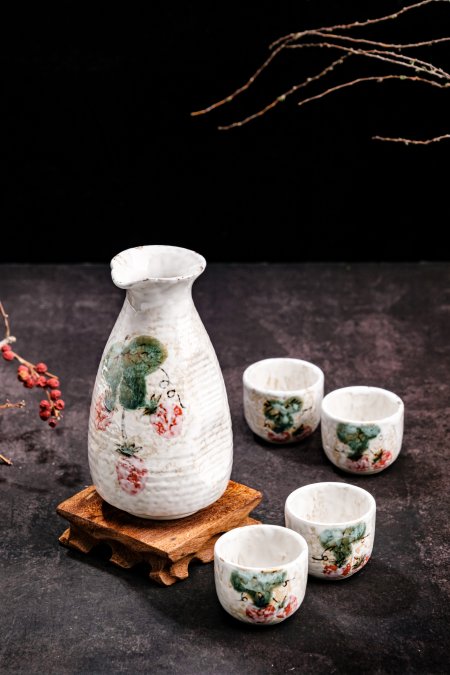
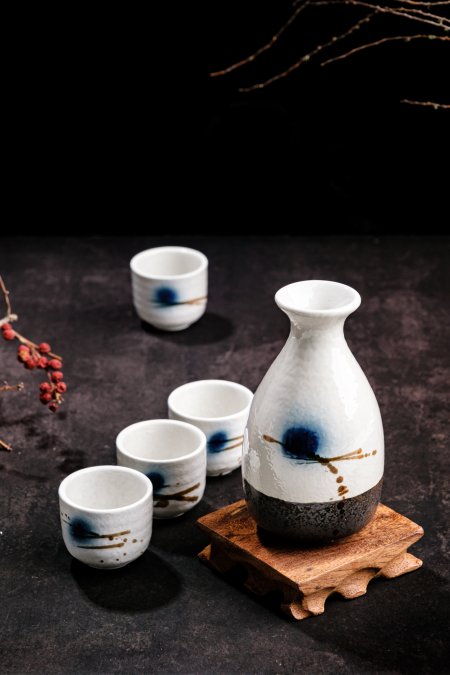
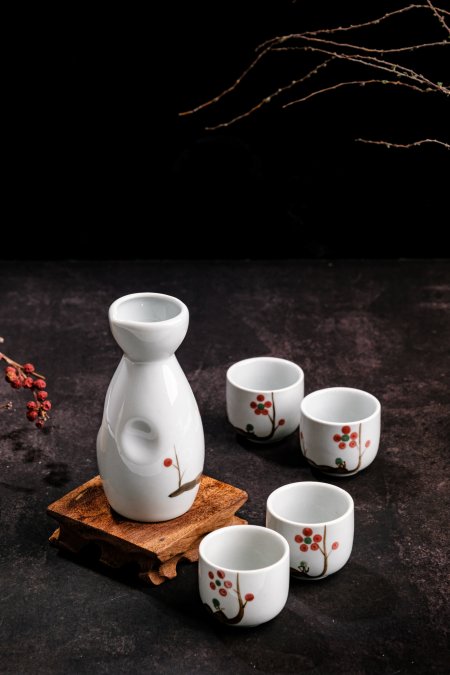
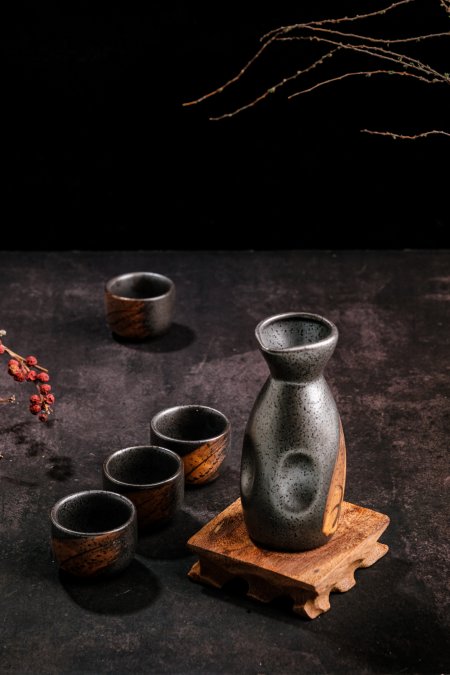
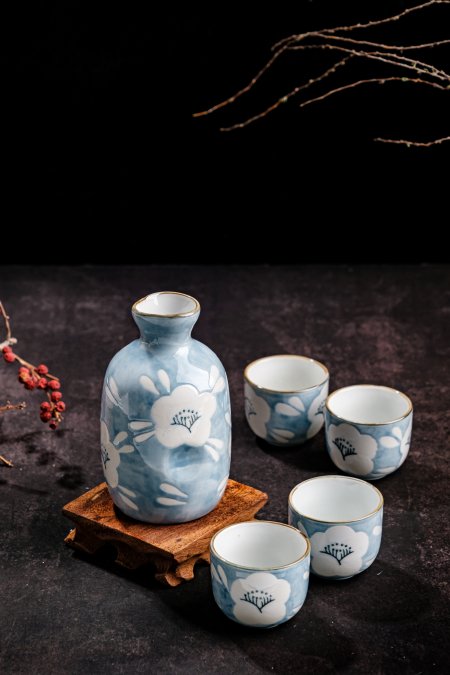
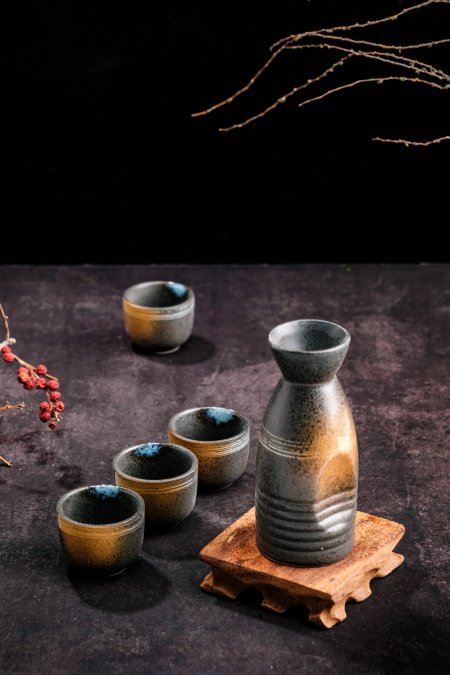
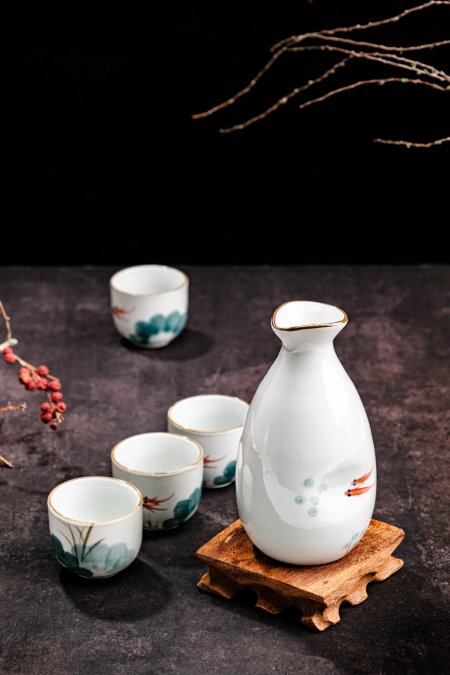
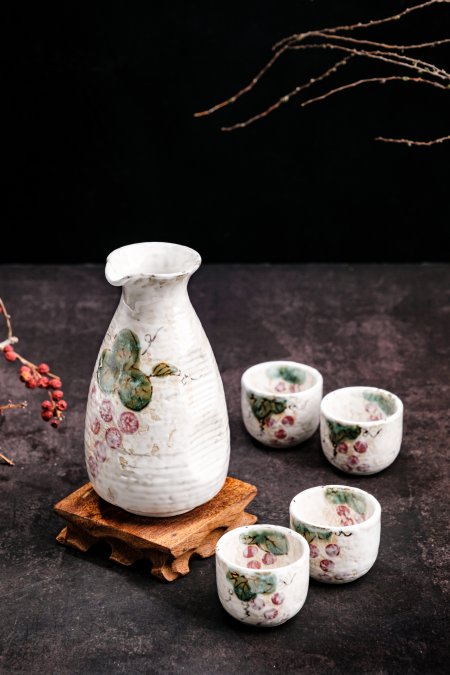
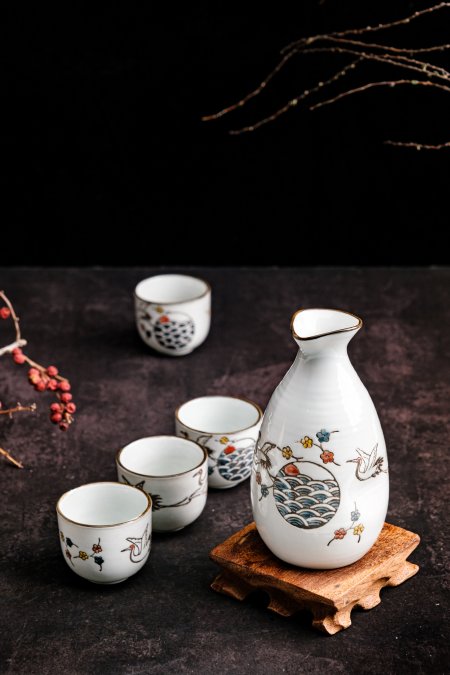
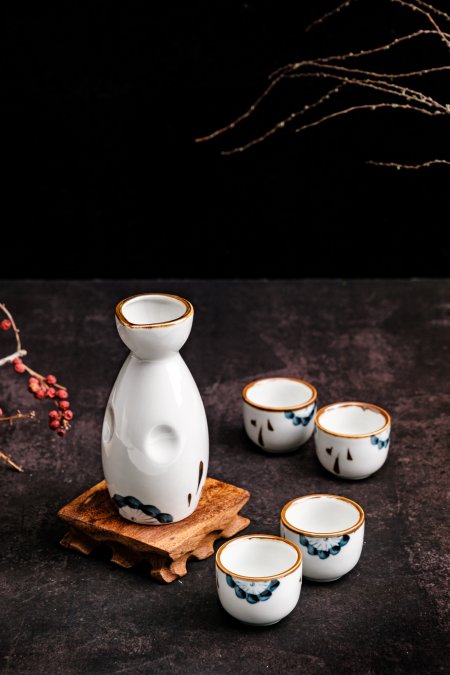
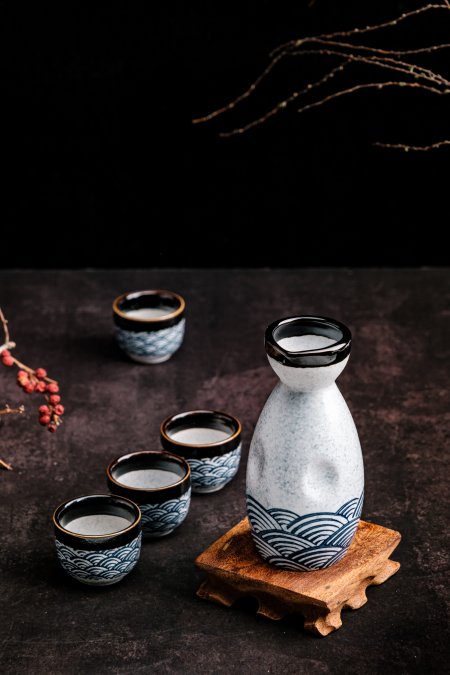
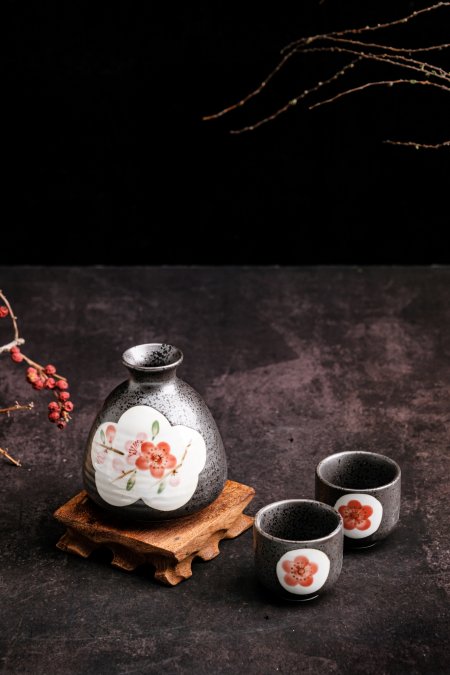
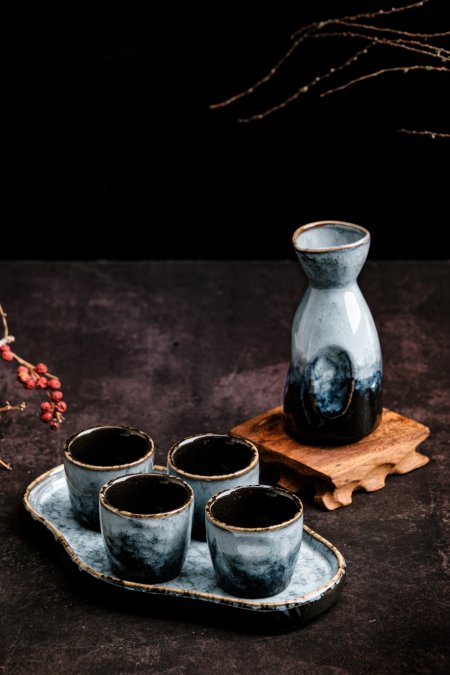
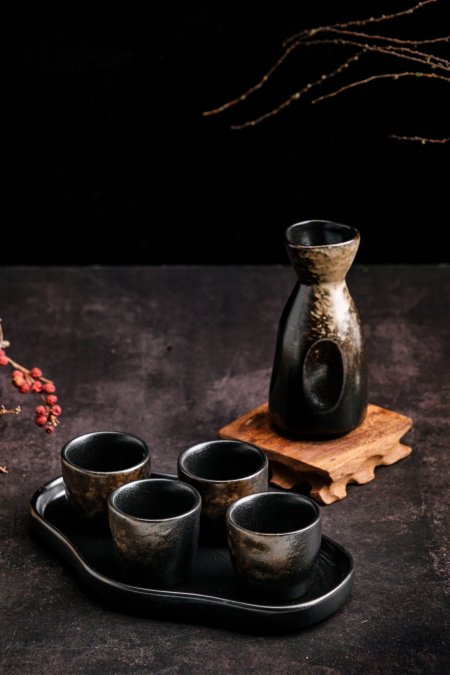
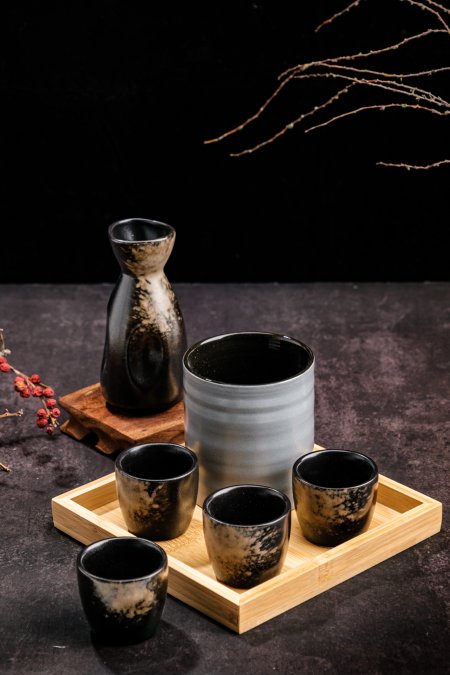
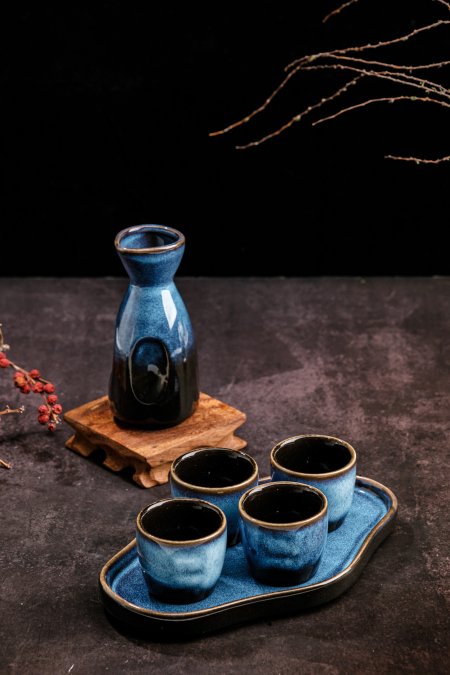
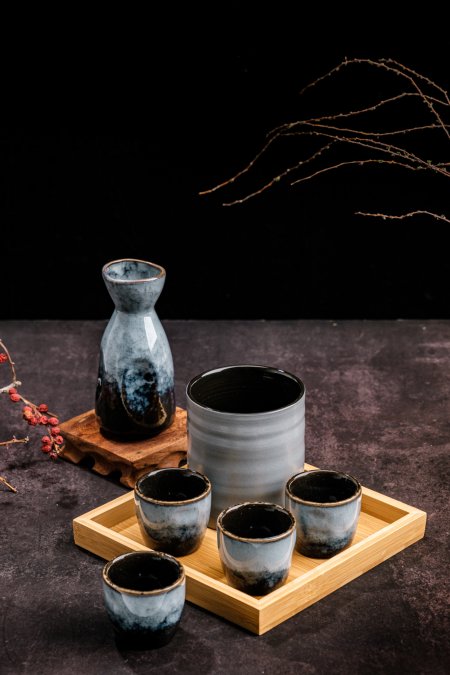
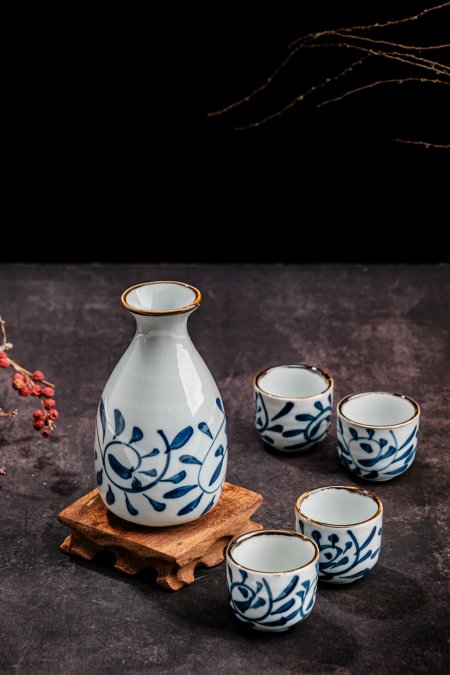
Steeped in centuries of Japanese ritual, a ceramic sake set transforms any gathering into a moment of quiet elegance. Each carafe and cup in this collection is crafted from fine porcelain or kiln-fired stoneware, shaped by hands that honor the aesthetics of wabi-sabi and traditional Japanese ceramics. Whether displayed on a shelf or used during a thoughtful toast, these sets are designed for collectors and enthusiasts who appreciate authentic craftsmanship. Enjoy free shipping on your order, backed by our hassle-free return policy.
Related Collections
Frequently Asked Questions
What makes Japanese ceramic sake sets collectible?
Japanese ceramic sake sets earn their collectible status through a combination of regional craftsmanship traditions, hand-applied glazes, and cultural significance that mass-produced glassware cannot replicate. Many pieces are rooted in kiln traditions from areas like Arita, Bizen, or Mashiko, each with distinct clay bodies and glaze personalities. Arita porcelain, for example, is prized for its bright white base and precise cobalt-blue hand painting, while Bizen stoneware is celebrated for its unglazed, flame-marked surfaces shaped entirely by kiln atmosphere. When a sake set carries these regional identifiers — whether through clay texture, glaze color, or painted motif — it becomes more than tableware. It becomes a tangible artifact of Japanese ceramic history, suitable for display alongside other culturally significant pieces.
What is the difference between porcelain and ceramic sake sets?
The distinction matters quite a bit for collectors. Porcelain is a refined subset of ceramics fired at very high temperatures, typically above 2,300°F, which vitrifies the clay body and creates a smooth, translucent, and non-porous surface. This makes porcelain sake sets feel delicate yet remarkably durable, with a refined weight and a clean ring when tapped. Stoneware and earthenware ceramic sets are fired at lower temperatures, resulting in a denser, more opaque body with a tactile, sometimes slightly rough surface. Stoneware tends to retain heat longer, which some enthusiasts prefer for serving warm sake. Visually, porcelain lends itself to detailed hand painting and bright glazes, while stoneware suits matte, earthy finishes that feel more wabi-sabi in spirit. The right choice depends entirely on the aesthetic and display context a collector has in mind.
How should I store a ceramic sake set for long-term display?
Proper storage extends both the visual beauty and structural integrity of ceramic sake sets. For active display, avoid positioning pieces in direct sunlight, as UV exposure gradually fades hand-painted pigments, particularly the iron reds and cobalt blues common in traditional Japanese designs. Dust regularly with a soft, dry microfiber cloth rather than damp wipes, which can leave mineral deposits on unglazed surfaces. If storing seasonally, wrap each piece individually in acid-free tissue or soft cotton cloth — never stacked without padding, as ceramic rims chip easily under pressure. For stoneware pieces with unglazed foot rims, keep storage environments at stable humidity levels, ideally between 40 and 60 percent, to prevent micro-cracking caused by repeated moisture absorption and drying. A display cabinet with UV-filtering glass panels offers the most protective long-term solution.
Are these sake sets a good gift for Japanese culture enthusiasts?
A ceramic sake set is one of the most thoughtful and culturally resonant gifts available for someone who appreciates Japanese aesthetics. Unlike decorative items that serve purely ornamental purposes, a sake set occupies both worlds — it can be displayed as a collectible centerpiece and used during celebratory occasions, making it deeply personal and practical. The 5-piece format of one tokkuri carafe and four ochoko cups reflects the communal ritual of Japanese sake sharing, which carries symbolic meaning around hospitality and mutual respect. For collectors who already own Japanese decorative art or cultural artifacts, a well-chosen ceramic sake set completes a display with functional elegance. It is particularly fitting for milestone gifts such as housewarming celebrations, significant birthdays, or cultural holidays where Japanese heritage is being honored.
Can vintage-style sake sets be used for actual serving or only display?
Most vintage-style ceramic sake sets in this collection are fully functional for serving, provided they carry food-safe glaze certifications, which contemporary kiln-produced pieces generally do. The key distinction to understand is between truly antique sake sets — which may contain lead-based glazes from older production methods and should remain display-only — and vintage-styled sets that replicate the aesthetics of earlier periods using modern, food-safe materials. Our collection falls into the latter category: pieces designed with the visual character of traditional Japanese ceramics but produced under contemporary safety standards. For collectors who intend to use their sake set occasionally, hand-washing after each use and thorough air-drying before storage are the primary care steps. Those who prefer to preserve the pristine condition of their set for display purposes often choose to keep a separate everyday set for actual serving.