Free U.S. Shipping
Japanese Samurai Swords

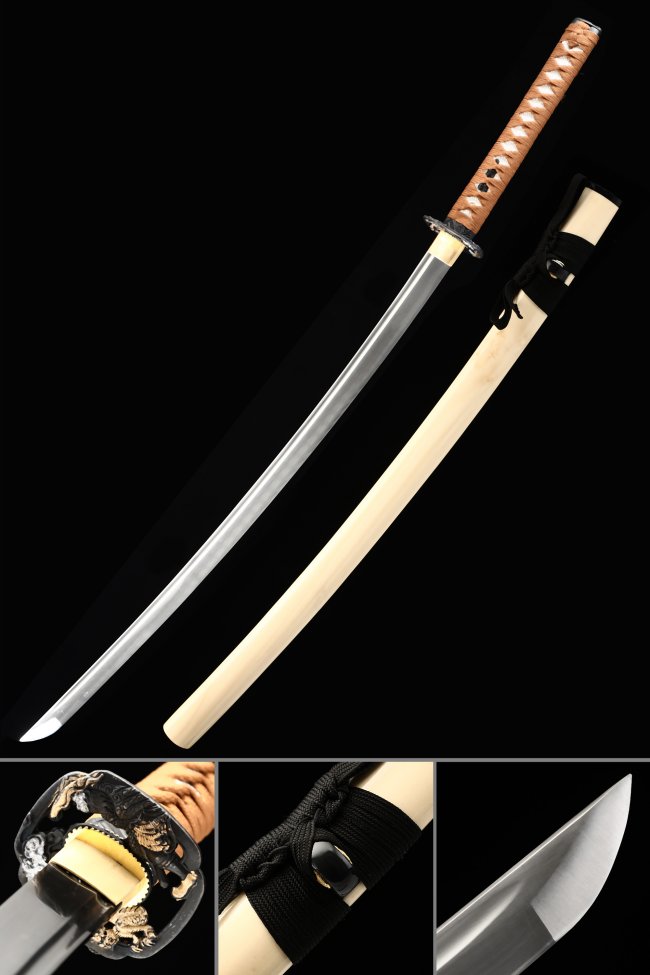
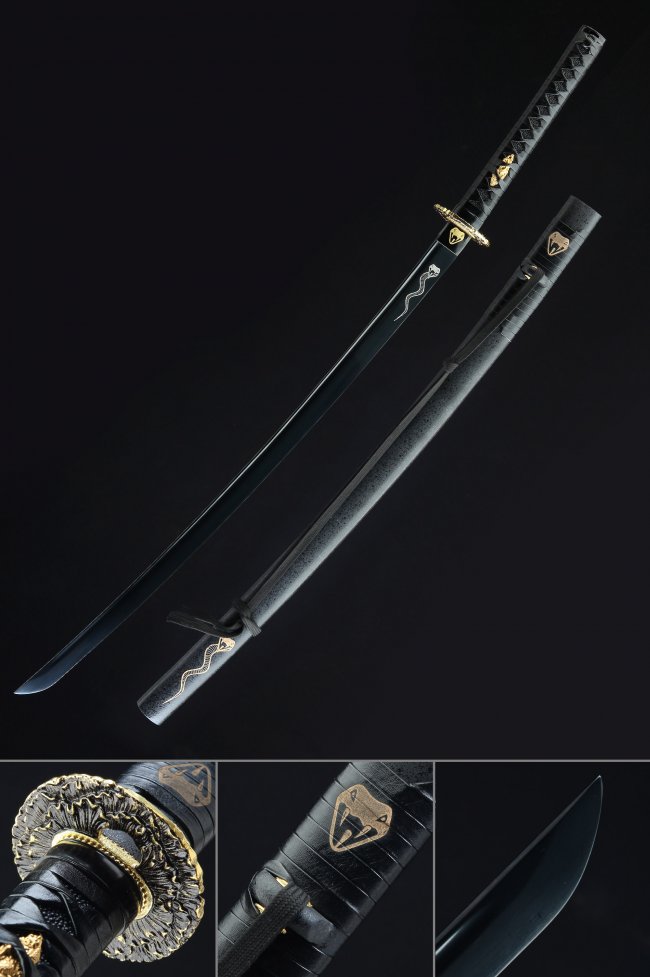
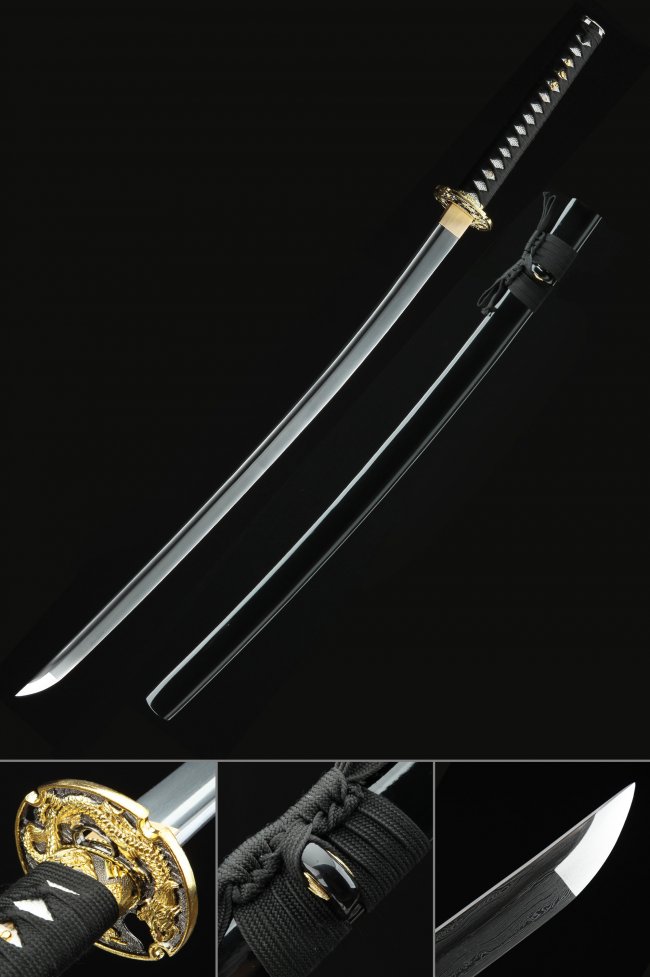
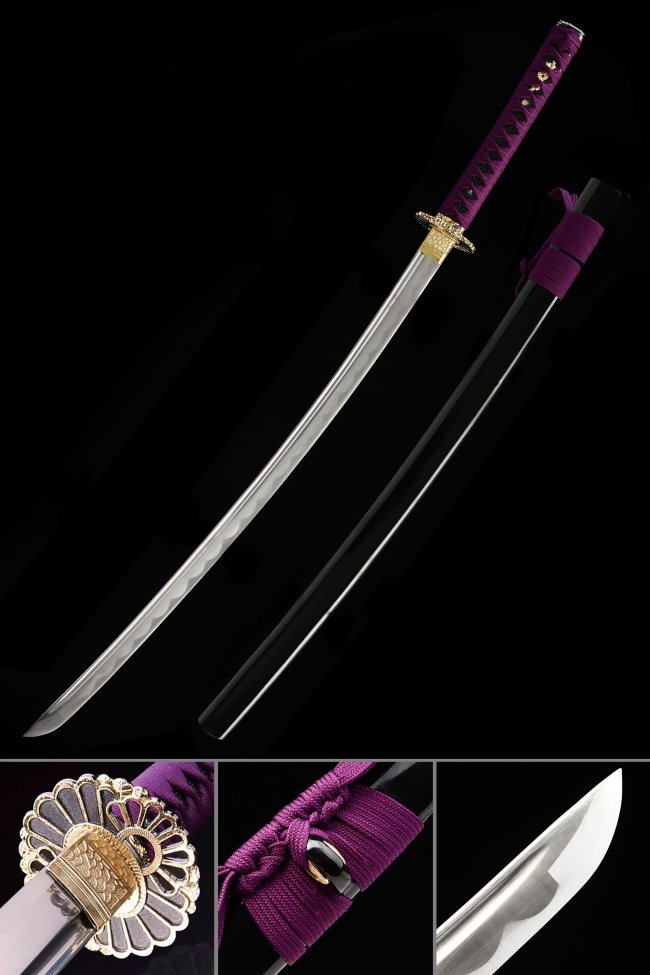
Shop our complete collection of authentic samurai swords — hand-forged katana, wakizashi, tanto, ninjato, tachi, and naginata. Over 2,500 battle-ready and display-grade blades from $89.
Showing 1970 Products
Loading more products...

Frequently Asked Questions

What is the difference between a katana and a tachi?

A katana and a tachi are both Japanese sword types, but they come from different historical styles and are usually worn or mounted differently. A katana is the sword most people associate with samurai, typically worn edge-up through the belt. A tachi is generally an older style that was traditionally worn suspended edge-down, often associated with mounted warriors. In modern collecting, the difference is also visual: tachi mounts, fittings, curvature, and proportions may feel more ceremonial or historical. TrueKatana carries tachi, odachi, nodachi, and kodachi styles in addition to standard katana, so buyers who want something less common than a classic katana may enjoy exploring that category.

What is the difference between a katana and a wakizashi?

The biggest difference between a katana and a wakizashi is size. A katana is the longer sword, often with a blade over 60 cm, while a wakizashi usually has a blade between 30 and 60 cm. The katana was the primary long sword, while the wakizashi served as a shorter companion blade. For modern collectors, a katana gives the classic full-size samurai sword look, while a wakizashi is easier to display, easier to store, and often feels more compact in the hand. Many buyers choose both as a daisho-style set.

What is a samurai sword?

A samurai sword usually refers to a Japanese sword associated with the samurai class, especially the katana. In modern shopping, many people use “samurai sword” and “katana” almost interchangeably, but the samurai sword family is broader. It can include katana, wakizashi, tanto, tachi, odachi, nodachi, and related Japanese blade styles. A katana is typically recognized by its curved, single-edged blade, guard, and long handle for two-handed use. On TrueKatana, the Japanese Samurai Swords category includes many of these styles, so buyers can choose by length, blade steel, display style, anime theme, historical look, or collecting purpose.

What are samurai swords made of?

Modern samurai swords can be made from several types of steel, depending on the model and price range. TrueKatana offers katana and samurai swords in materials such as 1045 carbon steel, 1060 carbon steel, 1095 high carbon steel, T10 tool steel, Damascus steel, folded steel, manganese steel, and even tamahagane options in certain collections. Entry-level swords may focus on affordability and display value, while premium pieces may include clay tempering, real hamon, higher-carbon steel, or more detailed fittings. Steel is important, but it is not the only factor. Buyers should also check full tang construction, heat treatment, blade length, sharpness, handle wrap, tsuba, saya, and intended use.

Are samurai swords full tang?

Yes. TrueKatana swords are full tang, and that is an important feature for anyone buying a real steel samurai sword. Full tang means the blade steel continues securely through the handle area instead of being only lightly attached near the guard. This gives the sword a stronger and more solid structure than many cheap decorative swords. For a katana, full tang construction matters because the sword has a long blade and a handle meant for two-handed grip. Even with full tang construction, buyers should still check each product page for steel type, sharpness, weight, blade length, handle material, fittings, and whether the sword is best suited for display, collection, or controlled cutting practice.

Are samurai swords sharp?

Many samurai swords are sharp, but sharpness can vary by model and product purpose. Some swords are sharpened and made with real steel, while others may be safer display pieces, wooden training swords, or dull practice-style blades. A sharp blade does not automatically mean a sword is functional, well heat-treated, or safe for cutting practice. Buyers should look at the full product details: steel type, full tang construction, blade geometry, edge sharpness, heat treatment, and intended use. TrueKatana product pages should be checked carefully before ordering. If you need a sword to be dull, sharpened, or suitable for a specific purpose, contact support before purchase.

Are samurai swords legal in the US?

Samurai swords are commonly sold in the United States as collectibles, display pieces, martial arts items, and replicas, but laws can vary by state, city, and situation. Owning a sword at home is different from carrying one in public. Some places may restrict long blades, concealed carry, public carry, weapons in schools, government buildings, parks, conventions, or other venues. Before buying or carrying a samurai sword, check your state and local laws. A TrueKatana samurai sword should be treated as a collectible or display item unless the product page clearly states otherwise. Never carry a sword for self-defense, intimidation, or public display without checking the rules first.

Can I bring a samurai sword to a convention?

A real metal samurai sword is usually not a good choice for conventions unless the event clearly allows it. Many anime and comic conventions restrict metal props, sharp edges, realistic weapons, or heavy props, even when they are part of a costume. Some events allow foam, plastic, wood, or clearly fake props after inspection or peace bonding. If you want a sword for cosplay, check the official event prop policy before buying or packing anything. A TrueKatana samurai sword is better suited for home display, collection, private photography, or approved settings. For public cosplay, a foam or plastic prop is usually safer.

Where can I buy a real samurai sword?

You can buy a real samurai sword from specialty sword retailers, Japanese sword shops, martial arts suppliers, or online stores that provide clear product details. TrueKatana offers a large selection of handmade samurai swords, including katana, wakizashi, tanto, tachi, nodachi, wooden katana, anime swords, and custom designs. The page highlights thousands of hand-forged blades, Free U.S. Shipping, and a 30-day satisfaction guarantee. Before buying, check the steel type, full tang construction, sharpness, blade length, fittings, saya, customer reviews, and intended use. A good samurai sword should match your purpose, whether that is display, collection, cosplay photography, gift-giving, or controlled cutting practice.

How to care for a samurai sword?

A samurai sword should be kept clean, dry, and lightly oiled, especially if the blade is made from carbon steel, T10, folded steel, Damascus steel, or other steels that can rust. After handling the blade, wipe away fingerprints with a soft cloth because moisture and skin oils can cause corrosion. Store the sword in a dry room, away from humidity, direct sunlight, garages, or damp closets. If the sword has a saya, make sure the blade is dry before sheathing it. Do not use harsh cleaners on the blade, handle wrap, tsuba, or saya. For display, use a stable sword stand or wall mount and keep sharp swords away from children and pets.

How to sharpen a samurai sword?

Sharpening a samurai sword is not the same as sharpening a kitchen knife. A katana has a specific blade geometry and polish, and careless sharpening can damage the edge, scratch the blade, or ruin the shape. If the sword is valuable, clay-tempered, has a real hamon, or is part of a collector’s display, it is best to avoid DIY sharpening and ask a professional sword polisher or experienced specialist. For most buyers, the safer choice is to maintain the blade properly rather than trying to sharpen it at home. Keep it clean, dry, lightly oiled, and only use it according to the product’s intended purpose. Some Japanese sword care guides also warn against abrasive cleaners or polishing compounds because they can damage the sword’s finish.

How long is a samurai sword?

The length of a samurai sword depends on the type. A katana usually has a blade around 60–80 cm, or about 24–31 inches, with a longer handle designed for two-handed use. A wakizashi is shorter, a tanto is much more compact, and larger swords such as odachi or nodachi can be far longer. When shopping, do not rely only on the phrase “samurai sword,” because it can refer to several Japanese sword types. Always check the product page for overall length, blade length, handle length, and weight. This matters for display space, shipping, storage, and whether the sword feels manageable for the buyer.

How much does a samurai sword cost?

The cost of a samurai sword can vary widely. Entry-level modern katana may be affordable for display or beginner collecting, while premium swords cost more because of better steel, full tang construction, clay tempering, real hamon, folded steel, detailed fittings, custom work, or higher-end polishing. A traditionally made Japanese nihonto by a licensed smith is a different category and can be much more expensive. On TrueKatana, samurai swords are offered across different price ranges, so buyers can choose by budget, steel type, style, and purpose. The best approach is to compare product details instead of buying only by price. Look at steel, tang, sharpness, length, fittings, saya, and reviews before ordering.

What is a samurai sword called?

The most common samurai sword is called a katana. In modern English, many people use “samurai sword” and “katana” almost as the same thing, but the samurai sword family includes more than one blade type. A wakizashi is a shorter companion sword, a tanto is a short blade or dagger-like sword, and a tachi is an older style of Japanese sword often associated with earlier mounted warriors. If you are shopping for your first samurai sword, katana is usually the main term to search, but it is worth comparing katana, wakizashi, tanto, tachi, nodachi, and odachi depending on your display space and collecting style.

How to clean samurai sword?

To clean a samurai sword, handle the blade carefully and keep it dry. After touching the blade, wipe away fingerprints with a soft cloth because moisture and skin oils can cause rust, especially on carbon steel. For regular maintenance, the blade should be cleaned gently and protected with a very thin layer of sword oil or choji-style oil before storage. Do not use household cleaners, abrasive compounds, sandpaper, or rough cloths. If the sword has a mirror polish, real hamon, or collector value, be even more careful. Some modern collectors avoid frequent uchiko use because poor-quality powder or overuse can scratch the polish. For most owners, clean cloth, proper oil, and dry storage are enough.

Customer Reviews

I recently bought a sword from True Katana and I’m very impressed with the quality. The sword looks even better in person, feels solid, and has great craftsmanship. You can tell they put care into the details. Shipping was smooth and the sword arrived in great condition. If you’re looking for a beautiful, well-made sword, I definitely recommend True Katana.

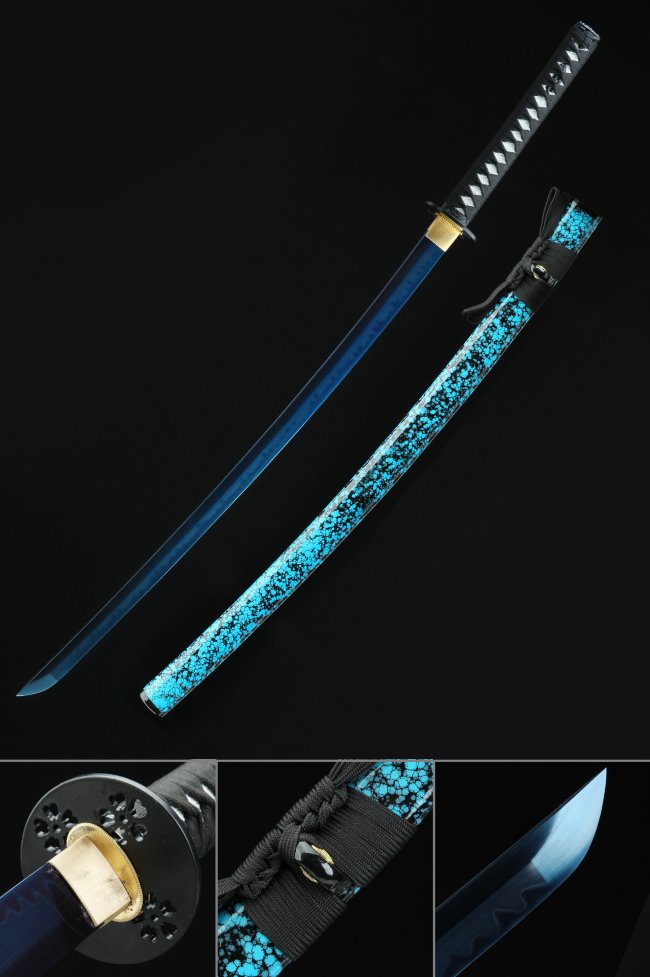
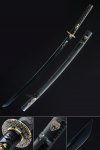
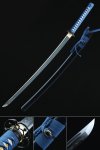
1045 Carbon Steel Blue Katana with Cherry Blossom Engraved Blade and Piano Lacquer Saya - Collectible Japanese Sword 1045 Carbon Steel Blue Katana with Cherry Blossom Engraved Blade and Piano Lacquer Saya - Collectible Japanese Sword Verified Purchase
Loading more reviews...

Subscribe to our emails

GET 20% OFF TODAY

Subscribe to our emails to receive the latest special offers and private events. We'll send a coupon code to your email shortly.

Get Coupon Code