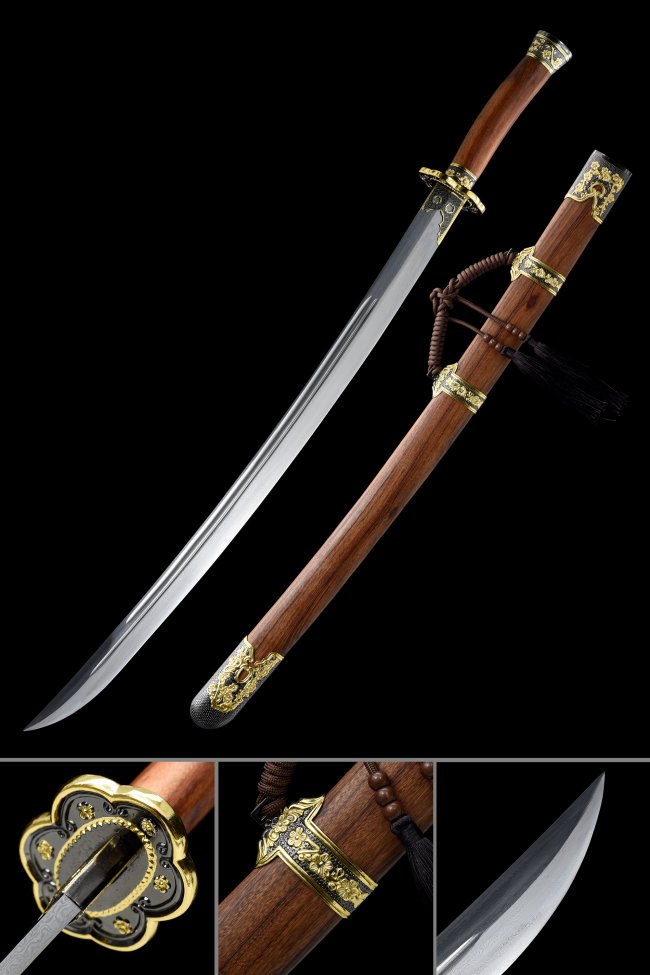
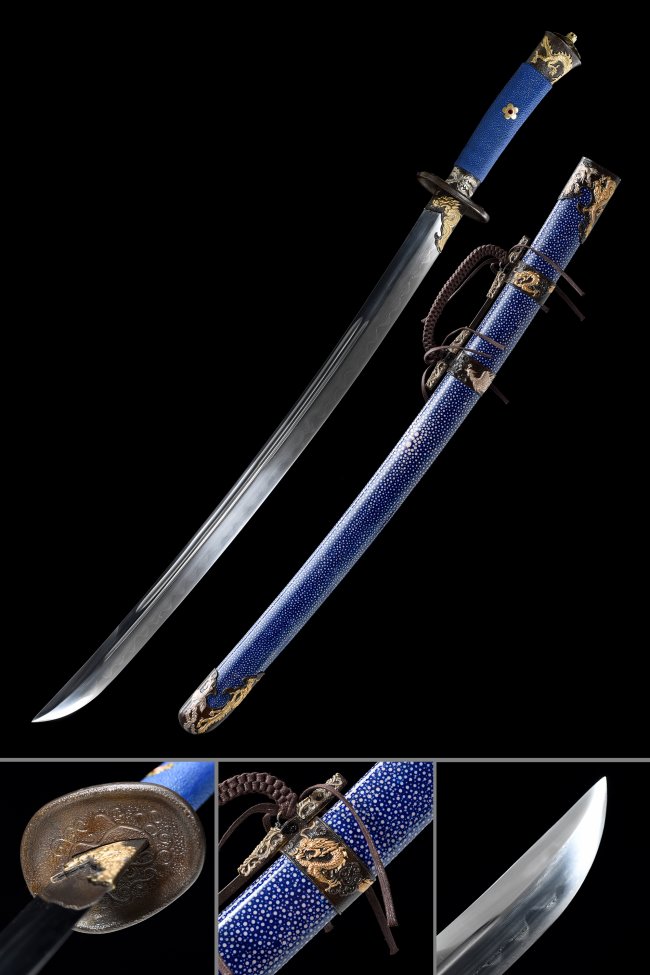
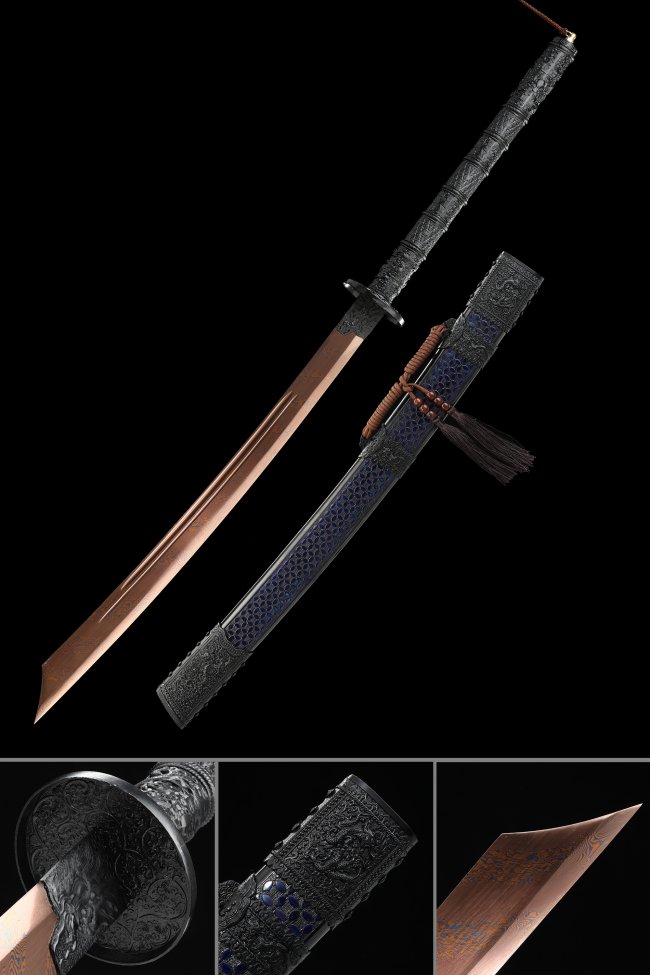
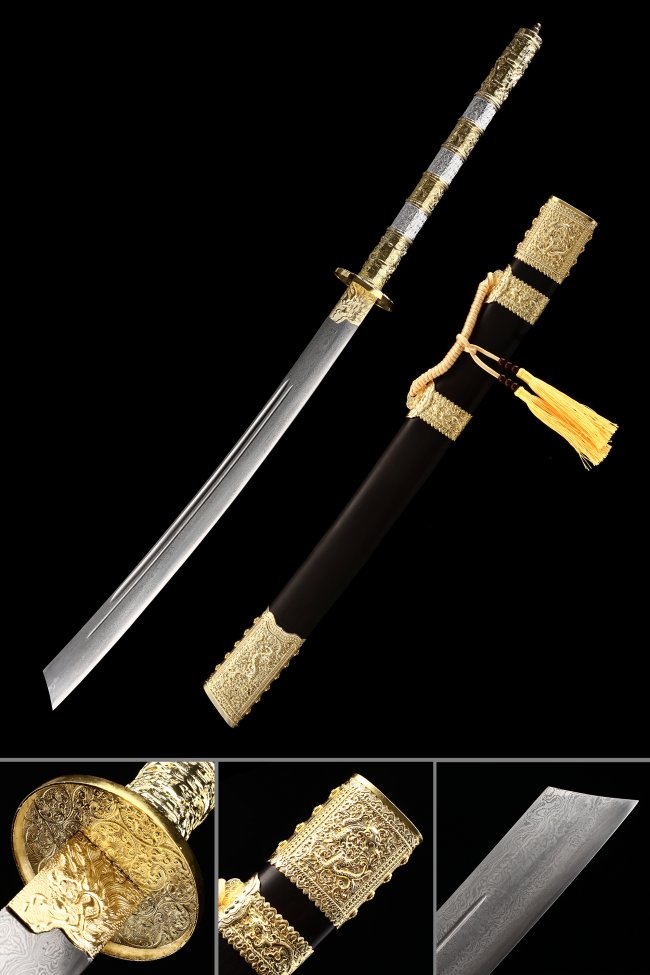
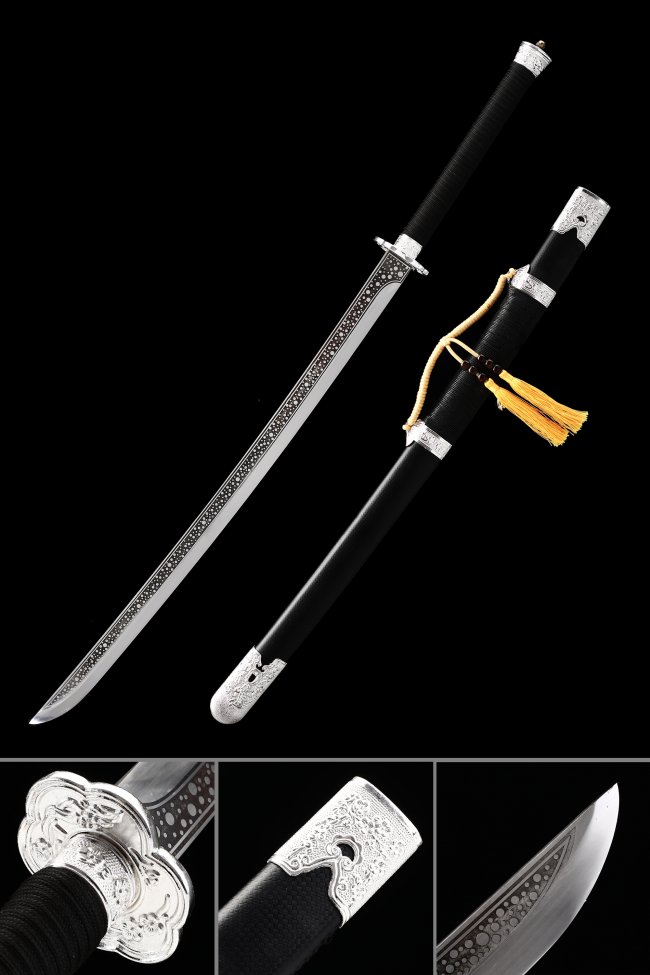
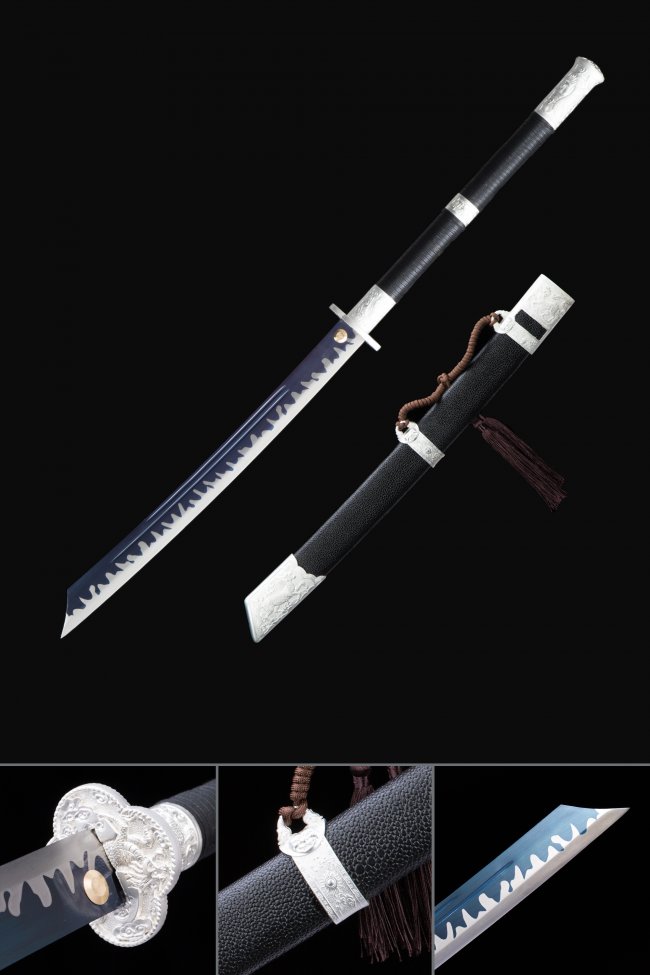
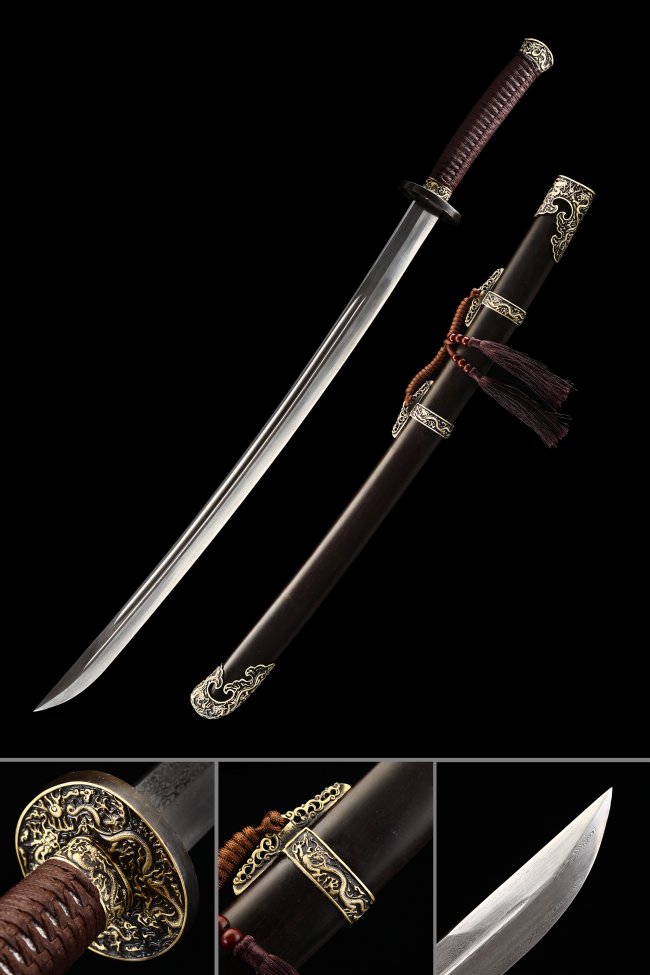
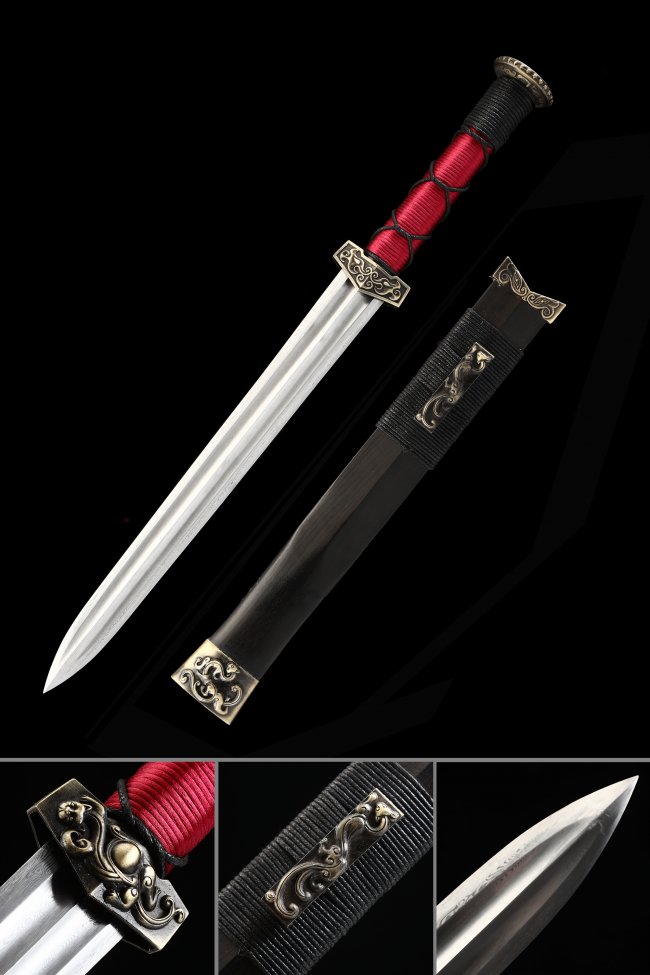
About Our Chinese Sword Collection
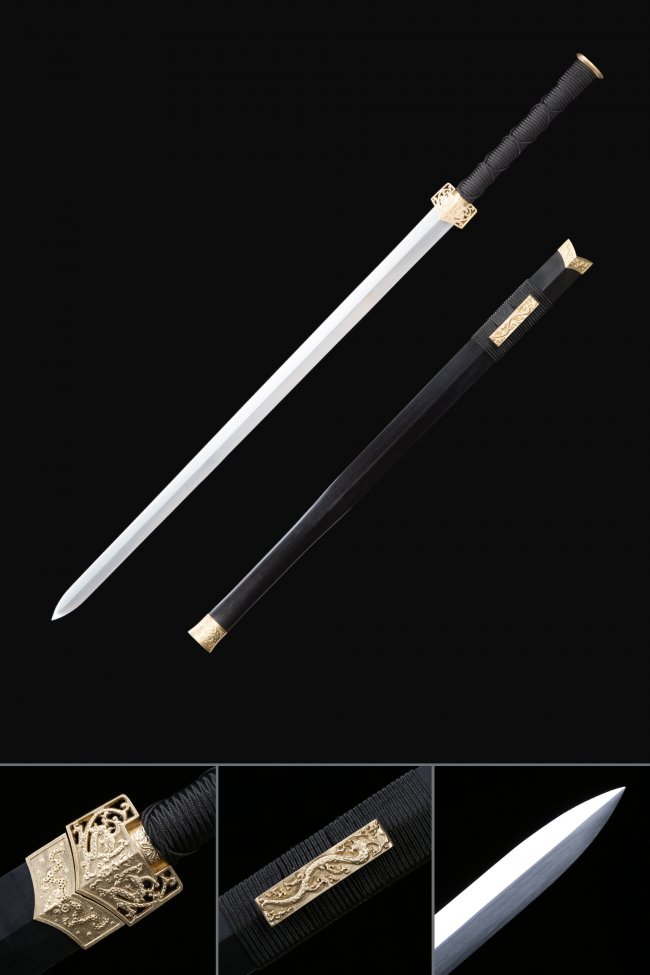
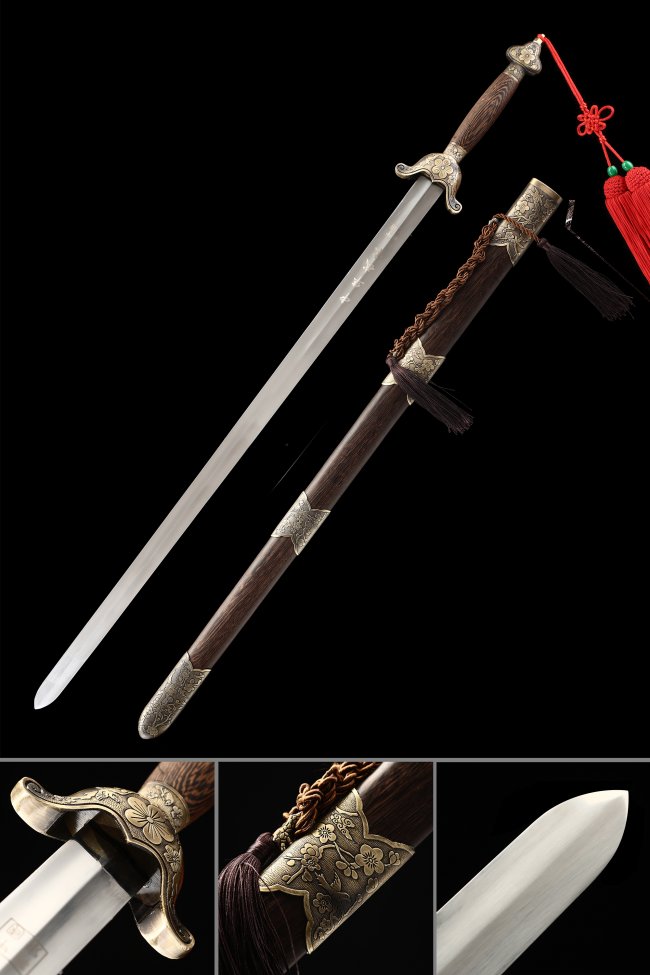
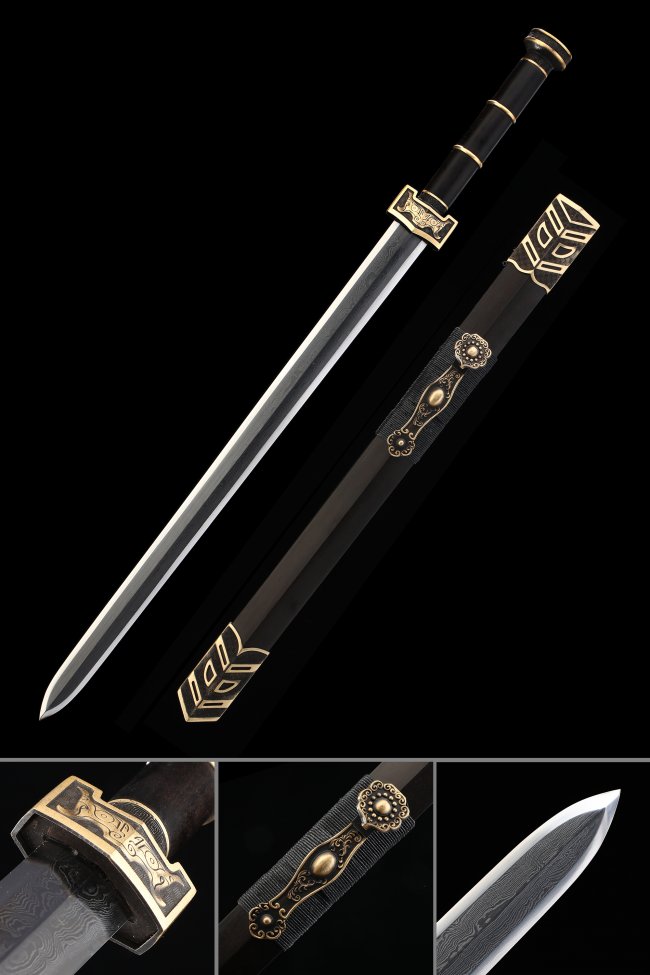
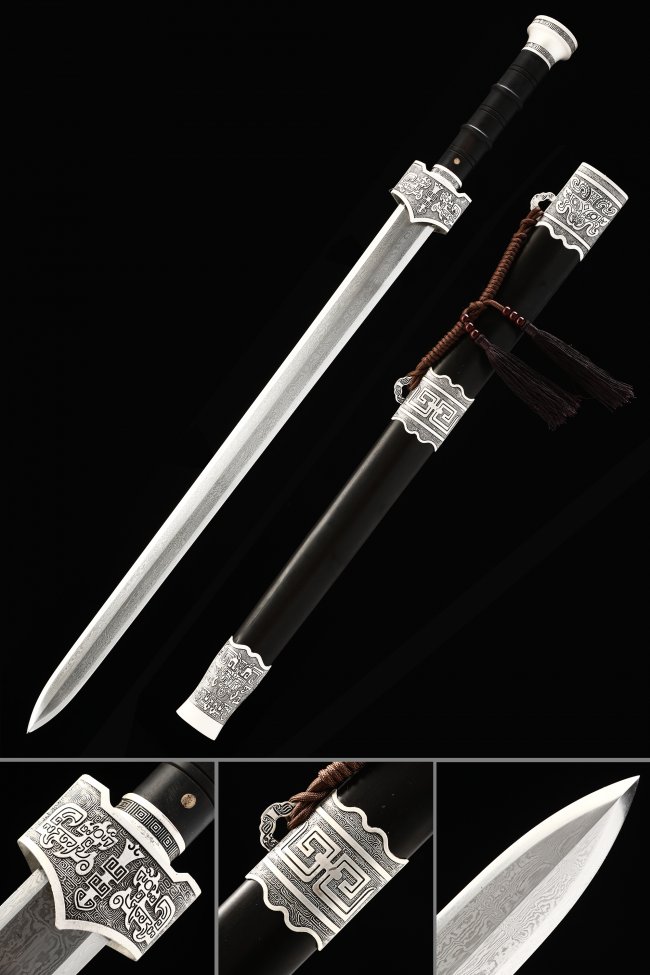
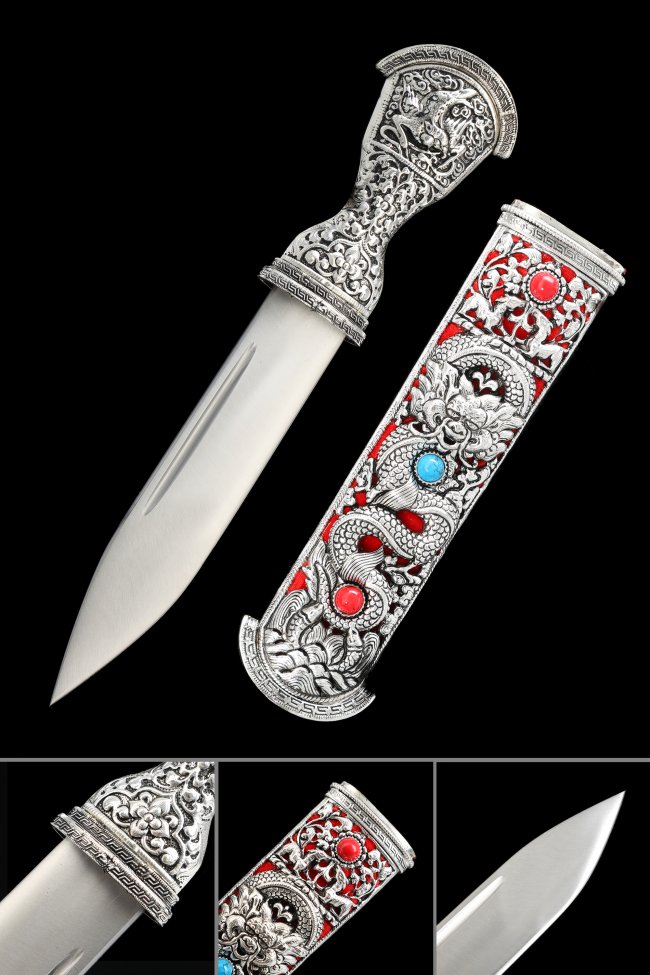
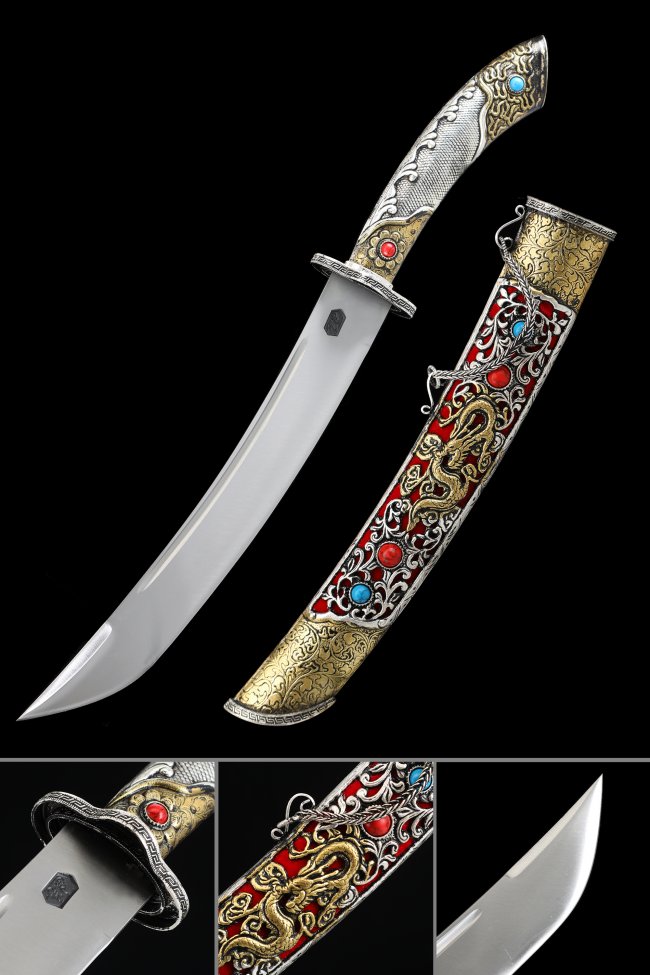
Chinese swords represent one of the oldest and most diverse blade-making traditions in the world, with a history stretching back over three thousand years to the Bronze Age. At TrueKatana, our Chinese sword collection features 166 handmade pieces across the two fundamental categories of Chinese blades — the jian (straight, double-edged sword) and the dao (single-edged saber) — along with polearms, tai chi practice swords, and designs inspired by Chinese literature and martial arts traditions. Each sword is individually hand-forged by skilled craftsmen using traditional methods.
The Two Pillars of Chinese Sword Making — Jian and Dao
Jian — The Gentleman of Weapons
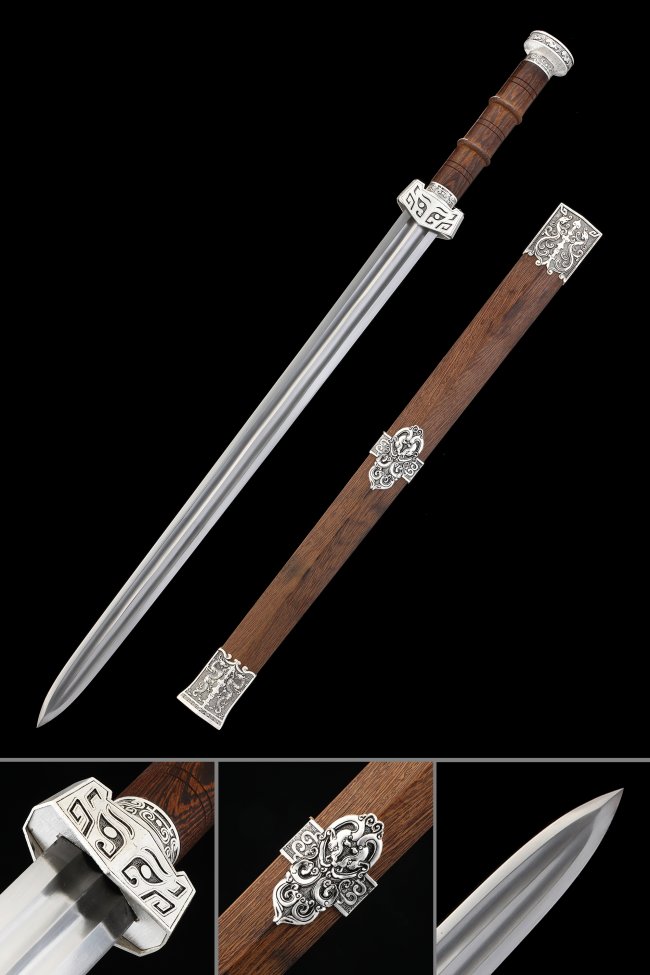
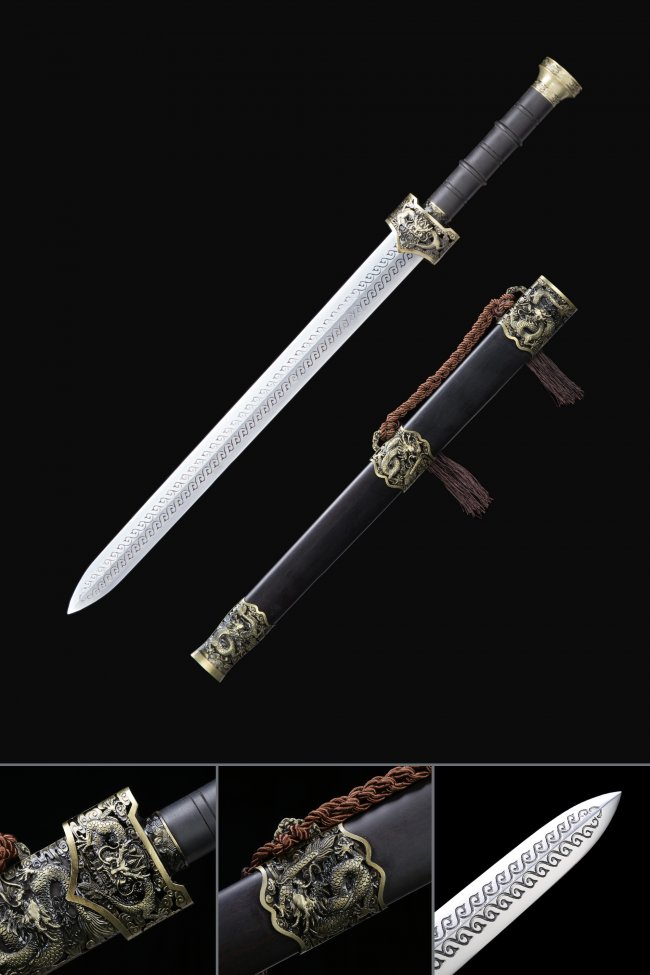
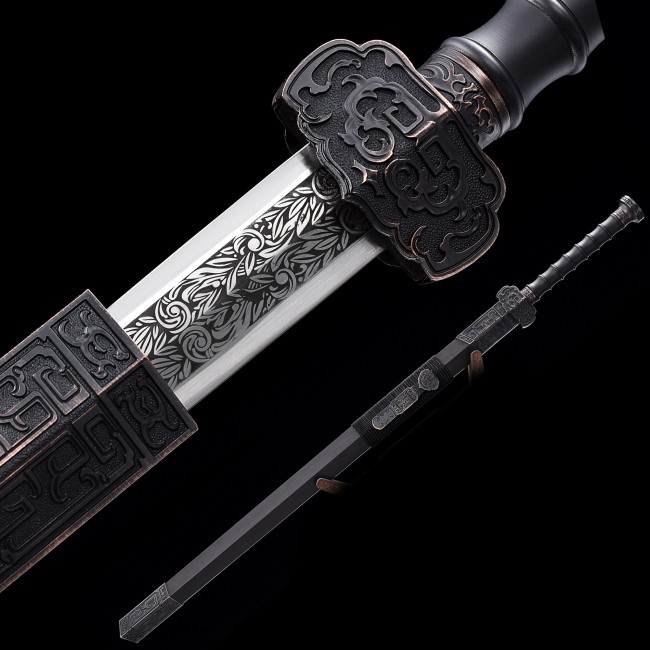
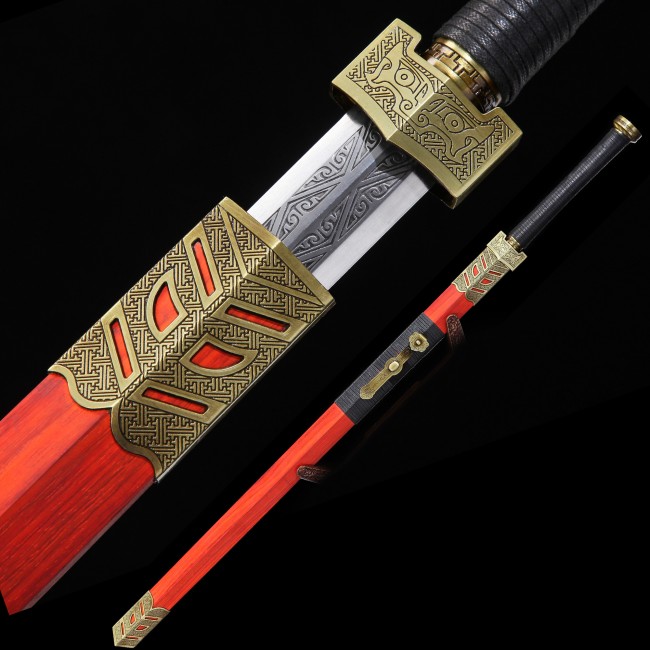
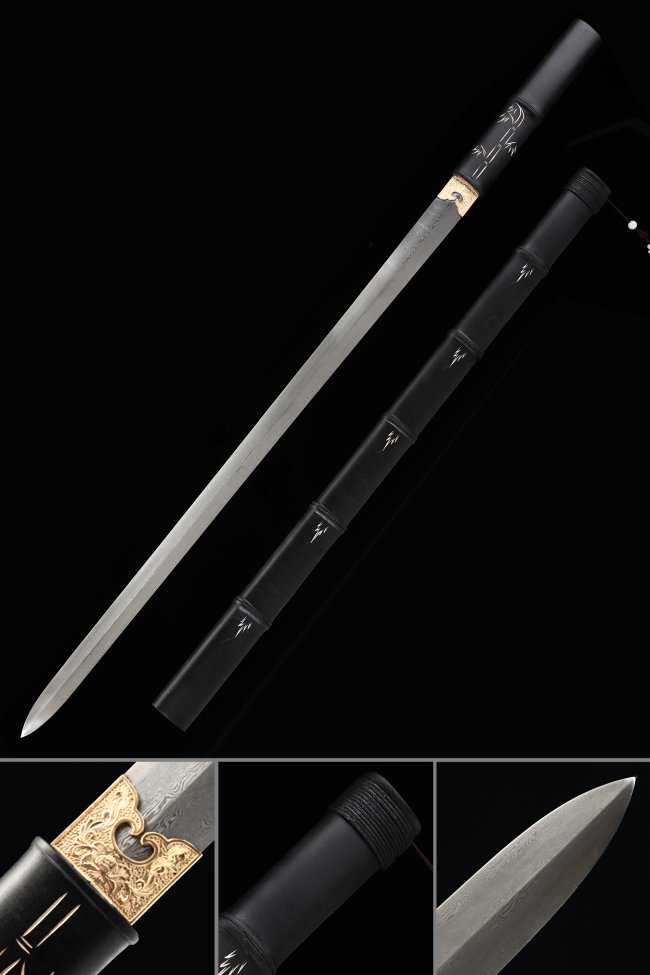
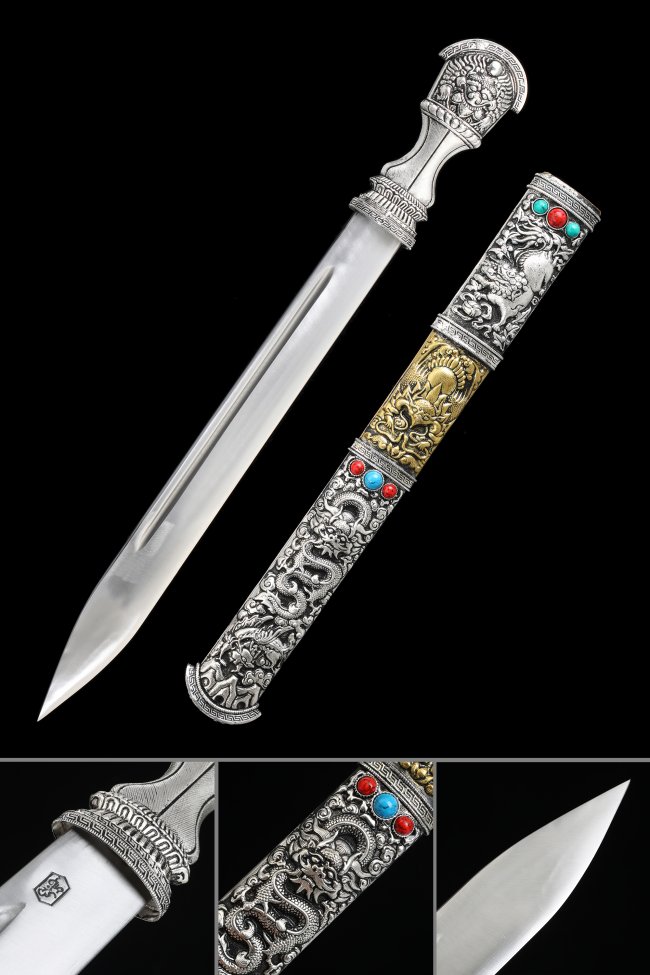
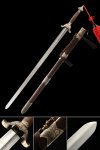
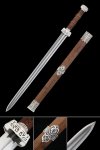
The jian is the straight, double-edged sword that has defined Chinese blade craft since the Bronze Age. Known in Chinese tradition as the "Gentleman of Weapons" (君子之器), the jian was historically associated with scholars, nobility, and refined martial skill. Its symmetrical, double-edged blade is designed for precision — thrusting, cutting, and parrying with equal facility. The jian is one of the four major traditional Chinese martial arts implements alongside the dao, spear (qiang), and staff (gun). Our collection includes jian from multiple historical periods, including Han Dynasty ring-pommel designs, Tang Dynasty straight swords, and ornate Ming and Qing era pieces with engraved fittings.
Dao — The General of Weapons
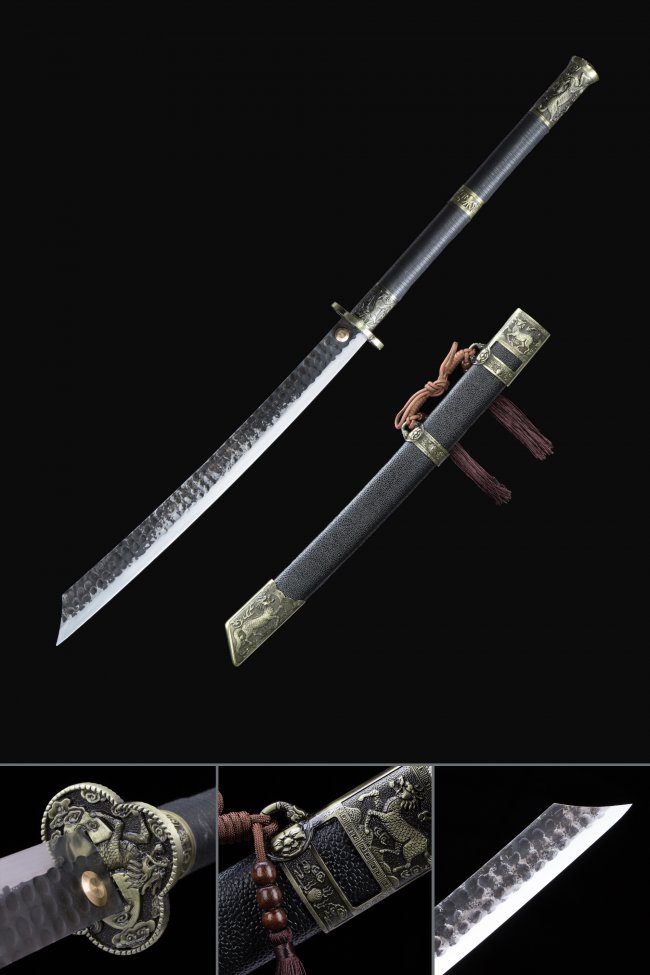
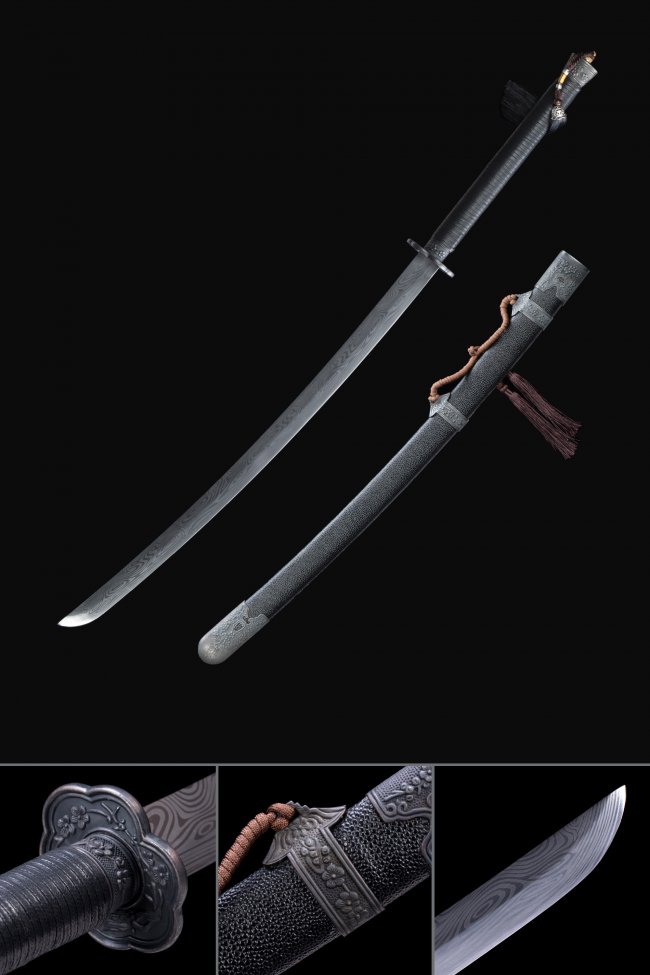
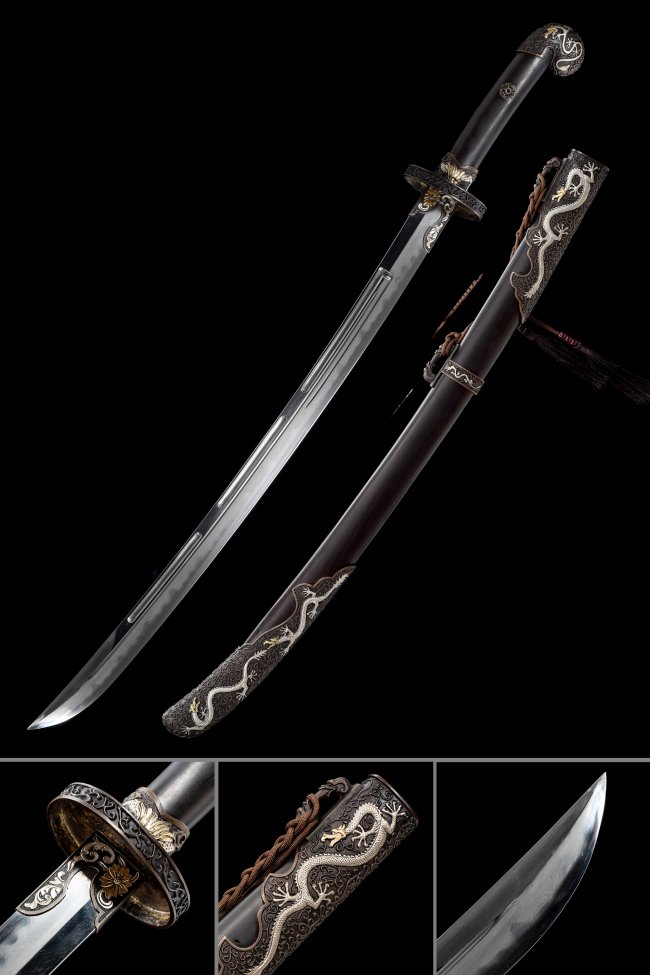
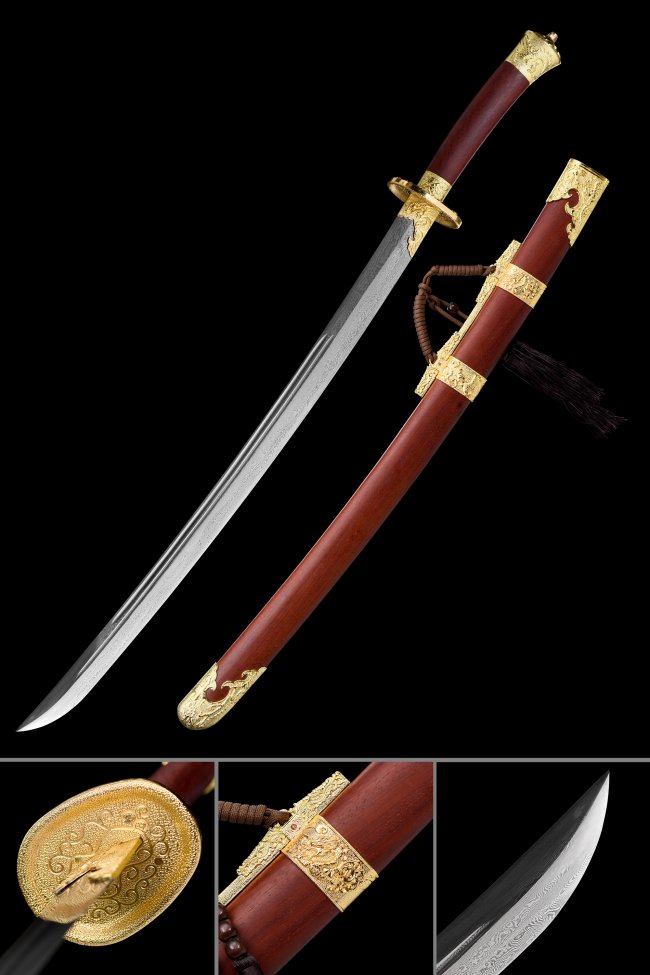
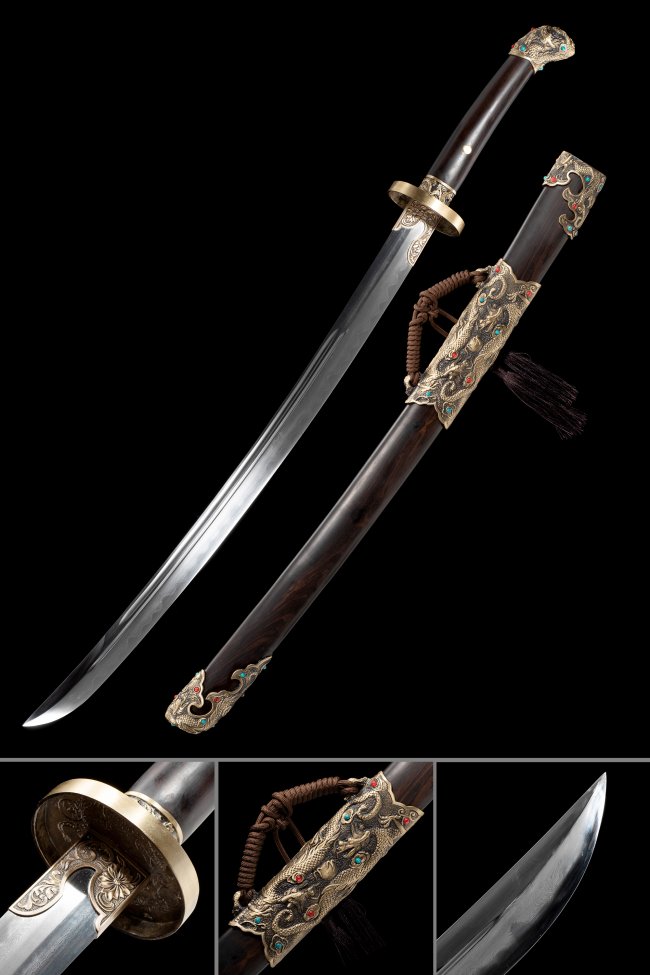
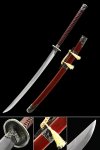
The dao is the single-edged Chinese saber that became the dominant military sidearm from the Han Dynasty onward. Where the jian emphasizes precision and finesse, the dao favors decisive, sweeping cuts delivered with the full weight of the blade. Chinese martial tradition calls it the "General of Weapons" (百兵之帅) — reflecting its status as the most widely used blade on the battlefield. Dao designs evolved significantly over the centuries, from the straight ring-pommel dao of the Han era to the curved sabers of the Qing Dynasty. Our Chinese Dao collection includes pieces across this full historical range.
Chinese Swords by Dynasty
Han Dynasty Swords (206 BC – 220 AD)
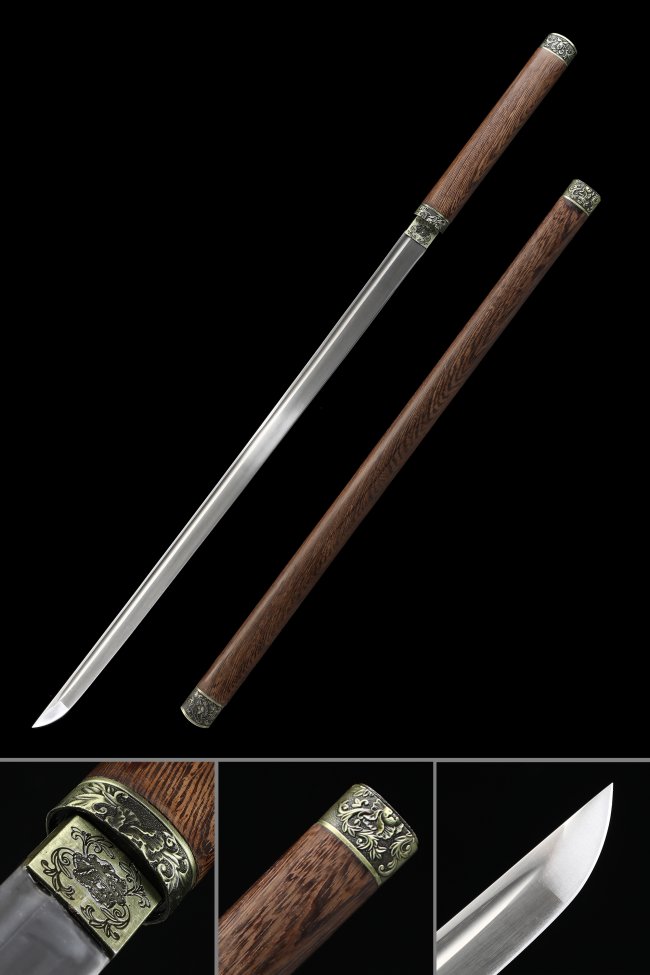
The Han Dynasty was a golden age for Chinese sword making. This era produced both the ring-pommel dao — one of the most influential military sidearm designs in Asian history — and refined jian that represent the peak of the straight sword tradition. Han Dynasty swords are characterized by their clean lines, functional geometry, and the distinctive ring pommel that gave the wielder a secure grip. Our Han Dynasty collection features both jian and dao in this iconic style.
Tang Dynasty Swords (618–907 AD)
The Tang Dynasty is widely regarded as a cultural and military high point of Chinese civilization. Tang-era blades — particularly the tang dao — are known for their excellent metallurgy and balanced proportions. The forging techniques developed in Tang-era workshops had a lasting influence on sword making across East Asia, including the early development of Japanese blade craft. Our Tang Dynasty swords reflect this era's reputation for refined, functional design.
Song, Ming, and Qing Dynasty Swords
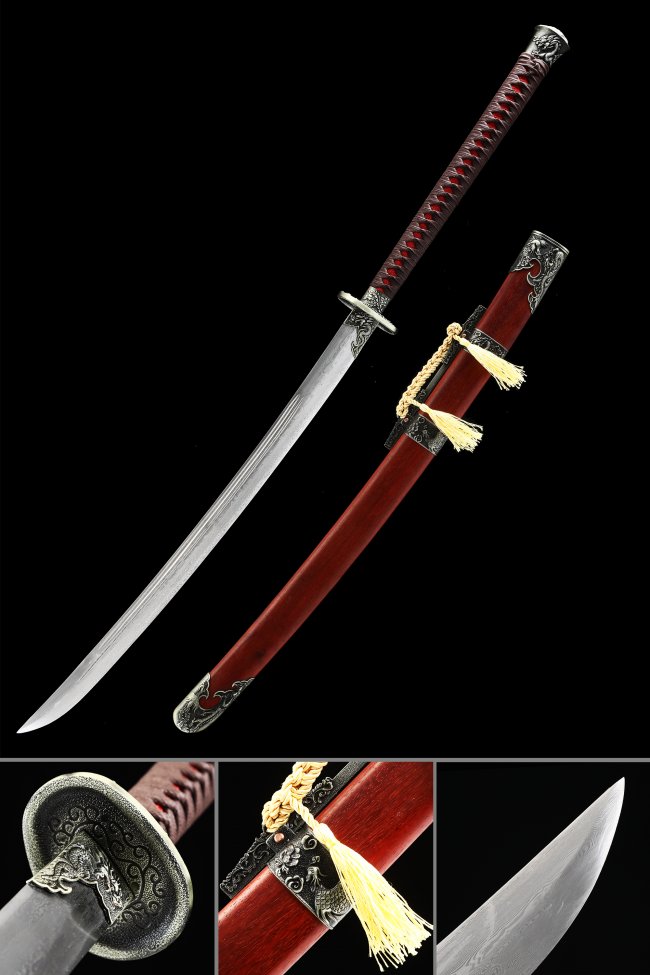
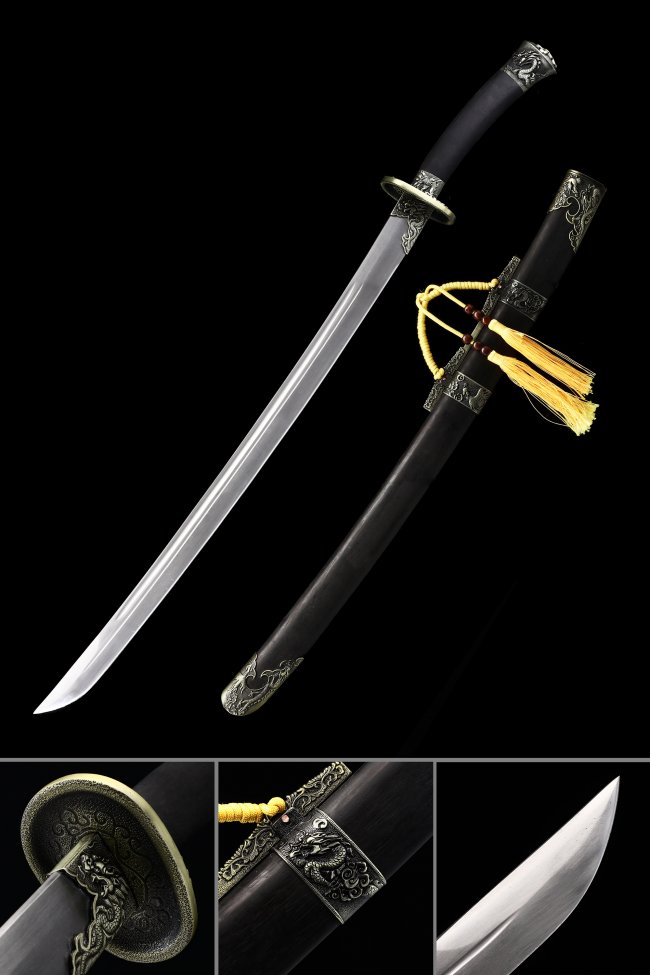
Later dynasties continued to refine Chinese sword design. Song-era blades reflected shifting military tactics and increased emphasis on infantry formations. The Ming Dynasty saw a revival of interest in classical jian design alongside practical military dao. The Qing Dynasty produced some of the most ornate and recognizable Chinese saber designs, with broad curved blades and elaborate fittings that remain iconic today. Our collection includes pieces from each of these periods.
Tai Chi Swords
Tai chi sword practice (taijijian) is one of the most popular forms of Chinese martial arts worldwide. Practitioners use the jian as an extension of the body, performing slow, flowing forms that develop balance, coordination, and internal energy. Our tai chi sword collection includes pieces specifically designed for this practice — with appropriate weight, balance, and blade flexibility for form training. Whether you are a beginning tai chi student or an experienced practitioner, our tai chi swords offer the traditional feel and quality needed for meaningful practice.
Guan Dao and Chinese Polearms
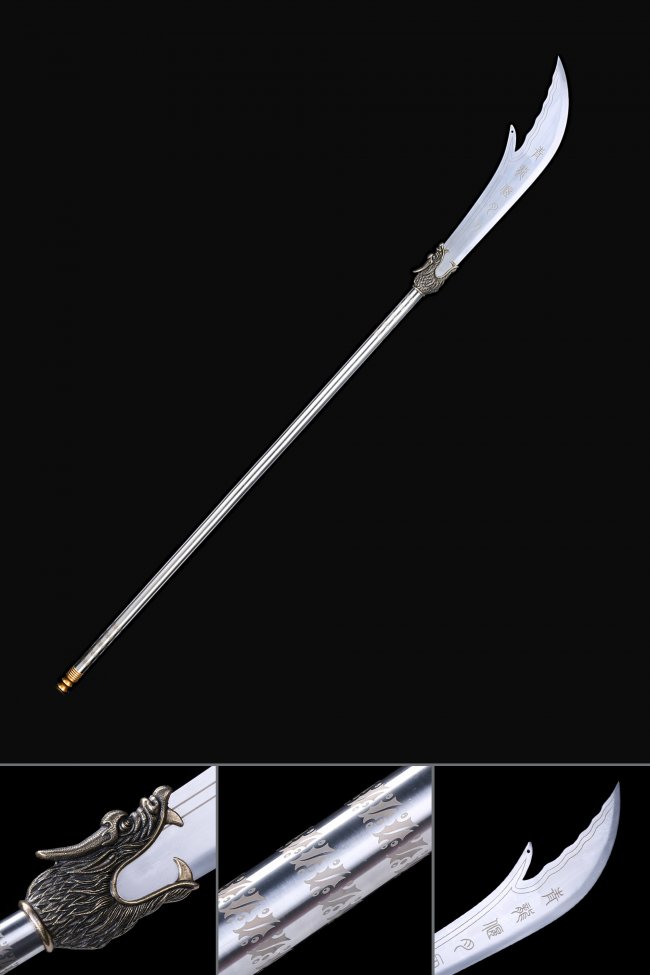
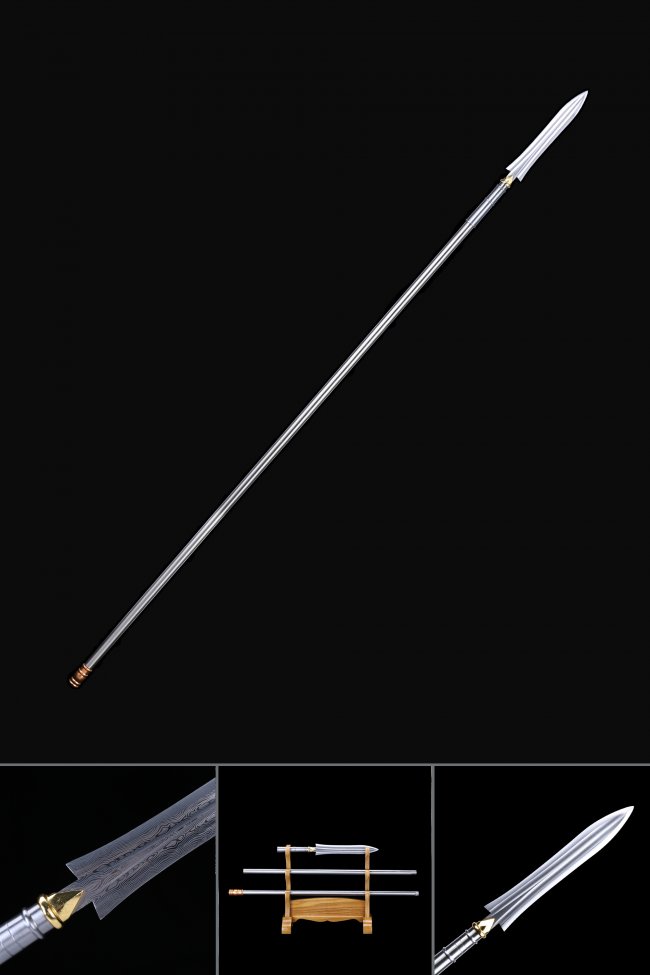
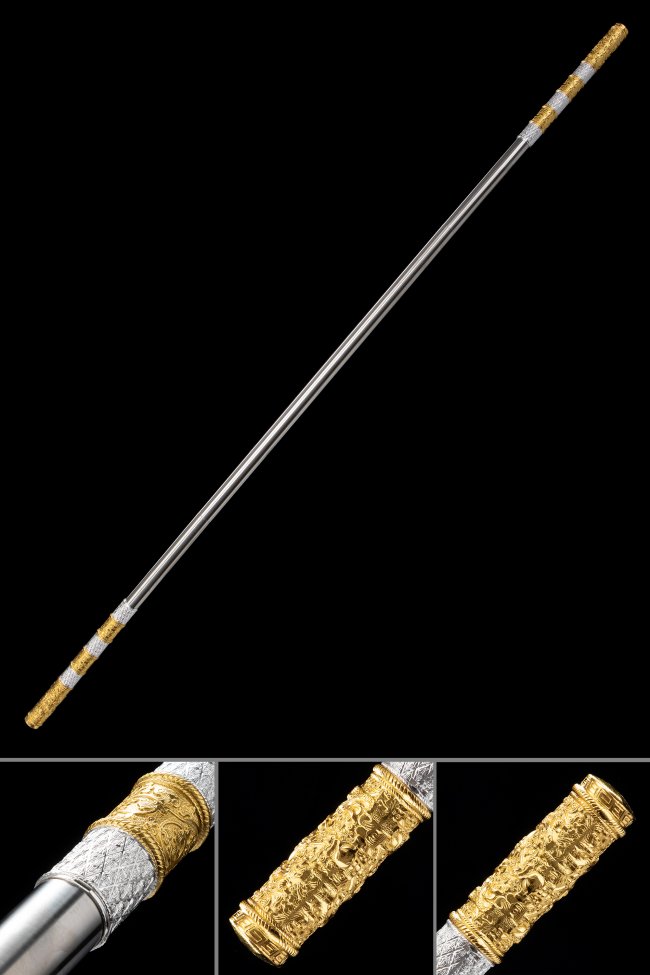
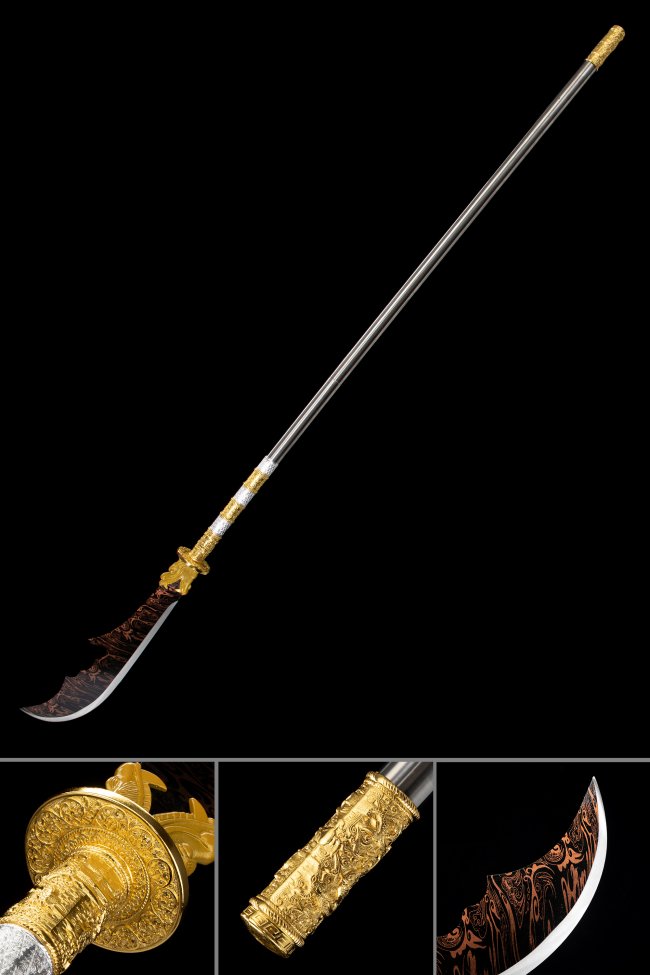
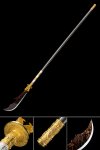
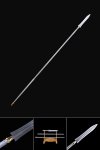
The guan dao — also known as the Green Dragon Crescent Blade — is one of the most iconic Chinese polearms, made famous through the Romance of the Three Kingdoms and its legendary wielder, Guan Yu. Featuring a heavy, curved blade mounted on a long shaft, the guan dao combines the cutting power of a saber with the reach of a spear. Our collection includes hand-forged guan dao and other Chinese polearm designs in carbon steel and manganese steel, each built to full scale with traditional fittings.
Novel and Literary Chinese Swords
Chinese literature, film, and martial arts mythology have produced some of the most recognizable sword designs in popular culture. From the legendary blades of wuxia novels to designs inspired by historical figures and classical stories, our Novel Chinese Swords collection brings these fictional and semi-historical pieces to life as handmade collectibles. These swords combine traditional forging techniques with creative design elements drawn from China's rich storytelling heritage.
How Our Chinese Swords Are Made
Steel Selection and Forging
Each Chinese sword begins with raw steel — whether high-carbon 1095, manganese, folded pattern steel, or damascus. The steel is heated in a traditional forge, hammered into shape by hand, and ground to the appropriate blade profile. Jian receive a symmetrical double-edge grind, while dao are shaped with a single cutting edge and a thick spine for structural strength.
Folding and Pattern Development
Many of our Chinese swords feature folded steel construction. The billet is repeatedly heated, folded, and forge-welded to create visible grain patterns in the blade surface. The number of folds and the forging technique determine the final pattern — each blade is unique.
Fittings and Finishing
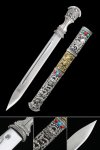
After the blade is polished, it is fitted with a guard, handle, and pommel appropriate to its historical period and style. Han-era swords receive ring pommels and minimal guards. Tang and Ming designs feature more elaborate brass or copper fittings with engraved or cast decoration. Scabbards are shaped from wood and finished with lacquer, leather wrapping, or metal accents. Many of our Chinese swords include traditional tassels or lanyards.