What makes a ninja katana different from a samurai katana?
Updated Feb 2026
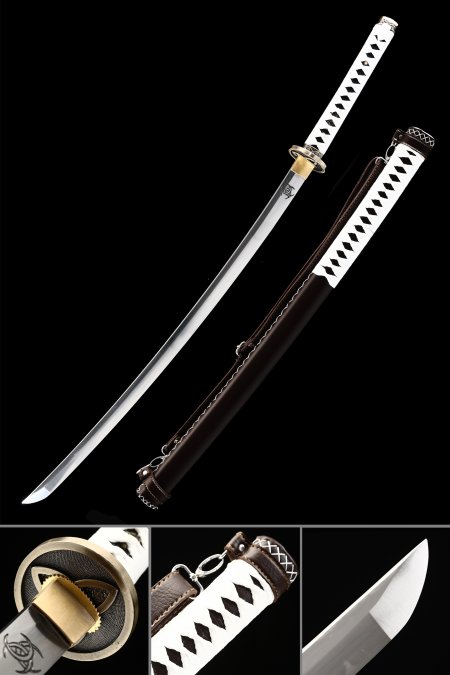
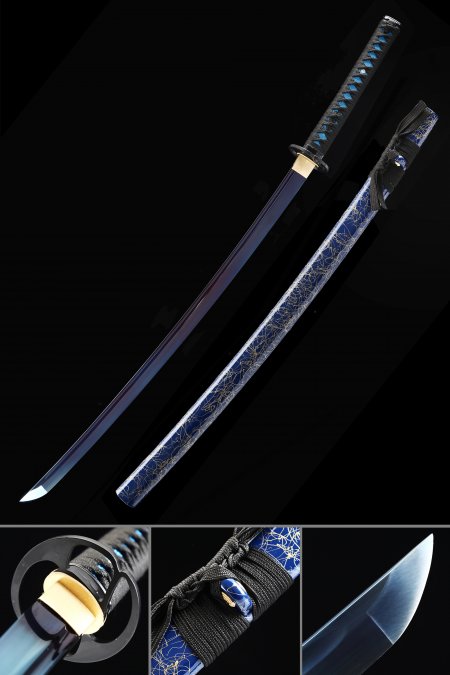
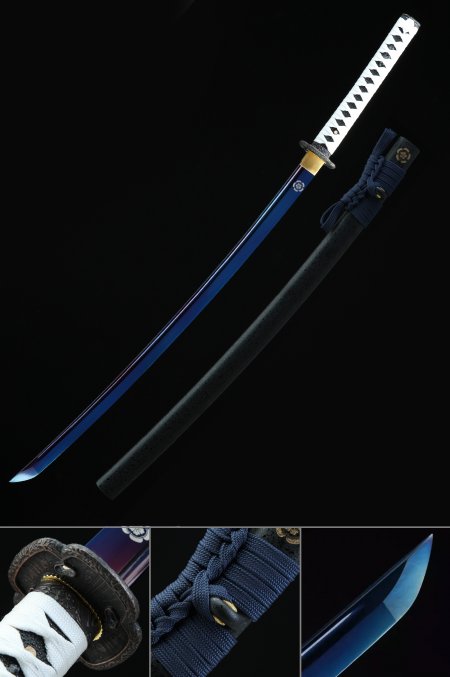
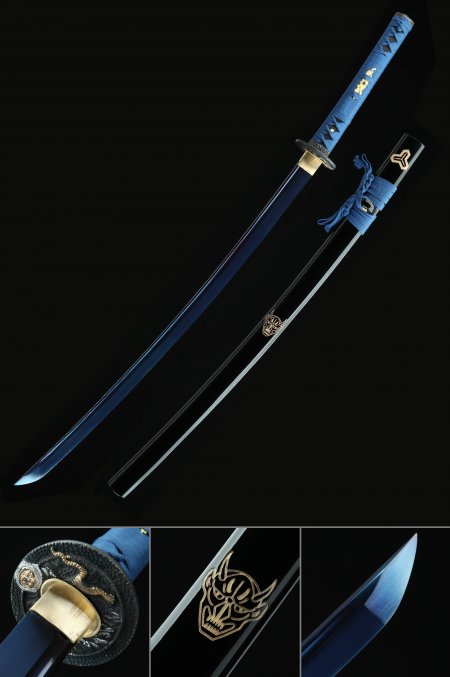
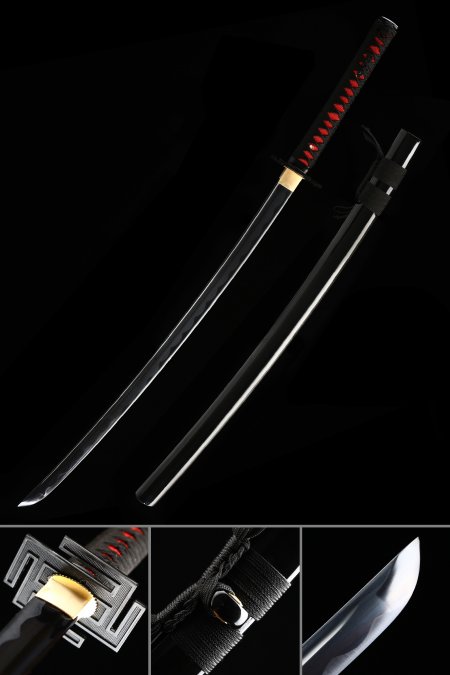
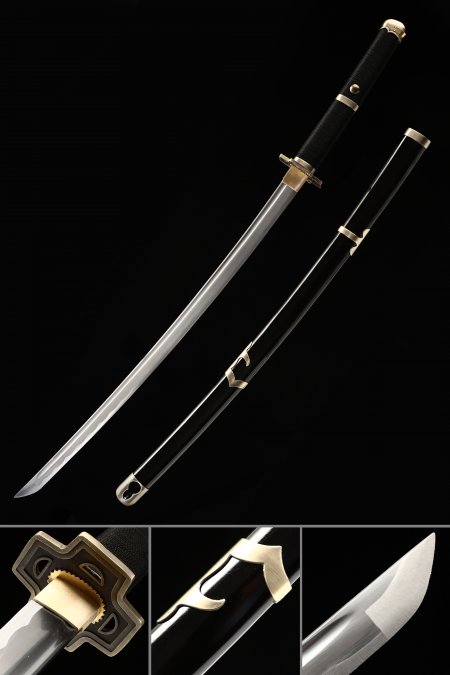
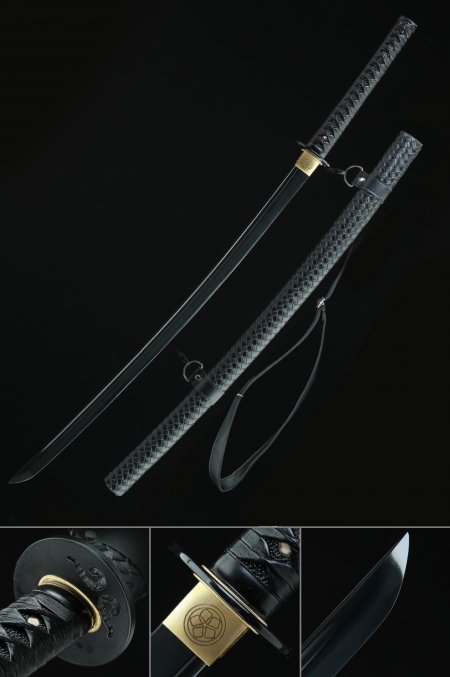
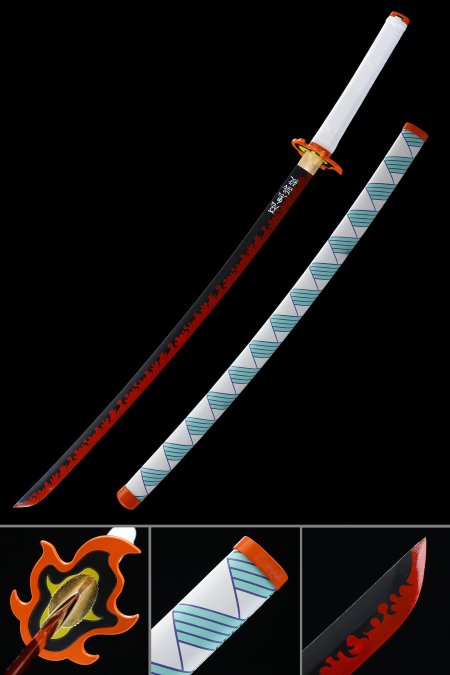
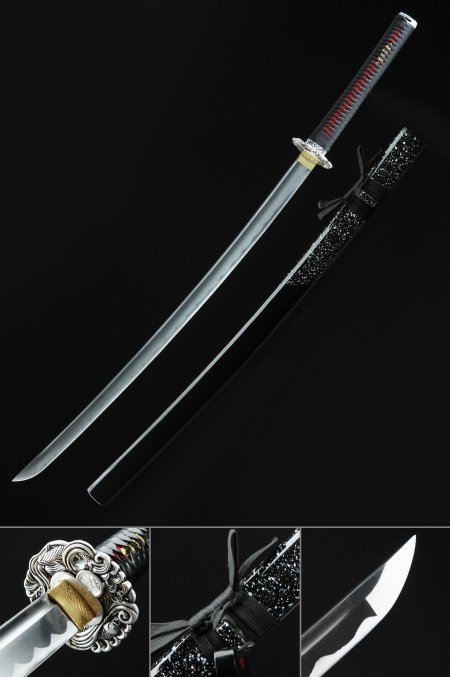
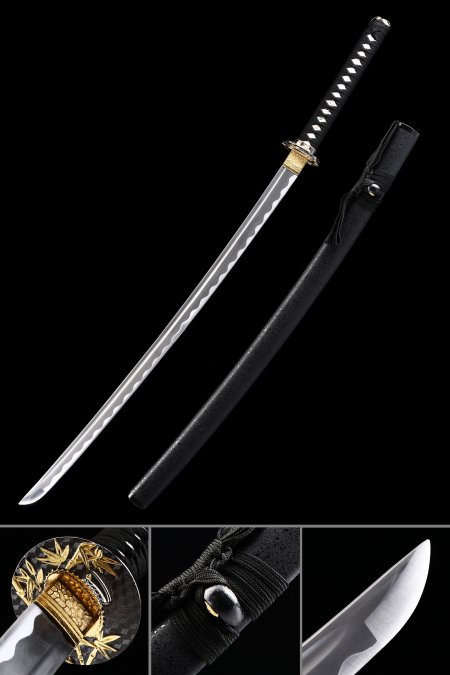
While both styles share the fundamental curved single-edge blade geometry of Japanese swordsmanship, the ninja katana historically diverged in several practical ways. The blade is typically shorter and may carry a straighter profile, allowing for easier concealment and quicker draw in confined spaces. Fittings tend toward matte or darkened finishes rather than the ornate lacquerwork favored by samurai, and the tsuba is often simpler — sometimes a basic square iron guard rather than an elaborately carved decorative piece. In a collectible context, these distinctions give ninja katana a distinct visual identity: understated, functional-looking, and often finished in black or dark lacquers that set them apart immediately on any display rack or wall mount.