What does full-tang mean, and why does it matter for display?
Updated Feb 2026
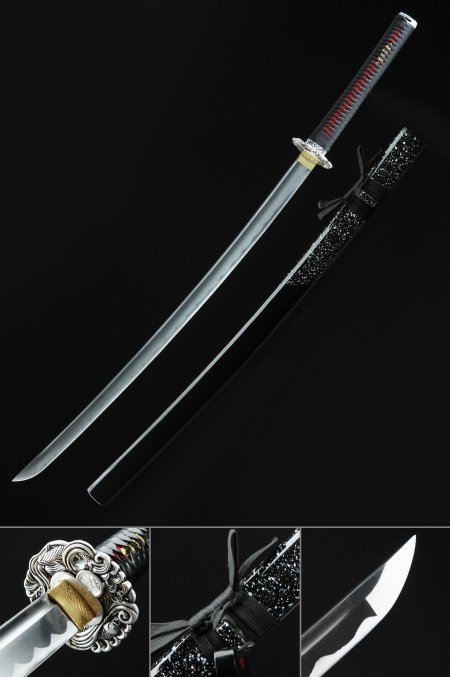
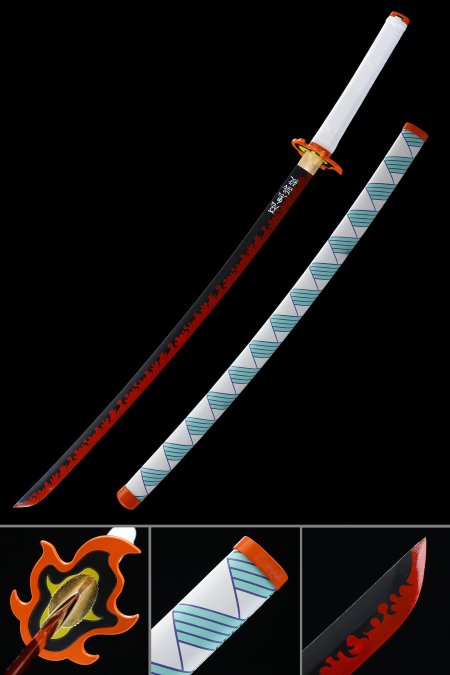
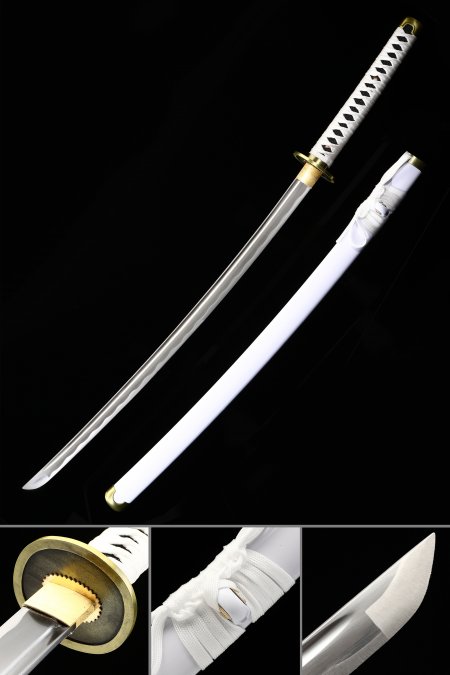
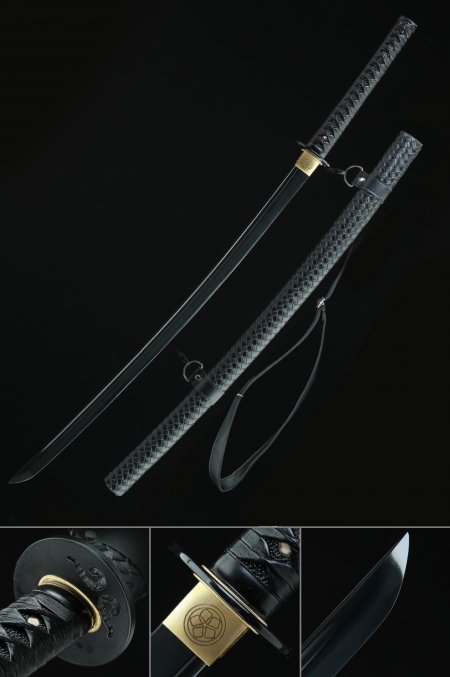
Full-tang refers to the steel of the blade extending the entire length of the handle rather than stopping partway through or being attached via a threaded bolt. In a properly constructed katana, the tang — called the nakago — is secured inside the tsuka with one or more mekugi (bamboo or steel pegs) passing through aligned holes. This construction method means the handle and blade function as a single continuous unit, which contributes significantly to structural stability over time. For display collectibles, full-tang construction ensures the piece remains solid and properly aligned on a wall mount or stand for years without the handle loosening or shifting. It also reflects accurate historical construction, which matters to collectors who value authenticity in the pieces they acquire and display.