What makes a gold and white katana different from a standard finish?
Updated Feb 2026
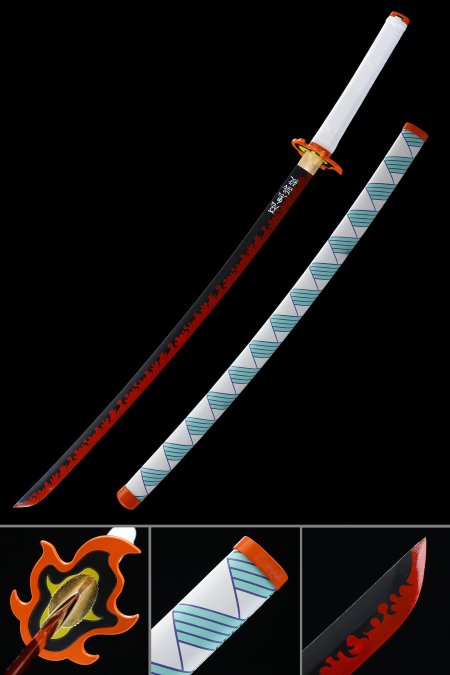
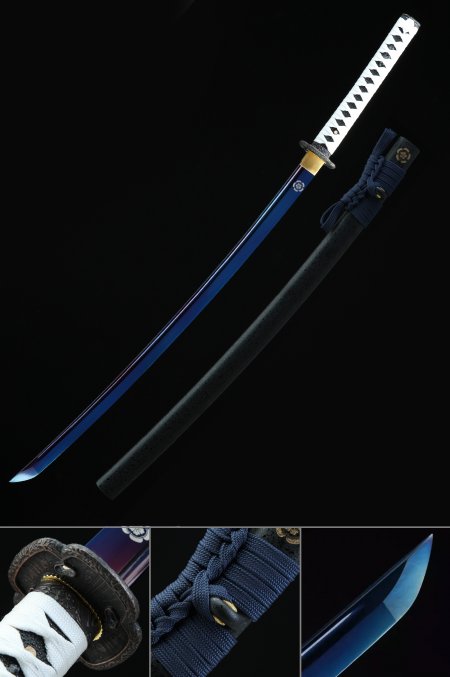
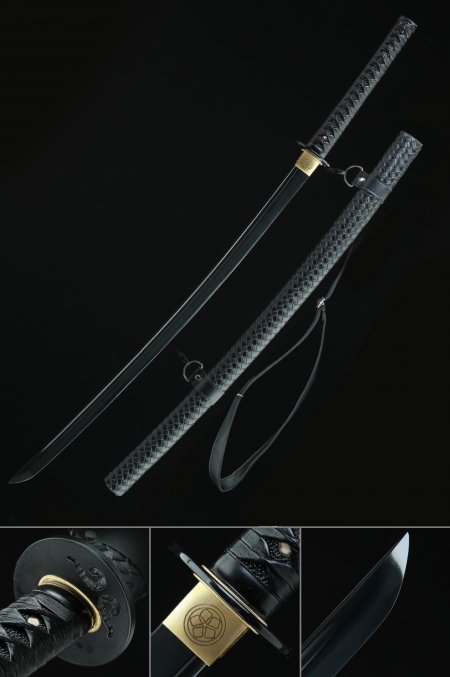
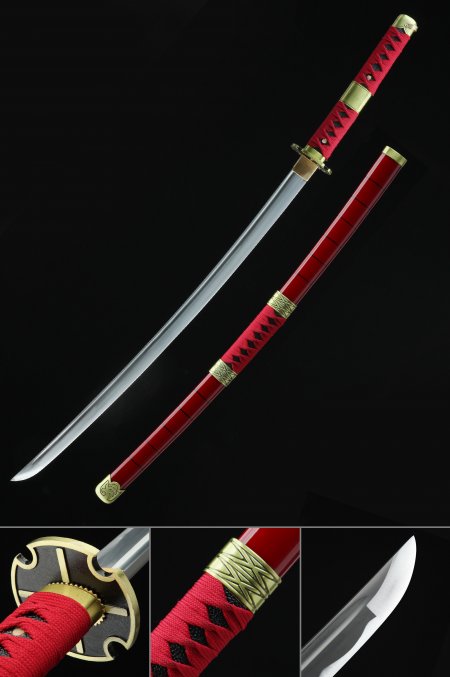
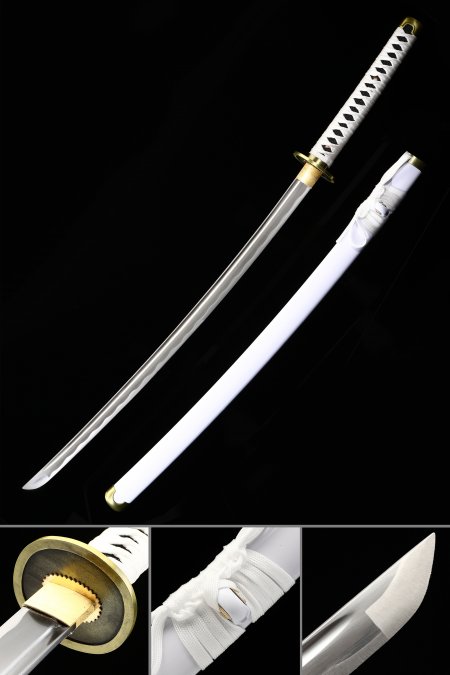
A gold and white katana is defined primarily by its coordinated color scheme across multiple fittings rather than a single decorative element. The saya is typically finished in white piano lacquer or white hardwood, while the tsuba, menuki, kashira, and fuchi feature gold-toned plating or brass construction. This deliberate pairing creates a unified visual identity that standard-finish katana — which often mix darker tones like black ito with iron-colored hardware — do not achieve. The white lacquer saya in particular requires careful finishing because imperfections are far more visible on a light surface than on traditional black or dark-stained scabbards, which means collectors can generally expect a higher level of surface craftsmanship on these pieces.