What does a real hamon indicate on a collectible katana?
Updated Feb 2026
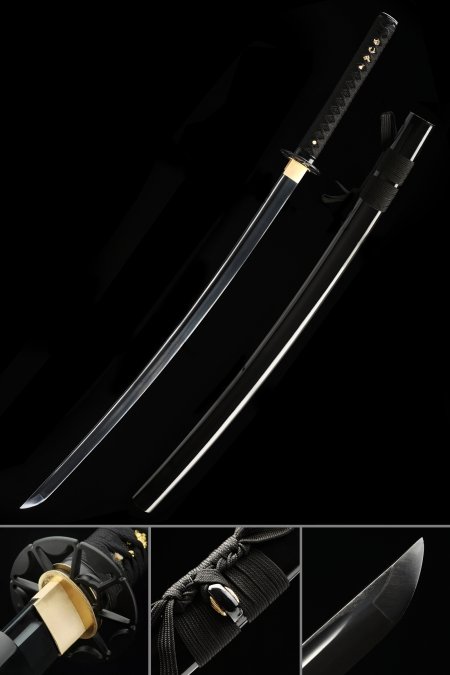
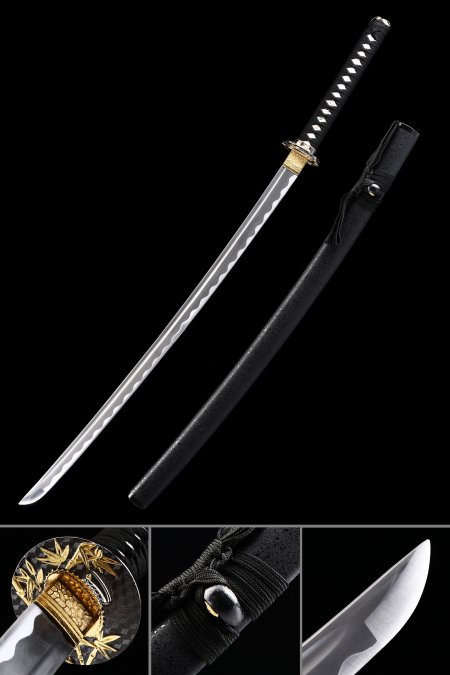
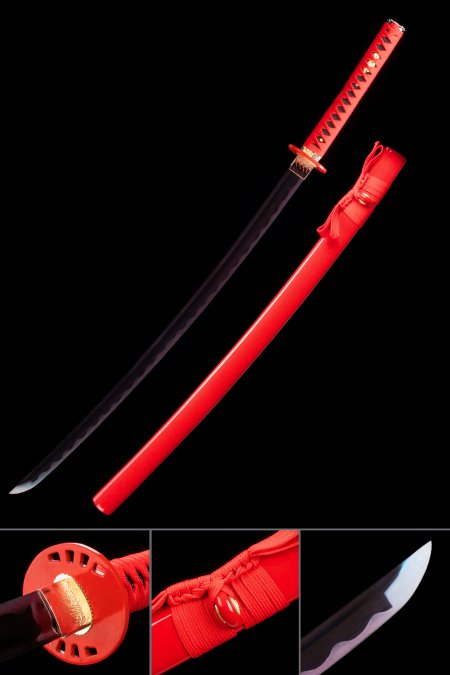
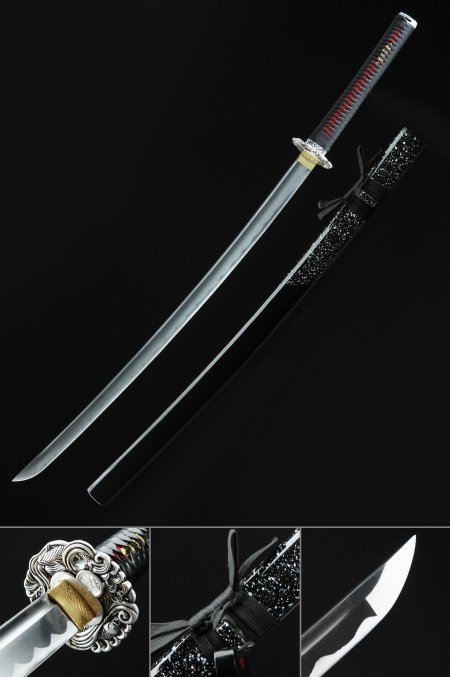
A real hamon is the visible temper line that results from differential clay tempering, a centuries-old technique in which the smith applies a clay mixture of varying thickness along the blade before quenching. The spine, insulated by thicker clay, cools slowly and remains relatively soft and flexible, while the edge cools rapidly to form harder martensite steel. The boundary between these two zones produces the hamon — a natural, unrepeatable pattern that can appear as gentle waves, irregular clouds, or tight clusters depending on the clay application and quenching conditions. A genuine hamon is a hallmark of traditional craftsmanship and adds significant collectible value compared to etched or acid-printed imitations.