What is clay tempering and why does it matter for a katana collectible?
Updated Feb 2026
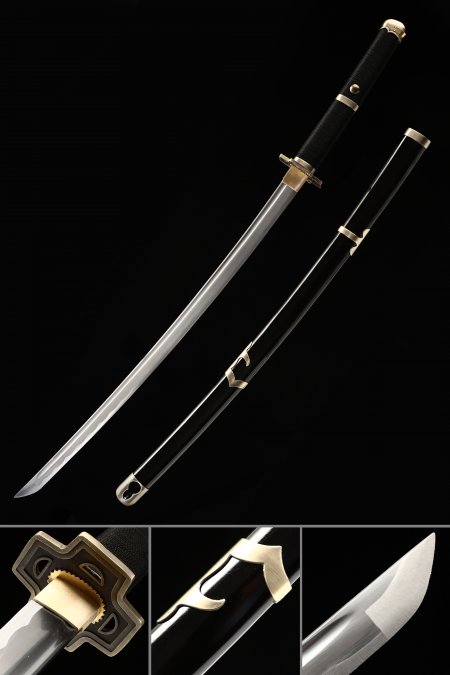
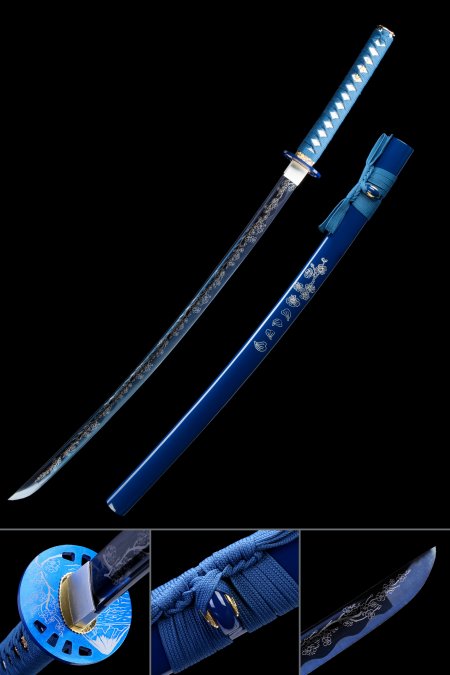
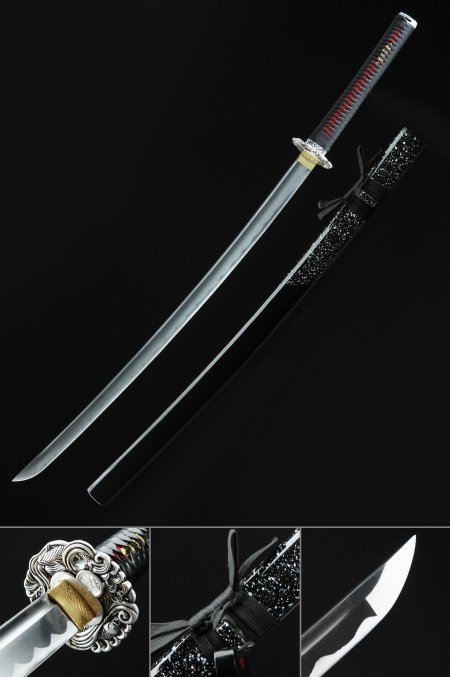
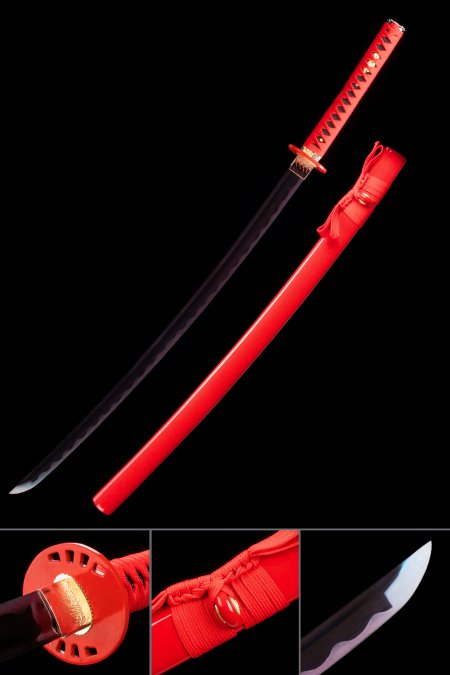
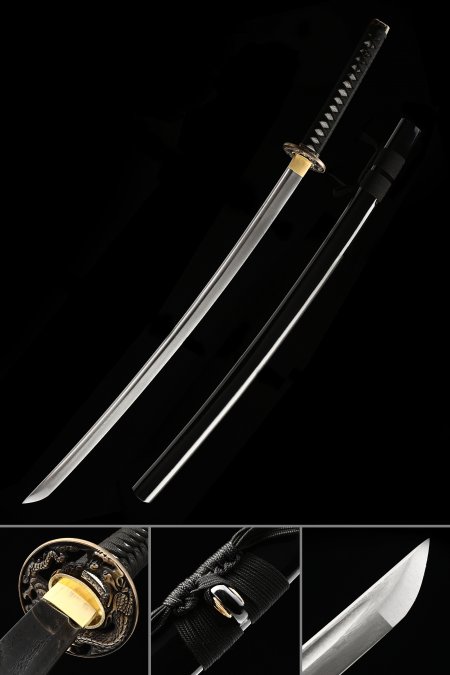
Clay tempering is a heat treatment method used in traditional Japanese sword making that produces the hamon temper line - the wave-patterned boundary along the blade edge that is one of the most distinctive visual features in Japanese sword collecting. The process works by applying a clay mixture to the blade in a specific pattern before the final quenching stage of heat treatment. The smith leaves the edge zone with minimal clay coverage while applying a thicker coat to the spine and body of the blade. When the coated blade is brought to hardening temperature and rapidly quenched, the different clay thicknesses create different cooling rates across the blade surface: the thinly coated or exposed edge cools rapidly and hardens to high hardness, while the more heavily coated spine cools more slowly and retains greater toughness. The boundary between these two zones - visible after polishing and etching as the hamon - records the pattern of clay application and quenching dynamics from the individual heat treatment of that specific blade. This makes the hamon not a decoration but a genuine artifact of the blade's production history.