What is the difference between aikuchi and hamidashi tanto?
Updated Feb 2026
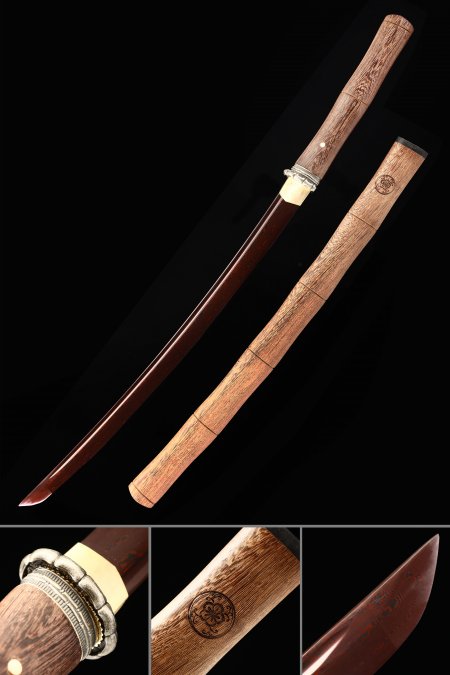
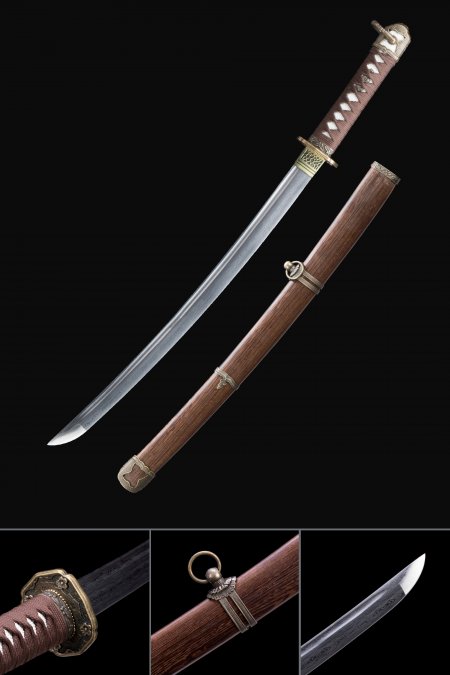
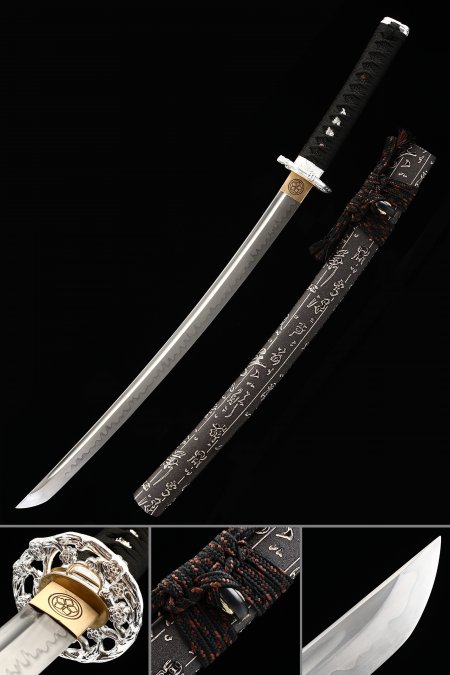
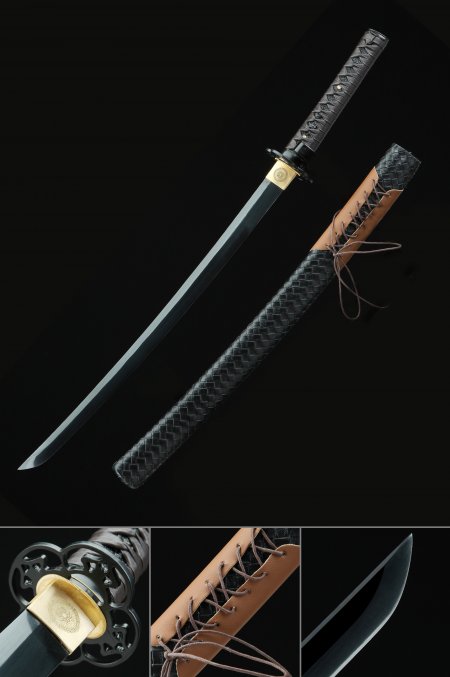
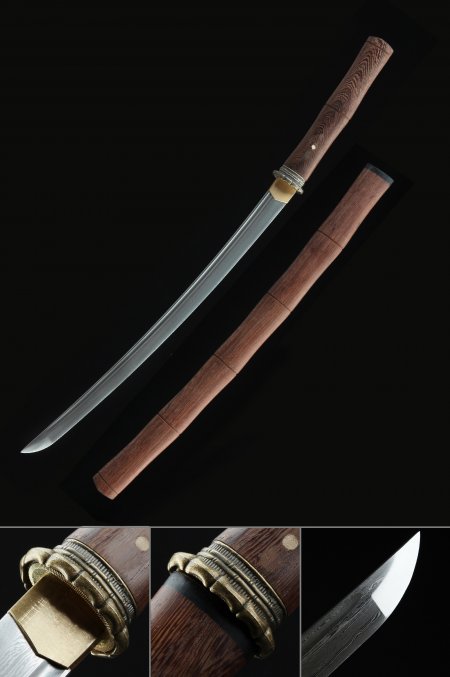
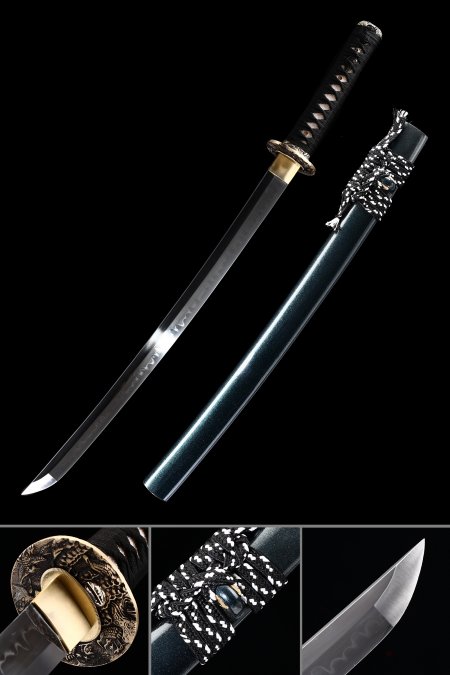
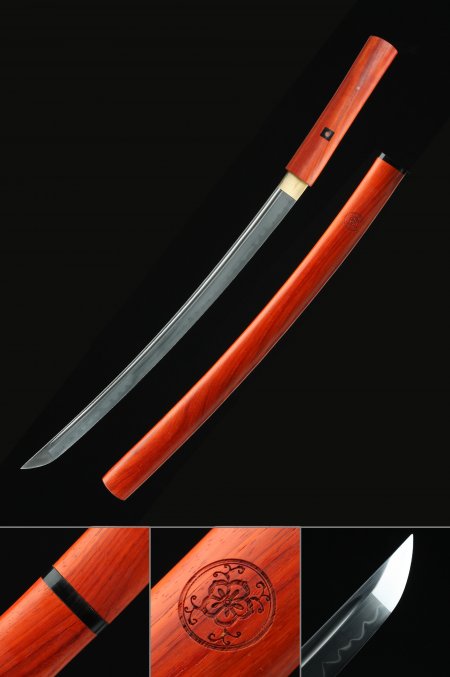
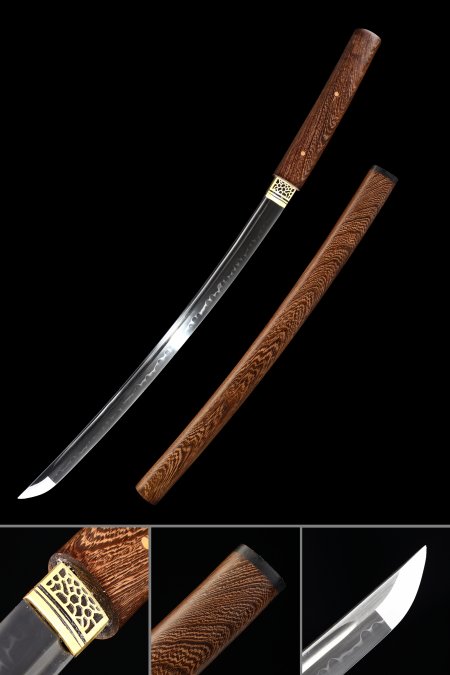
Both are traditional Japanese mounting styles for short swords, but they differ at the guard area. An aikuchi tanto has no tsuba at all — the handle collar (fuchi) meets the scabbard mouth (koiguchi) flush, creating a sleek, uninterrupted line. This style was historically favored for close-body carry and is prized today for its minimalist silhouette. A hamidashi tanto features a very small, often oval tsuba that barely extends past the handle width. It offers a subtle visual accent and a slight finger stop without the pronounced guard seen on katana or wakizashi. In display, aikuchi pieces look streamlined and modern, while hamidashi examples provide an extra surface for decorative metalwork such as engraved copper or gold-washed motifs.