What specific design features distinguish outdoor-oriented Japanese tanto from decorative display pi
Updated Feb 2026
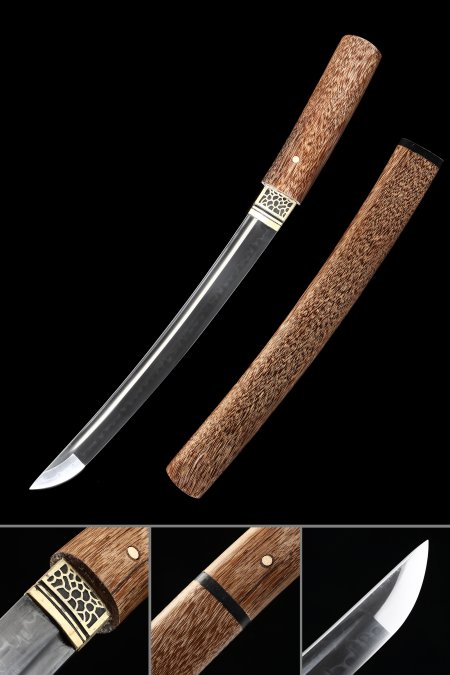
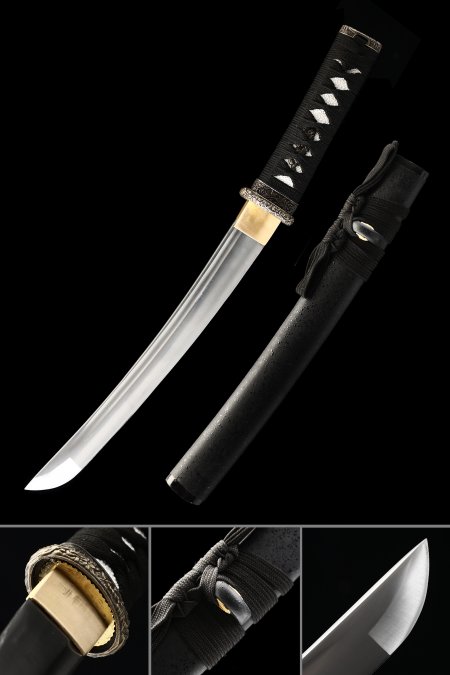
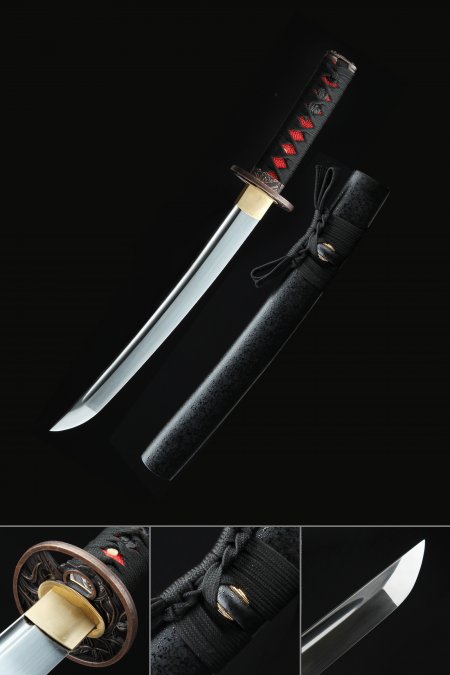
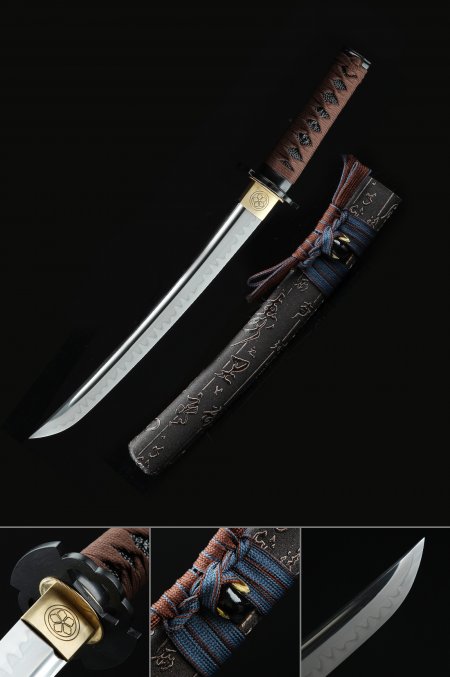
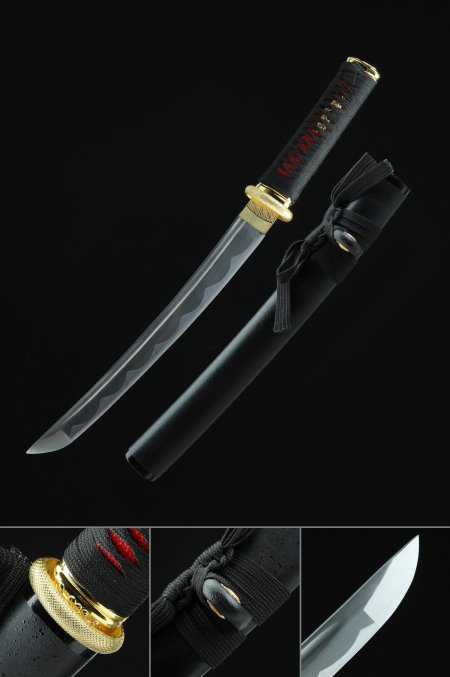
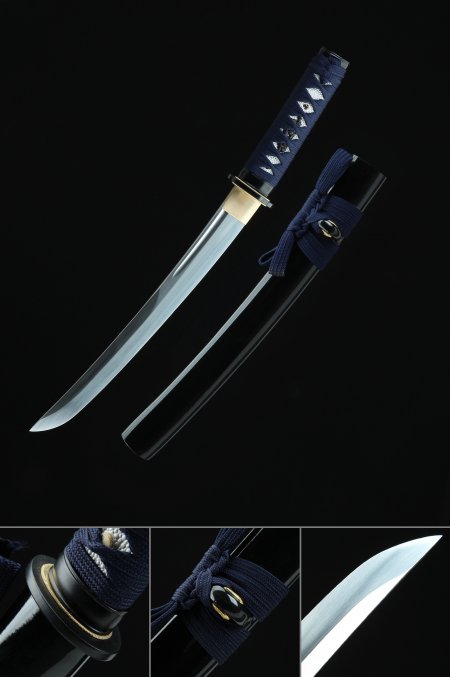
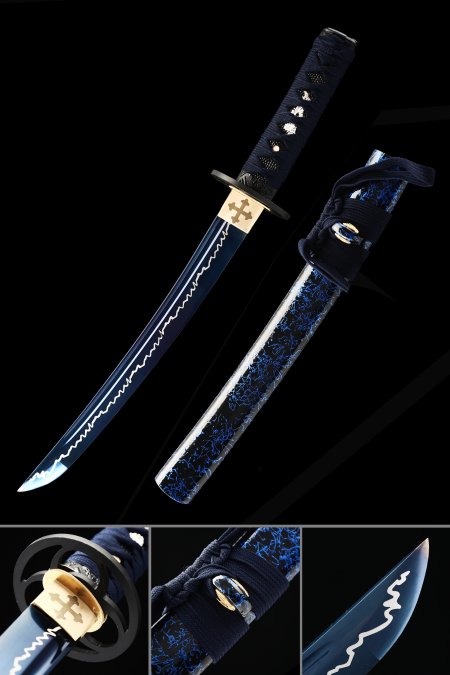
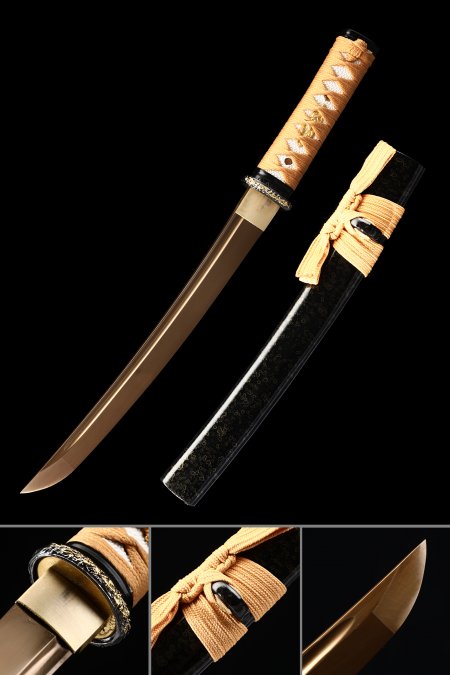
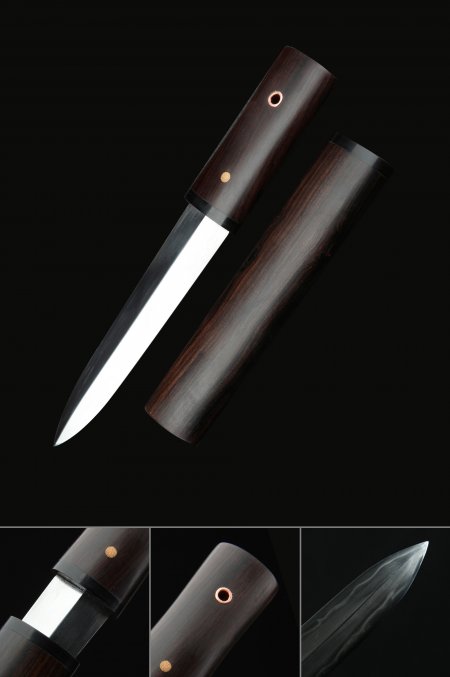
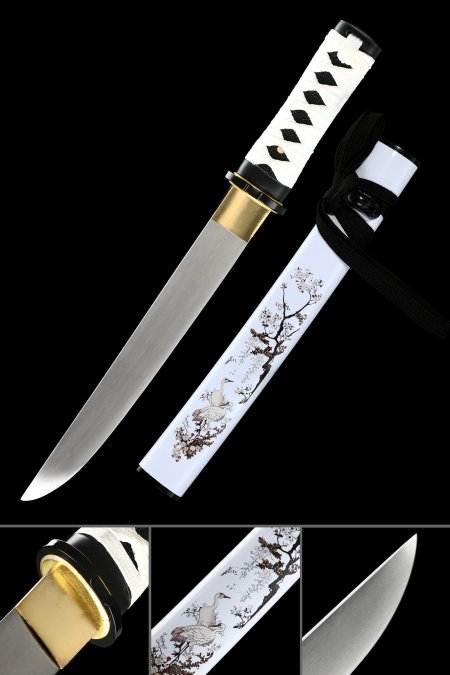
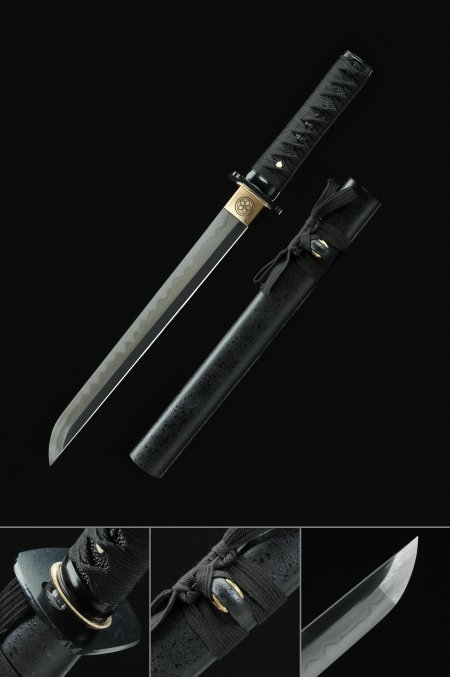
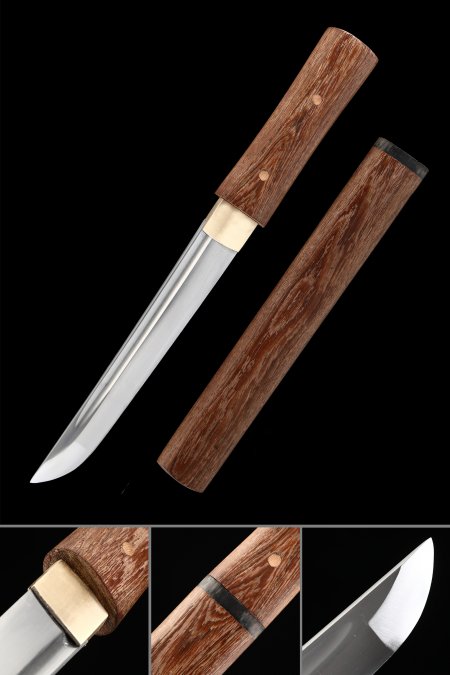
Outdoor-oriented tanto differ from decorative pieces in several measurable ways that reflect their practical design heritage. The blade spine is typically thicker — providing greater structural resilience against lateral stress that practical use demands. The blade profile tends toward wider geometry, offering more versatile cutting capability compared to the narrower, more refined profiles found on ceremonial tanto. Handle construction emphasizes grip security over ornamental refinement: you will find more robust cord wrapping patterns, deeper texturing on the ray skin underlayer, and fittings designed for secure handling rather than decorative impact. The saya scabbard on outdoor-heritage tanto often features simpler lacquer work or natural wood finishes rather than the elaborate decorative treatments found on display pieces. These differences are not about quality — outdoor tanto are crafted to the same standards — but about design priorities that trace back to centuries of practical field use in Japanese culture.