What makes an odachi different from a standard katana?
Updated Feb 2026
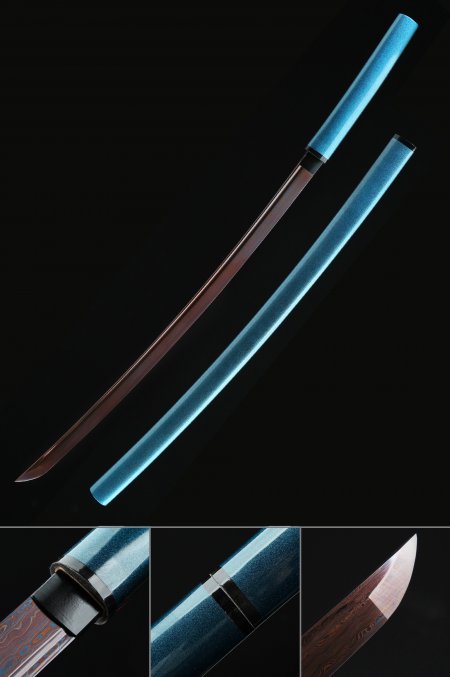
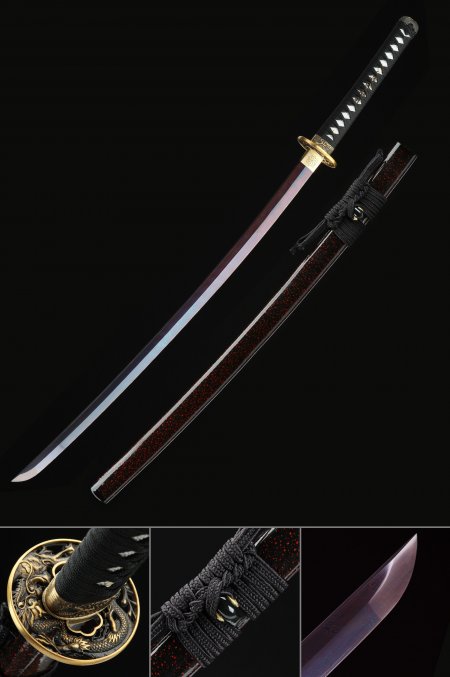
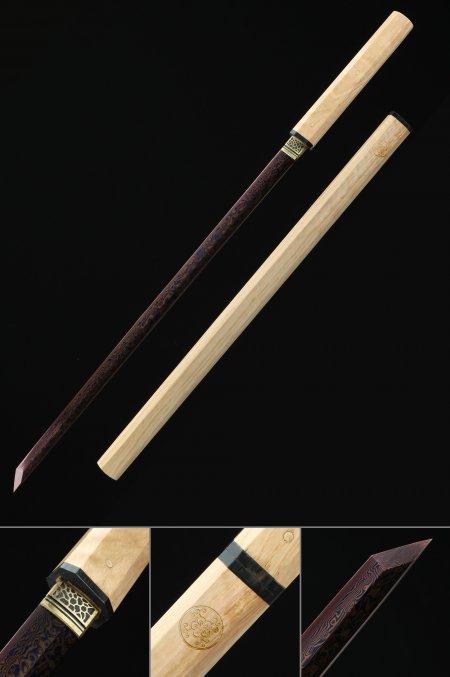
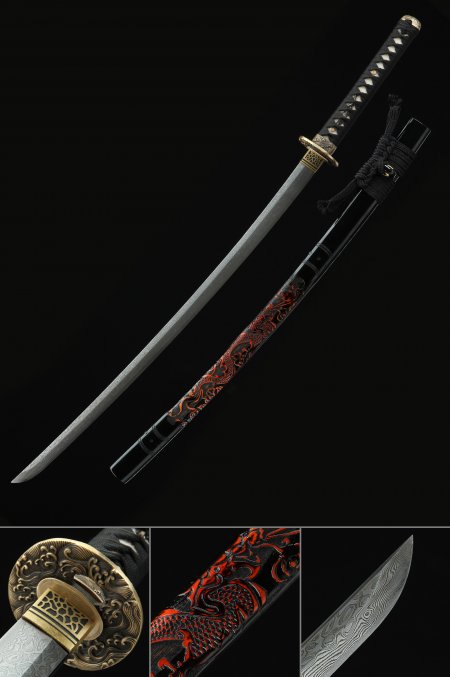
The odachi — sometimes called nodachi — is defined primarily by its exceptional blade length, which historically exceeded 90 cm (roughly 35 inches) and often reached well beyond that. Where a katana was designed for one-handed or close-quarter use by a mounted or standing samurai, the odachi was carried by infantry and required two hands to wield due to its length and weight distribution. For collectors, this means the odachi presents a dramatically different visual scale. The extended blade allows for a broader sweep of hamon line, more surface area to display steel grain patterns like those found in Damascus construction, and an overall presence that commands attention on a display wall in a way that shorter forms simply cannot replicate. The curvature (sori) and tang (nakago) geometry also differ from standard katana proportions, reflecting the sword's origins as a field-use form.