What is Damascus steel and why is it used in straight swords?
Updated Feb 2026
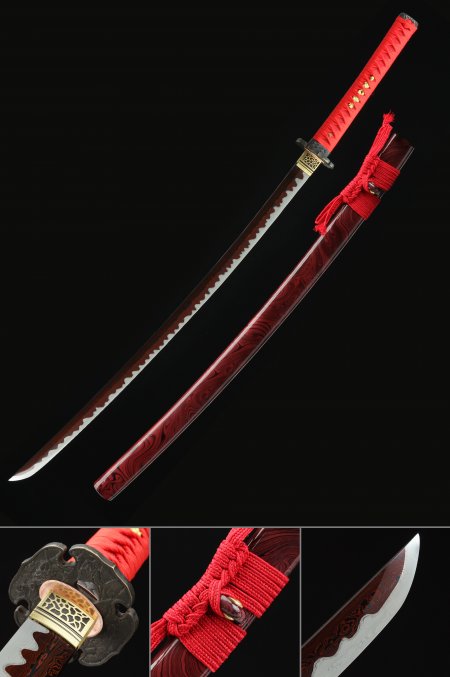
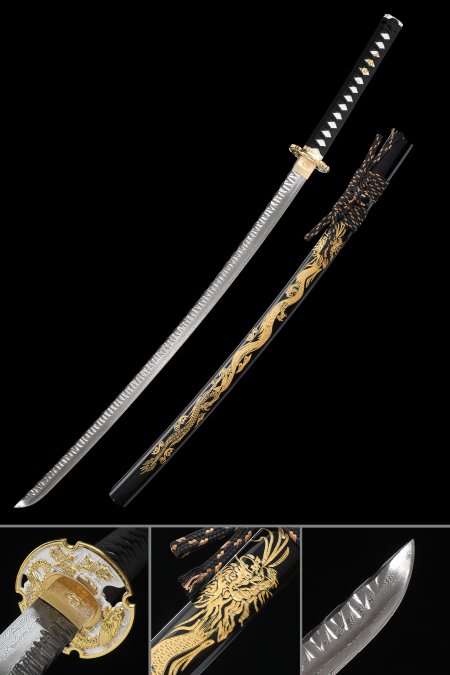
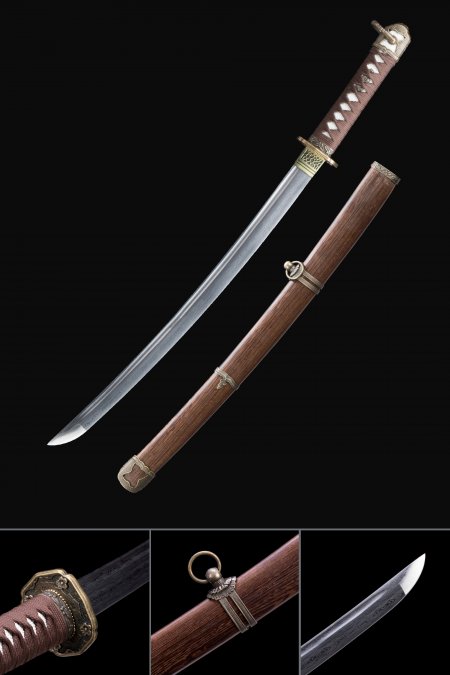
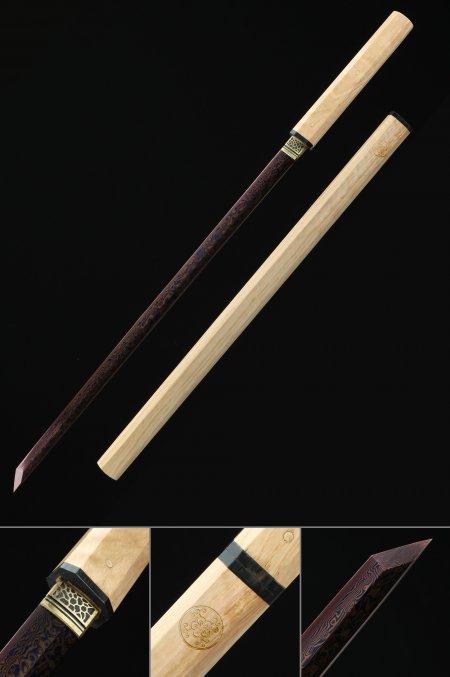
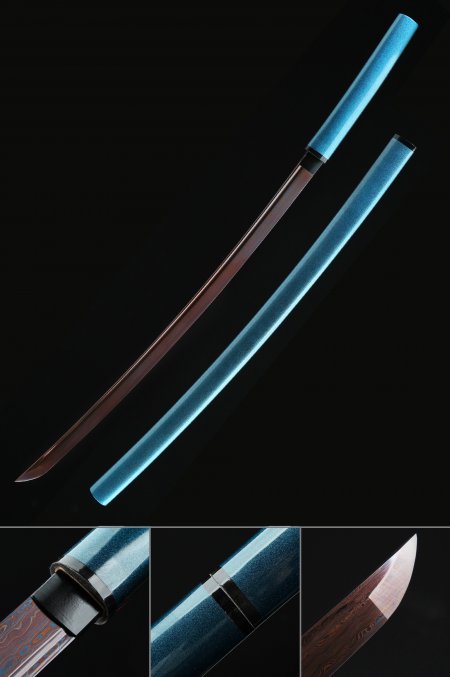
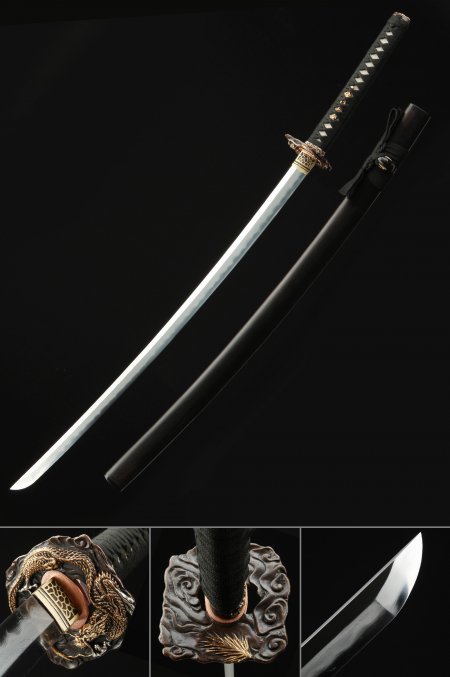
Damascus steel refers to a type of steel produced through a forge-folding process where multiple layers of steel are repeatedly folded and forge-welded together, creating a billet with a layered internal structure. When the finished blade is acid-etched after grinding and polishing, the differential carbon content between the layers reacts differently to the acid, revealing the flowing, water-like surface patterns that are Damascus steel's most recognizable characteristic. These patterns - which vary in density, flow, and visual complexity depending on the specific folding method used - make each Damascus blade genuinely unique, as the random variation introduced during the folding process ensures no two pieces produce identical surface markings. Damascus steel is used in straight swords for the same reason it is used in curved katana designs: it produces a blade with exceptional visual character alongside the structural integrity of a properly heat-treated high-carbon steel. The straight blade profile is particularly well suited to showcasing Damascus patterning because the flat, uncurved surface gives the patterns maximum display area.