What is clay tempering, and why does it matter for collectors?
Updated Mar 2026
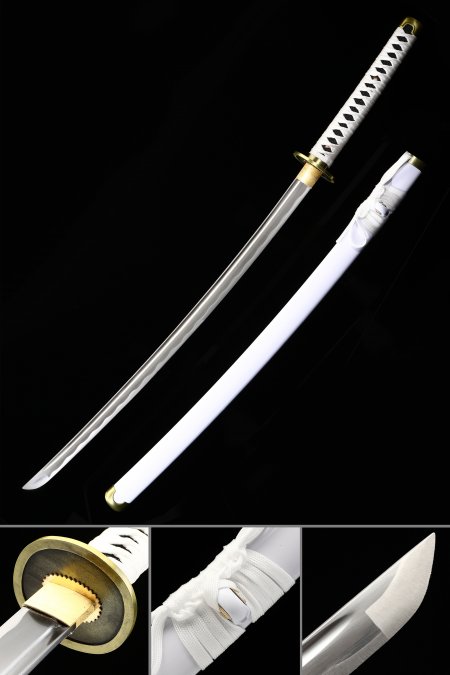
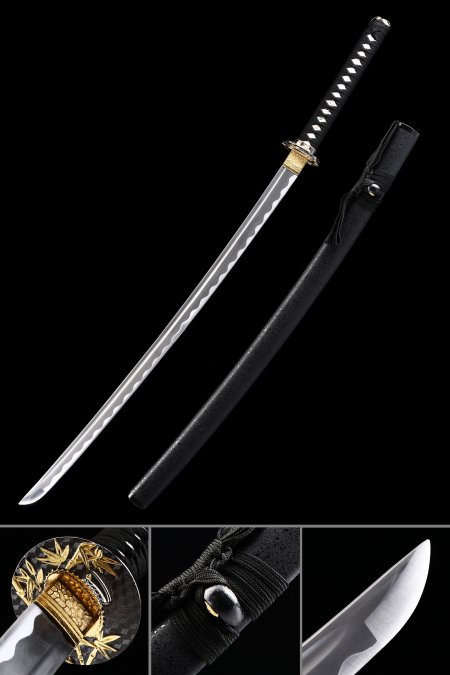
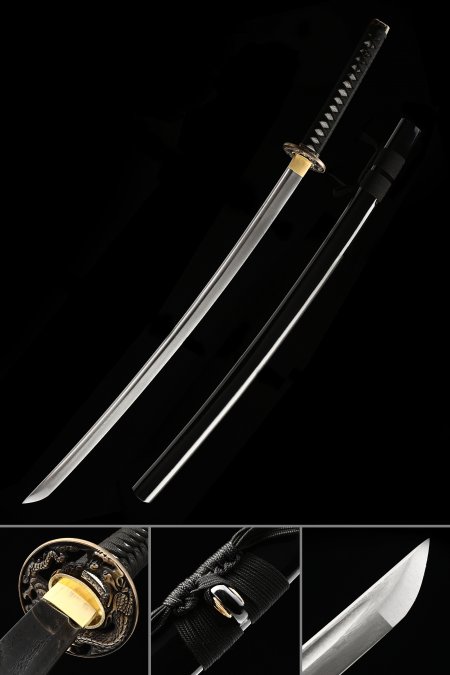
Clay tempering - known in Japanese as tsuchioki - is the process of coating the spine of the blade with a thick layer of refractory clay before the quench. When the blade is heated and plunged into water or oil, the clay insulates the spine, slowing its cooling rate while the exposed edge hardens rapidly. This creates two distinct crystalline structures within the same piece of steel: hard martensite at the edge and tougher pearlite at the spine. For collectors, what makes this significant is the hamon - the visible boundary between these two zones. Because the hamon forms as a direct result of the metallurgical process, its shape, activity, and texture are unique to each blade and cannot be replicated. It is effectively the blade's fingerprint, and it is the primary feature distinguishing a hand-forged collectible from a factory-produced piece.