How does Damascus steel differ from T10 in a katana collection?
Updated Mar 2026
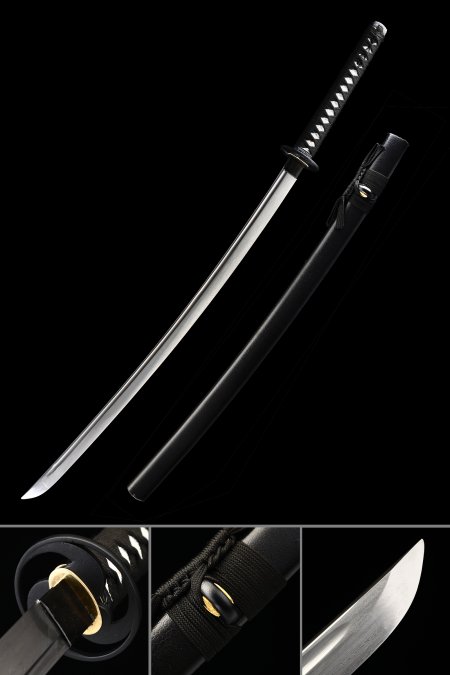
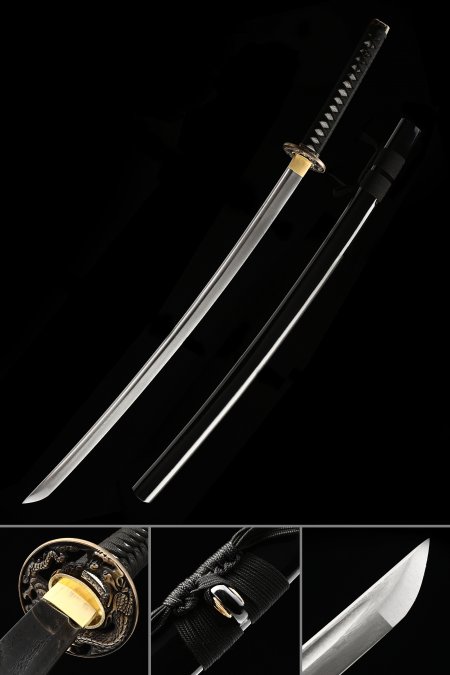
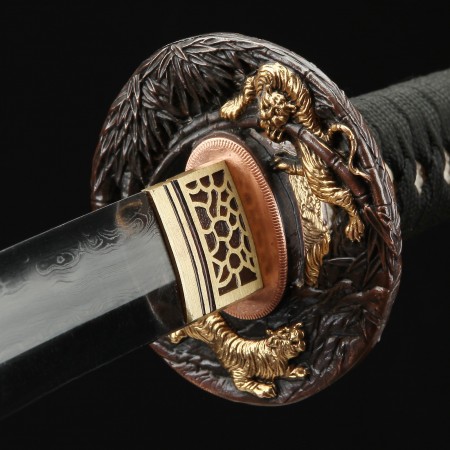
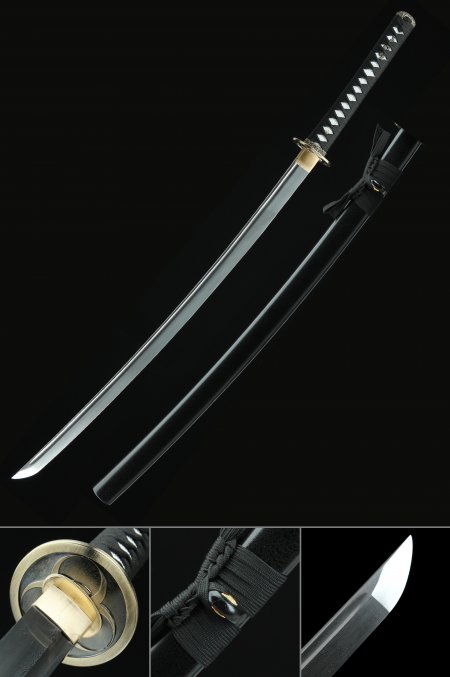
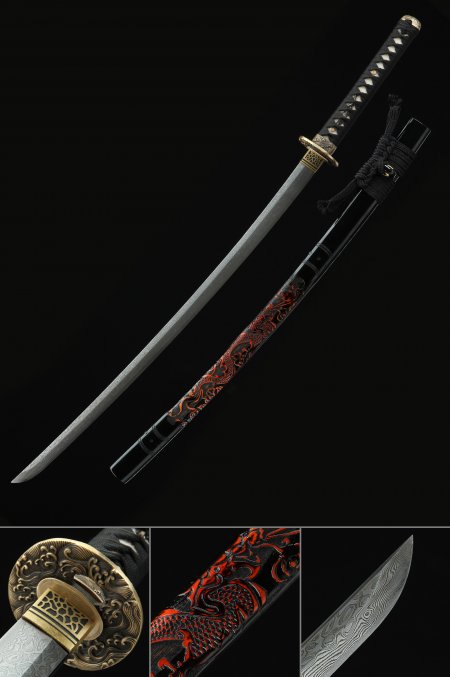
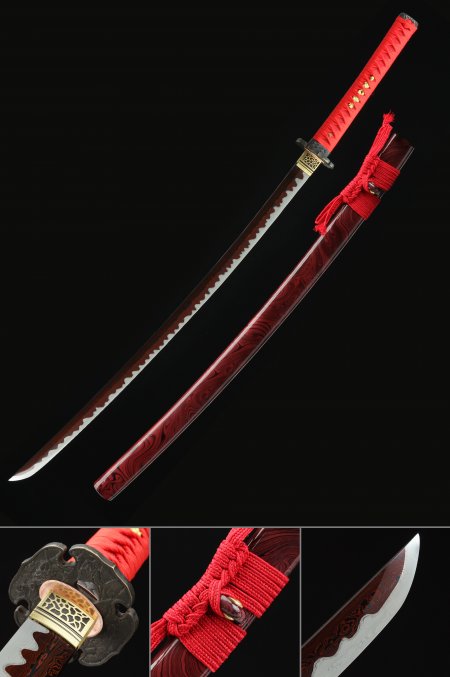
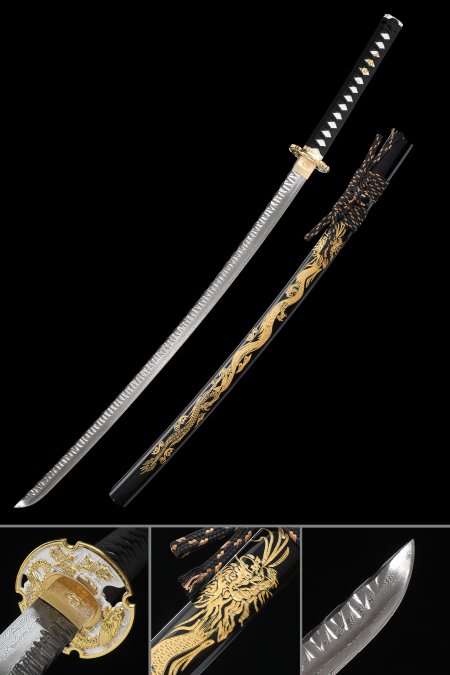
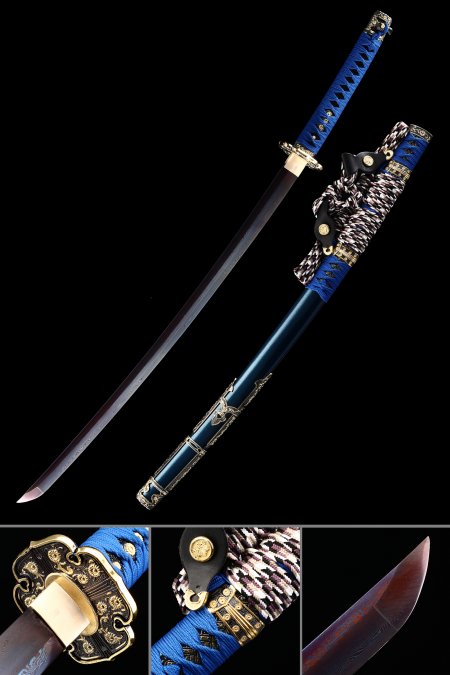
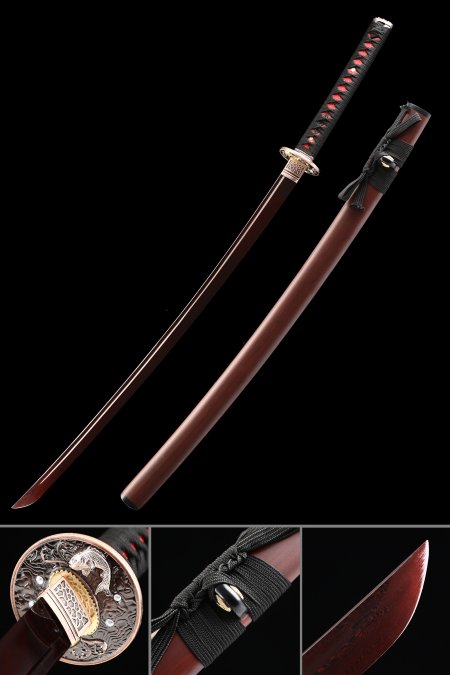
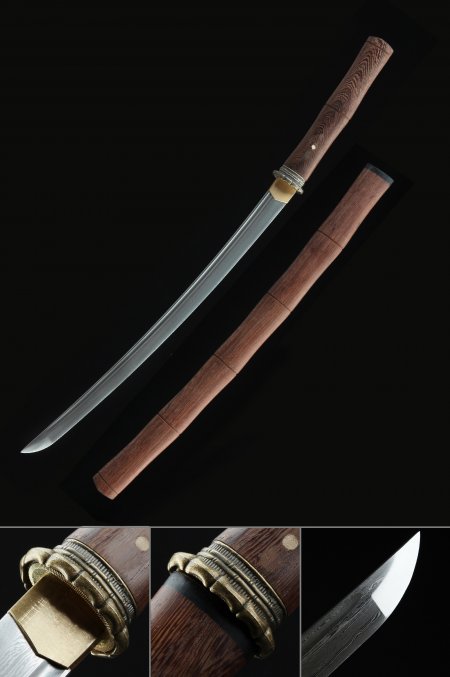
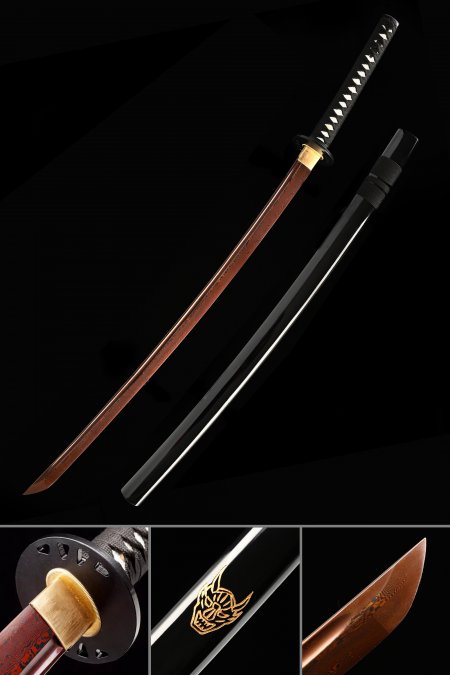
Damascus steel and T10 serve different collecting priorities. T10's appeal is concentrated in its hamon — the differential temper line — which makes it the closer analog to classical Japanese tamahagane construction in terms of visible craftsmanship. Damascus steel, by contrast, achieves its visual character through the layering and folding of two or more steels with differing carbon content; the pattern etched on the surface reflects the actual internal structure of the blade rather than a post-forge treatment. This means Damascus pieces tend to display a flowing, organic grain across the entire flat of the blade, which reads dramatically under gallery lighting. The two steel types are genuinely distinct in character, and many collectors maintain examples of each to appreciate the contrast.