What makes aikuchi tanto different from standard tanto?
Updated Mar 2026
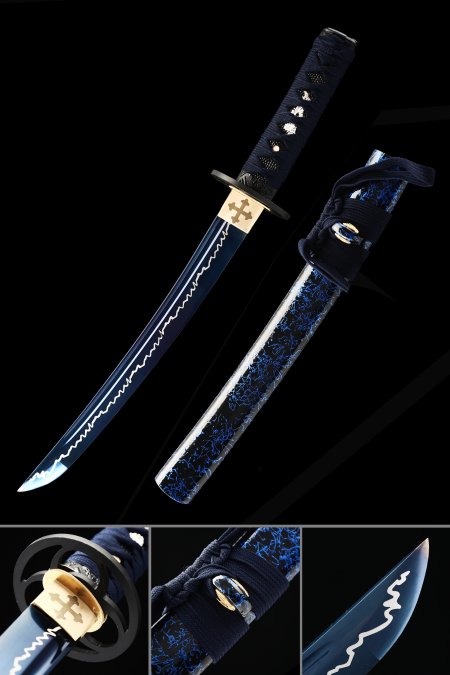
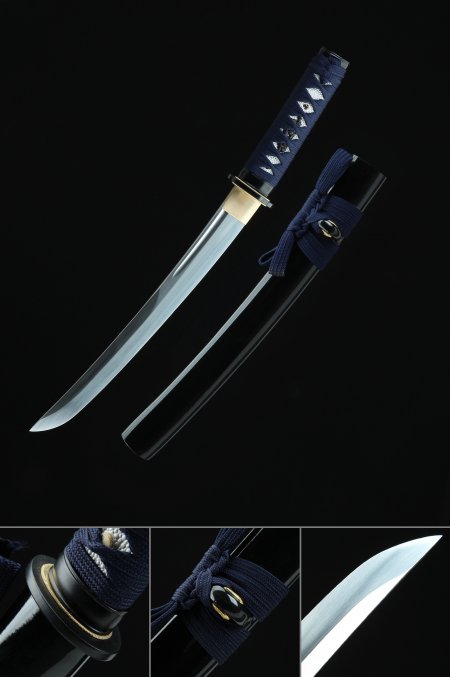
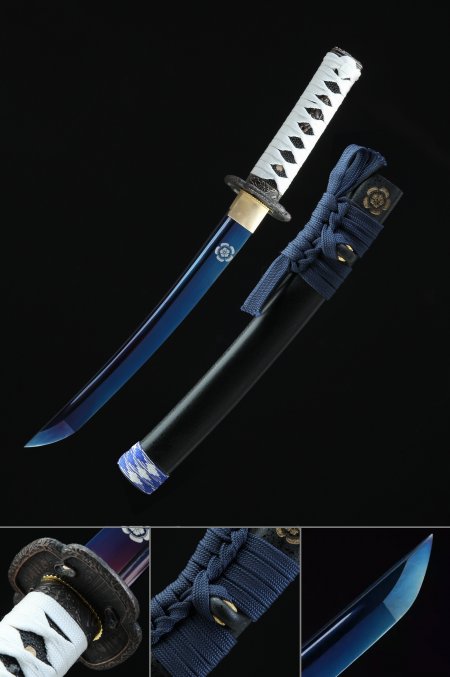
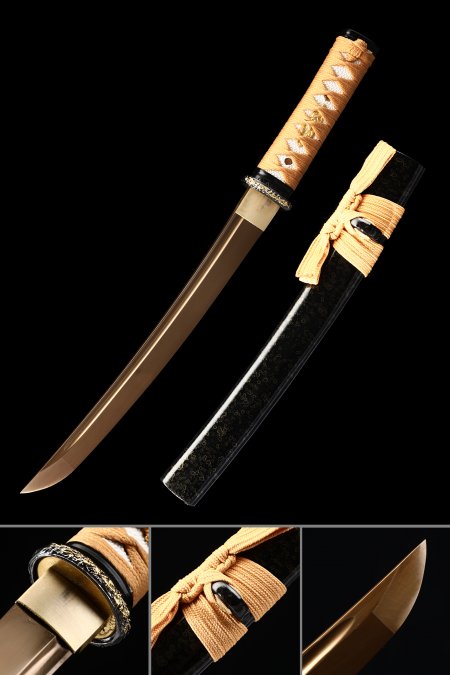
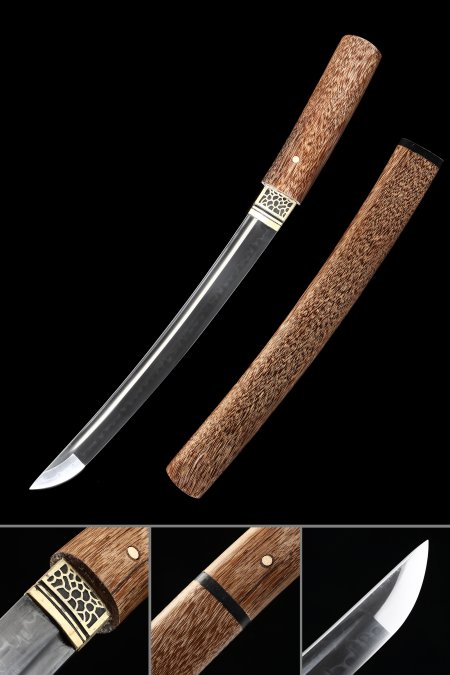
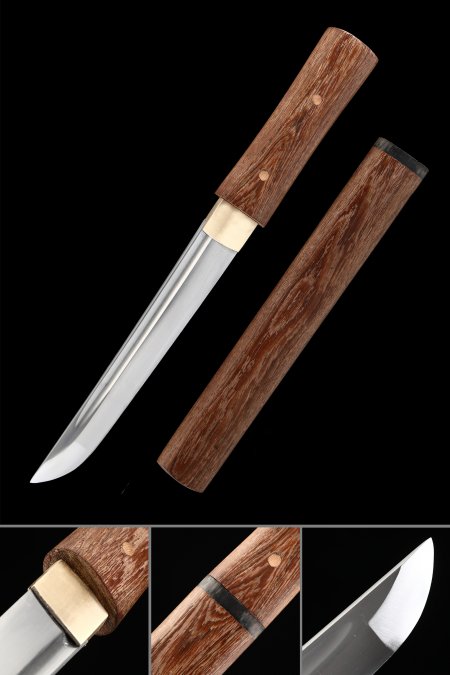
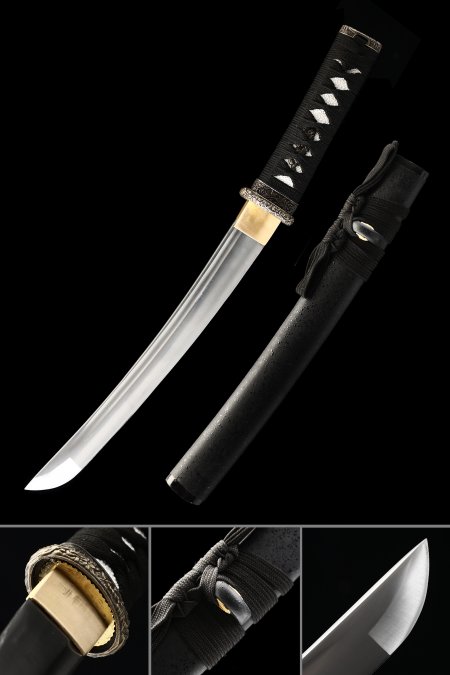
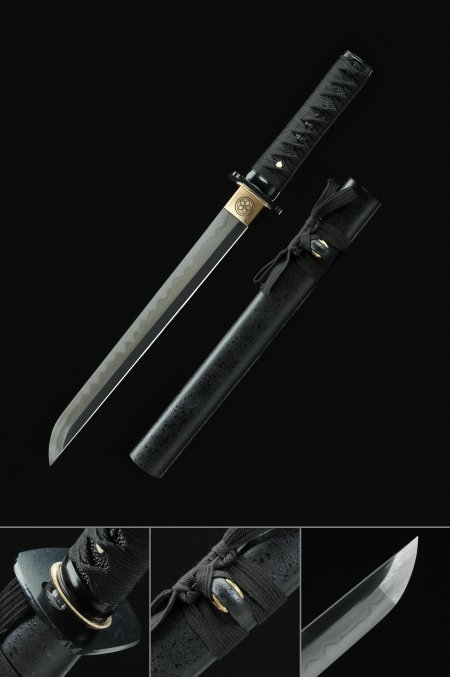
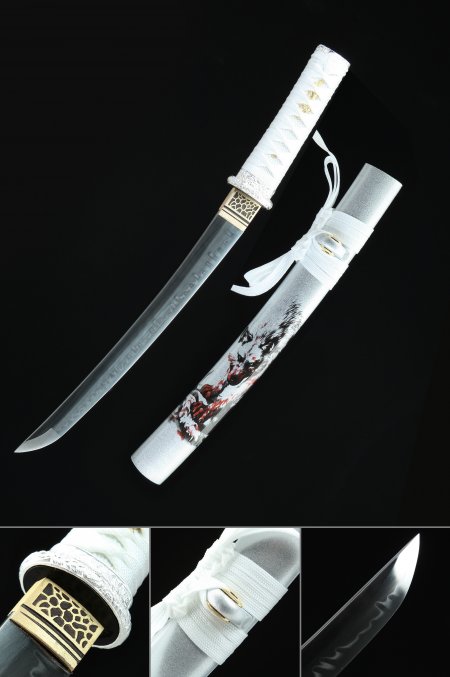
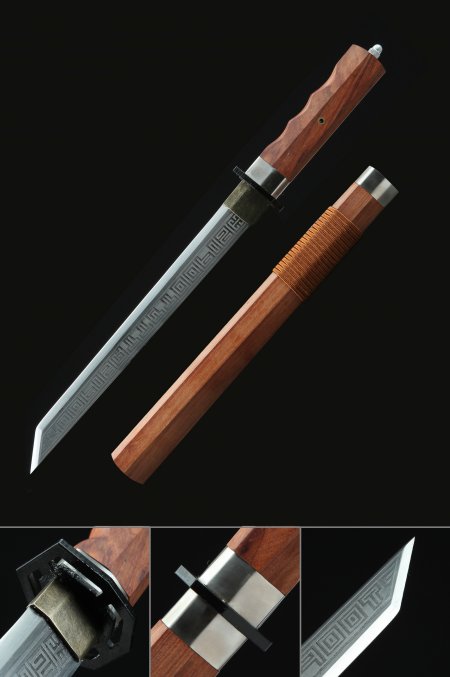
The defining characteristic of an aikuchi tanto is the complete absence of a tsuba — the hand guard found on most Japanese blades. In a standard tanto configuration, the tsuba serves as both a visual and structural dividing point between blade and handle. The aikuchi removes this element entirely, creating a seamless, uninterrupted silhouette from tip to pommel. This places far greater visual emphasis on the quality of the handle material, the fit of the habaki, and the polish of the blade itself. Historically, aikuchi were associated with formal dress contexts in Japanese culture, where understated elegance was preferred over ornamental hardware. For collectors, this means every detail of an aikuchi tanto must stand on its own merit — there is nowhere for inconsistent craftsmanship to hide.