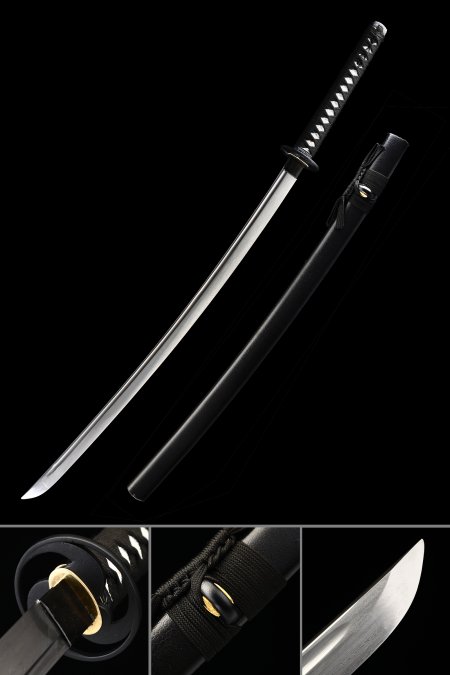
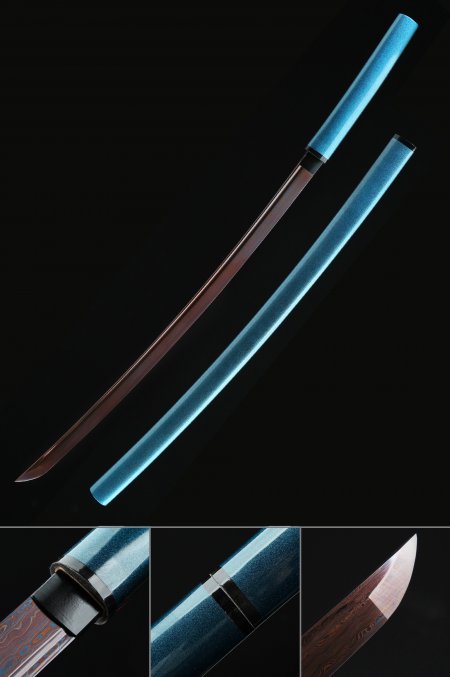
How does Damascus steel differ from T10 in these aikuchi blades?

 Updated Mar 2026

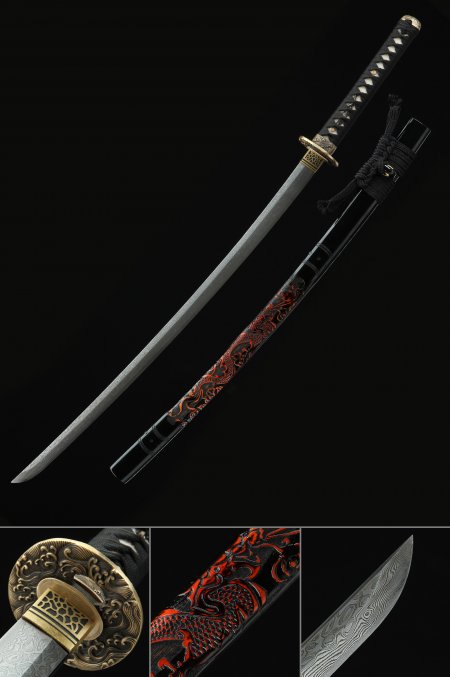
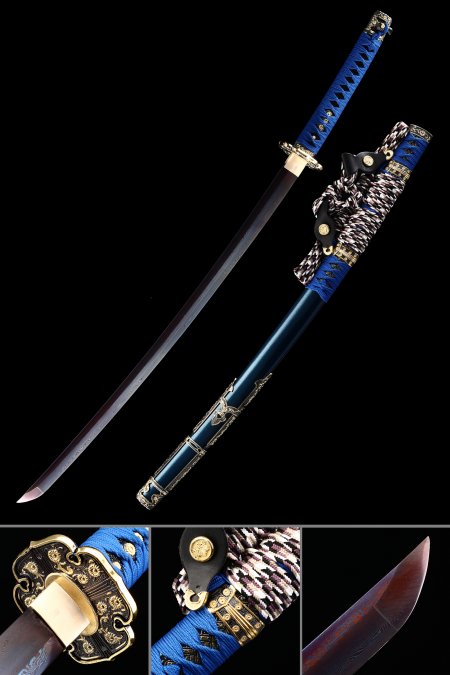
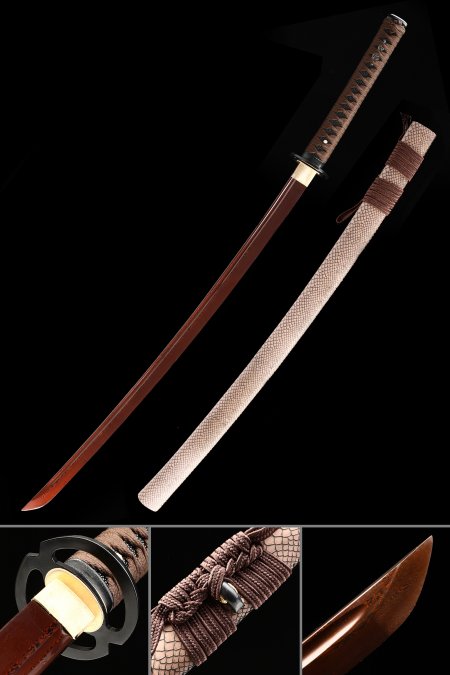
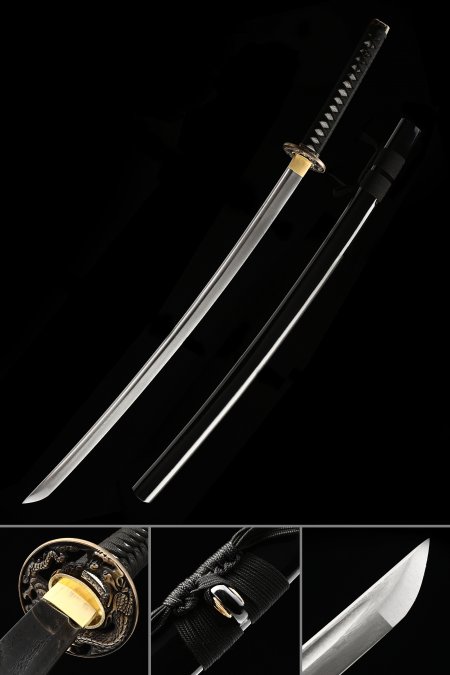
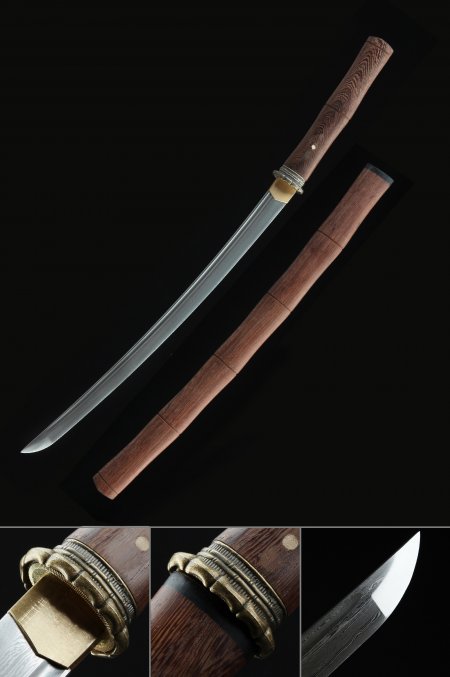
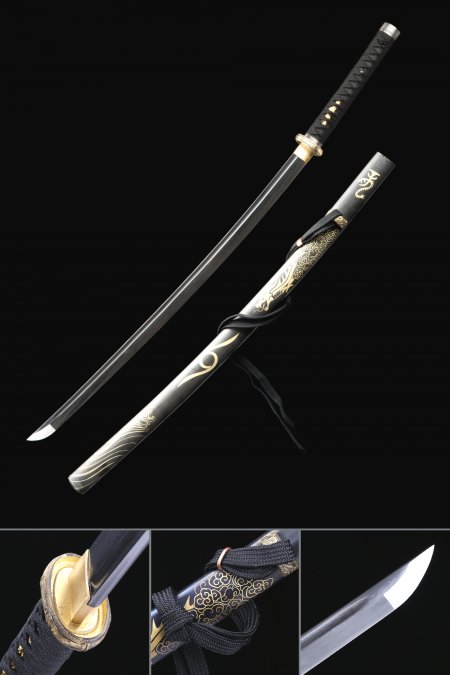
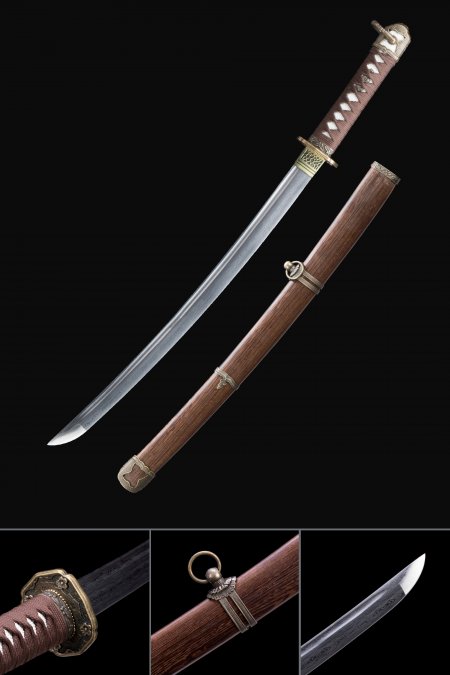
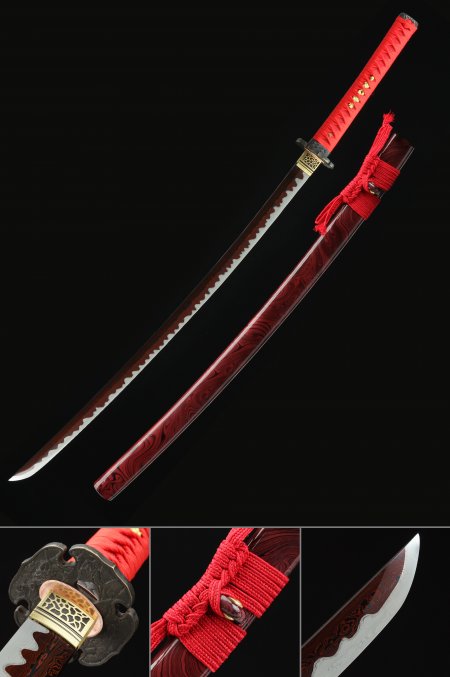
Damascus steel aikuchi blades are produced by forge-welding multiple layers of steel together, then manipulating the billet through folding and twisting to produce flowing surface patterns — called hada — that are completely unique to each individual piece. No two Damascus blades share the same visual pattern, which is a significant draw for collectors seeking one-of-a-kind display specimens. T10, by contrast, is a high-carbon tool steel valued for its consistency and its ability to produce a genuine hamon when clay-tempered. The hamon — the activity line along the blade's edge — is a direct visual record of the differential hardening process and is considered one of the most authentic markers of traditional Japanese blade craft. Damascus offers visual complexity through pattern; T10 offers authenticity through process.
Popular Products

15% OFFshort katana
199.00 USD
239.00 USD
15% OFFblack katana
179.00 USD
209.00 USD
15% OFFkatana sword
199.00 USD
229.00 USD
20% OFFdamascus katana
309.00 USD
389.00 USD
20% OFFsamurai sword
289.00 USD
359.00 USD
15% OFFkatana sword
199.00 USD
239.00 USD
20% OFFjapanese katana
229.00 USD
289.00 USD
15% OFFshirasaya katana
209.00 USD
249.00 USD
15% OFFreal katana
649.00 USD
769.00 USD
15% OFFshikomizue sword
229.00 USD
269.00 USD
20% OFFdamascus katana
619.00 USD
769.00 USD
20% OFFmodern wakizashi
209.00 USD
259.00 USD
15% OFFshort katana
199.00 USD
239.00 USD
15% OFFblack katana
179.00 USD
209.00 USD
15% OFFkatana sword
199.00 USD
229.00 USD
20% OFFdamascus katana
309.00 USD
389.00 USD
20% OFFsamurai sword
289.00 USD
359.00 USD
15% OFFkatana sword
199.00 USD
239.00 USD
20% OFFjapanese katana
229.00 USD
289.00 USD
15% OFFshirasaya katana
209.00 USD
249.00 USD
15% OFFreal katana
649.00 USD
769.00 USD
15% OFFshikomizue sword
229.00 USD
269.00 USD
20% OFFdamascus katana
619.00 USD
769.00 USD
20% OFFmodern wakizashi
209.00 USD
259.00 USD