What does clay tempering actually do to a T10 blade?
Updated Mar 2026
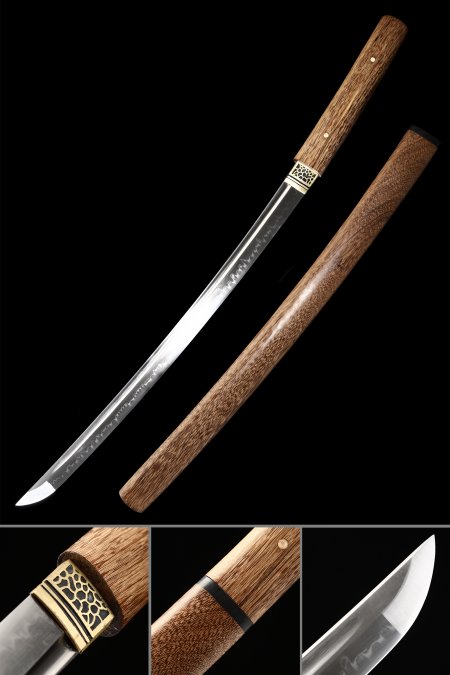
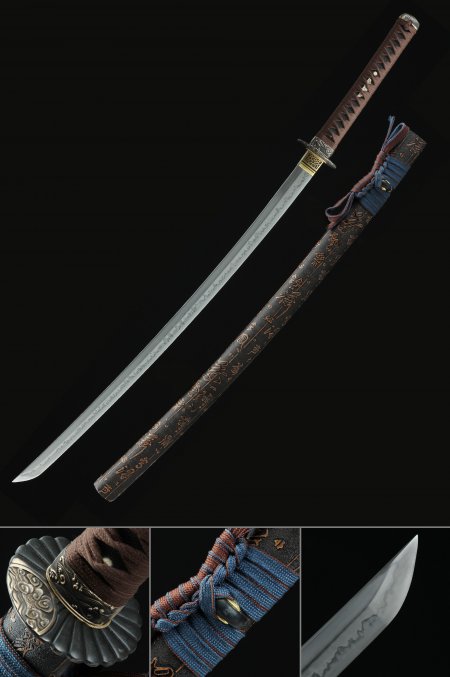
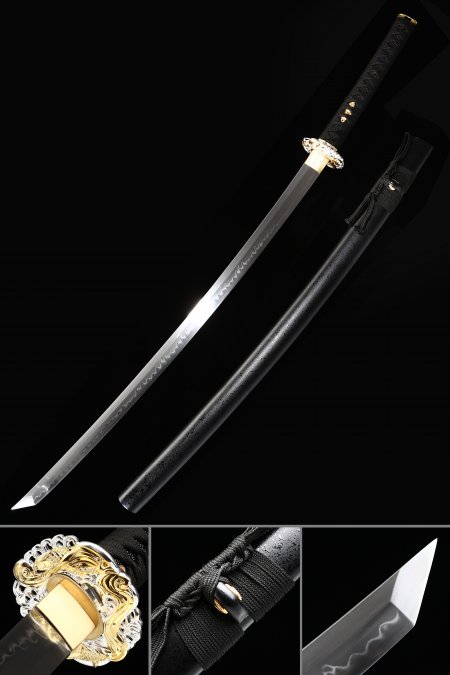
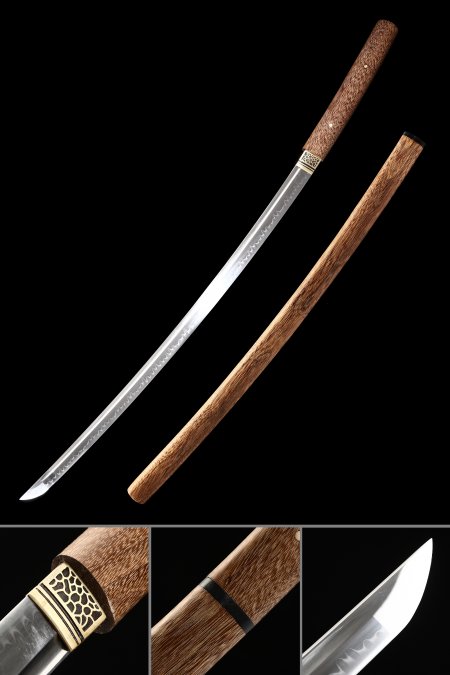
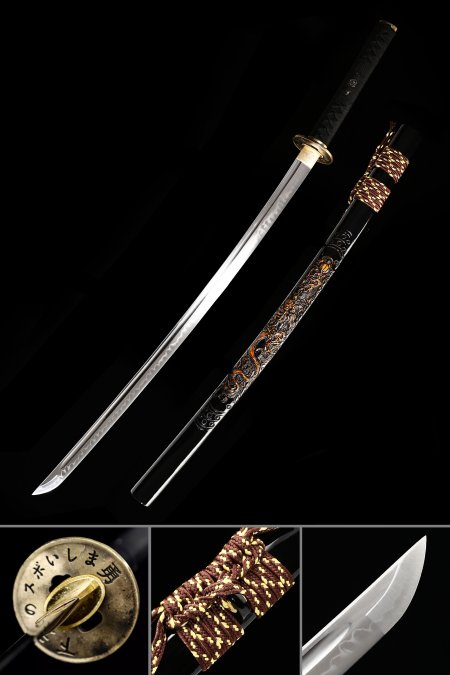
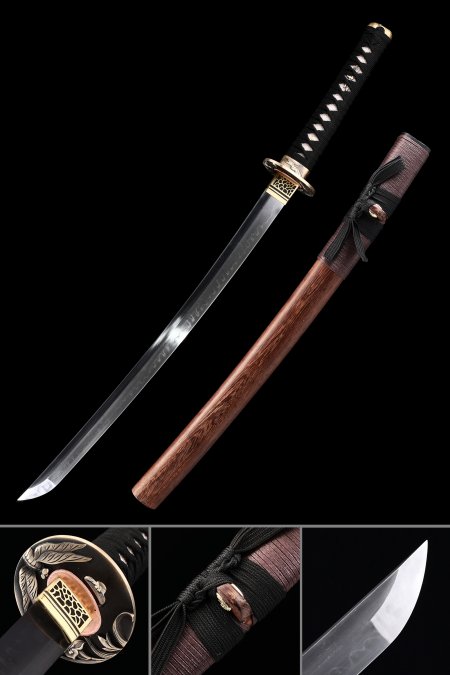
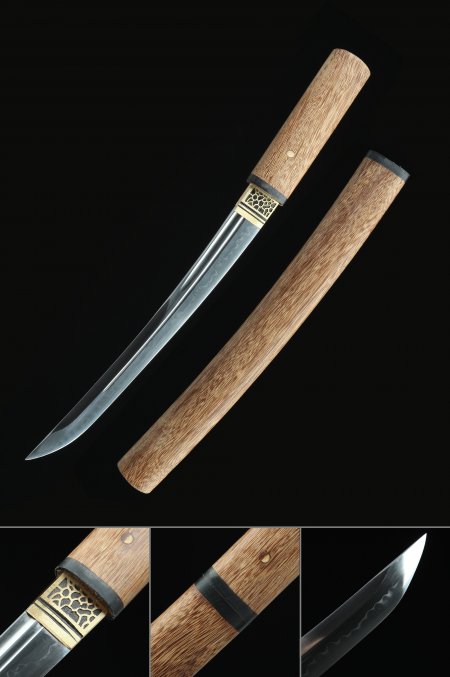
Clay tempering is a heat-treatment technique where a layer of refractory clay is applied to the spine of the blade before the final quench. Because the clay insulates the spine, it cools more slowly than the exposed edge - resulting in a harder edge and a tougher, more flexible spine in a single blade. The boundary between these two zones becomes visible as the hamon, the undulating temper line that runs along the length of the blade. On a T10 steel ninjato, this process is particularly effective because T10's high carbon content (approximately 1.0%) responds well to differential hardening. A real hamon is not etched or painted - it is a structural feature that forms during the quench, and its pattern is unique to each individual blade. For collectors, a genuine clay-tempered hamon is one of the most reliable indicators of authentic bladesmithing craft.