What is the difference between a ninjato and a katana in construction?
Updated Feb 2026
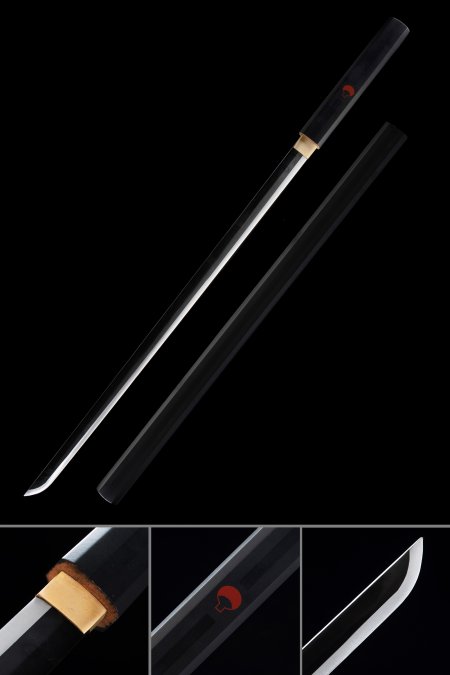
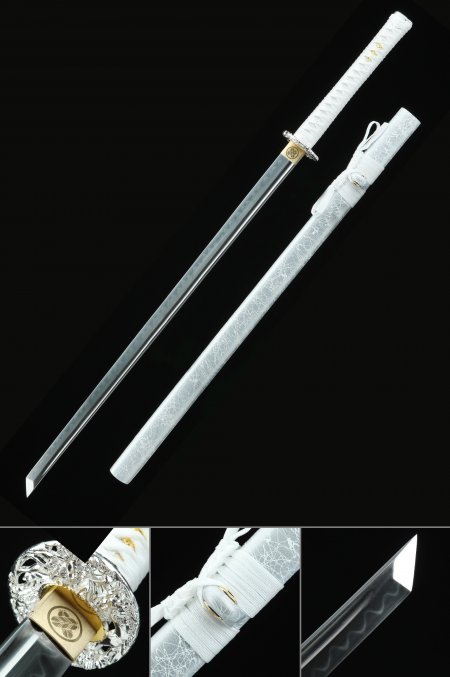
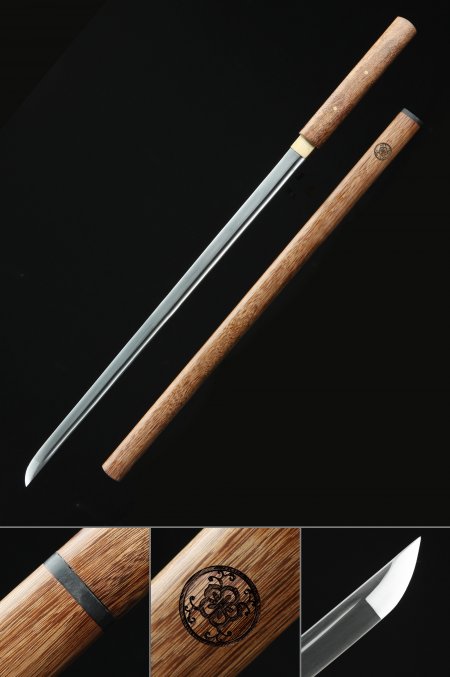
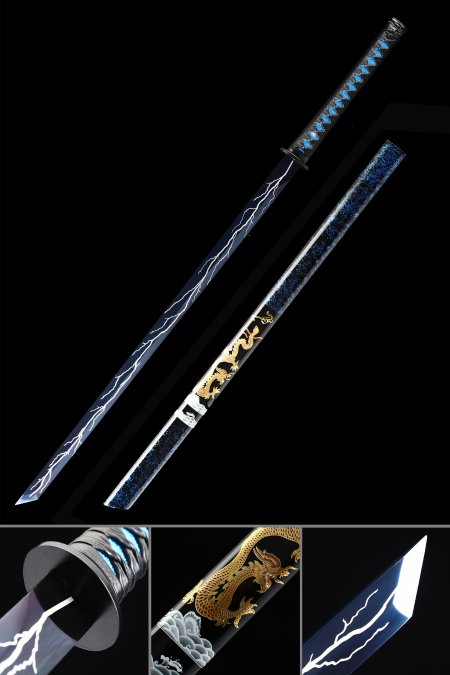
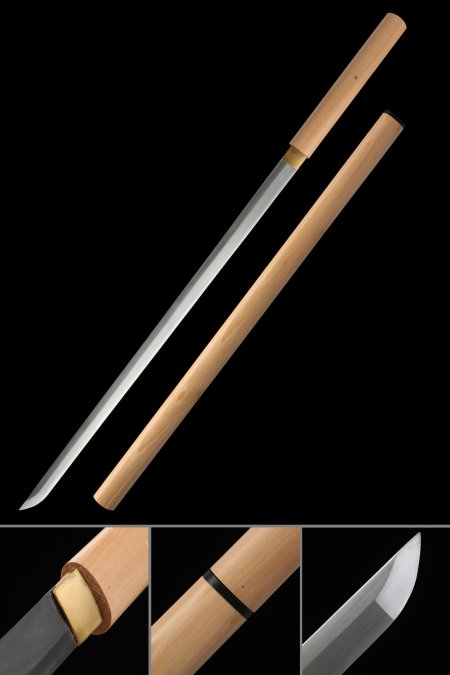
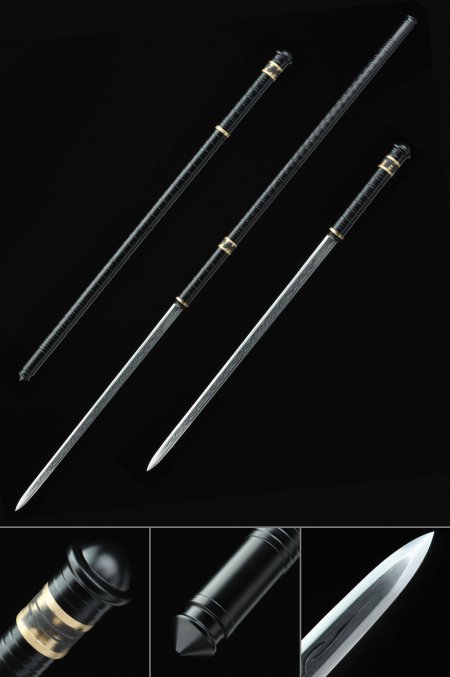
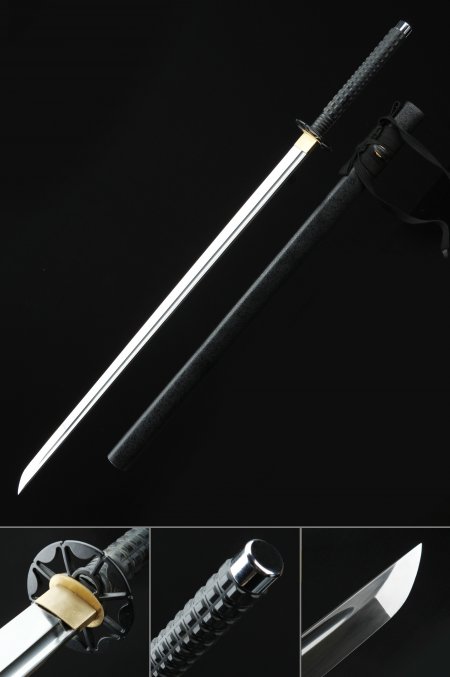
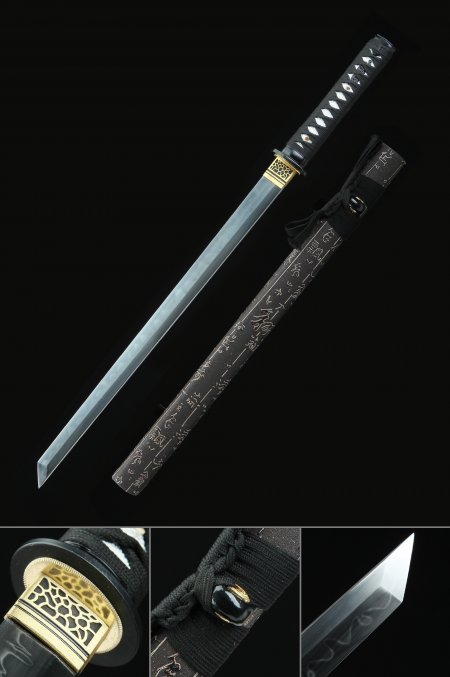
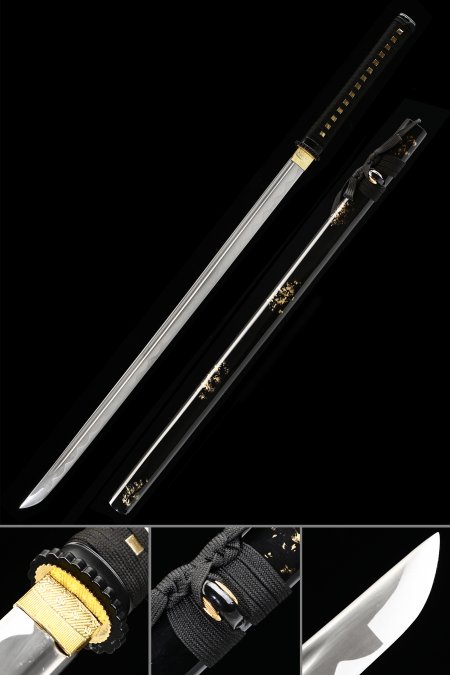
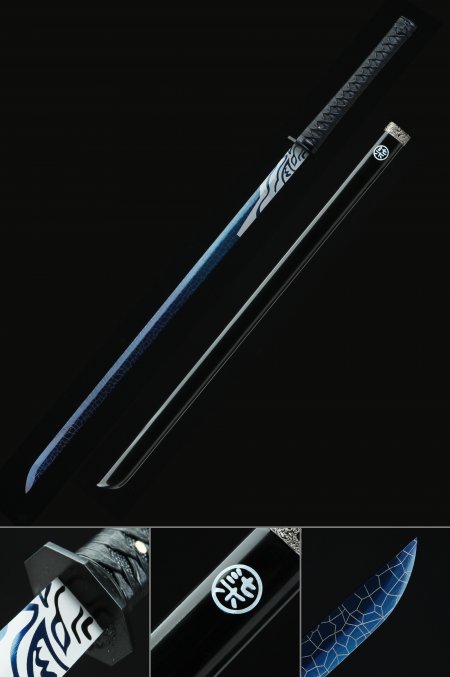
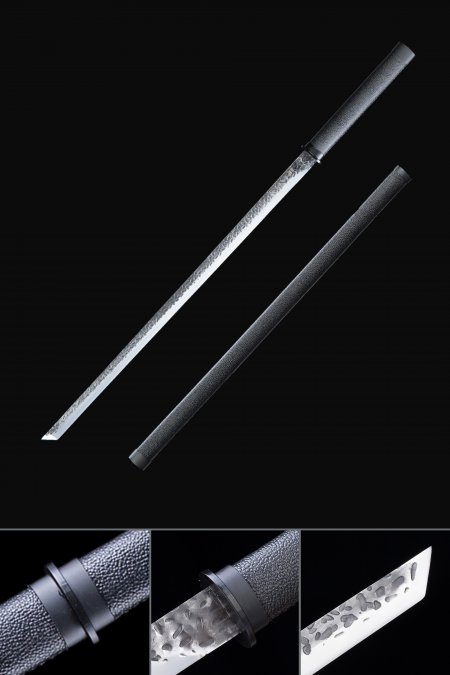
A ninjato and a katana are both Japanese single-edged swords with full-tang high-carbon steel construction, but they differ fundamentally in blade geometry and the historical and cultural traditions they represent. The katana's blade has a characteristic sori curve distributed along the blade length, with a taper from base to tip and a specific kissaki tip geometry that is the result of centuries of refinement in Japanese sword-making. The ninjato's blade is straight with no sori curve - the blade profile is geometric and direct, without the organic flow of the katana's curve. In display terms, the straight blade reads as distinctly different from the curved katana - more geometric, more precise, more angular in visual character. In construction terms, both are built with full-tang steel running from tip through handle, mekugi retention pins, and complete fitting assemblies including scabbard. The ninjato fitting assembly typically has a more angular, functional character compared to the katana's more refined and traditional fitting system, reflecting the ninjato's identity as a direct and purpose-built blade form.