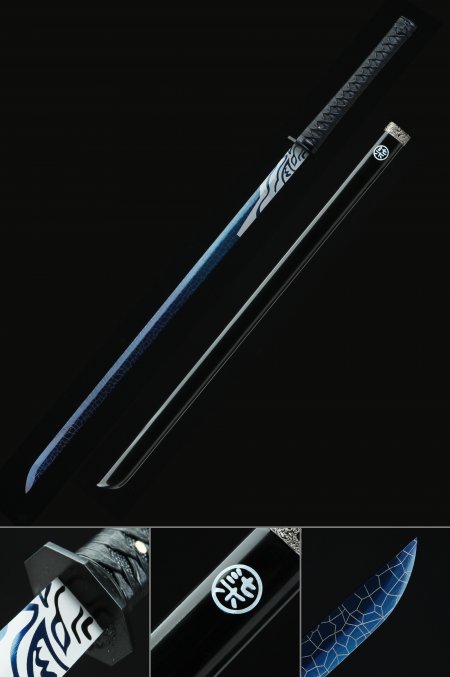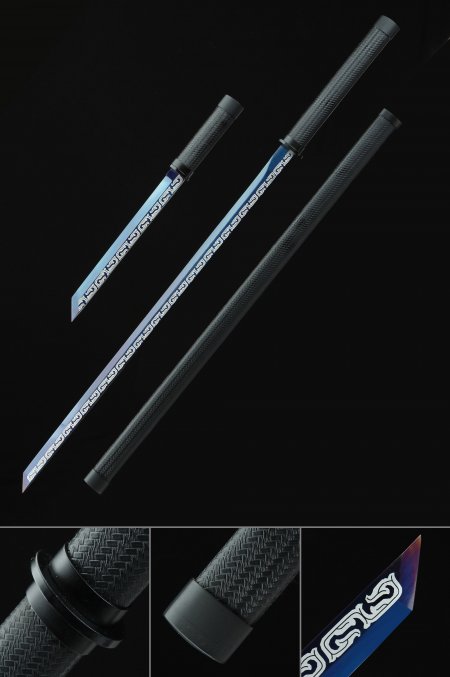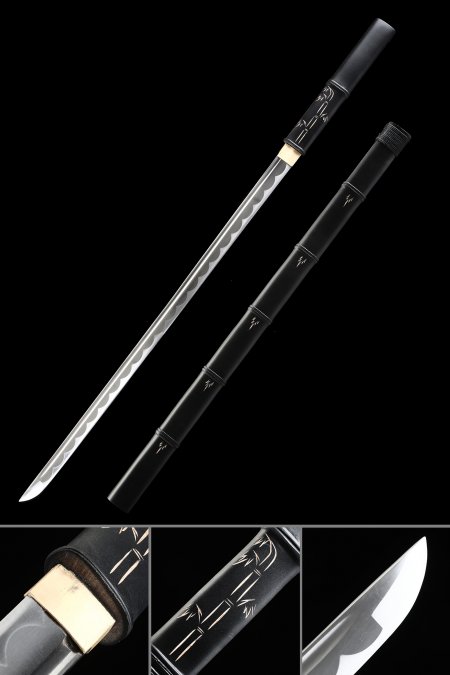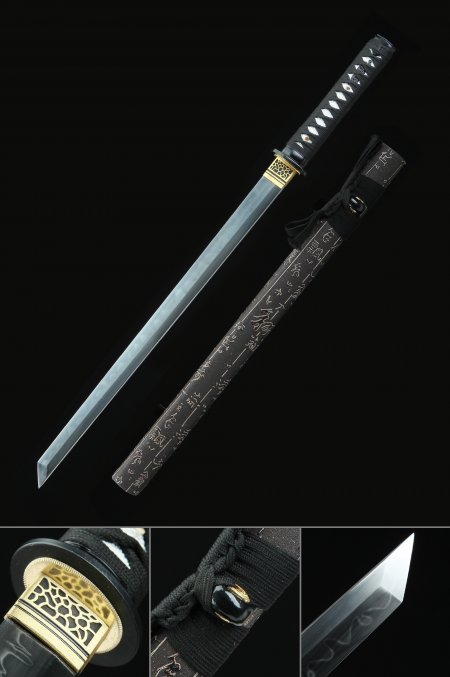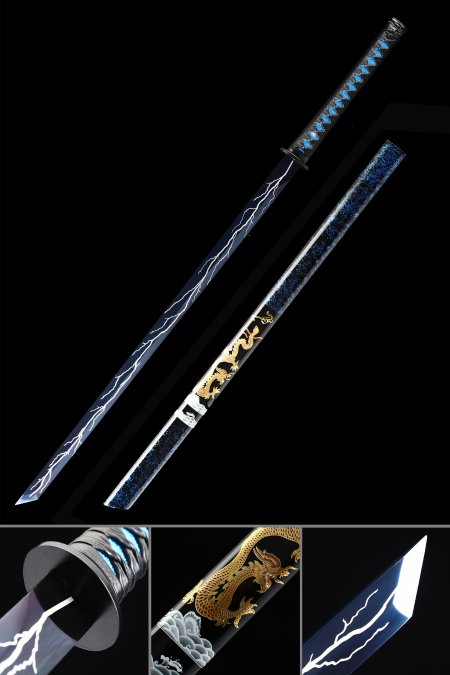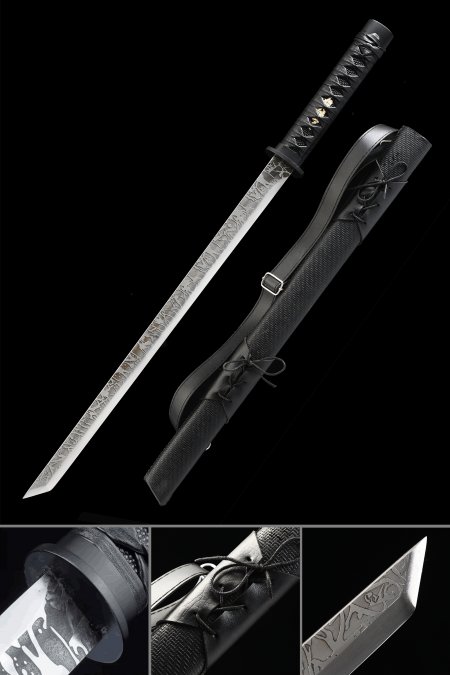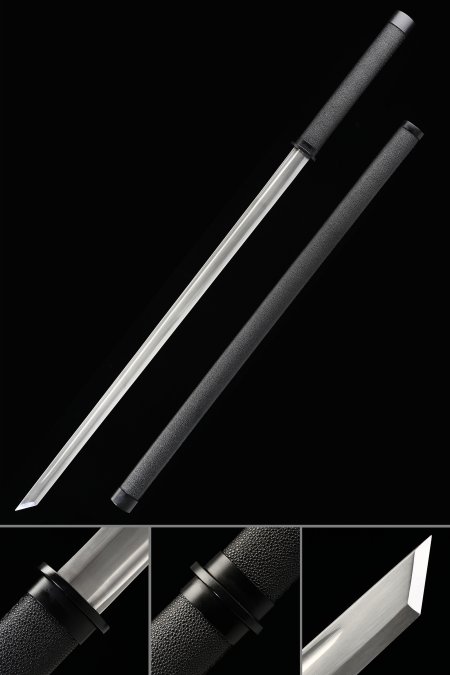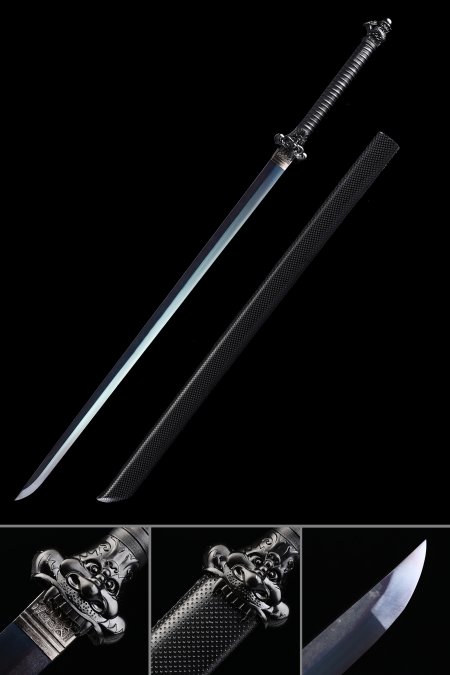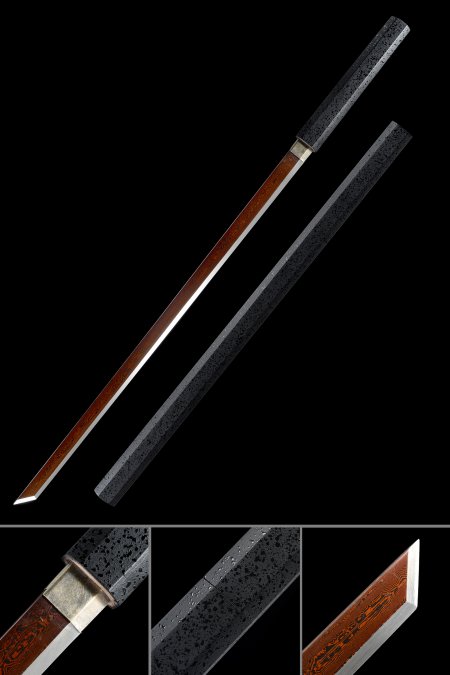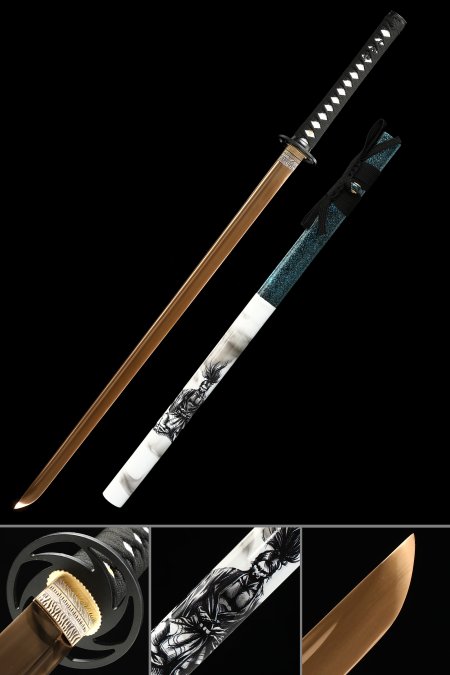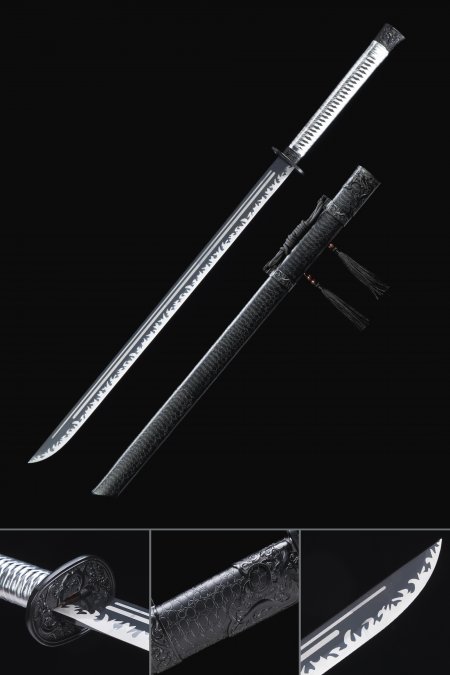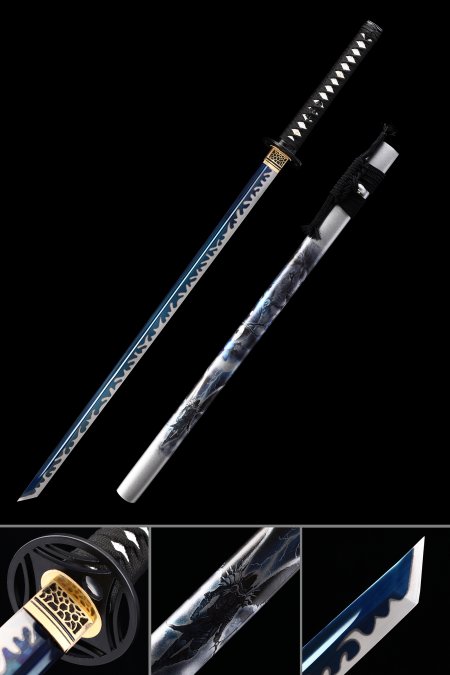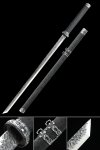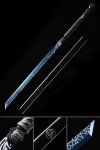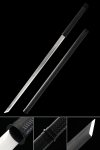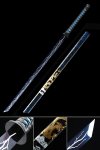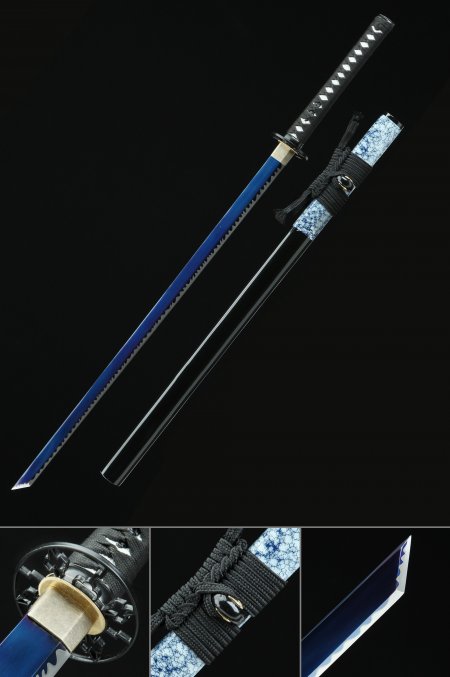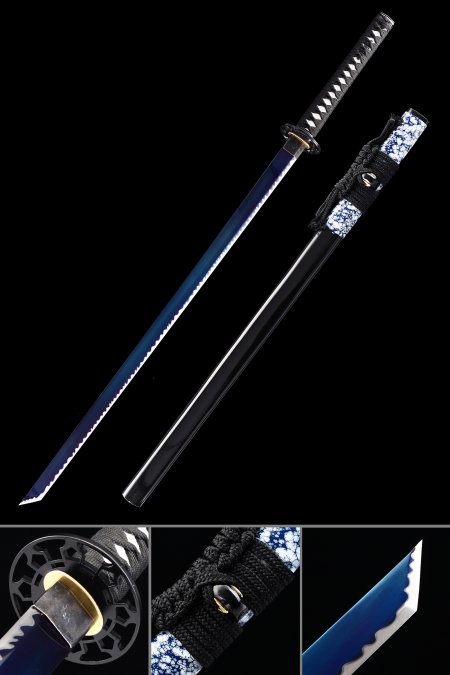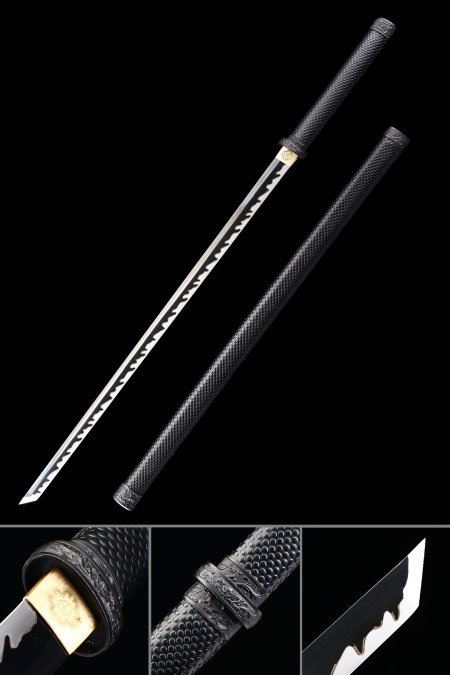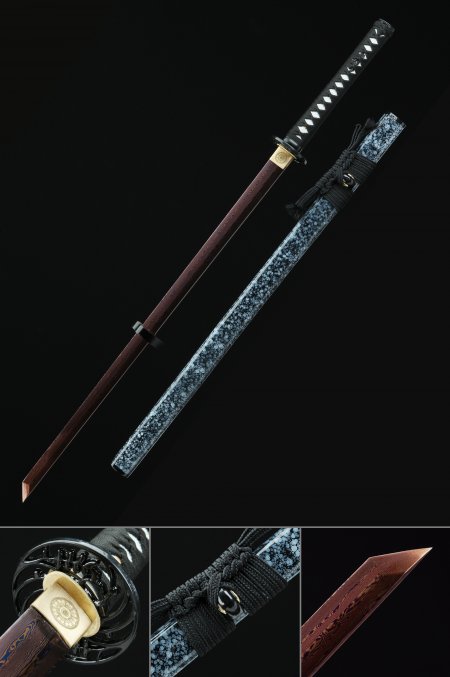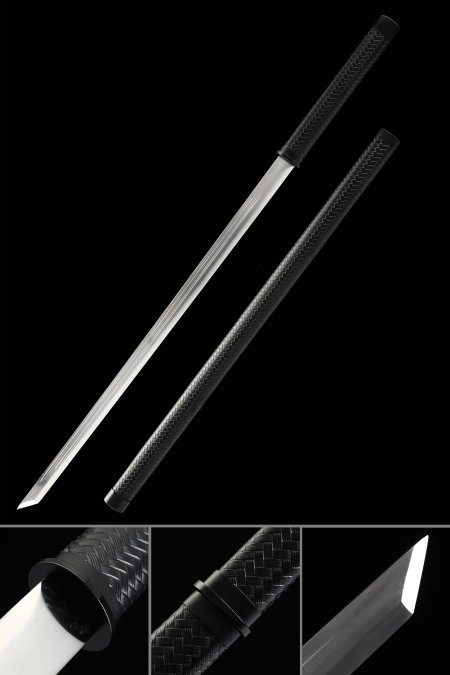
Black Sageo Ninjato

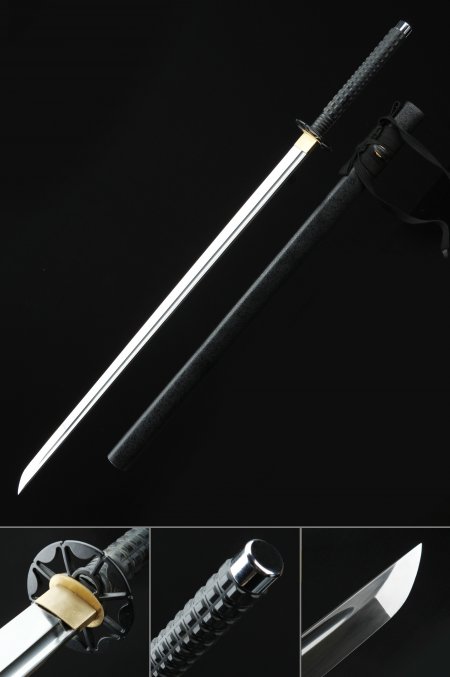
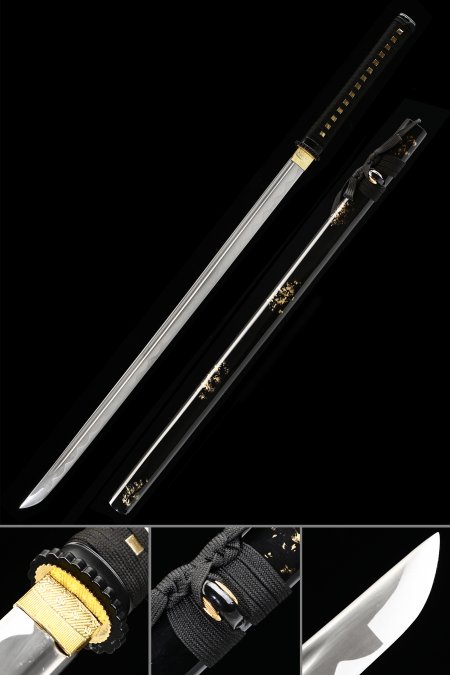
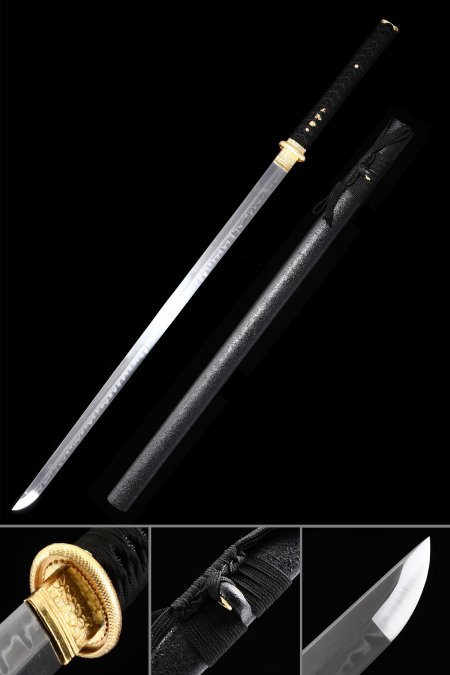
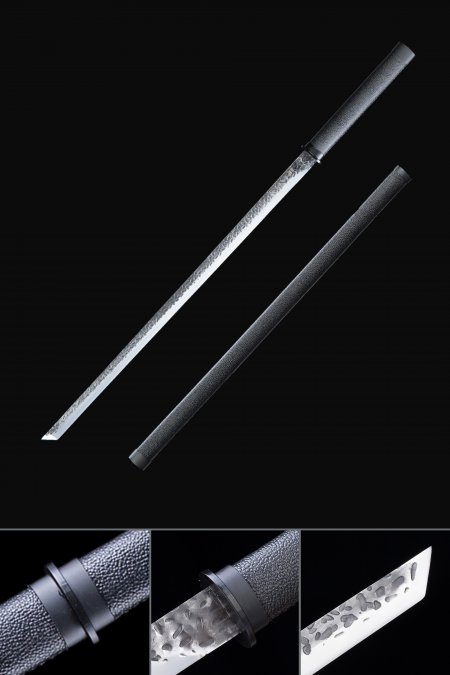
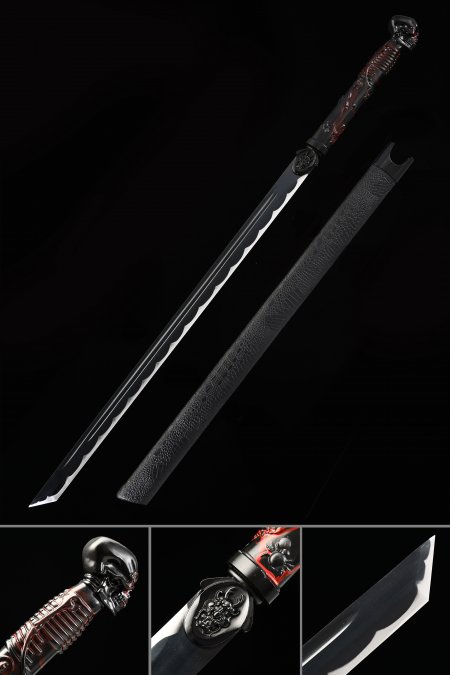
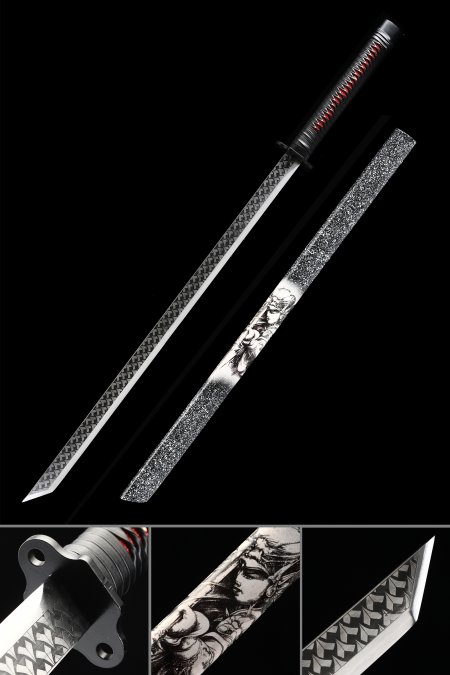
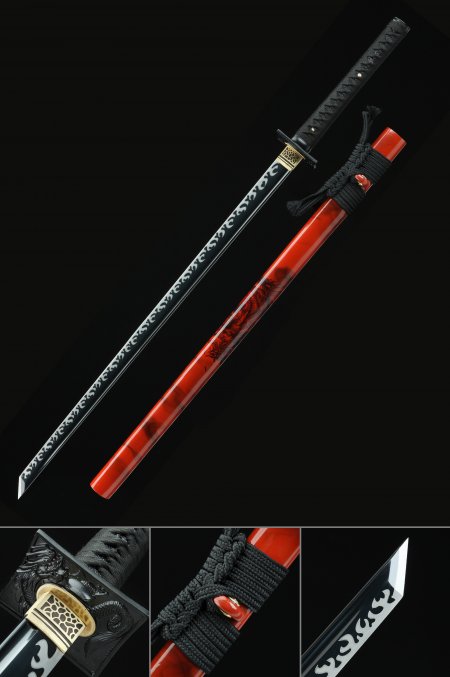
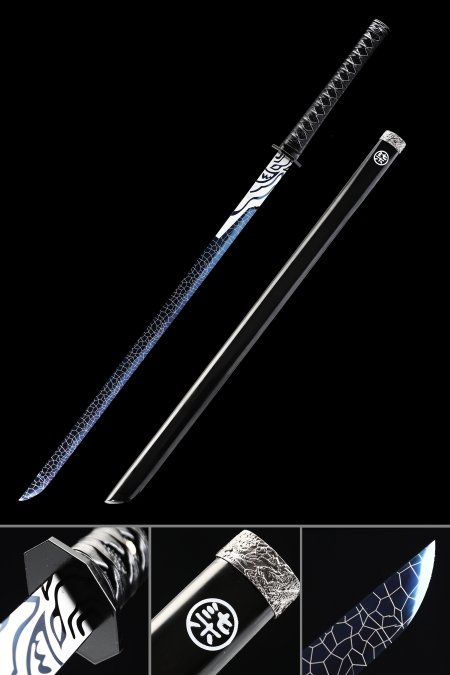
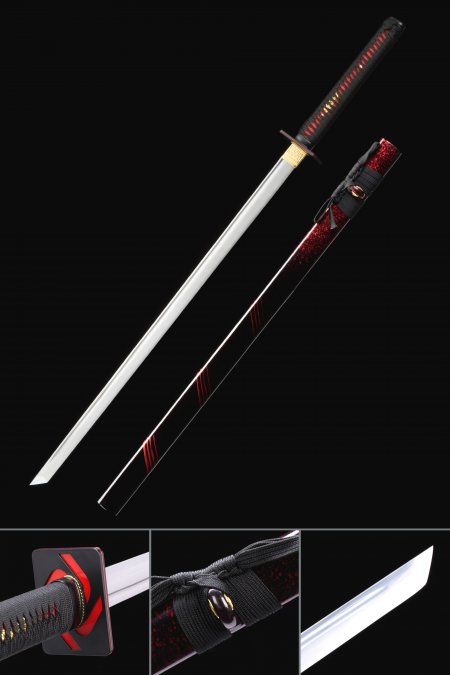
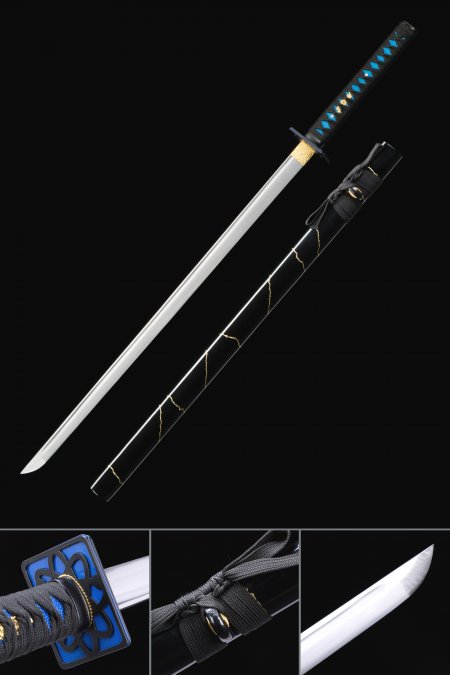
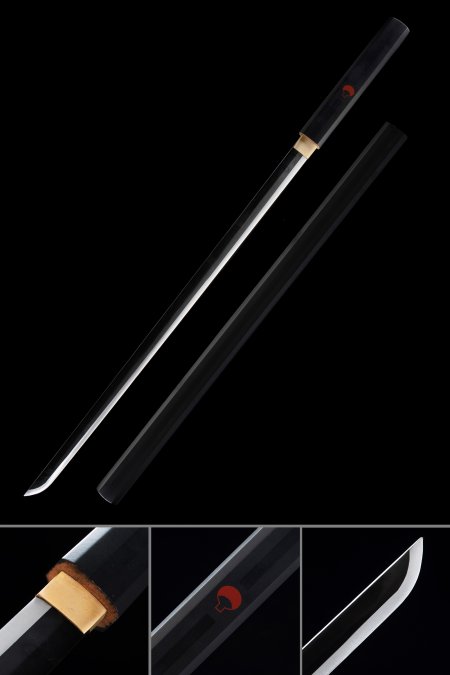
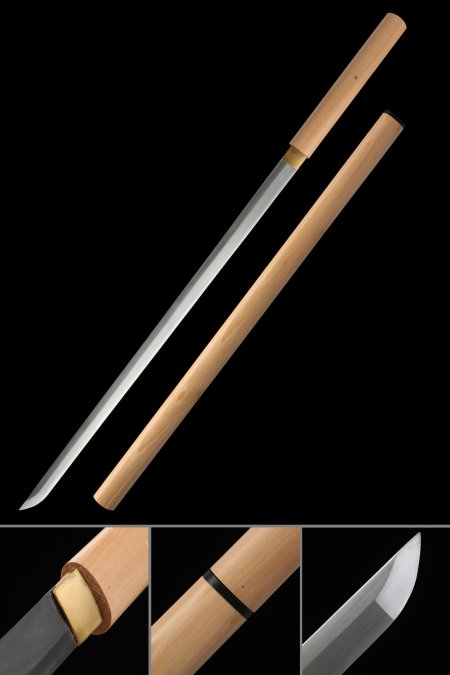
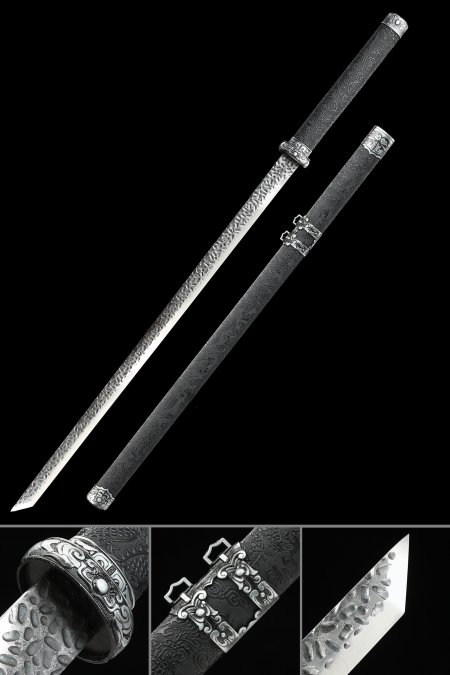
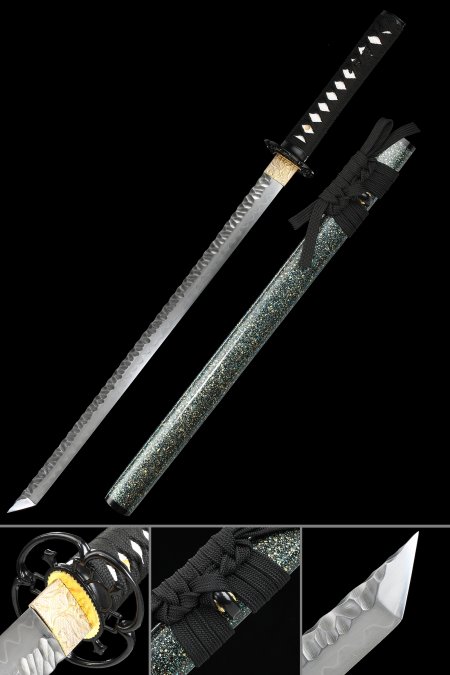
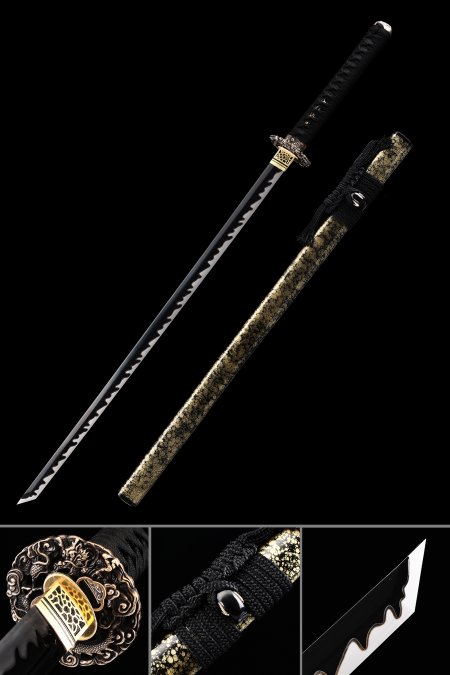
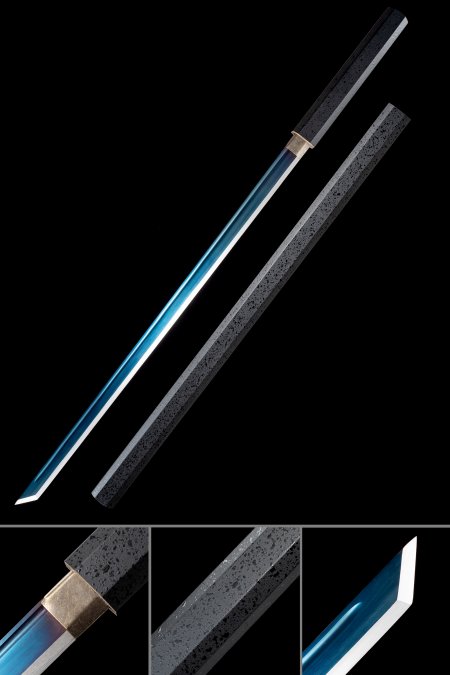
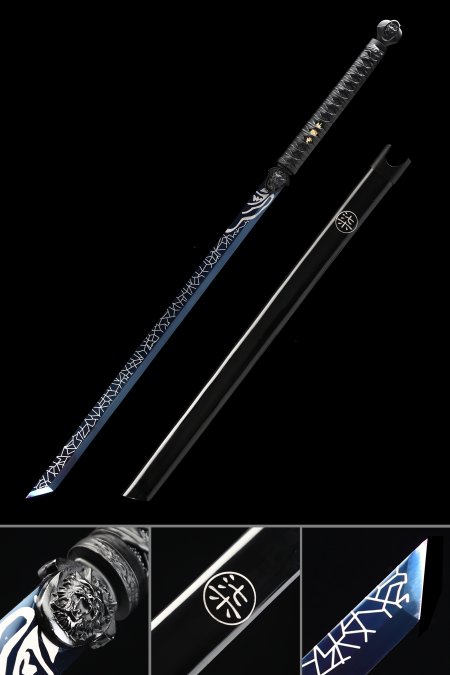
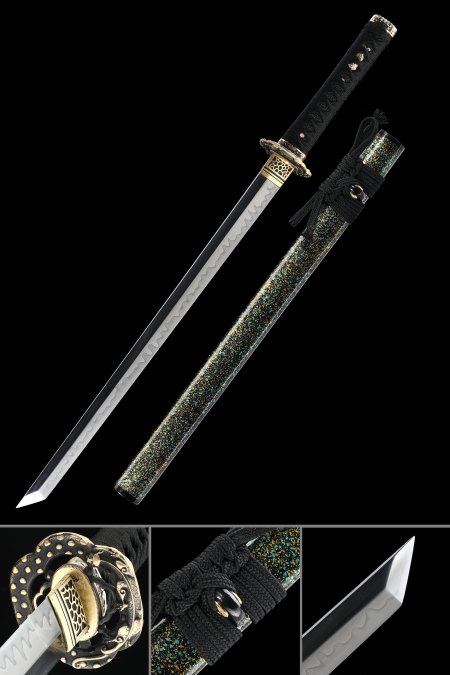
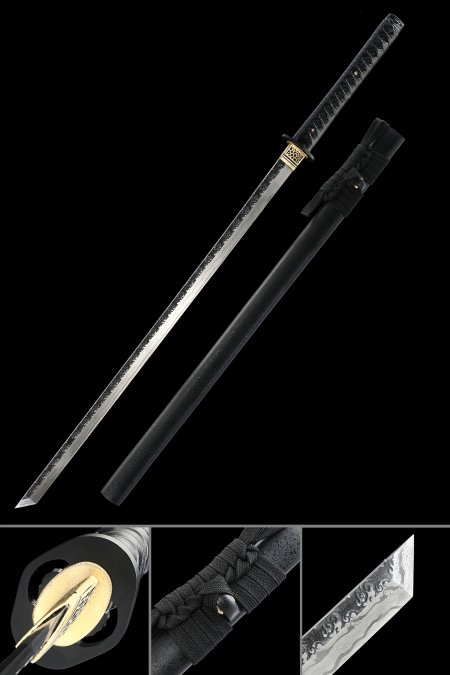
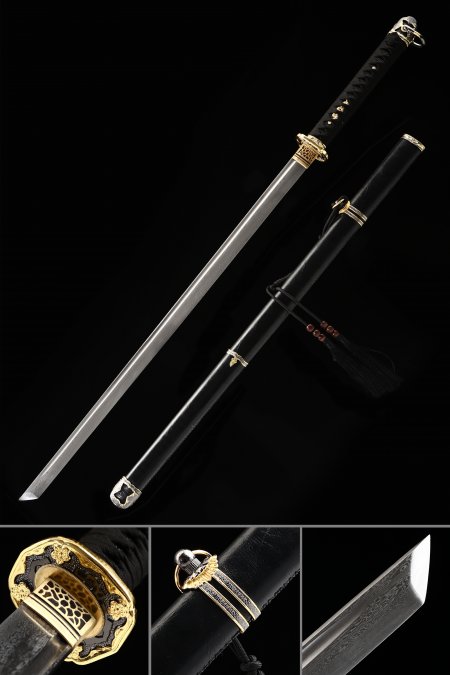
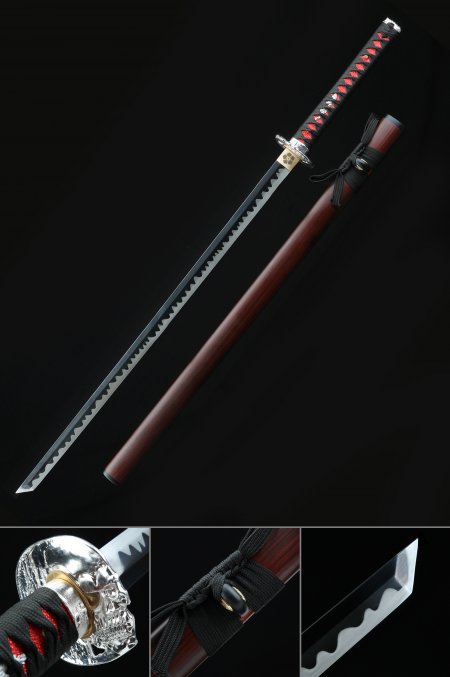
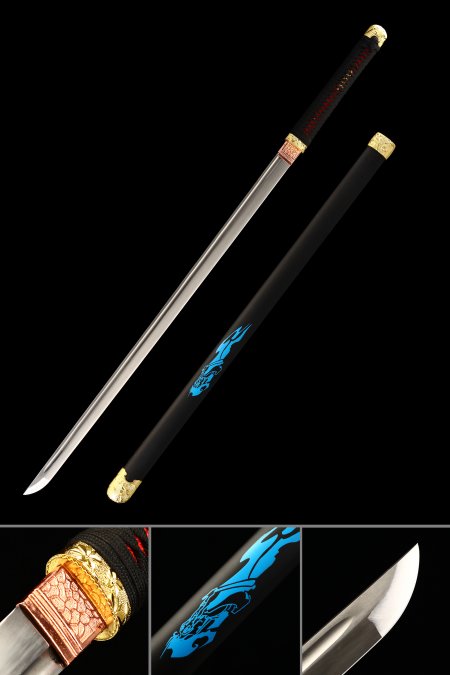
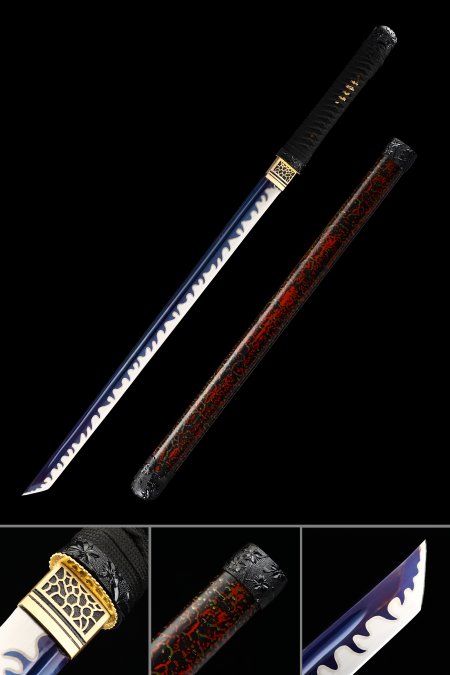
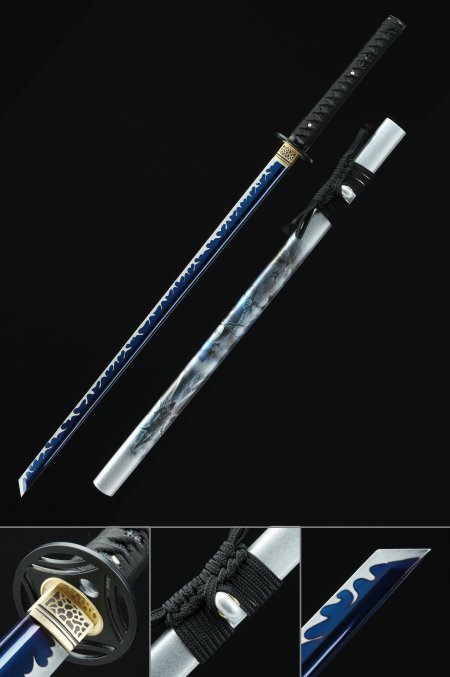
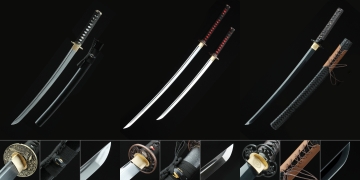
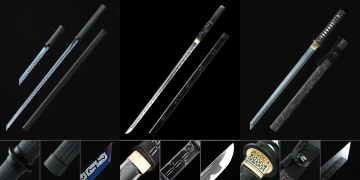
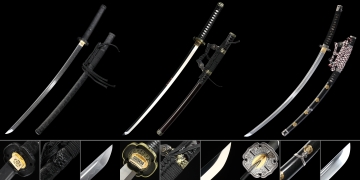
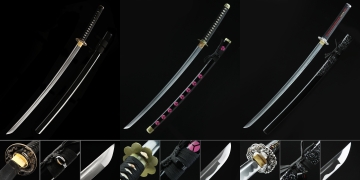
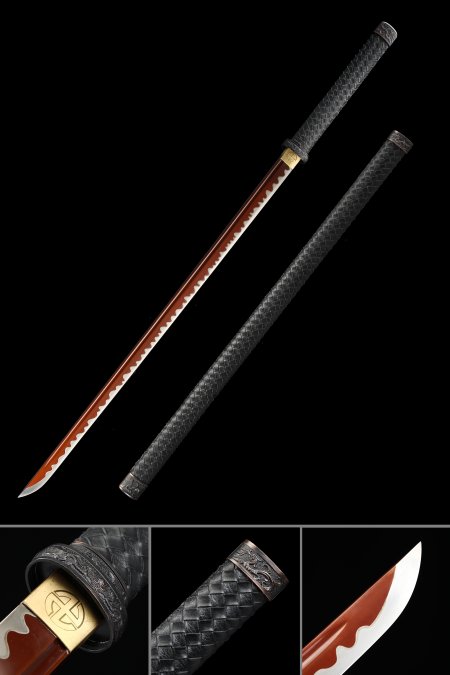
Defined by their straight blades and deeply intentional aesthetics, Black Sageo Ninjato represent one of the most visually striking forms in Japanese sword collecting. Each piece in this collection pairs hand-forged steel - ranging from 1045 carbon to clay-tempered T10 - with black-lacquered hardwood saya and authentic black sageo cord, honoring the traditional koshirae style favored by serious collectors. From ornate scroll tsuba to kanji-engraved scabbards, every detail is crafted to display with distinction. Enjoy free shipping on your order, backed by our hassle-free return policy.
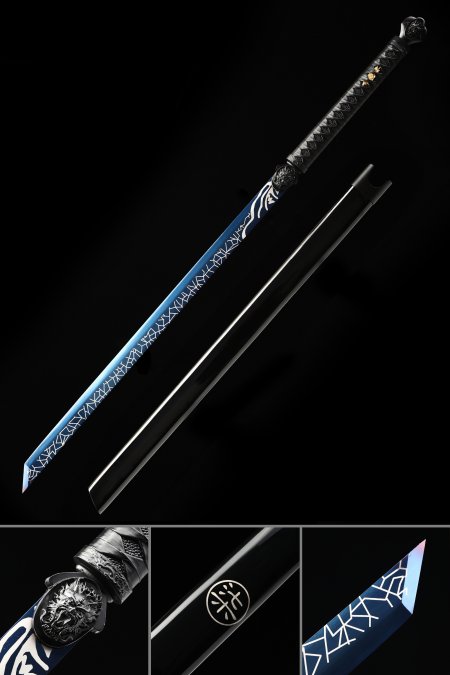
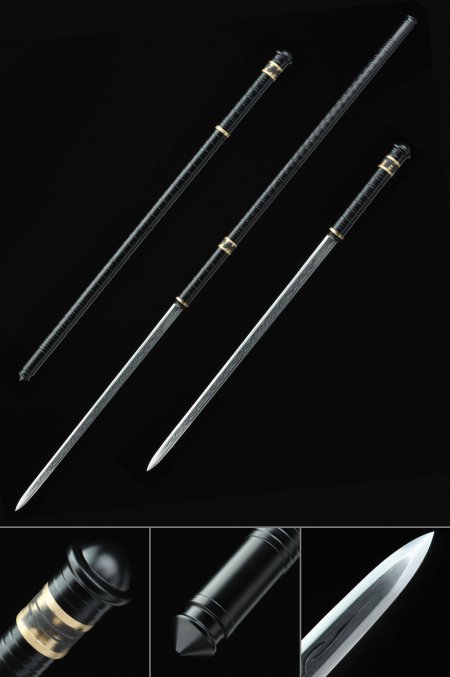
Showing 104 Products

Related Collections

Black Wakizashi40 items


102 Reviews

Black Chokuto39 items


289 Reviews

Black Odachi11 items


14 Reviews

Black Sageo Katana619 items


3378 Reviews

Frequently Asked Questions

What makes a ninjato different from a katana?
The most defining difference is blade geometry. A katana features a curved, single-edged blade optimized for drawing cuts, while a ninjato - also called chokuto in its straight-blade form - has a largely straight or very slightly curved blade with a more squared tip profile. This geometry gives the ninjato a visually distinct silhouette that appeals to collectors seeking variety beyond the classic katana form. The tsuba on a ninjato is also traditionally square or rectangular rather than round, reinforcing the angular aesthetic. In terms of construction, both can be built to the same standard: full-tang, hand-forged from high-carbon steel, with authentic koshirae fittings. For display purposes, the ninjato's straight blade catches light differently, making it a compelling complement to curved-blade pieces in a serious collection.
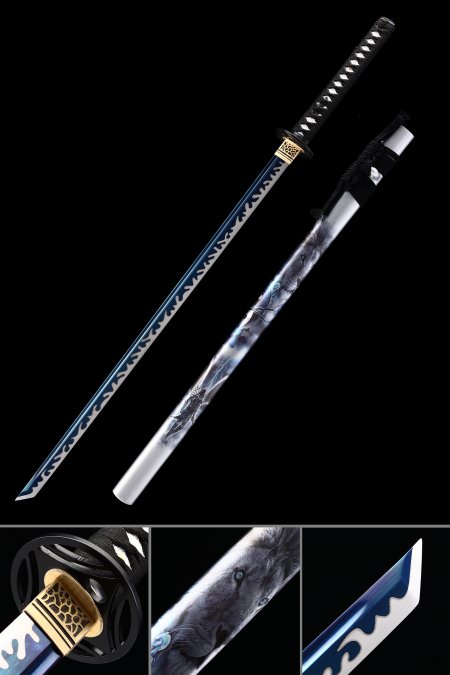
What does clay tempering actually do to a T10 blade?
Clay tempering is a heat-treatment technique where a layer of refractory clay is applied to the spine of the blade before the final quench. Because the clay insulates the spine, it cools more slowly than the exposed edge - resulting in a harder edge and a tougher, more flexible spine in a single blade. The boundary between these two zones becomes visible as the hamon, the undulating temper line that runs along the length of the blade. On a T10 steel ninjato, this process is particularly effective because T10's high carbon content (approximately 1.0%) responds well to differential hardening. A real hamon is not etched or painted - it is a structural feature that forms during the quench, and its pattern is unique to each individual blade. For collectors, a genuine clay-tempered hamon is one of the most reliable indicators of authentic bladesmithing craft.
How should I store a black sageo ninjato long-term?
Long-term storage requires attention to three factors: moisture, contact, and UV exposure. Carbon steel blades - whether 1045, T10, or manganese - will develop surface rust if left unprotected in humid environments. Apply a light coat of choji oil or food-grade mineral oil along the blade every two to three months, or more frequently in humid climates. Store the ninjato horizontally in its saya to avoid stress on the habaki (blade collar) and to prevent warping. Avoid display in direct sunlight, which can fade black lacquer saya and degrade the sageo cord over time. If storing long-term rather than displaying, a breathable sword bag inside a low-humidity environment is preferable to an airtight case, which can trap moisture. Remove the blade from the saya once or twice a year to inspect for any condensation buildup inside the scabbard.
Is the black sageo cord functional or purely decorative?
On traditionally made Japanese swords, the sageo served a genuine functional role - it secured the saya to the obi (sash) and could be removed for use as a utility cord in various classical applications. On the display-grade ninjato in this collection, the black sageo retains the traditional length, wrap style, and silk or cotton cord construction that mirrors historical examples. While these pieces are positioned as collectibles rather than martial tools, the sageo is properly attached through the kurigata (scabbard knob) and can be retied or rewrapped if needed. For collectors focused on historical accuracy and visual authenticity, the presence of a correctly fitted, full-length sageo - rather than a decorative stub - is a meaningful quality indicator that separates seriously constructed koshirae from purely ornamental pieces.
How do black sageo ninjato pair with other pieces in a display?
The black sageo ninjato's monochromatic palette makes it one of the most versatile anchors for a themed display. Its straight blade profile creates strong visual contrast when mounted alongside curved katana, while the all-black koshirae - saya, sageo, tsuba, and handle - provides a clean, unifying color tone. For a cohesive single-tone display wall, pairing ninjato from this collection with pieces from the Black Blade Katana collection creates a striking all-dark presentation. For contrast-based arrangements, adding a Black Tanto Sword as a shorter companion piece introduces scale variation without breaking the color theme. Collectors who prefer a complete ninja aesthetic aesthetic should also consider Black Leather Handle Ninjato variants, which introduce texture contrast through handle material while maintaining the same dark visual identity.

Customer Reviews

Jose Virginia, United States

Like a true ninja it appeared on my doorstep. Beautiful work and it’s a real sword. Heavier than I expected and really solid. A beautiful piece of art that’s fully functional. Came from China and arrived really quickly. Thanks True Katana. Expect a few more orders from me in the near future
T10 Carbon Steel Ninjato with Hamon Blade in Multi-Color Glitter Saya - Black Cord Handle T10 Carbon Steel Ninjato with Hamon Blade in Multi-Color Glitter Saya - Black Cord Handle
Cart 0 Items

Your cart is empty