FAST SHIP
Free Shipping
89.00 USD
ON SALE! 15% OFF
Was: 109.00 USD

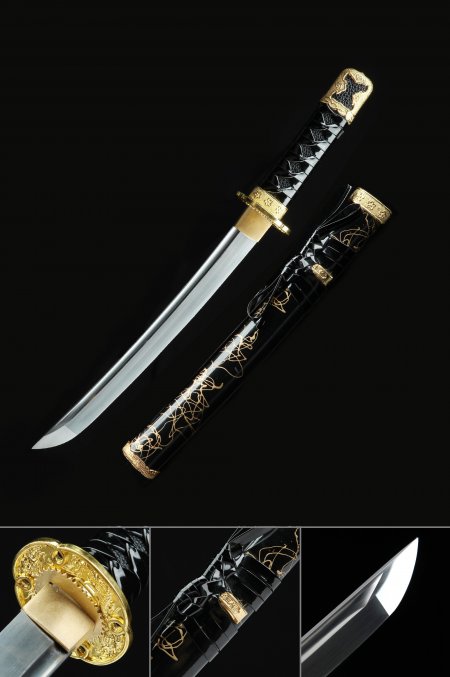
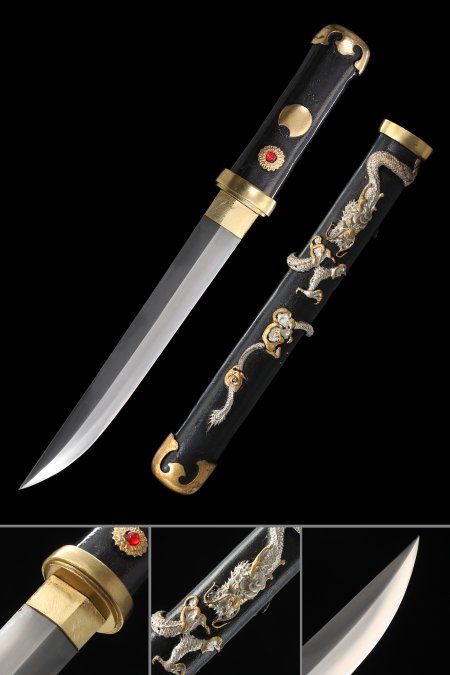
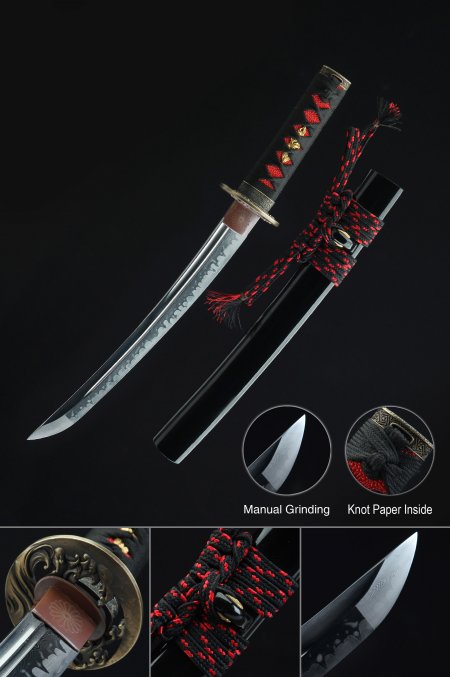
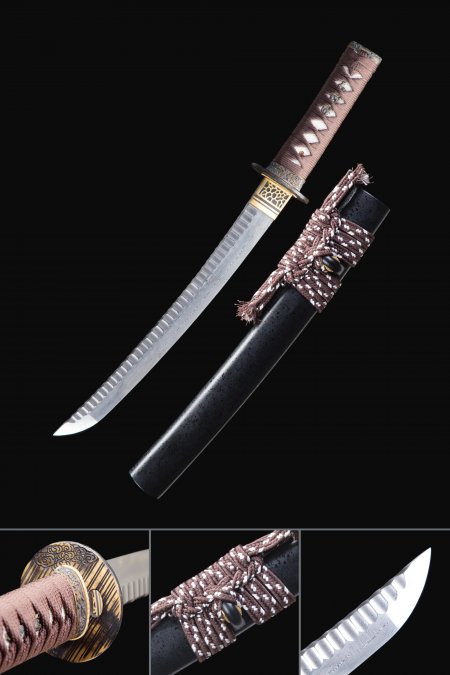
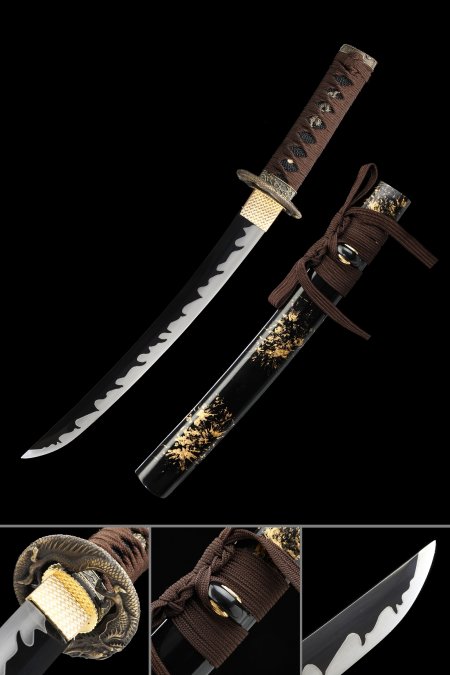
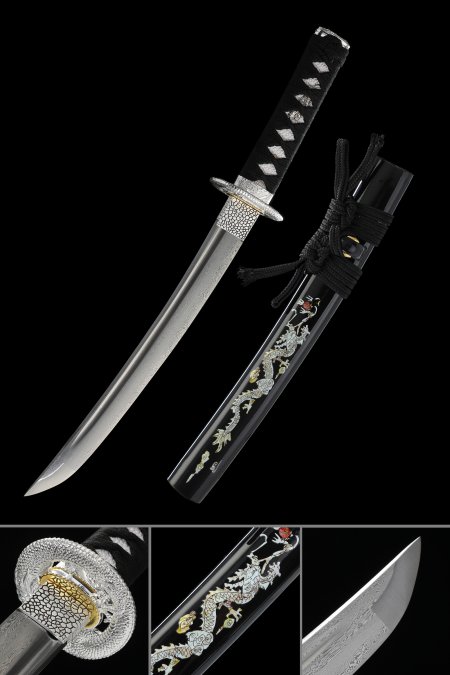
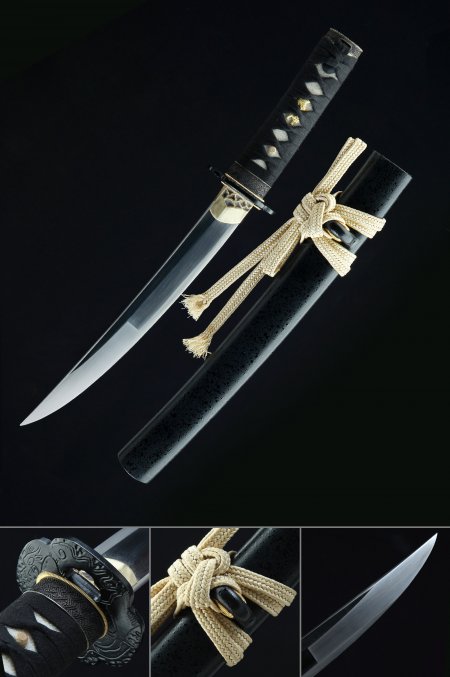
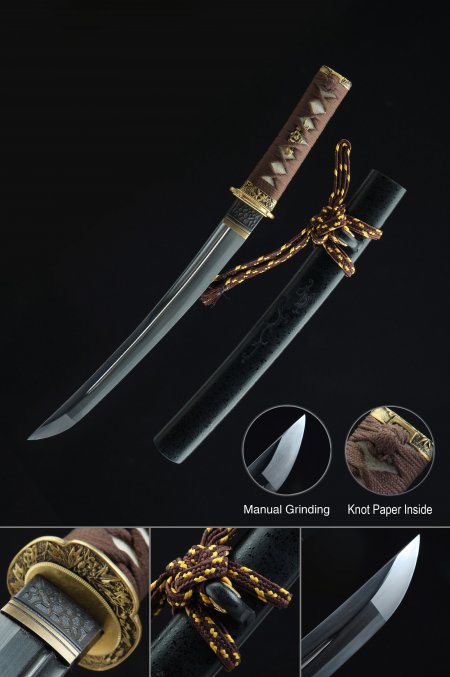
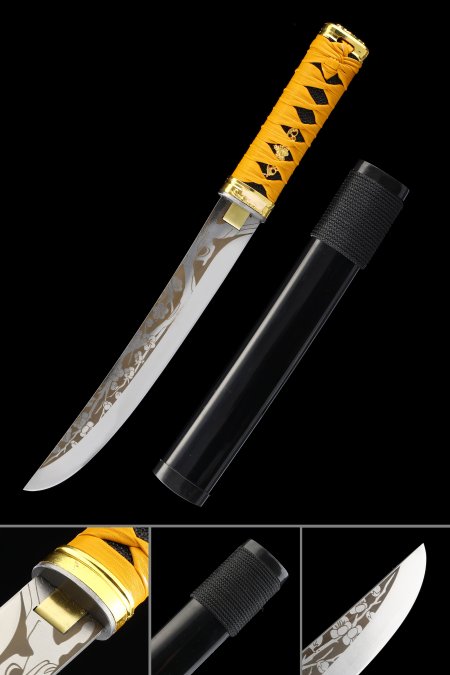
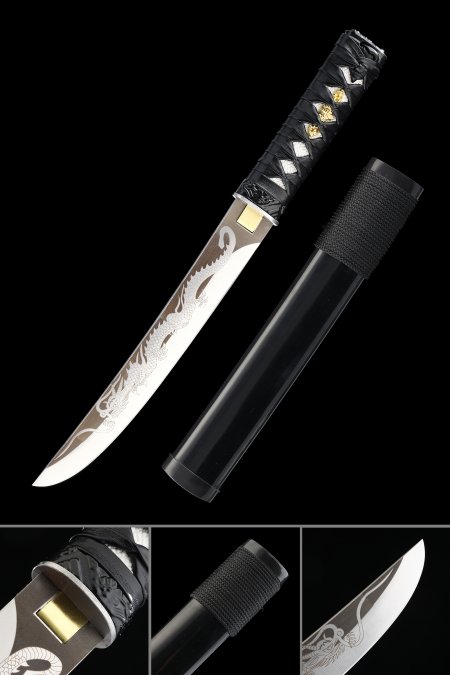
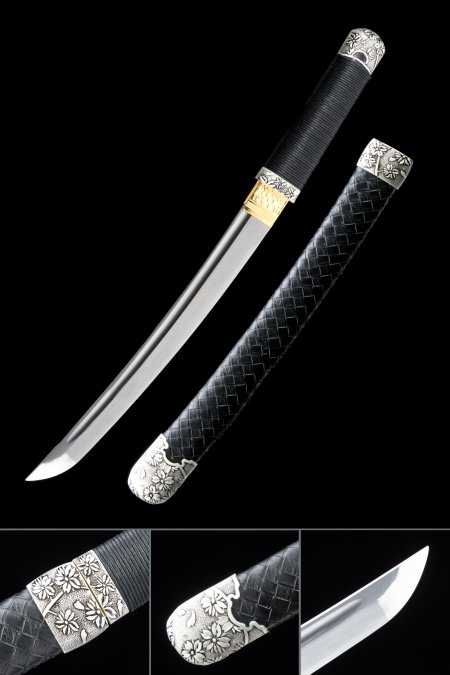
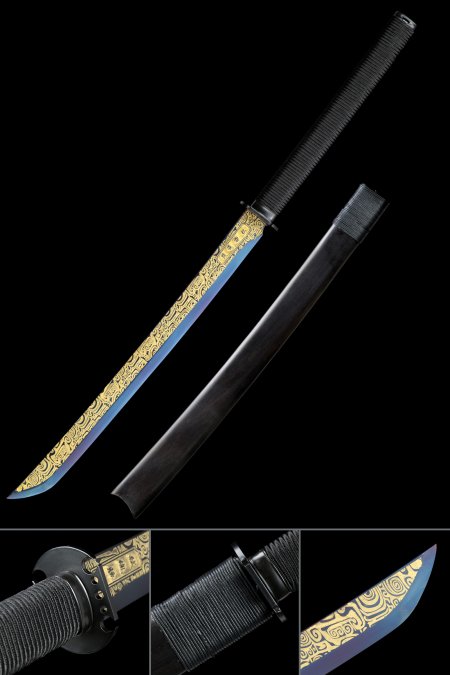
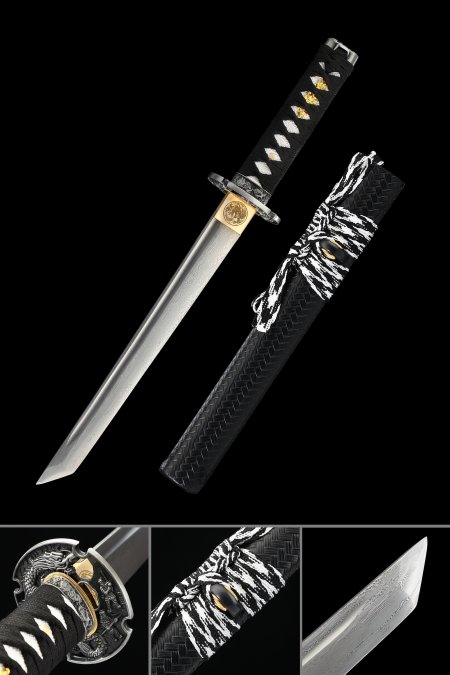
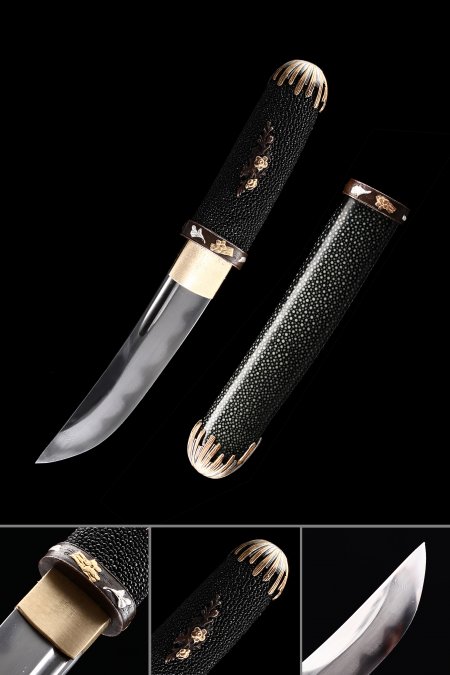
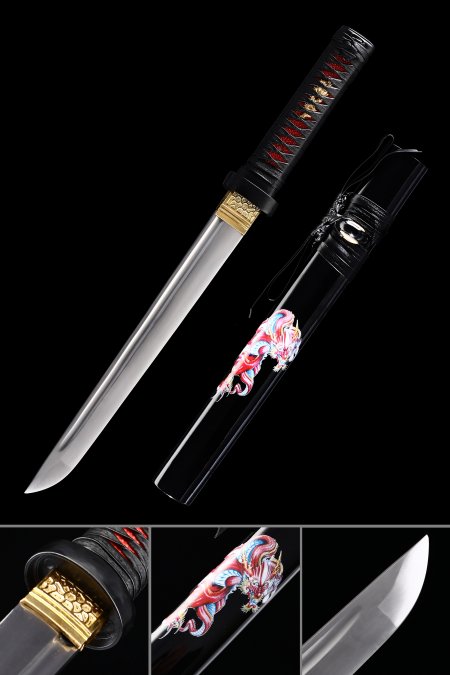
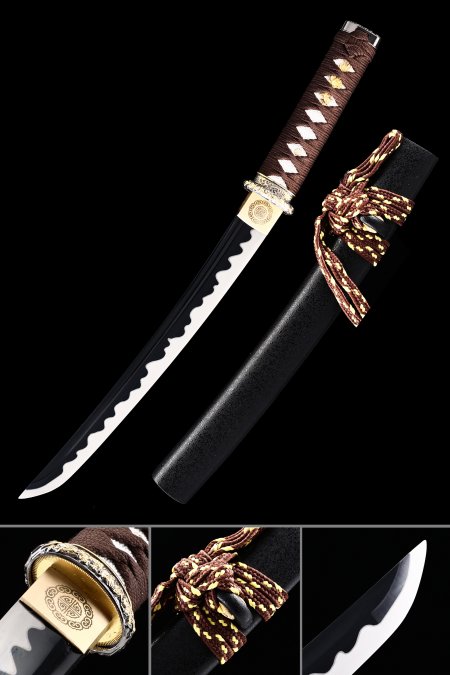
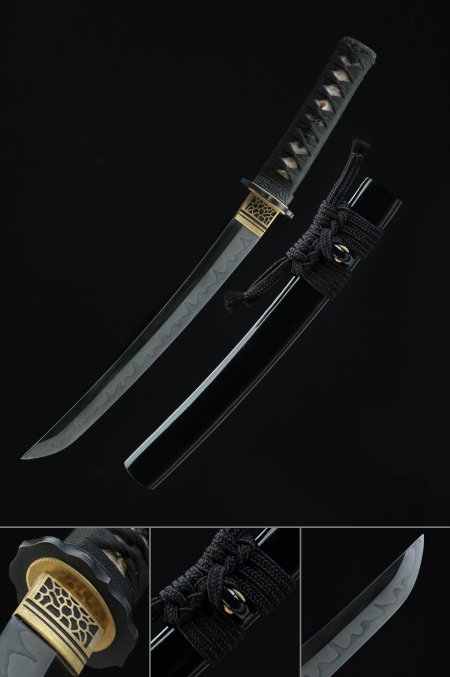
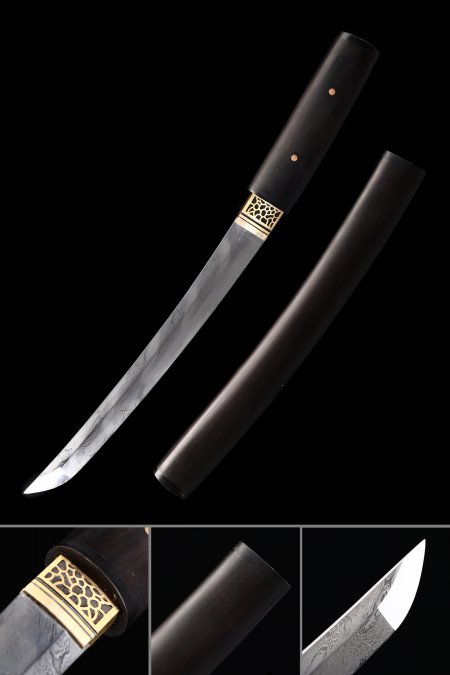
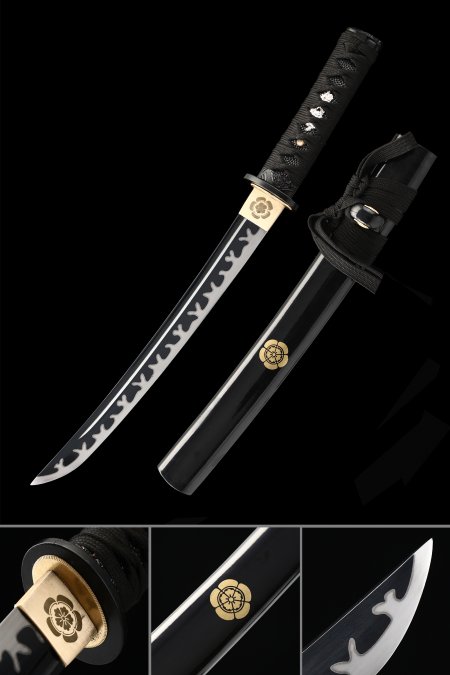
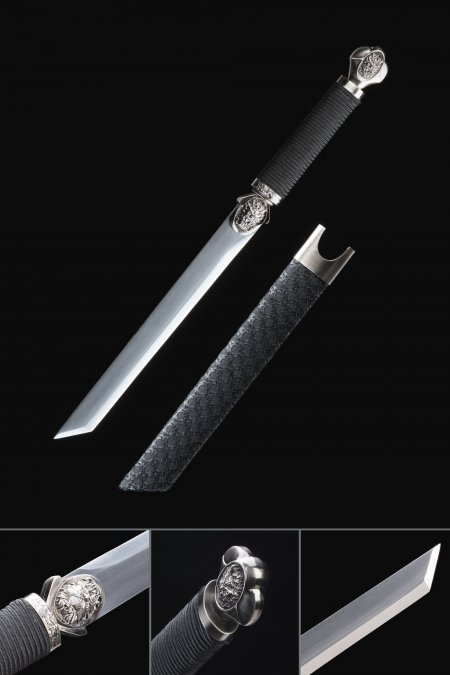
My boyfriend loved the short katana the weight was pleasing unexpected and now wants to order a long.
 |
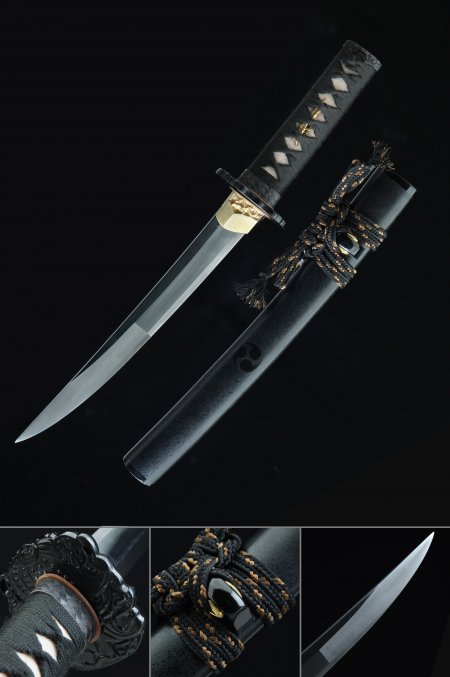
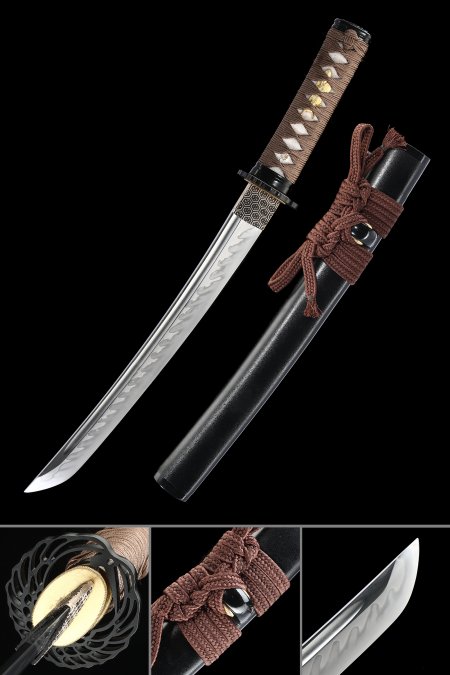
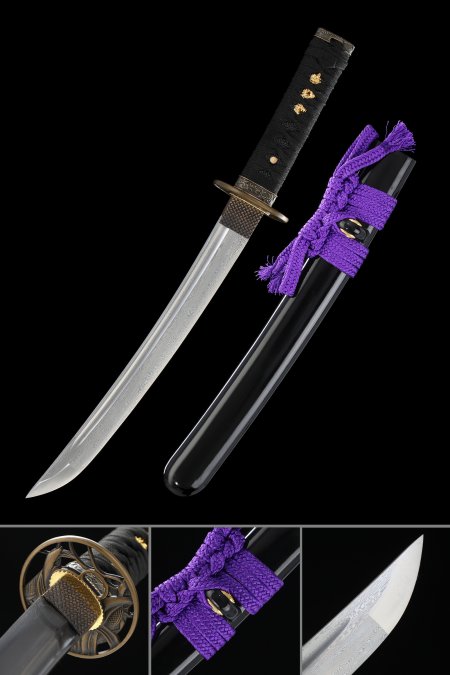
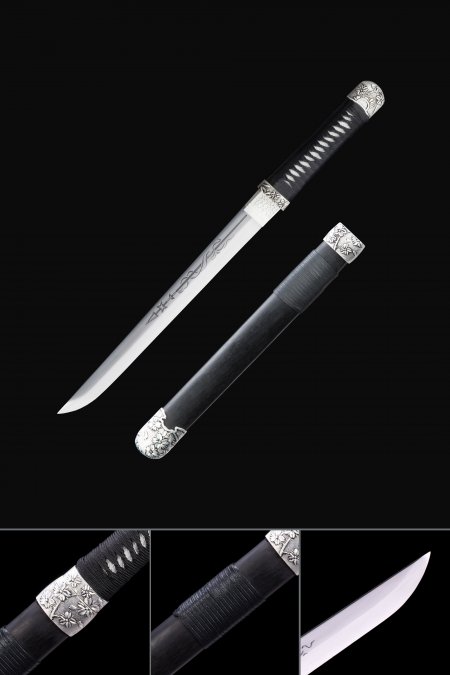
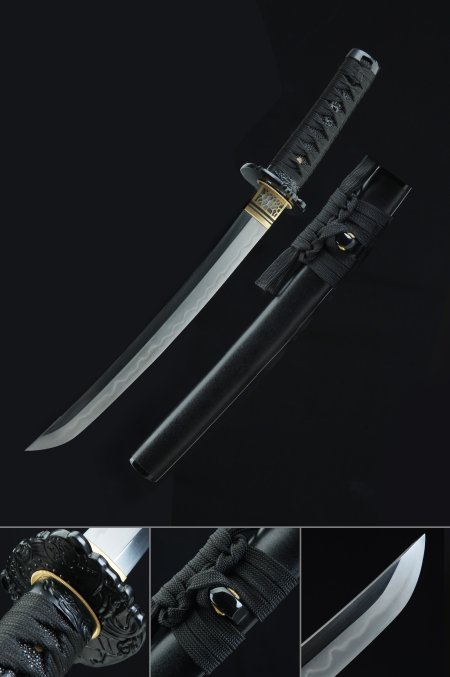
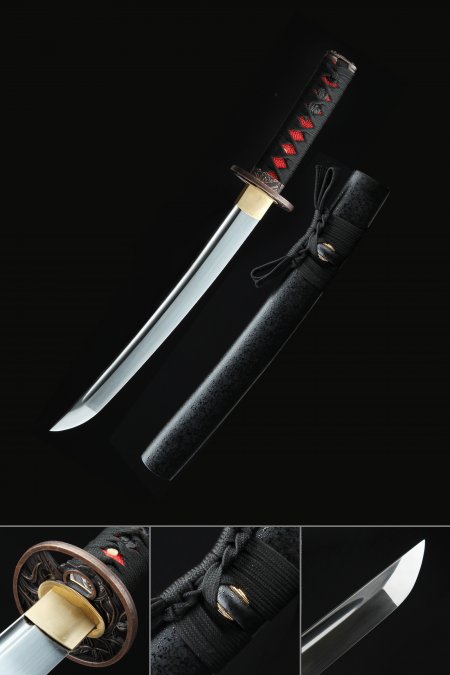
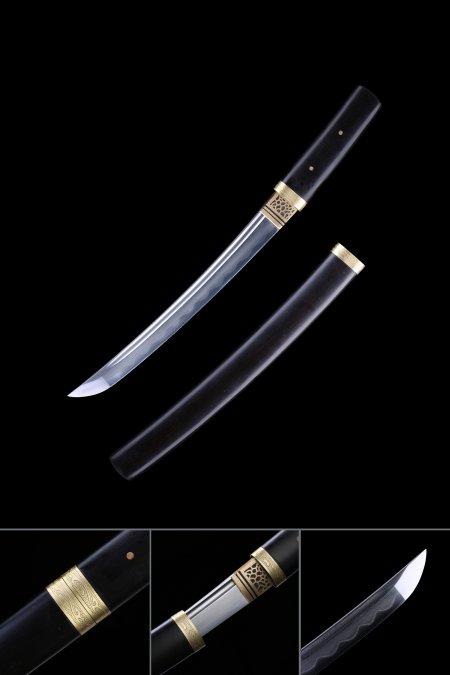
1045 Carbon Steel Tanto Sword with Black Matte Hardwood Saya and Bronze Alloy Oval Tsuba - Full Tang |
It is amazing and thats coming from a blacksmith it is a great blade i do plan on buying 2 more in the future i am very pleased
 |
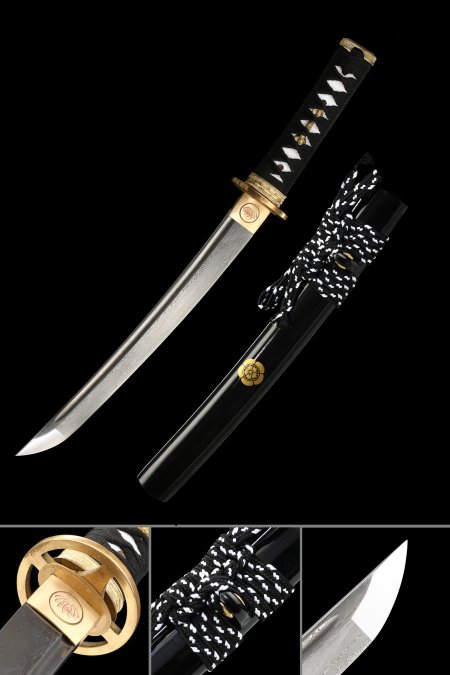
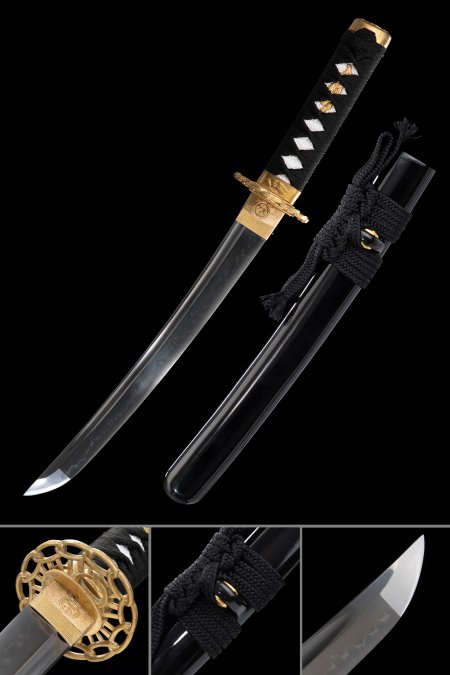
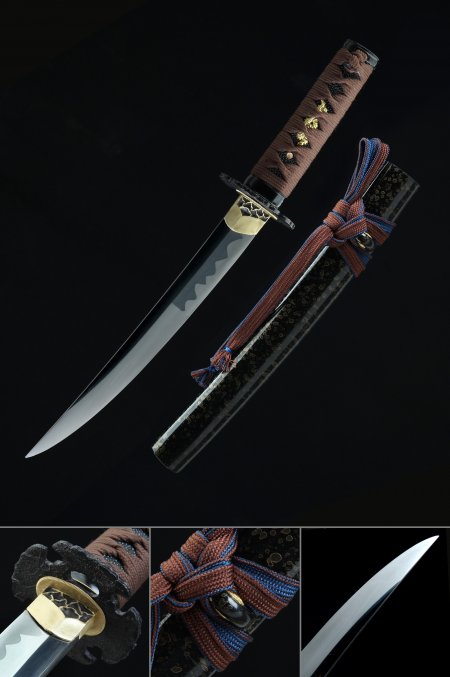
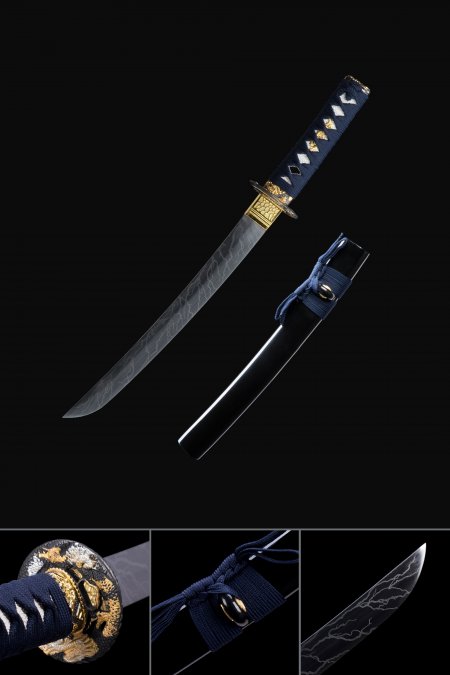
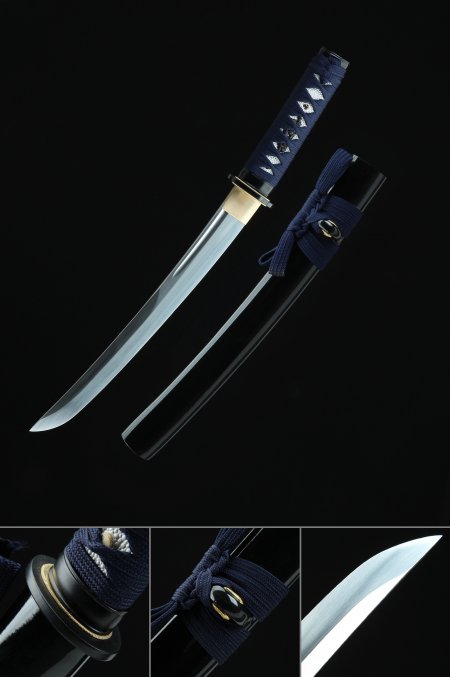
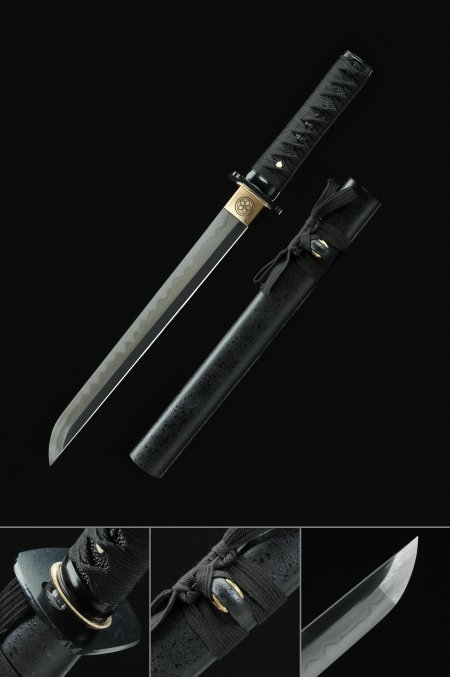
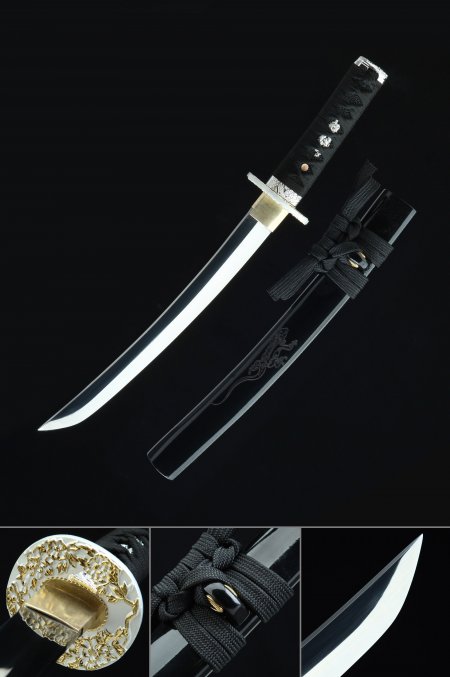
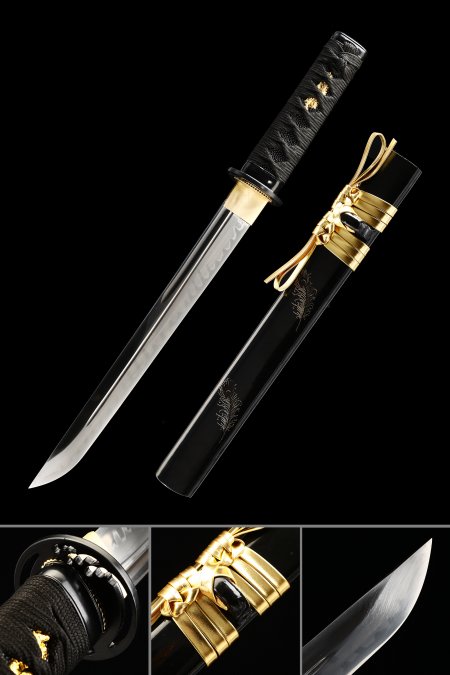
T10 Carbon Steel Hamidashi Tanto with Real Hamon in Black Piano Lacquer Saya - Gold Habaki Accent |
The Tanto is BEEFY. Like a Crow Bar with a sharp edge. Nicely made T10, clay tempered, glossy black sheath. VERY nice.r
r
The Damascus was BEAUTIFUL with an AMAZING Folded Pattern on the blade. SHARP and ready. I like it so much I bought another as a gift for a friend.r
r
VERY happy!!!!!!!
|
T10 Carbon Steel Hamidashi Tanto with Real Hamon in Black Piano Lacquer Saya - Gold Habaki Accent |
True Katana never ceases to amaze me with the quality each blade I purchase, I can’t wait to purchase more!
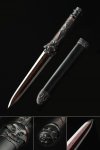 |
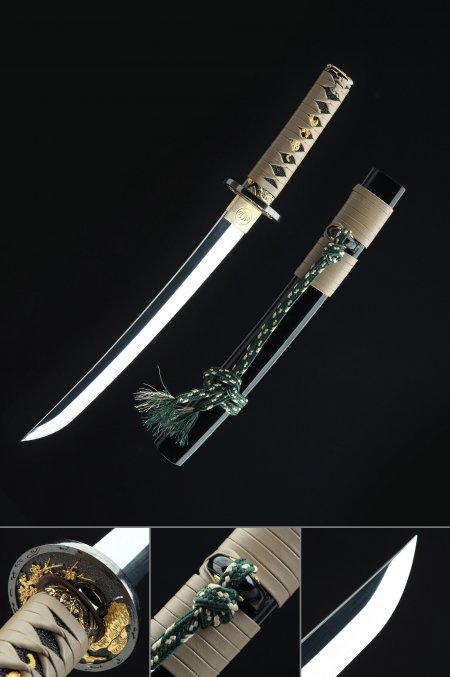
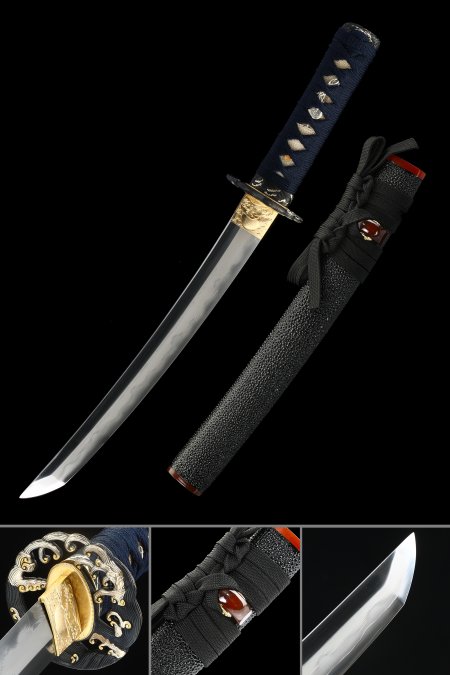
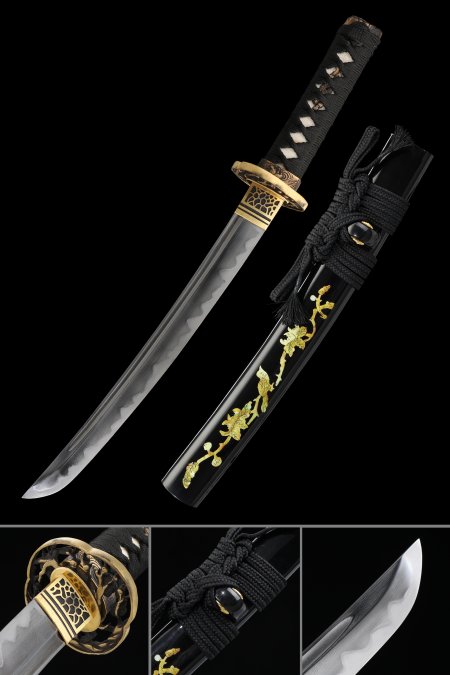
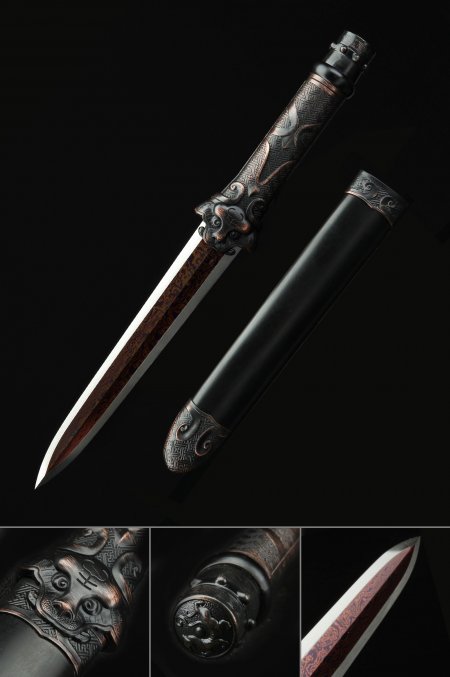
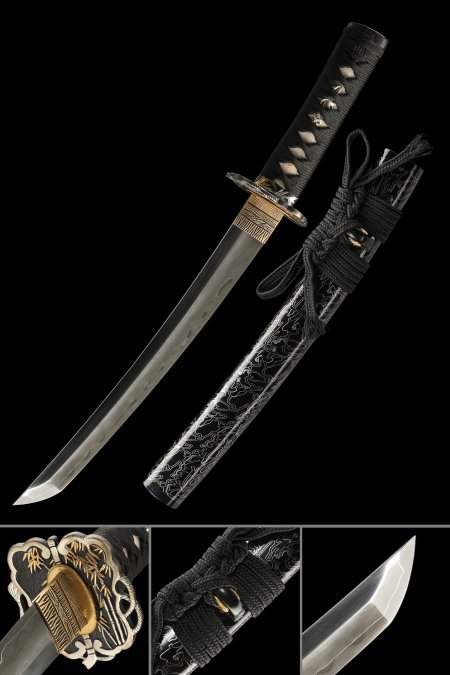
Double Edge Tanto in Folded Red Pattern Steel with Bronze Beast Guard and Ebony Saya |
I love it, the knot on the handle came off but is was no big deal easy fix, haven't used it a lot but is still sharp!!
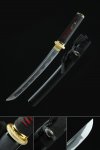 |
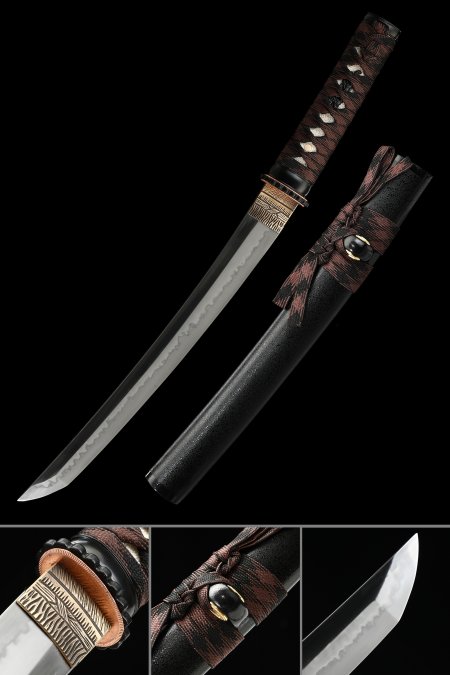
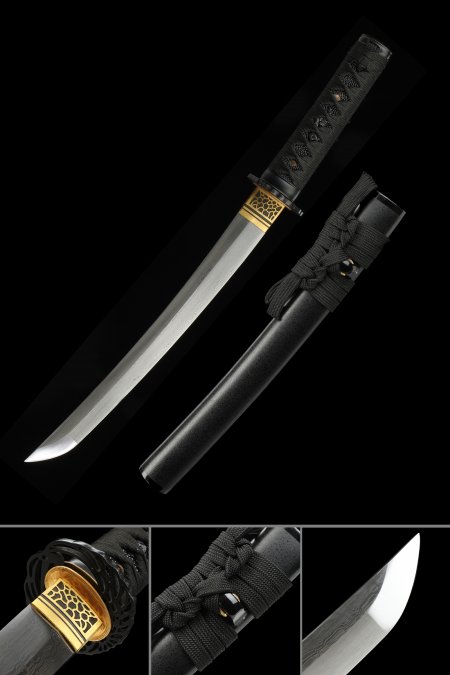
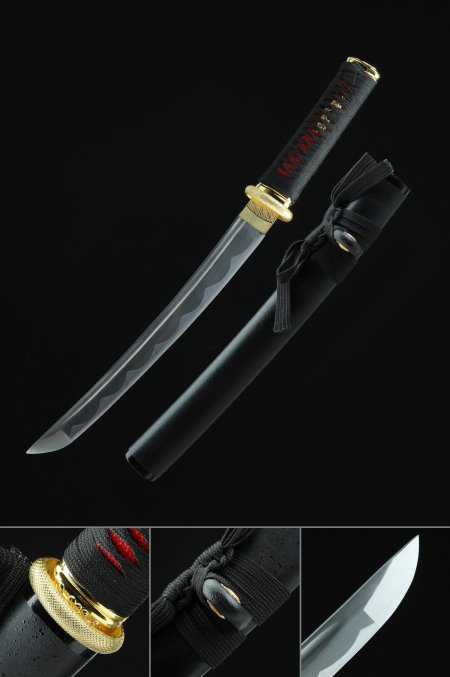
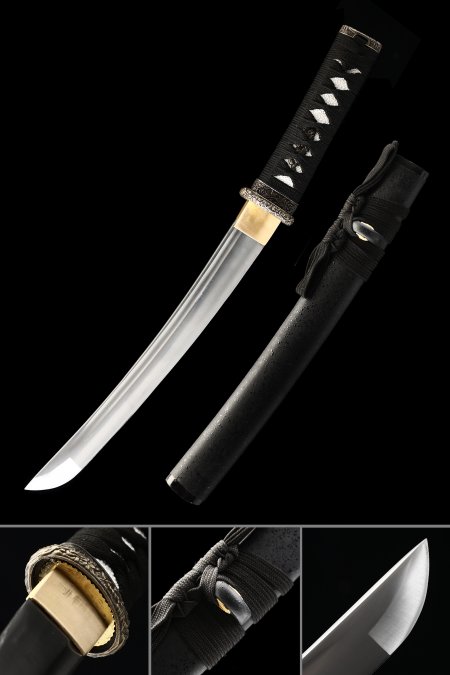
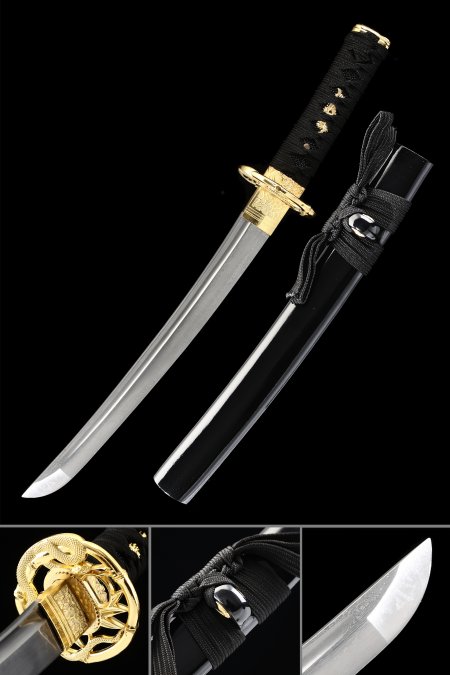
1045 Carbon Steel Tanto Sword with Black Matte Hardwood Saya and Gold Alloy Tsuba - Full Tang Japanese Short Sword |
Very quick delivery. This is the second blade I’ve ordered and both have been fantastic. My one complaint with the recent one is that the sheath doesn’t fit snug and falls off if turned upside down.
|
1045 Carbon Steel Tanto Sword with Black Matte Hardwood Saya and Bronze Alloy Oval Tsuba - Full Tang |
Great authentic product! Second time buying from TrueKatana.
|
T10 Carbon Steel Hamidashi Tanto with Real Hamon in Black Piano Lacquer Saya - Gold Habaki Accent |
Shipping was quick. Quality is outstanding and will definitely come back to collect more beautiful pieces.
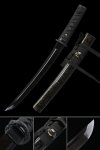 |
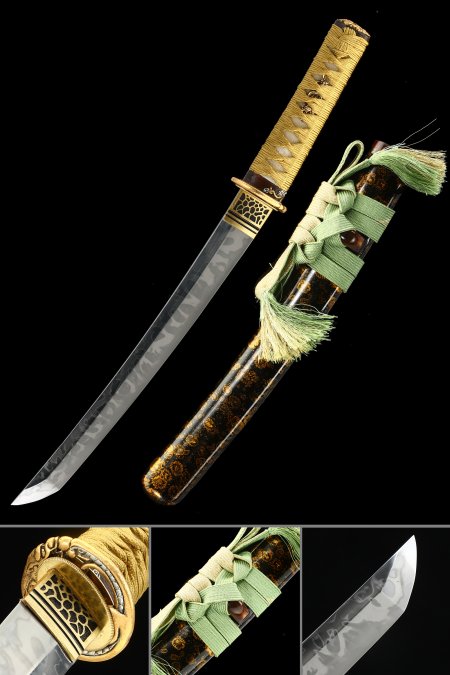
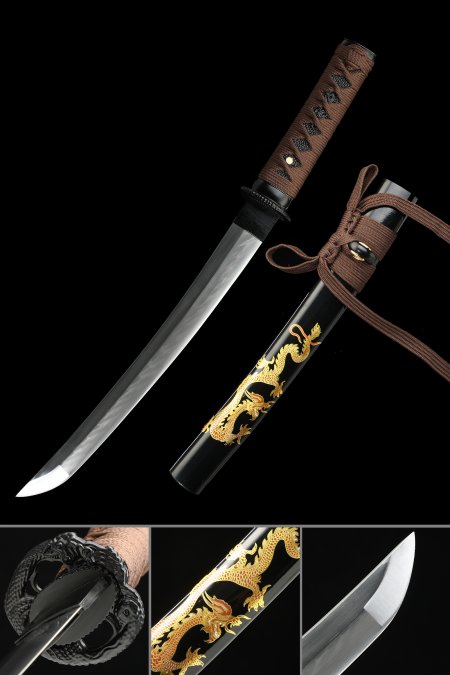
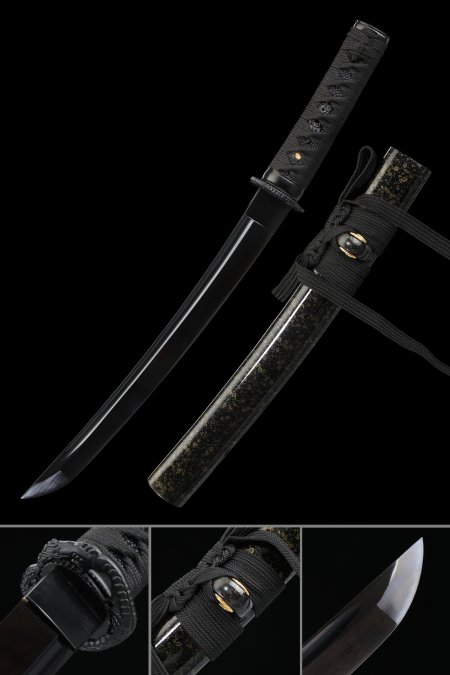
1045 Steel Black Blade Tanto with Gold-Speckled Saya and Python Theme Alloy Tsuba - Full Tang Collectible |