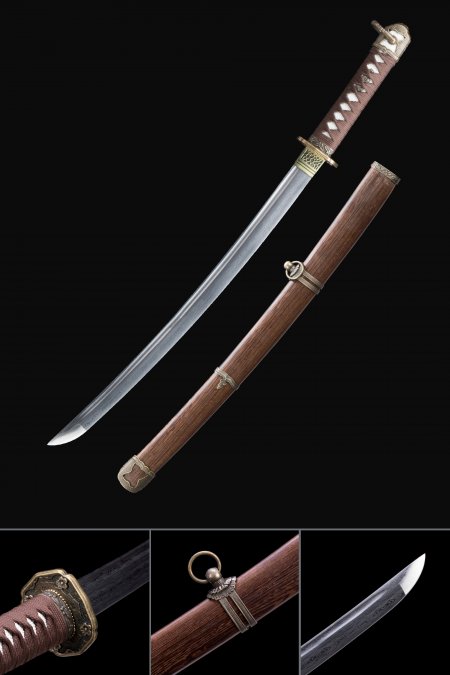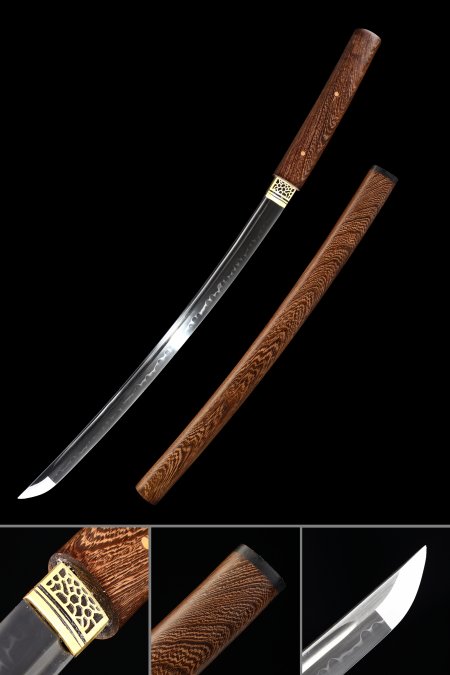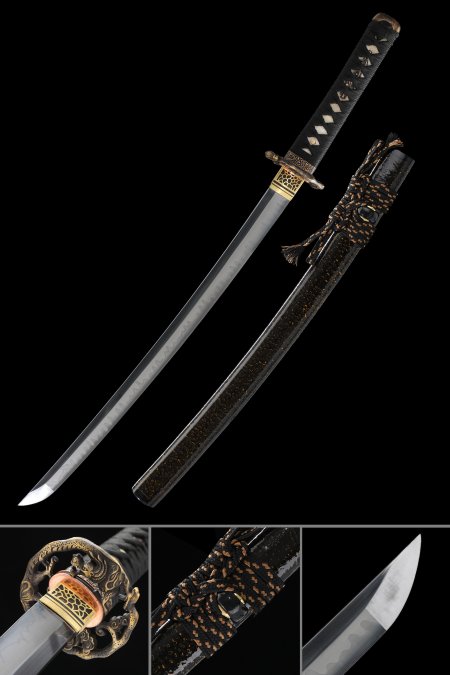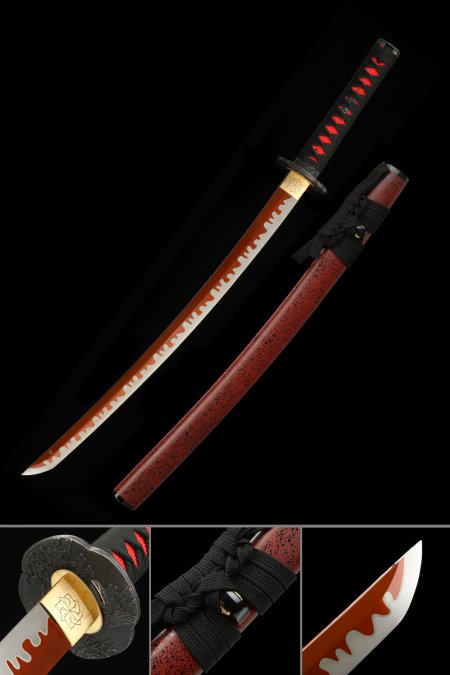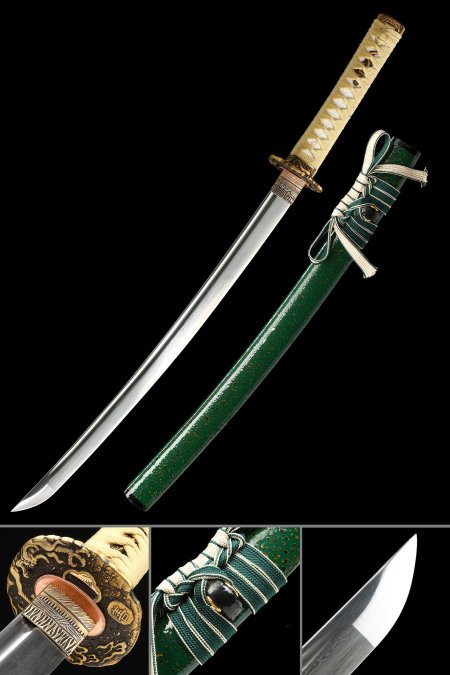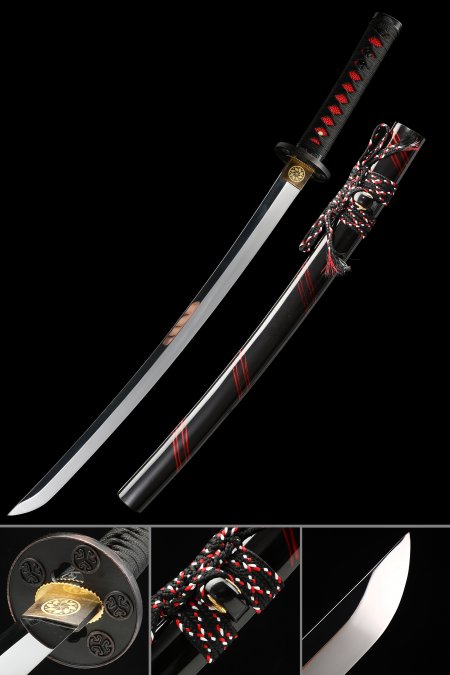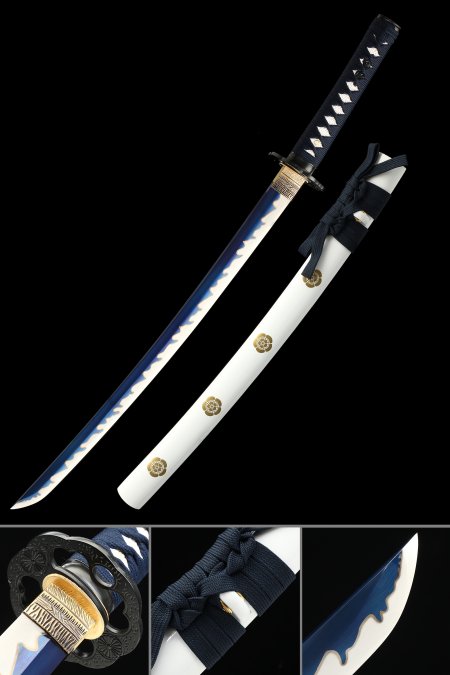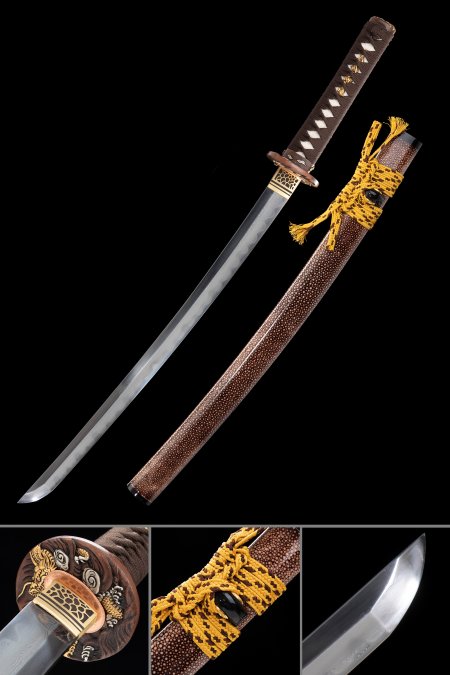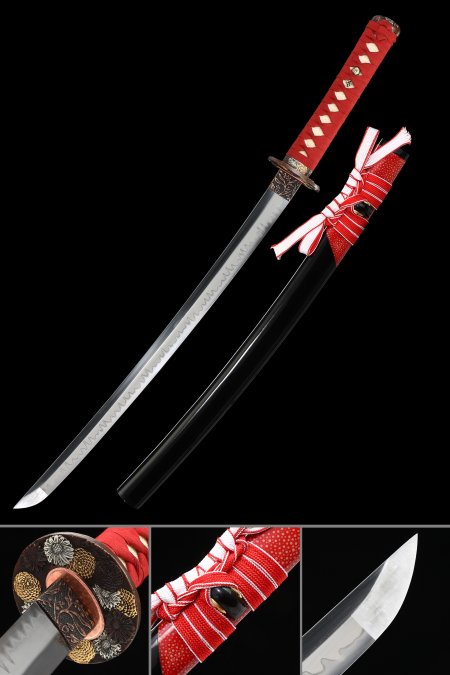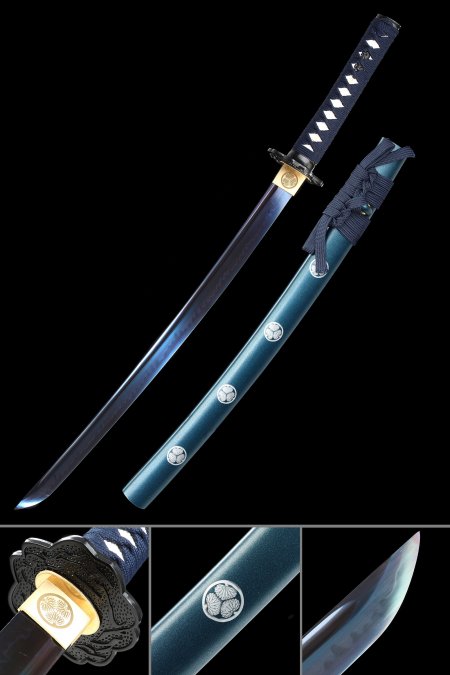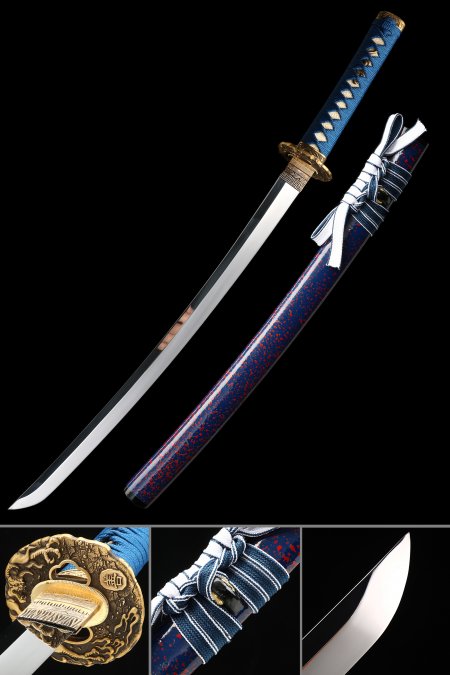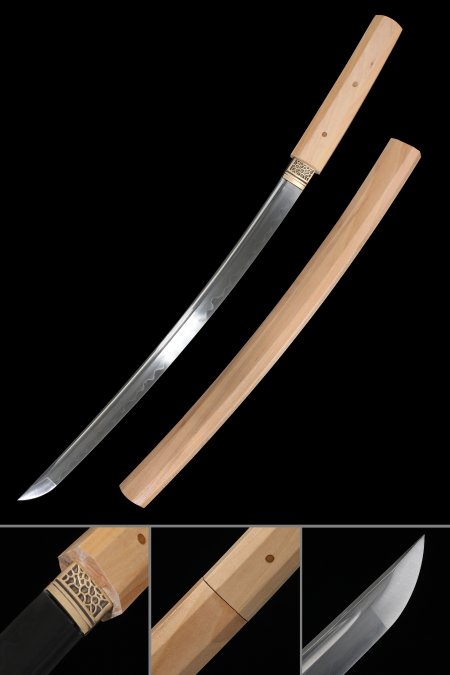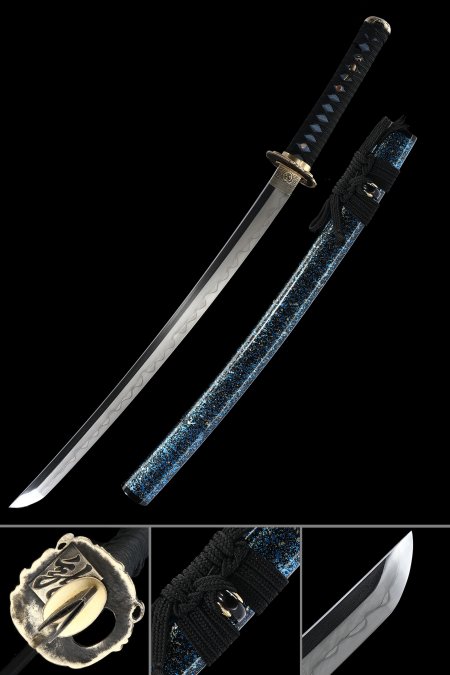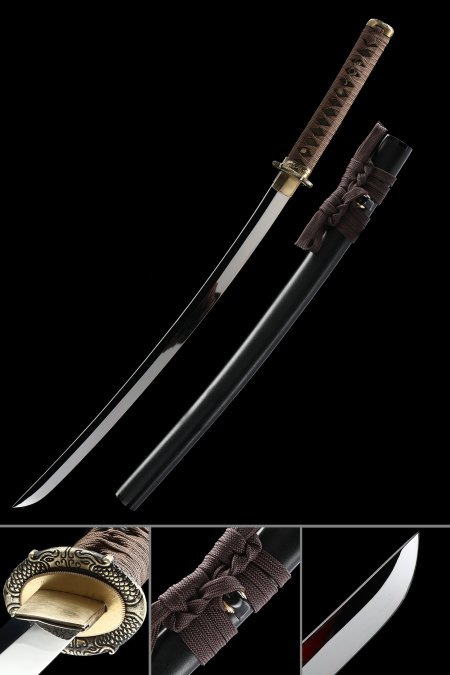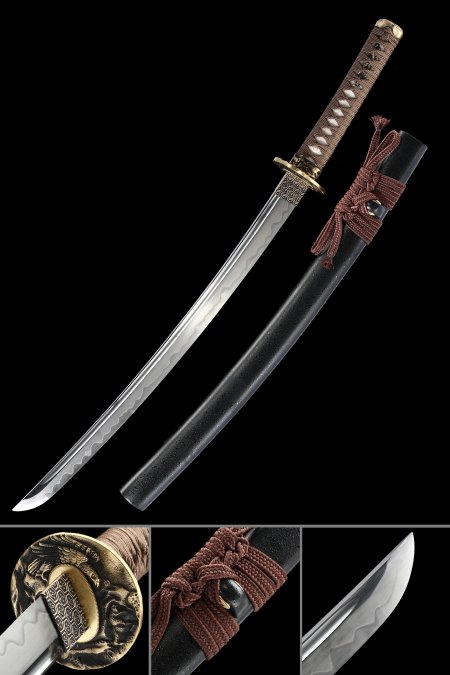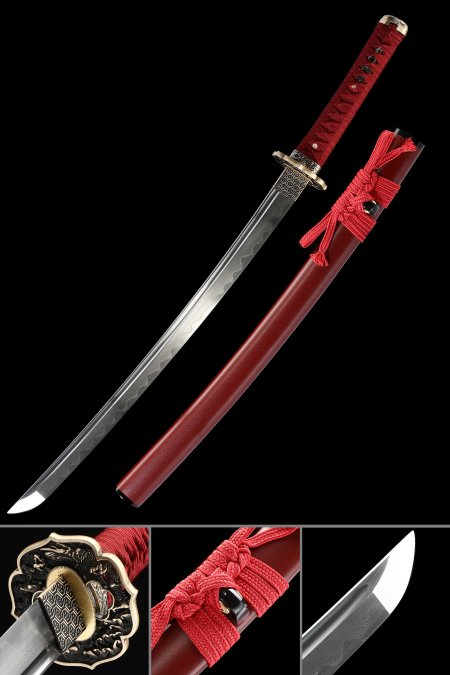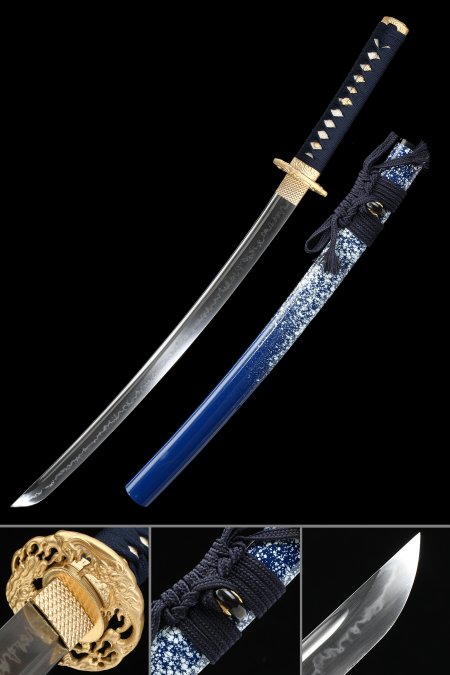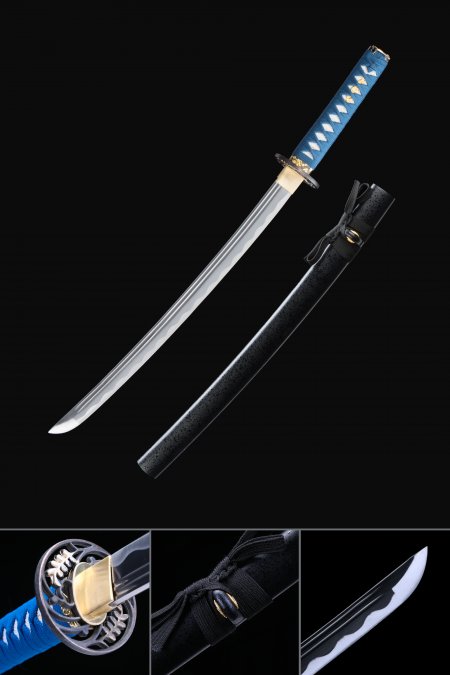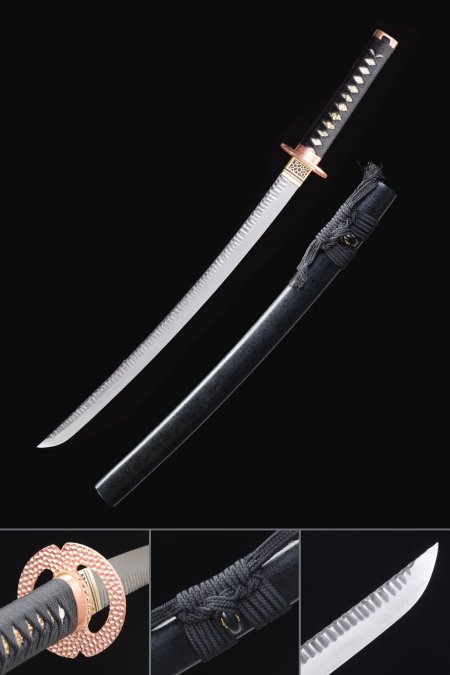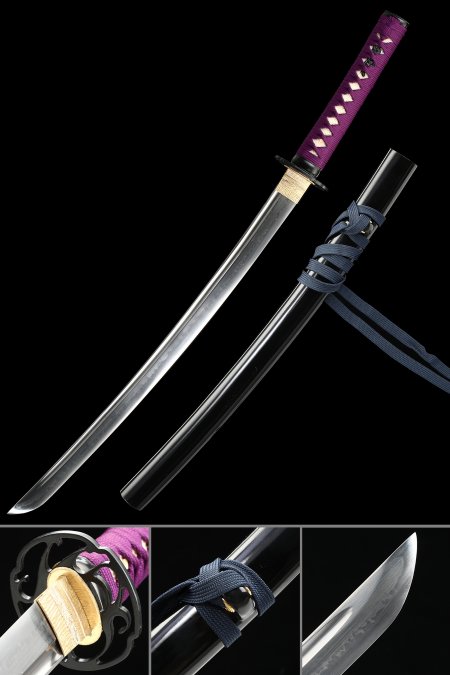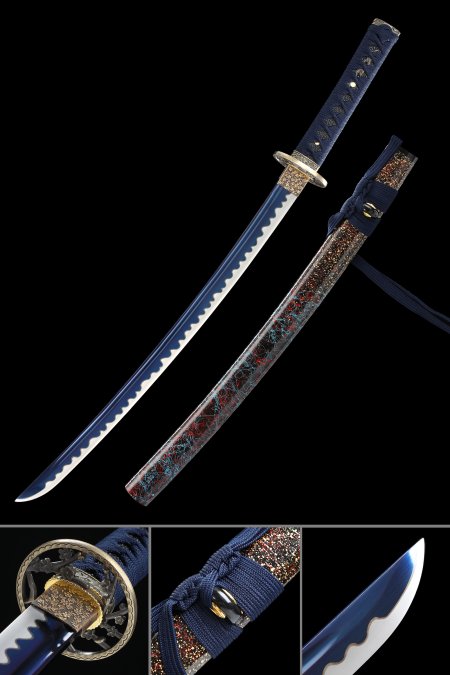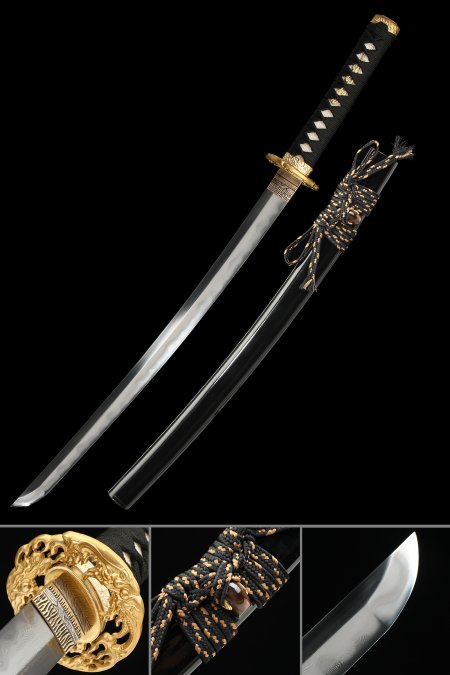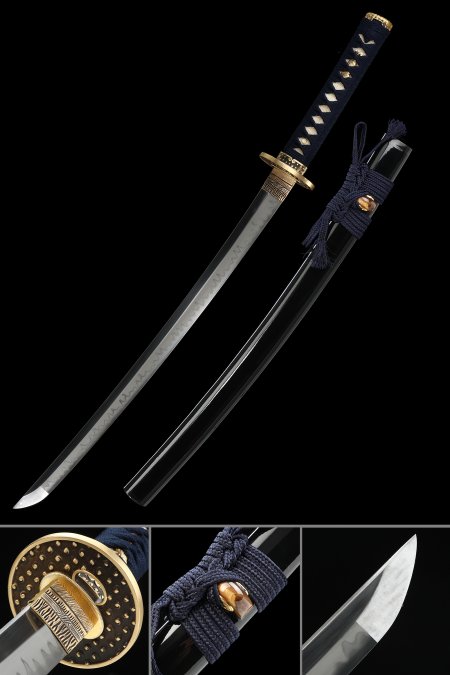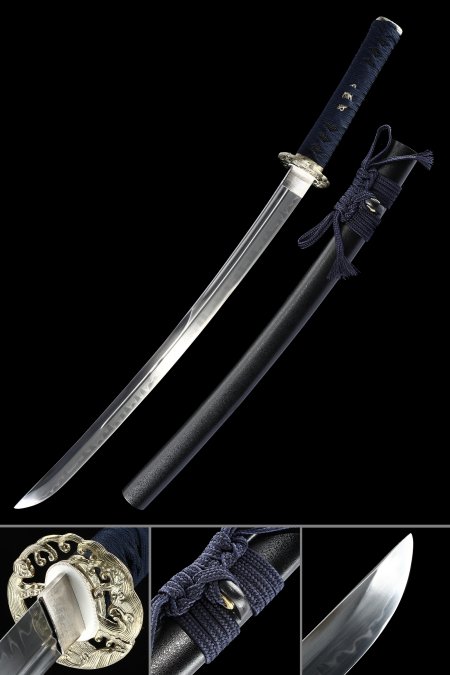
Samurai Wakizashi Sword

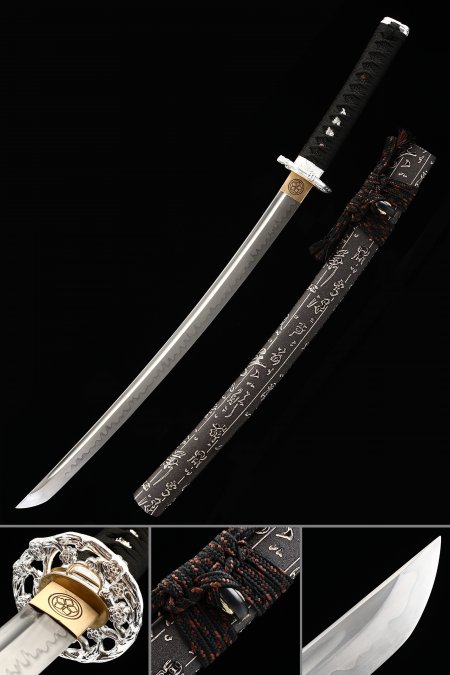
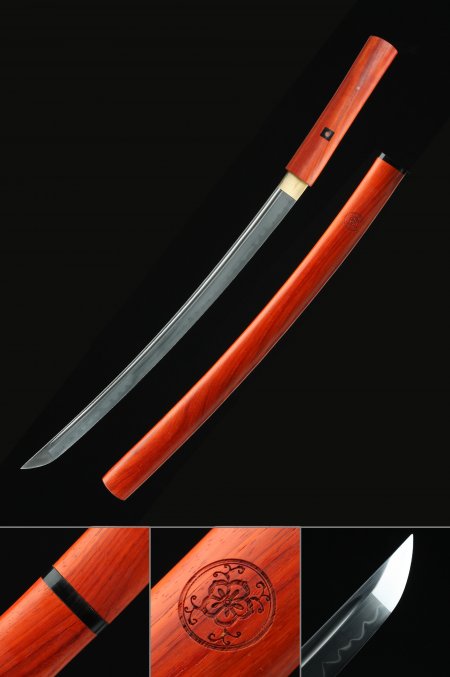
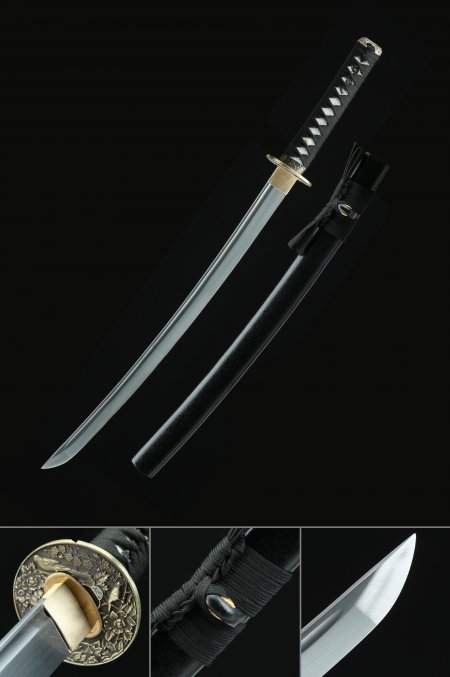
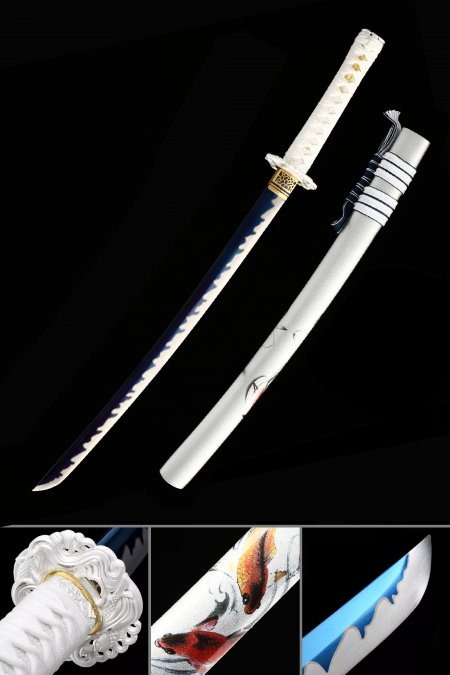
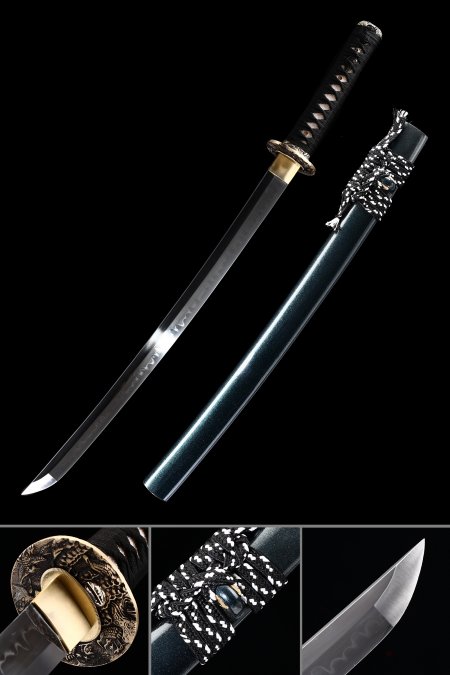
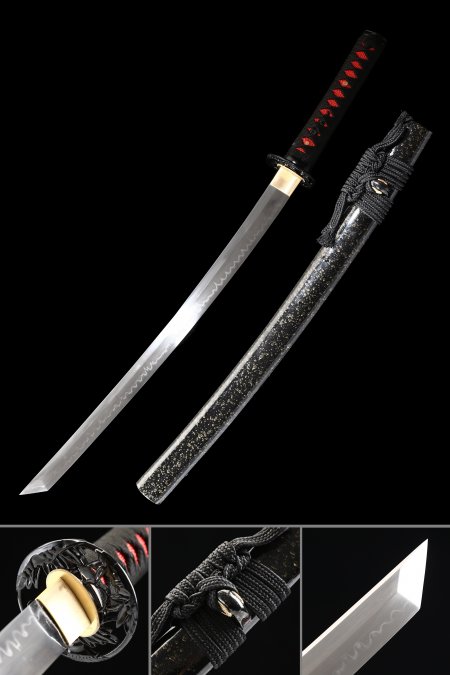
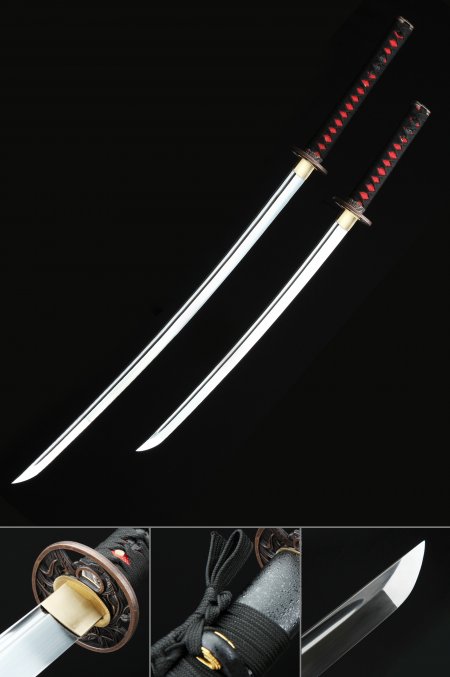
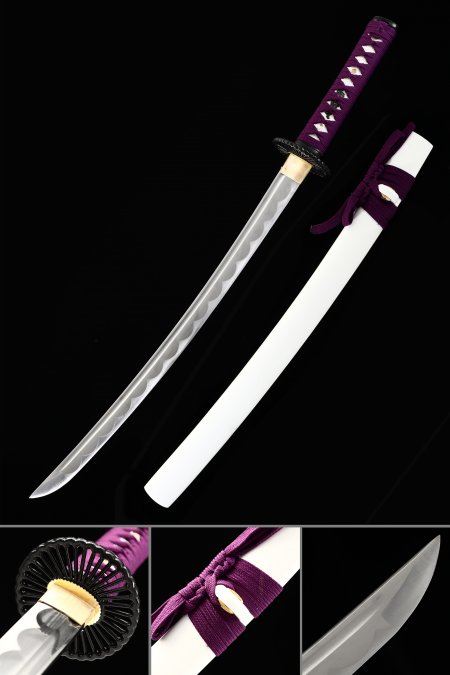
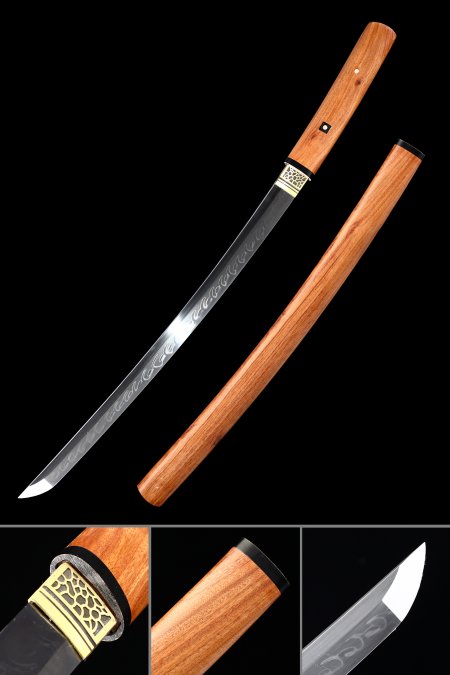
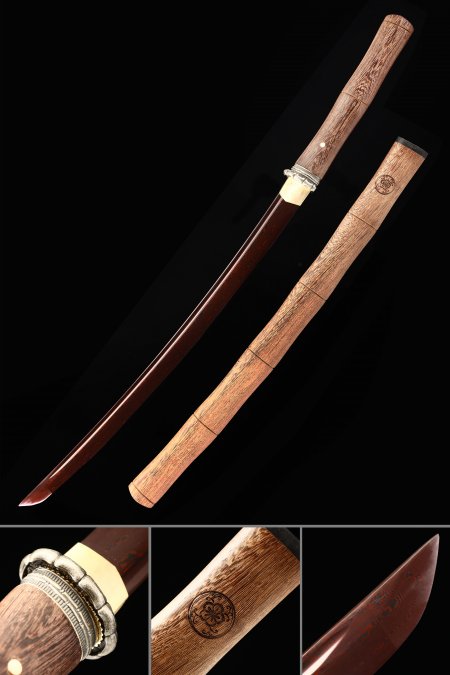
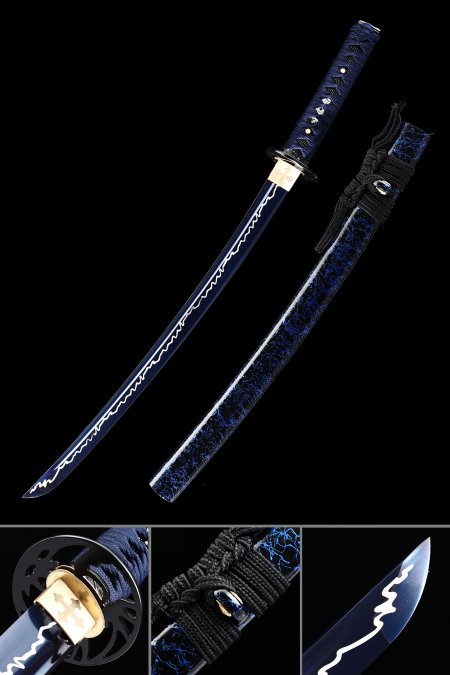
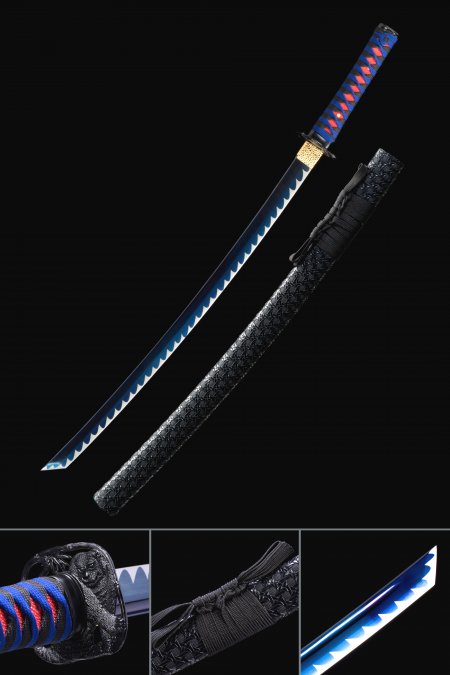
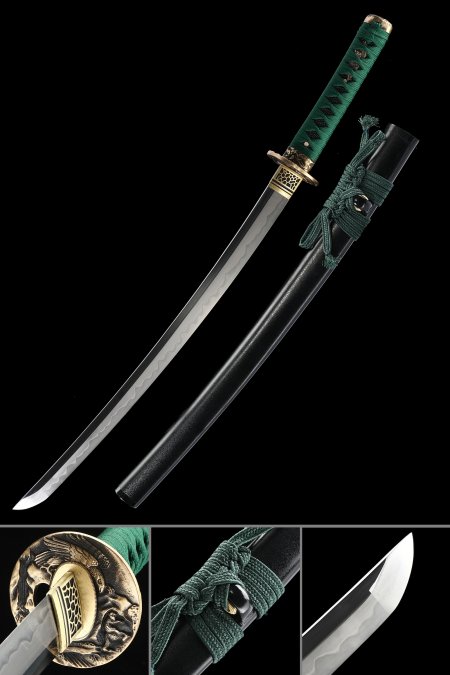
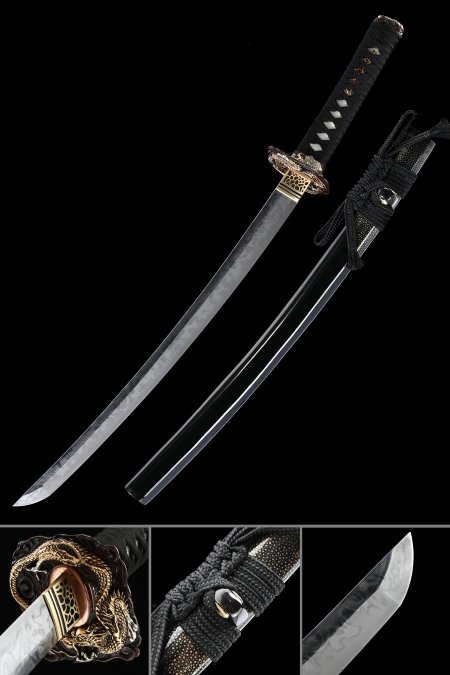
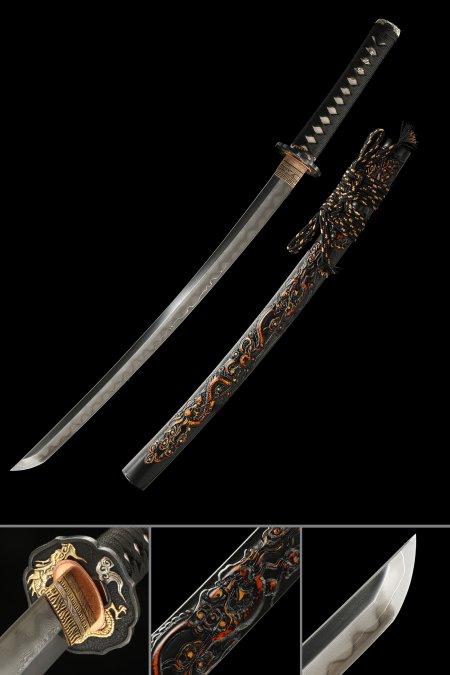
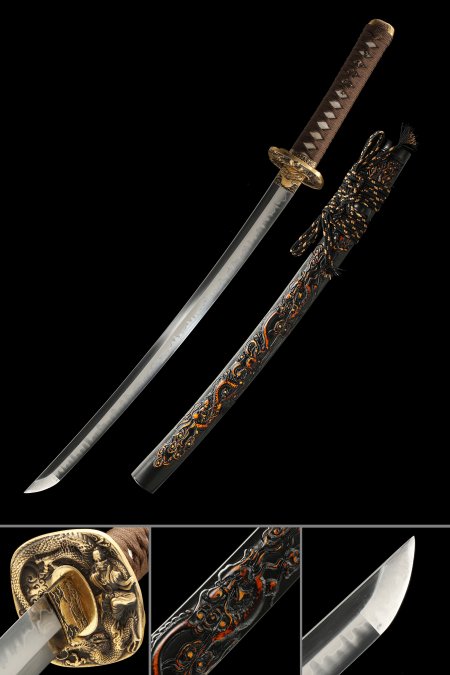
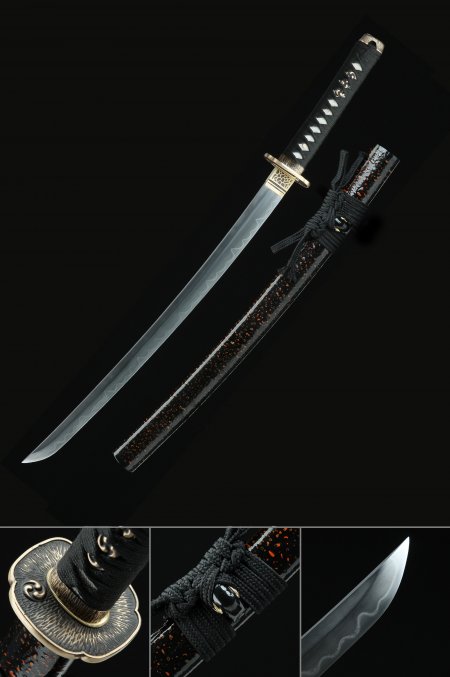
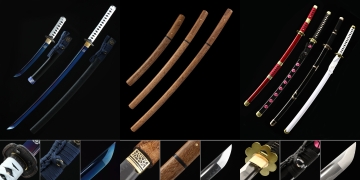
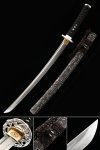
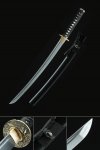
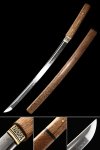
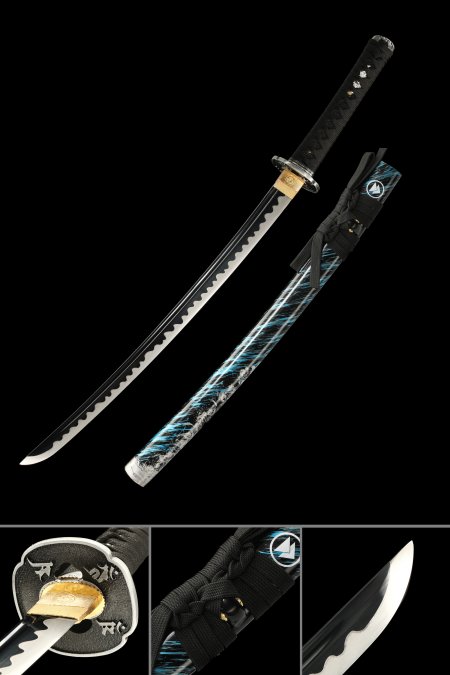
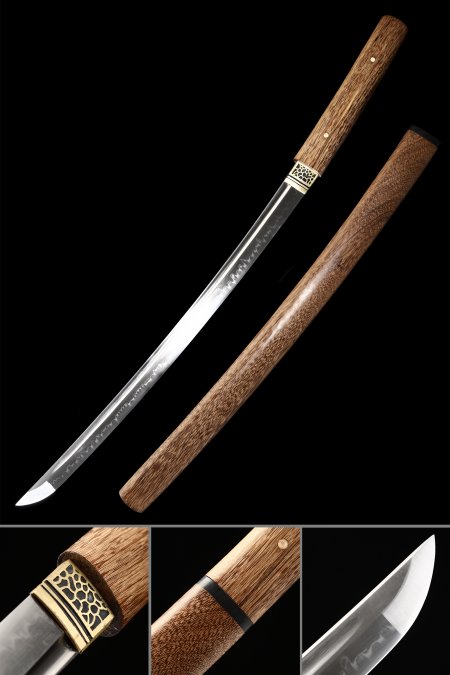
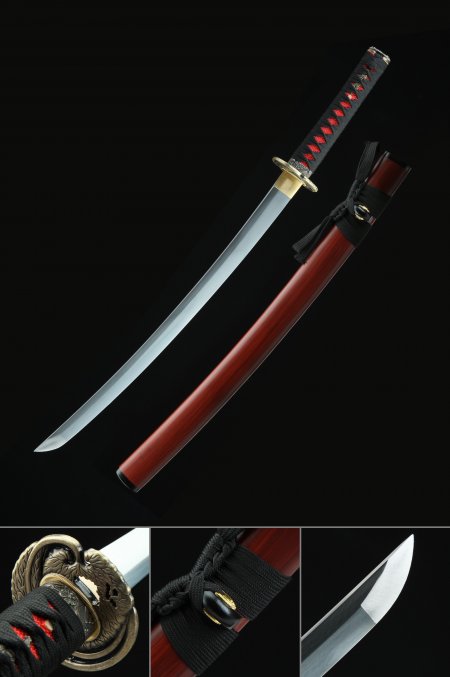
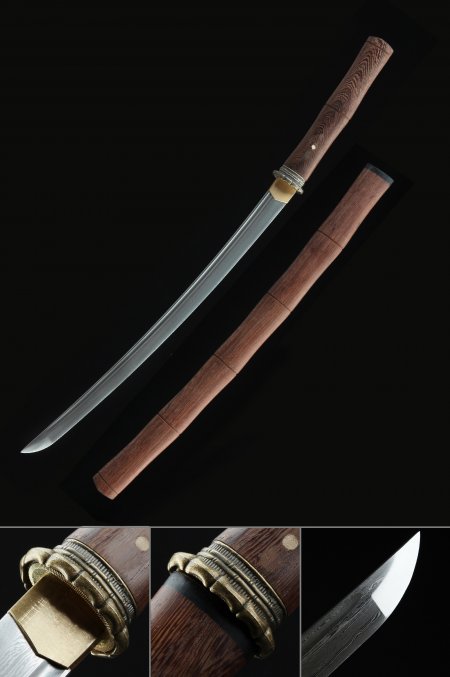
Browse our collection of samurai wakizashi swords - hand-forged Japanese companion blades built in the samurai tradition, featuring a diverse range of steel grades and finish options including T10 clay-tempered pieces with hamon, Manganese Steel in classic black, and Damascus Steel with layered surface patterning. Each wakizashi is built with full-tang construction and complete samurai fittings, ready for standalone display or daisho pairing. Free US shipping and hassle-free returns included.
Showing 91 Products

Related Collections

Straight Katana97 items


341 Reviews

T10 Steel Wakizashi43 items


206 Reviews

Stainless Steel Wakizashi102 items


435 Reviews

Katana Set6 items


209 Reviews

Frequently Asked Questions

What role did the wakizashi play in samurai tradition?
The wakizashi occupied a unique and specifically defined role in the samurai's equipment that distinguished it from the longer katana. Where the katana was the samurai's primary blade associated with formal status, battlefield use, and public identity, the wakizashi was the constant companion blade worn at all times - including settings where the longer katana might be left at the door. In samurai culture, removing the katana when entering a lord's residence was a sign of respect, but the wakizashi was typically retained even in these formal settings, reflecting its status as an intimate personal blade rather than a formal status symbol. The wakizashi was also the blade used in the ritual of seppuku, which contributed to its cultural significance as the most personal of the samurai's blades. In the daisho system - the matched pair of long and short sword that defined samurai identity - the wakizashi was the shorter blade, and a samurai's daisho was one of the most important personal possessions he owned. Today, collecting a samurai wakizashi is a way of engaging directly with this history through a physical object built to the same craft standards as the originals.
What steel grades are available in samurai wakizashi swords?
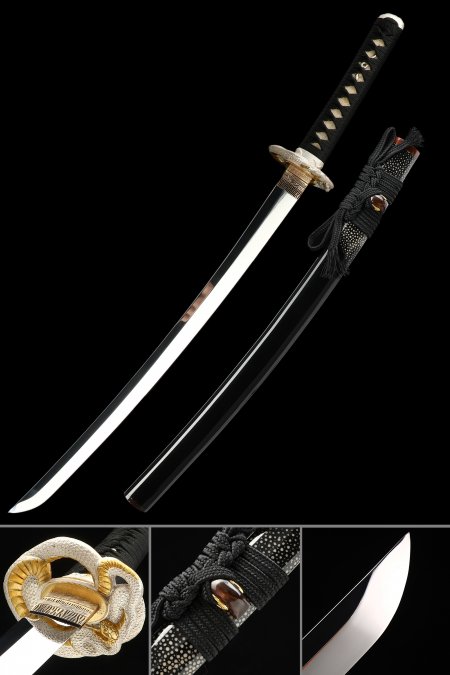
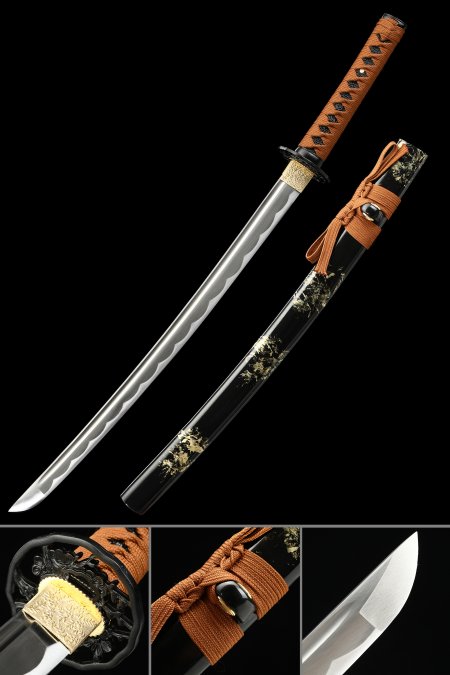
Samurai wakizashi in this collection are available in several high-carbon steel grades that represent the quality spectrum of Japanese short sword collecting. T10 carbon steel is the premium option and the grade most closely associated with traditional Japanese sword-making: its fine grain structure enables the clay-tempered differential heat treatment that produces a visible hamon - the wave-patterned temper line along the blade edge that is the most valued visual detail in Japanese sword collecting. T10 shirasaya wakizashi with a clear hamon are among the most sought-after configurations in the samurai short sword category. Manganese Steel delivers exceptional surface hardness and consistent finish quality, particularly well suited to the classic black scabbard finish that is the most traditional aesthetic for a samurai companion blade. Damascus Steel brings fold-forged layered surface patterning to the wakizashi format, with each blade carrying a unique pattern. All grades are used with full-tang construction and mekugi retention pins.
How should I choose between a T10 and a Manganese Steel samurai wakizashi?
Choosing between a T10 and a Manganese Steel samurai wakizashi depends primarily on what you most value in the blade's character and appearance. T10 carbon steel is the right choice if blade character and the possibility of a visible hamon are your highest priority. The hamon - the differential heat treatment temper line - is the most technically sophisticated and historically meaningful visual detail available in Japanese sword collecting, and T10 is the grade most capable of producing a well-defined hamon with visible activity within the transition zone. A T10 samurai wakizashi with a good hamon is a blade that rewards close inspection and reflects the craftsmanship tradition of historical Japanese sword-making. Manganese Steel is the right choice if surface quality, finish depth, and a commanding overall aesthetic are your priority. Manganese Steel achieves exceptional surface hardness that produces a deep, even finish quality particularly well suited to classic black scabbard configurations. For collectors who want the most visually impressive samurai wakizashi from across the room, the Manganese Steel pieces with their deep black finish often have the stronger immediate presence, while T10 pieces reward more attentive close inspection.
What is the best way to display a samurai wakizashi in a home collection?
Displaying a samurai wakizashi at home offers considerable flexibility given its compact dimensions and visual richness. For a standalone wall display, a horizontal two-peg bracket sized for short sword blade lengths positions the wakizashi at eye level with the edge facing upward in the traditional resting orientation. This is the simplest and most effective single-piece display format and requires minimal wall space. For a daisho arrangement - the traditional matched pair of katana and wakizashi - a two-tier horizontal wall bracket positions both swords in the historical configuration, with the katana above and the wakizashi below. This arrangement is particularly effective when the two pieces share matching fittings and scabbard finish, reading as a unified set rather than two separate swords. The daisho display is one of the most recognized and historically authentic arrangements in Japanese sword collecting and is the display format that most directly reflects the role of the samurai wakizashi in Japanese sword culture. For tabletop display, a freestanding two-peg stand supports the wakizashi effectively as an accessible piece for regular handling and inspection.

Customer Reviews