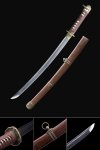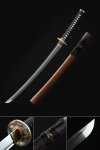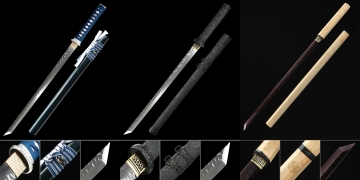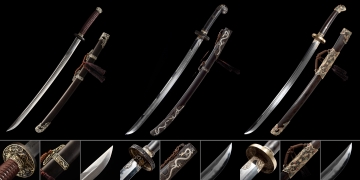
Brown Damascus Steel Wakizashi

A Brown Damascus Steel Wakizashi brings together the visual warmth of earth-toned fittings and the intricate layered patterns that only genuine Damascus steel can produce. Each piece in this collection is hand-forged and assembled with period-appropriate hardware - copper tsuba, hardwood saya, and wrapped ito - making them standout additions to any serious display. Enjoy free standard shipping on your order, backed by our straightforward return policy.
Showing 3 Products

Related Collections

Frequently Asked Questions

What makes Damascus steel visually unique on a wakizashi?
Damascus steel is created by forge-welding multiple layers of high-carbon and low-carbon steel, then repeatedly folding the billet to distribute those layers evenly throughout the blade. After the blade is shaped and ground, an acid etching process reveals the grain - the distinct swirling or flowing lines that result from how each layer absorbed the etch differently. Because no two billets fold identically, every finished wakizashi carries a one-of-a-kind surface pattern. On the shorter canvas of a wakizashi blade, these patterns appear concentrated and detailed, making the visual impact especially pronounced when the blade is displayed under directional lighting.
How does a wakizashi differ from a tanto as a display piece?
Both the wakizashi and the tanto are short-format Japanese blades, but they occupy meaningfully different roles in a collection. A tanto typically measures under 12 inches in blade length and was historically carried as a utility and ceremonial piece. A wakizashi sits in the 12-to-24-inch range, making it substantial enough to display the full geometry of a hand-forged blade - including the curvature, the hamon line if present, and the transition between the kissaki tip and the body. For collectors interested in Damascus patterning specifically, the wakizashi's additional surface area allows the layered steel grain to develop across more of the blade, producing a richer visual read from a distance.
What hardware materials are used on brown Damascus wakizashi?
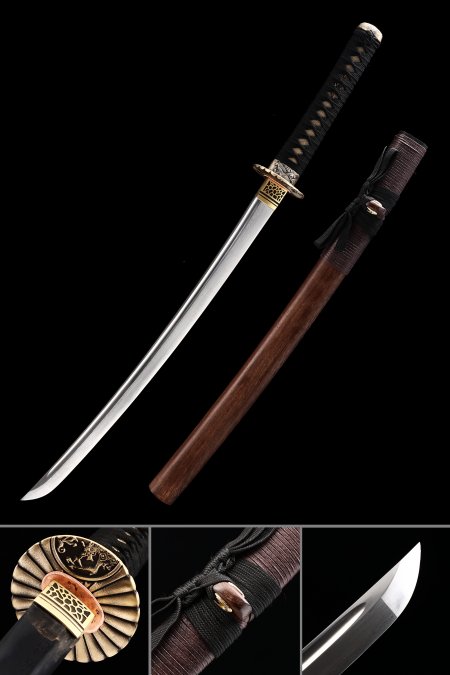
The pieces in this collection pair Damascus steel blades with fittings chosen to complement the warm, earthy tone of the steel after etching. Tsuba (hand guards) are cast from copper alloy and feature engraved motifs including dragon and lion designs - materials and iconography consistent with classical Japanese and East Asian sword aesthetics. Saya (scabbards) are shaped from brown hardwood or rosewood, finished to highlight the natural grain of the wood rather than obscure it. Handle wrapping uses tightly applied ito cord over a full-tang construction. Together, these components create a consistent brown-and-copper palette that suits both solo display and daisho pairings.
How should I maintain a Damascus steel blade in a display setting?
Damascus steel is primarily high-carbon steel, which means it will develop surface oxidation if left unprotected. For a blade kept on display rather than in regular use, a light application of choji oil or pharmaceutical-grade mineral oil every two to three months is sufficient. Apply the oil with a clean cotton cloth, spread it in a thin, even layer along the blade surface, and wipe away any excess. Avoid storing the blade inside a sealed leather-lined case for extended periods, as leather can off-gas acids and trap humidity against the steel. A climate-controlled room with moderate, stable humidity is the ideal long-term storage environment for preserving both the steel and the lacquered wood of the saya.
Is a brown Damascus wakizashi a good gift for a collector?
A Brown Damascus Steel Wakizashi works well as a collector's gift because it combines immediate visual impact with lasting craft value. Unlike mass-produced decorative pieces, a hand-forged Damascus blade carries visible evidence of its making - the pattern in the steel is a record of the forging process itself, which gives knowledgeable recipients something meaningful to discuss and appreciate. The warm brown and copper tones also make these pieces accessible to collectors who may not be drawn to the starker aesthetic of plain or blue-finished blades. For someone building a Japanese sword display, a wakizashi pairs naturally with a full-length katana to suggest the classical daisho composition without requiring both pieces to match exactly.

Customer Reviews

Joseph Evans Virginia, United States

The wakizashi that I received was absolutely gorgeous! The blade, handle, scabbard, and every detail was second to none…oh and it’s sharp as heck too, so don’t go fooling around or you’ll be admiring one of these beautiful weapons from the emergency room. This is my second time ordering from TrueKatana and both times it has been a home run! Love it!
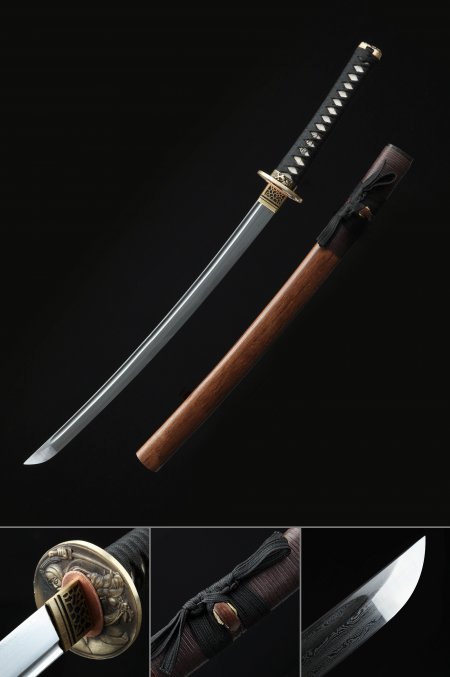
Damascus Steel Wakizashi with Rosewood Saya - Dragon Copper Tsuba, Black Ito, 21.25 Damascus Steel Wakizashi with Rosewood Saya - Dragon Copper Tsuba, Black Ito, 21.25" Blade
Chris Demonch New Jersey, United States

Like its companion sword, I bought this one with the intention of using its koshirae on another project. However, when it arrived I found myself rather impressed with the construction. While I'm not a fan of bohi, the blade feels quite solid and has some interesting activity. The fittings are of good quality and the hardwood gives it a unique look. All said, for the money I think this sword is a very good buy!

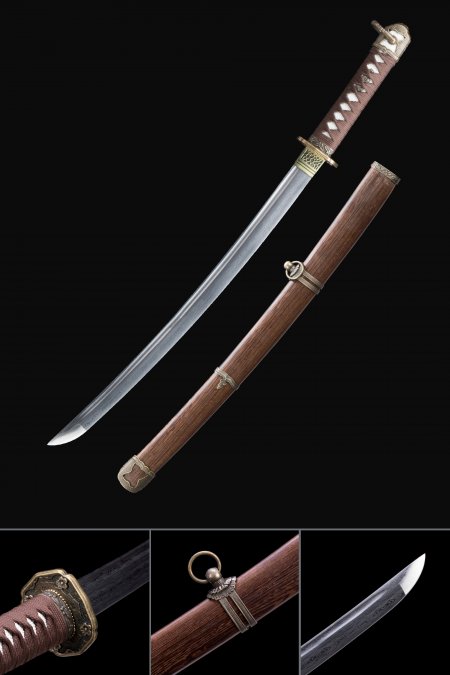
Shin Gunto Type 98 Officer Saber in Damascus Steel with Brown Hardwood Saya and Gold Alloy Fittings Shin Gunto Type 98 Officer Saber in Damascus Steel with Brown Hardwood Saya and Gold Alloy Fittings